














Short-Sleeved Baby Bibs: How to Choose One, Clean It, and Keep Mealtime Safe
How to pick a safe short-sleeved baby bib, choose easy-clean fabrics, fit the neck safely, and compare bib styles across Australia, the UK, the US and Canada.
On this page
- Key points
- What a short-sleeved bib is and why parents use it
- How to choose a safe short-sleeved bib
- Bib styles compared: short-sleeved vs other bibs
- Materials and chemical safety
- Short-sleeved bibs by age and stage
- Safety rules and official guidance in Australia, the UK, the US and C…
- How to clean, dry, and store short-sleeved bibs
- Common mistakes parents make with bibs
- Frequently asked questions
- Sources
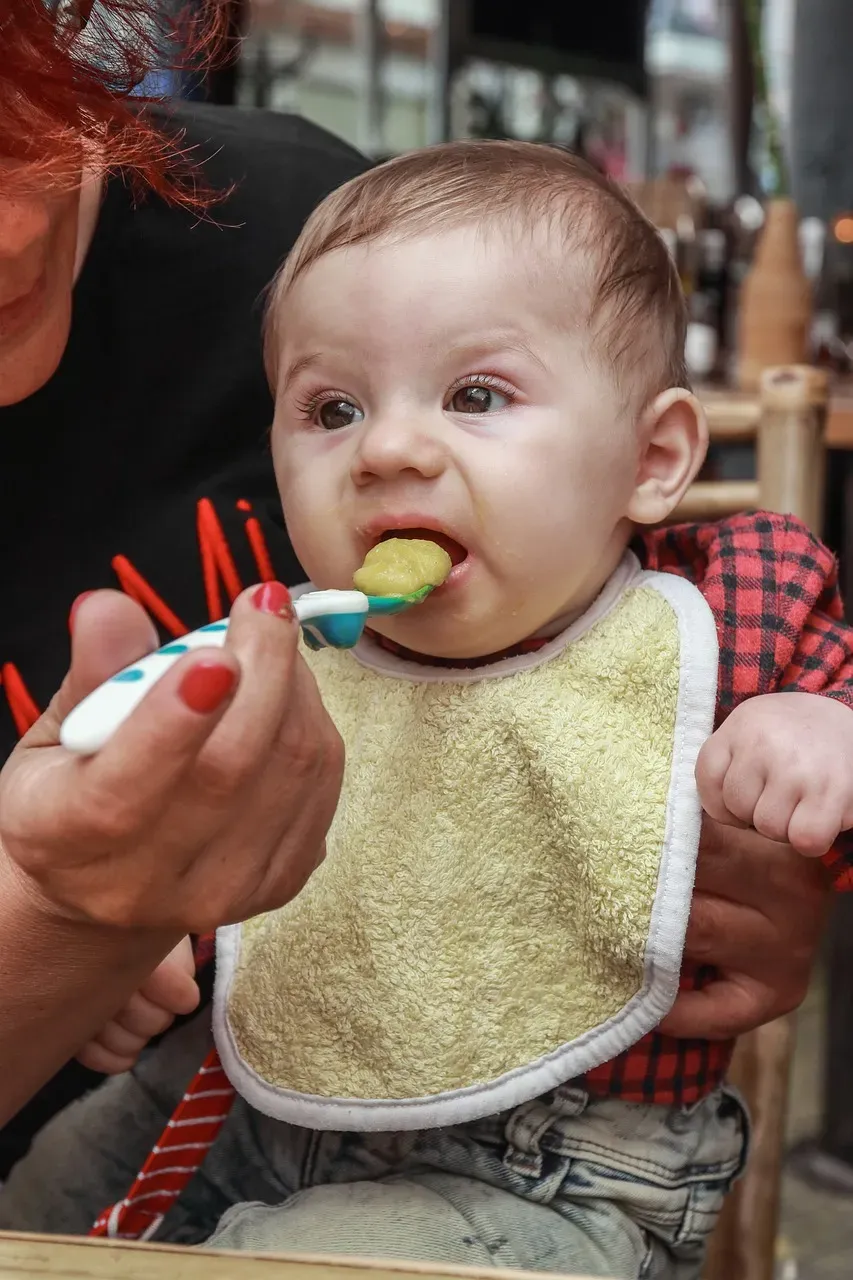
Short answer: A short-sleeved bib covers your baby's chest, tummy, and upper arms. It keeps clothes dry and clean during messy meals. Pick one with a soft, wide neck that fits two fingers underneath. Choose wipe-clean fabric free from BPA, phthalates, and stain-repellent PFAS chemicals. Always take the bib off before your baby naps or goes into a car seat.
Feeding and safety advice here matches official guidance from Australia (ACCC, Product Safety Australia, and Raising Children Network), the UK (Office for Product Safety and Standards and the NHS), the US (Consumer Product Safety Commission and the American Academy of Pediatrics), and Canada (Health Canada and the Canadian Paediatric Society).
Key points
- What it covers: chest, tummy, and upper arms down to the elbow.
- Best age: from about 6 months, when your baby starts solid foods and sits upright.
- Neck fit: snug enough to catch drips, but loose enough for two adult fingers.
- Safe closures: strong snaps or soft hook-and-loop tape that will not scratch skin.
- No loose parts: skip bibs with small buttons, beads, or peeling stickers that a baby could swallow.
- Sleep rule: never leave any bib on a sleeping baby.
- Care: rinse food off right away and air-dry in the shade so waterproof layers last.
What a short-sleeved bib is and why parents use it
A short-sleeved bib is a cross between a normal bib and a small shirt. It slips over your baby's arms and fastens at the back of the neck. The front panel covers the chest and lap. The short sleeves cover the shoulders and upper arms.
Standard bibs only cover the front of the shirt. When a baby reaches for a spoon or squishes soft fruit, food lands on their sleeves. A short-sleeved bib blocks those stains without covering the wrists and hands.
Why short sleeves help in warm weather and active play
Long-sleeved smocks can feel hot in summer or in warm kitchens. Short sleeves let air reach your baby's forearms. They also keep cuffs out of soup bowls, yoghurt tubs, and water cups.
Many babies dislike tight elastic around their wrists. A short-sleeved bib hangs loose above the elbow. Your baby can grab finger foods, hold a cup, and move freely.
Who gets the most use from one
Short-sleeved bibs work well for babies who feed themselves. They are handy for messy foods like pasta sauce, mashed avocado, porridge, and berries. They also protect clothes during water play, sand play, and toddler painting.
They are less useful for tiny newborns who only drink milk. A small, soft cotton dribble bib is better for milk feeds and teething drool.
How to choose a safe short-sleeved bib
A good bib should protect clothes without putting your baby at risk. Babies grab, pull, and chew everything within reach. Check these five details before you buy or use a bib.
1. Neck fit and comfort
The neck hole is the most important safety check. A tight neck can rub your baby's skin or press on their throat. A very loose neck lets food slide straight onto the shirt.
- Test the fit after fastening it. You should easily slide two adult fingers between the bib and your baby's neck.
- Look for soft fabric binding around the collar. Rough seams can chafe a baby's chin.
- Avoid bibs with thin elastic cords or drawstrings around the neck. Drawstrings can catch on high chair parts.
2. Fasteners and closures
Most short-sleeved bibs close at the back with snaps or hook-and-loop tape. Some tie with fabric ribbons.
- Snaps (press studs): They hold well and do not snag other clothes in the wash. Check that each snap is firmly attached before every meal.
- Hook-and-loop tape (Velcro): It adjusts fast as your baby grows. Close the tabs before washing so they do not catch on other laundry.
- Ties: Long fabric ties can be a tangling hazard if they come undone. Keep ties short, or pick snaps instead.
3. Pockets and catch trays
Many short-sleeved bibs have a wide pocket along the bottom edge. This pocket catches dropped peas, toast crumbs, and drips.
A soft fabric pocket folds flat when your baby leans against the high chair tray. Stiff plastic pockets can push up against a baby's chin if the tray sits high. Make sure the pocket turns inside out easily so you can wash out hidden crumbs.
4. Breathability and heat
Babies get warm faster than adults. Waterproof plastic layers trap body heat against the chest. If your home is warm, dress your baby in a thin singlet or short-sleeved bodysuit under the bib.
Take the bib off as soon as the meal ends. This lets your baby cool down and keeps their skin dry.
5. Seams, trims, and choking checks
Babies explore objects with their mouths. They often chew the bottom edge or sleeve of a bib.
- Pull gently on all snaps, labels, and pockets to check they are secure.
- Skip bibs with decorative buttons, bows, sequins, or small plastic badges.
- Throw away any bib with torn fabric, loose threads, or peeling waterproof film.
Bib styles compared: short-sleeved vs other bibs
Every bib style suits a different stage and meal. Use the table below to compare short-sleeved bibs with other common options.
| Feature | Short-sleeved bib | Long-sleeved smock | Silicone pocket bib | Cloth dribble bib |
|---|---|---|---|---|
| Body coverage | Chest, tummy, upper arms | Chest, tummy, full arms to wrists | Chest and tummy only | Upper chest and chin |
| Best age | 6 months to 3 years | 6 months to 3+ years | 6 months to 2 years | Birth to 12 months |
| Easy to clean? | Wipe clean or machine wash | Wipe clean or machine wash | Rinse in sink or dishwasher | Machine wash only |
| Comfort in warm rooms | Good; forearms stay bare | Can feel warm and sweaty | Cool; leaves arms bare | Very cool and soft |
| Hand and wrist freedom | High; no wrist cuffs | Lower; cuffs can dip in food | High; no sleeves at all | High; no sleeves at all |
| Main downside | Lower arms still need a wash | Takes longer to dry inside sleeves | Does not protect shirt sleeves | Soaks through during big meals |
Many families keep two styles on hand. A silicone bib works fast for quick snacks. A short-sleeved bib shines during wet, sticky dinners or messy craft time.
Materials and chemical safety
Waterproof bibs use special coatings or plastics to stop liquids soaking through. Because babies chew on their bibs, the materials matter. Here is what common labels mean in plain words.
Waterproof fabrics explained
- PUL (polyurethane laminate): This is soft polyester fabric with a thin waterproof layer bonded to the back. It feels light, bends easily, and washes well.
- EVA or PEVA: These are soft, flexible plastics often used for wipe-clean bibs. They do not contain PVC (polyvinyl chloride).
- Silicone: Food-grade silicone is smooth, bendy, and easy to rinse. Some short-sleeved bibs pair a fabric top with a silicone pocket.
- Coated cotton: Cotton fabric with a clear waterproof film on top. It looks neat, though stiff coatings can crack over time.
Chemicals to avoid
Health and product safety bodies watch certain chemicals closely in baby items:
- BPA (bisphenol A): A chemical used to make some hard plastics. Look for clear "BPA-free" labels on plastic snaps or pockets. Food Standards Australia New Zealand (FSANZ) and the U.S. Food and Drug Administration (FDA) monitor BPA in food-contact items.
- Phthalates: Chemicals added to make some plastics soft and bendy. The U.S. Consumer Product Safety Commission (CPSC), Australia's ACCC, the UK's Office for Product Safety and Standards (OPSS), and Health Canada restrict certain phthalates in childcare items and toys. Choose bibs labelled phthalate-free and PVC-free.
- PFAS (per- and polyfluoroalkyl substances): Man-made chemicals sometimes used to make fabric resist water and stains. The Australian Government, the U.S. Environmental Protection Agency (EPA), and UK regulators note that PFAS stay in the environment for a long time. Look for bibs marked "PFAS-free" or "fluorine-free".
Washing a new bib before the first use helps remove factory dust and surface smells. Always read the care tag first.
Short-sleeved bibs by age and stage
Your baby's needs change fast during the first two years. A bib that works at 8 months may not suit a newborn or a busy toddler.
| Age stage | What your baby is doing | What bib works best |
|---|---|---|
| Birth to 6 months | Drinking breastmilk or infant formula. Lying down or held for feeds. | Small, soft cotton bib for milk drips and burps. No sleeved or pocket bibs yet. |
| Around 6 months | Sitting up with support. Starting smooth or mashed solid foods. | Soft short-sleeved bib with a gentle neck fit. Keep meals short and supervised. |
| 7 to 12 months | Grabbing finger foods. Practising with a spoon and open cup. | Short-sleeved bib with a front catch pocket. Easy to wipe between courses. |
| 12 to 24 months | Feeding self more neatly, but still spills soup, rice, and sauce. | Larger short-sleeved bib or wipe-clean smock for meals and painting. |
Starting solids at around 6 months
Health groups in Australia (NHMRC and Raising Children Network), the UK (NHS), the US (AAP), and Canada (Health Canada and the Canadian Paediatric Society) agree on when to start solids. Most babies are ready at around 6 months old, when they can sit with support and hold their head steady.
Do not put a baby in a high chair or start solid food before they have good head control. A short-sleeved bib will not support a baby's body. Make sure your baby sits upright in a safe high chair with the harness buckled.
Self-feeding and toddler months
Between 8 and 18 months, babies learn by touching, squishing, and dropping food. This messy phase builds hand skills. A short-sleeved bib lets you relax while your child practises using a spoon.
As your child grows, check the armholes and collar. If the sleeves pinch their upper arms, size up.
Safety rules and official guidance in Australia, the UK, the US and Canada
Bibs themselves do not have one global bib standard. Instead, they fall under general baby product safety, chemical rules, and choking laws in each country. Official health and safety agencies across all four countries share the same core mealtime advice.
| Topic | Australia | UK | US | Canada |
|---|---|---|---|---|
| Product safety body | ACCC and Product Safety Australia | Office for Product Safety and Standards (OPSS) | Consumer Product Safety Commission (CPSC) | Health Canada |
| Child health & feeding guidance | NHMRC, Raising Children Network, Pregnancy, Birth and Baby | NHS and NHS Start for Life | American Academy of Pediatrics (HealthyChildren.org) | Canadian Paediatric Society (Caring for Kids) |
| High chair & sitting rule | Always use the 5-point harness; sit upright to eat | Never leave baby alone in a high chair; sit upright | Use restraint straps every time; sit upright | Strap baby in safely; sit upright during meals |
| Choking & small parts | No loose snaps, buttons, or small parts | Check seams and fasteners; buy from trusted sellers | Small parts rules protect under-3s from choking | Keep small detachable parts away from young children |
| Safe sleep rule | Clear cot; never sleep in bibs or loose clothes | Clear cot; remove bibs before sleep | Bare sleep space; no bibs or loose items | Clear sleep surface; remove bibs before naps |
Buy from trusted sellers and check recalls
The UK Government's Buy Safe guidance, Product Safety Australia, the US CPSC, and Health Canada all warn parents to check product labels and recalls. Cheap unbranded bibs from unknown online sellers may skip chemical testing or have weak snaps that pop off.
Before using any second-hand or new bib, check your national recall list:
- Australia: Product Safety Australia recalls page.
- UK: OPSS product safety alerts and recalls.
- US: CPSC recalls database.
- Canada: Health Canada recalls and safety alerts.
Safe high chair habits go with safe bibs
Product Safety Australia and the AAP stress that babies must sit upright while eating to lower the risk of choking. Always buckle the high chair waist and crotch straps first. Put the bib on over the straps, or tuck the bib neatly so it does not stop the buckle clicking shut.
Never leave your baby alone while eating or wearing a bib. Stay close so you can see and hear your child at all times.
How to clean, dry, and store short-sleeved bibs
A messy bib can grow mould or smell sour if damp food stays trapped in the pocket. A simple cleaning routine keeps bibs fresh and safe.
Right after the meal
- Unfasten the bib while your baby is still in the chair.
- Tip solid crumbs from the pocket into the bin or sink.
- Rinse the front and pocket under warm running water.
- Wipe with a clean damp cloth and a drop of mild dish soap if needed.
Machine washing tips
- Wash bibs in cool or warm water on a gentle cycle.
- Use mild baby-safe laundry detergent.
- Skip fabric softener and bleach. Both can break down waterproof coatings and irritate delicate skin.
- Close hook-and-loop tabs before washing so they do not pull threads on other clothes.
Drying and storing
Hang short-sleeved bibs on a line or drying rack in the shade. Direct hot sun or a hot tumble dryer can melt, shrink, or crack waterproof PUL and plastic layers. Turn the bottom pocket inside out while drying so water does not pool inside.
Make sure the bib is completely dry before folding it into a drawer or nappy bag. Storing a damp bib in a sealed bag causes mildew fast.
Common mistakes parents make with bibs
Most bib problems are easy to fix once you know what to look for. Use this checklist to avoid common traps.
| Do | Don't |
|---|---|
| Take the bib off straight after meals | Let your baby nap or sleep with a bib on |
| Leave room for two fingers at the neck | Fasten the collar tight against the throat |
| Check snaps and seams every week | Keep using a bib with loose snaps or peeling plastic |
| Dry your baby's neck folds after meals | Leave a wet bib sitting on damp skin for hours |
| Put the bib on after buckling high chair straps | Let a thick bib cover or jam the high chair buckle |
| Air-dry waterproof bibs in the shade | Blast waterproof coatings in a hot tumble dryer |
Leaving a bib on in the car or cot
It is tempting to leave a bib on after a quick snack before driving home. Do not do this. A bib can ride up over your baby's mouth and nose when they slump forward to sleep. Always remove the bib before buckling your baby into a car seat or laying them down in a cot.
Ignoring wet neck folds
Milk, drool, and juice often pool under a baby's chin. If a damp bib sits against the skin, it can cause red, sore dribble rash. Gently pat your baby's neck dry with a soft cloth after every meal.
Frequently asked questions
When can my baby start wearing a short-sleeved bib?
Most babies can start wearing a short-sleeved bib at around 6 months old. This is the age when health bodies in Australia, the UK, the US, and Canada recommend starting solid foods. Your baby should be able to sit upright with support and hold their head steady. Before 6 months, stick to small cotton dribble bibs for milk feeds.
Can my baby sleep in a short-sleeved bib?
No. Never let your baby sleep while wearing any kind of bib. A bib can shift up over your baby's nose and mouth during sleep. Safe sleep groups like Red Nose, the Lullaby Trust, the AAP, and Health Canada advise a clear sleep space with no loose items around the face.
How tight should the neck of a bib be?
The collar should sit comfortably without leaving red marks. After you fasten the bib, slide two adult fingers inside the neckline. If your fingers fit easily without pulling, the fit is right. If it feels tight or gaps wide open, adjust the snaps or try another size.
Are waterproof bibs safe if my baby chews on them?
Quality bibs made without BPA, phthalates, PVC, or PFAS are safe for normal mealtime use. Still, a bib is not a teething toy. If your baby starts chewing the hem or sleeves, gently offer a clean teething ring or spoon instead. Always check for peeling coatings or loose threads before each meal.
How many short-sleeved bibs do I need?
Three to five short-sleeved bibs are enough for most families. You can rinse and hang one to dry while using a clean one at the next meal. If you wash clothes only twice a week, five or six bibs will save you from hand-washing every night.
Should I choose a short-sleeved bib or a long-sleeved smock?
Choose a short-sleeved bib if your home is warm, your baby hates tight wrist cuffs, or you want faster drying. Choose a long-sleeved smock if you live in a cold climate, your baby wears thick jumpers, or you are doing big messy painting projects. Many parents find short-sleeved bibs easier for everyday meals.
Sources
- Raising Children Network – How to make baby food: in pictures
- Pregnancy, Birth and Baby – Introducing solid food
- Product Safety Australia – High chairs guide
- NHS – Your baby's first solid foods
- UK Government – Buy safe, be safe
- American Academy of Pediatrics (US) – Starting solid foods
- U.S. CPSC – Phthalates business guidance
- Caring for Kids (Canadian Paediatric Society) – Feeding your baby in the first year
Related guides
More Feeding & Baby Food →
Short-Sleeved Bibs for Babies and Toddlers: How to Choose, Use and Clean Them

How to Choose a Safe, Easy-to-Clean High Chair for Your Baby
How to Choose Safe Dish Soap for Baby Bottles, Pump Parts and Dishes
