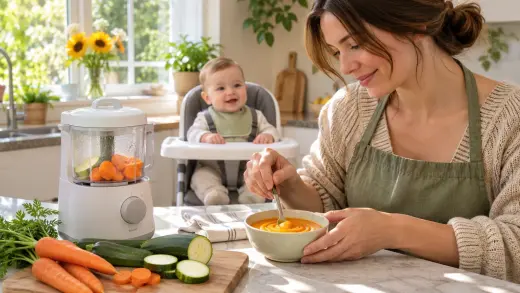
How to Choose a Baby Food Maker: Key Features, Safety, and Mealtime Tips
How to choose a baby food maker: key features, safe materials, steaming and blending, cleaning, age stages, and food safety rules for AU, UK, US and Canada.

On this page
- Key points
- What a baby food maker does
- Types of baby food makers compared
- Key features to look for
- Easy cleaning and mould prevention
- How baby food textures change by age
- Food safety, storage, and reheating
- Safety rules in Australia, the UK, the US, and Canada
- Common mistakes to avoid
- Frequently asked questions
- Sources
Short answer: A good baby food maker is easy to clean, uses safe materials, and lets you control food texture. Look for a wide water tank you can open and dry. Pick a bowl made of glass, stainless steel, or BPA-free plastic. Make sure it has a pulse button for chunky mash, not just smooth puree.
You do not have to buy a baby food maker at all. A regular pot, a steamer basket, and a fork or stick blender work just as well. This guide helps you decide if a machine fits your kitchen, based on advice from health and safety bodies in Australia (NHMRC, FSANZ, ACCC), the UK (NHS, OPSS), the US (AAP, FDA, CPSC), and Canada (Health Canada, Canadian Paediatric Society).
Key points
- Cleanable water tank: avoid sealed tanks that trap water and grow mould.
- Safe bowl materials: glass and stainless steel do not stain, scratch, or hold smells.
- Texture control: choose a pulse mode so you can move from smooth purees to soft lumps.
- Safety features: look for a lid lock, non-slip feet, and auto shut-off when water runs dry.
- Short window of use: most babies only eat smooth purees for a few months before moving to mashed and finger foods.
- Food safety first: cool cooked food fast, freeze in small portions, and never reheat leftovers twice.
What a baby food maker does
A baby food maker is a small kitchen appliance. Most models combine a steamer and a blender in one machine. You chop fruit, vegetables, or meat into small cubes. You put them in the basket, add water, and turn on the steam cycle. Once the food is soft, the machine blends it into a puree or mash.
Some machines do everything in one bowl. Others have a separate steaming basket that you tip into a blender jug. A few models also defrost frozen food or warm baby bottles.
Do you really need one?
No. Babies only eat purees for a short time. Health groups in Australia, the UK, the US, and Canada say babies start solids around 6 months old. By 8 to 10 months, most babies eat mashed foods, minced meats, and soft finger foods.
Still, a baby food maker can help some families. It saves washing up when you only want to make one or two tiny portions. It takes up less space than a big pot and a full-size blender. You can also set a timer and walk away while it steams.
On the other hand, regular kitchen tools cost nothing extra if you already own them. A saucepan with a steamer insert and a handheld stick blender can make larger batches for the freezer. Think about how you like to cook before you spend money.
Baby Food Makers & Steamers worth a look
Real products from our catalogue. We don't show star ratings or review counts; check the current price, stock and reviews on Amazon before you buy.

Baby Brezza One Step Baby Food Maker Deluxe
Steam-and-blend baby food maker
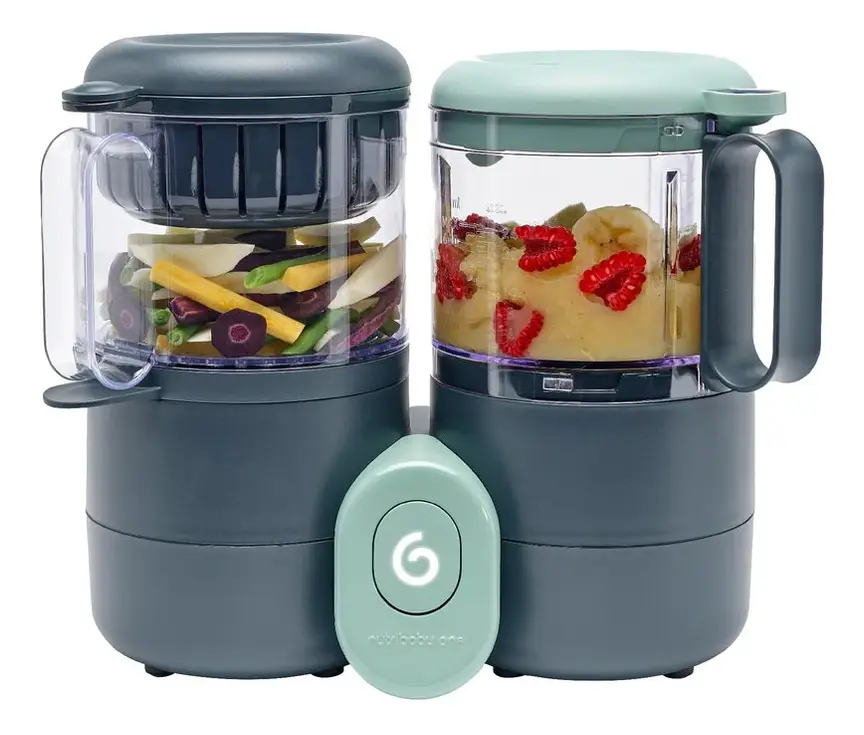
Babymoov Nutribaby One 4-in-1 Baby Food Maker
Steamer blender
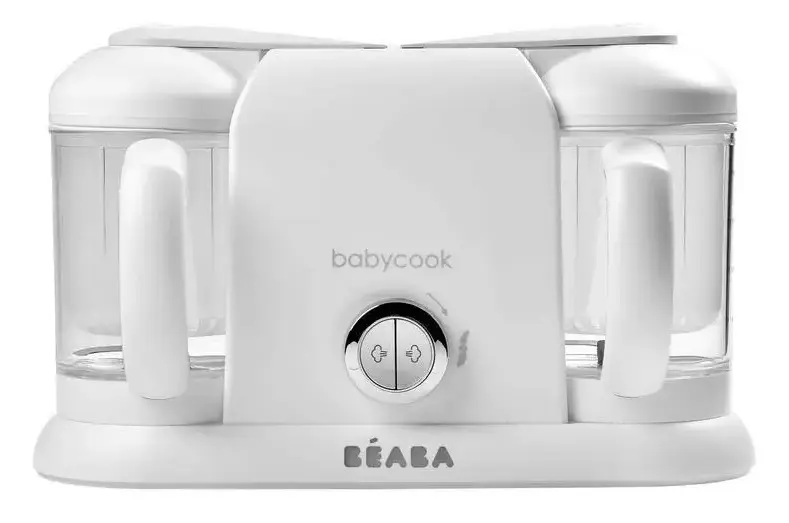

Beaba Babycook Neo
Steam-and-blend baby food maker with a glass bowl and stainless steel steam basket.
Types of baby food makers compared
Not all baby food makers work the same way. Some focus on speed. Others focus on batch cooking or simple blending. Here is how the four main options compare.
| Type | How it works | Washing up | Batch size | Good for | Drawbacks |
|---|---|---|---|---|---|
| All-in-one flip or single-bowl | Steams and blends in one bowl | Very low | Small to medium | Busy parents making daily meals | Water tank can be hard to clean |
| Steam-then-transfer machine | Steams in a basket, then you tip food to blend | Low to medium | Medium | Keeping steaming liquid separate | Needs an extra step with hot food |
| Mini baby blender | Chops and blends only, no steamer | Very low | Small | Families who steam on the stove | Does not cook raw food |
| Regular pot and stick blender | Stove steaming plus handheld blender | Medium | Large | Batch cooking and saving money | Harder to blend tiny single portions |
If you plan to batch-cook every Sunday and freeze trays of food, a regular pot and blender may suit you better. If you want to steam one small pear and a piece of sweet potato for dinner, a compact all-in-one machine is handy.
Key features to look for
If you decide to buy a baby food maker, focus on features that affect safety, food texture, and daily cleaning. Skip fancy extras you will never use.
Bowl material: glass, stainless steel, or plastic
The bowl holds hot food while sharp blades spin. Material choice matters a lot here.
- Glass bowls: heavy and sturdy. Glass does not stain from carrots or tomatoes. It does not scratch or hold food smells. It can break if you drop it on a hard floor.
- Stainless steel baskets and bowls: tough and easy to wash. Steel handles high heat well and will not crack.
- Plastic bowls: light and cheap, and they will not shatter if dropped. Over time, sharp blades can scratch plastic. Scratches can trap food and smells.
If you choose plastic, check that it is labelled BPA-free and food-safe. Bisphenol A (BPA) is a chemical once common in hard plastics. Food Standards Australia New Zealand (FSANZ) and the U.S. Food and Drug Administration (FDA) monitor food-contact plastics. Many brands have moved away from BPA, but glass and stainless steel avoid heated plastic contact altogether.
Steaming basket and water tank
Check how water gets into the machine and how steam leaves it. This is the number one thing parents wish they checked before buying.
Look for a wide water tank opening. Your whole hand or a bottle brush should fit inside. You need to see the bottom of the tank clearly. If the tank is narrow, dark, or sealed shut, you cannot wipe it dry. Trapped water grows mould and builds up chalky mineral scale.
Also check the steaming basket. A basket that lifts out lets you save or pour away the cooking water. Sometimes you want to add a spoon of that warm water back in to thin a thick puree. Other times, like when cooking spinach, you want to pour the water away.
Blade design and texture control
A machine with only one high-speed blend setting turns everything into smooth soup. That works for week one of solids, not month three.
Look for a pulse button or dial. A pulse button spins the blades only while you hold it down. Two quick pulses give you a chunky mash. Ten seconds gives you a smooth puree. That simple control helps your baby learn to chew as they grow.
Check that the blade lifts out of the bowl for washing. Fixed blades trap bits of meat and stringy vegetables underneath. Removable blades with a simple rubber seal are much safer and cleaner to wash.
Bowl size and batch cooking
Baby food maker bowls range from tiny single-serve cups to larger jugs that hold several meals. A tiny bowl is great when your baby eats two teaspoons at a time. Once your baby eats half a cup per meal, a tiny bowl feels too small.
Think about how you want to store food. If you like making four to six portions at once to freeze in ice cube trays, pick a medium or large bowl. Just make sure you do not fill the bowl past the max line. Overfilling blocks steam and can leak hot liquid.
Safety locks and auto shut-off
A baby food maker uses boiling steam and fast blades. Good safety locks protect your hands.
- Lid interlock: the blades must not spin unless the lid is locked down tight.
- Auto shut-off: the heater should turn off on its own when the steam timer ends or if the water tank runs dry.
- Non-slip feet: rubber suction feet stop the machine from walking across the bench while blending.
- Cool-touch handle: the handle should stay cool enough to hold right after steaming.
Cord length and bench safety
Check where the power cord sits. A short cord is often safer on a kitchen bench because it does not dangle over the edge. Curious toddlers love to grab hanging cords. Always push the machine to the back of the bench, away from hotplates and away from the edge.
Remember that steam vents get very hot. Keep the vent pointing away from your face, your walls, and your cupboards. Never lean over the lid when opening it right after steaming.
Easy cleaning and mould prevention
Babies have young immune systems. Clean gear keeps harmful bacteria out of their meals. A machine that takes ten minutes to scrub will soon sit unused in the cupboard.
Before you buy, count how many parts touch food or water. Fewer parts mean less washing up. Dishwasher-safe bowls, lids, and baskets save time, though you should still rinse off food bits first.
The hidden water tank problem
Every steamer heats tap water. Tap water leaves behind white mineral scale, especially in hard-water areas. Water also leaves damp spots inside the tank after you finish cooking.
If you cannot open the tank wide to wipe it dry, damp warmth stays inside. Over weeks, dark mould spots can grow inside the boiler. When you steam again, steam passes right through that tank into your baby's food.
To keep any steamer clean:
- Empty leftover water after every use.
- Leave the tank lid open to air dry.
- Descale the tank regularly using the steps in the manual, often with diluted white vinegar or citric acid, then rinse well with plain water.
- Check the rubber ring around the lid and blade for trapped food or dark spots.
How baby food textures change by age
Many parents worry they will use a baby food maker for years. In truth, texture needs change fast during the first year.
Health bodies in Australia (NHMRC and Raising Children Network), the UK (NHS), the US (American Academy of Pediatrics), and Canada (Canadian Paediatric Society) agree on when to start. Begin solid foods at around 6 months, when your baby shows signs of readiness. Your baby should hold their head steady, sit with support, and show interest in food.
Wait until around 6 months, and never start before 4 months unless a doctor advises it. Once your baby starts, move through textures steadily so they learn to move food around their mouth and chew.
| Age stage | Typical texture | How a baby food maker helps | Other tools to use |
|---|---|---|---|
| Around 6 months | Smooth puree or very soft mash | Steams hard veg like carrot and blends smooth | Fork, sieve, or baby spoon |
| 7 to 9 months | Lumpy mash and minced foods | Steams food soft, then pulses lightly | Fork masher and soft finger foods |
| 9 to 12 months | Chopped family foods and finger foods | Steams veg sticks soft for finger feeding | Knife, fork, and normal pots |
| 12 months and up | Regular family meals cut small | Mostly used for soups, sauces, or steamed veg | Normal family cookware |
Do not keep your baby on smooth purees for too long. NHS Start for Life and the Raising Children Network both note that babies need to try lumpy foods and finger foods from around 6 to 7 months onwards. Waiting too long can make babies fussy about textures later on.
You do not even have to use purees at all. Some families use baby-led weaning, where babies feed themselves soft finger foods from the start. Even then, a steamer basket helps soften hard foods like apple slices, broccoli florets, and sweet potato sticks so a baby can mash them with their gums.
Side by side: more baby food makers & steamers to compare
Real products from our catalogue. We don't show star ratings or review counts; check the current price, stock and reviews on Amazon before you buy.
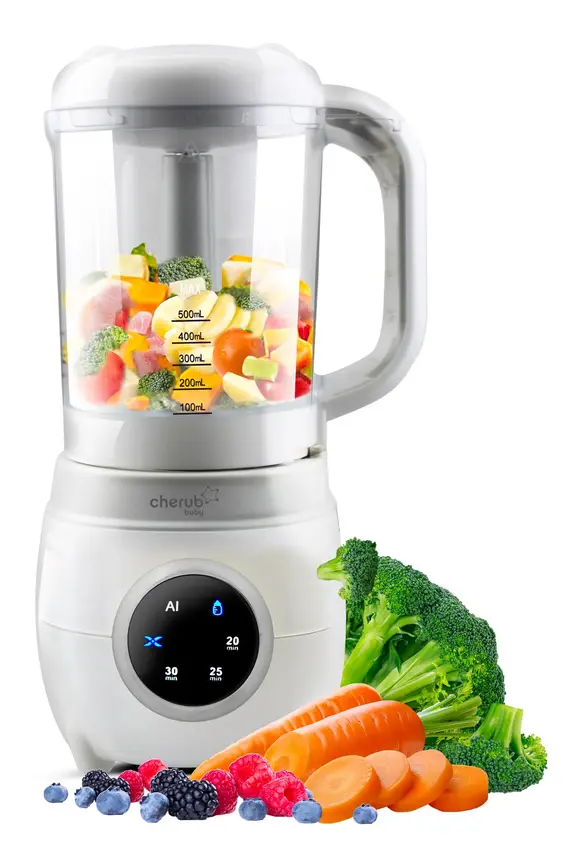 Reviewed
Cherub Baby Food Maker & Steriliser
Steams then blends food. It can also defrost, warm bottles and sterilise.
Read our full review →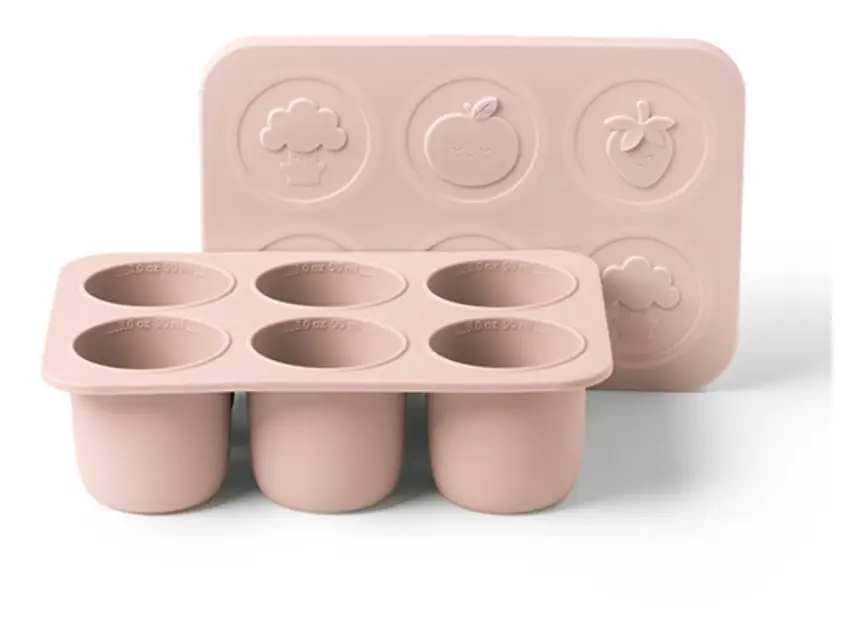
Annabel Karmel Silicone Freezer Food Tray
A silicone tray for freezing small portions of home-made baby food.

Babymoov Nutribaby(+) 6-in-1 Baby Food Processor
Steamer blender

Cherub Baby Food Pouch Spoons (2 pack)
Spoon tops that screw onto food pouches, so you can spoon-feed on the go.
Food safety, storage, and reheating
Making homemade baby food is safe and simple when you follow basic kitchen rules. Health services like Pregnancy, Birth and Baby (Australia), NHS Best Start in Life (UK), FoodSafety.gov (US), and Health Canada all share the same core steps.
Preparing food cleanly
- Wash your hands with soap and warm water before you touch food or machine parts.
- Wash all fruit and vegetables under clean running water. Peel skins and remove seeds or hard pits.
- Use separate chopping boards for raw meat and ready-to-eat foods like fruit.
- Cook meat, poultry, fish, and eggs all the way through until steaming hot with no pink parts.
- Never add salt, sugar, or honey to food for babies under 12 months. Honey can carry bacteria that cause infant botulism, a rare but serious illness.
Cooling and storing batches
Hot food left on the bench grows bacteria fast. Cool cooked baby food as quickly as you can before putting it in the fridge or freezer.
To cool puree fast, spread it in a shallow dish or stand the bowl in a sink of cold water. Stir it so the heat escapes. Once it stops steaming, put it in clean, lidded containers or silicone ice cube trays.
- Label every tray or tub with the food name and the date you made it.
- Keep fresh homemade baby food in the fridge for up to 24 to 48 hours. Check your national health guide for exact times, as some foods like meat need extra care.
- Freeze extra portions in small cubes. Once frozen solid, pop the cubes into a labelled freezer bag.
Reheating and serving safely
Defrost frozen cubes in the fridge overnight or in a microwave defrost setting. Do not defrost baby food at room temperature on the bench.
When you reheat cooked food, heat it until it is piping hot and steaming all the way through. Stir it well to remove hot spots, especially if you use a microwave. Then let it cool down to lukewarm before you feed your baby.
Test the temperature on the inside of your wrist or with a clean spoon. Do not taste from your baby's spoon and put it back in the bowl, as this passes mouth germs to your baby. Never reheat the same food more than once. Throw away any food left in the bowl after a meal.
Safety rules in Australia, the UK, the US, and Canada
Baby food makers are electrical kitchen appliances, not toys. They do not have a baby-specific crash or cot standard. Instead, they must meet general electrical safety laws and food-contact material rules in each country.
| Country | Product safety body | Food safety and nutrition bodies | What to check before buying |
|---|---|---|---|
| Australia | Product Safety Australia (ACCC) | FSANZ, NHMRC, Raising Children Network | Australian plug and compliance mark; check ACCC recalls |
| United Kingdom | Office for Product Safety and Standards (OPSS) | NHS Start for Life, Food Standards Agency | UK plug and UKCA or CE mark; check GOV.UK recalls |
| United States | U.S. Consumer Product Safety Commission (CPSC) | FDA, AAP (HealthyChildren.org), FoodSafety.gov | UL or ETL electrical listing; check CPSC recalls |
| Canada | Health Canada | Health Canada, Canadian Paediatric Society | CSA or cUL electrical mark; check Health Canada recalls |
Always buy a machine made for your country's power voltage and plug shape. Avoid cheap grey-market imports from unknown overseas sellers. Using a travel adapter on a high-wattage steamer is a fire and shock risk. Check your national recall list before buying a second-hand machine.
Common mistakes to avoid
Many new parents make the same simple mistakes when they start using a baby food maker. Avoiding them saves time and keeps your baby safer.
- Buying a sealed-tank machine: if you cannot reach inside the boiler with a cloth, mineral scale and mould will build up where you cannot see them.
- Blending every meal smooth past 7 months: babies need lumpy textures and soft finger foods to build chewing skills.
- Starting solids before your baby is ready: owning a gadget can make parents eager to start at 4 months. Wait until around 6 months when your baby shows readiness signs.
- Adding too much water: steaming keeps moisture in food. Always check how soft the food is before adding water to blend, or you will end up with watery soup.
- Leaving food warm in the bowl: never leave cooked puree sitting in the warm machine for hours. Cool it and refrigerate it right away.
- Skipping descaling: mineral buildup makes heaters run slower and trip the auto shut-off early.
- Keeping leftovers from the bowl: saliva on the baby's spoon starts breaking down food and adds bacteria. Always throw out uneaten food from the serving bowl.
- Forgetting common allergy foods: health groups like ASCIA (Australia), NHS (UK), AAP (US), and CPS (Canada) recommend introducing common allergy foods like cooked egg and smooth peanut paste around 6 months, once your baby starts solids. A baby food maker can blend tiny amounts of cooked egg or soft meats into vegetable purees.
More options, from budget to premium
Real products from our catalogue. We don't show star ratings or review counts; check the current price, stock and reviews on Amazon before you buy.
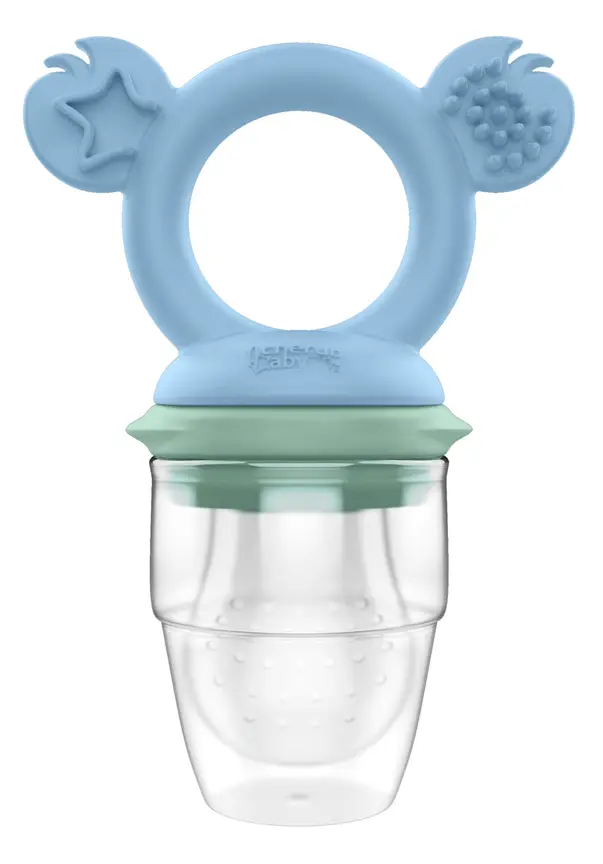


Cherub Baby Silicone Fresh Food Feeder
A silicone teat-style feeder. Babies can chew soft fruit or frozen breast milk through it.
Read our full review →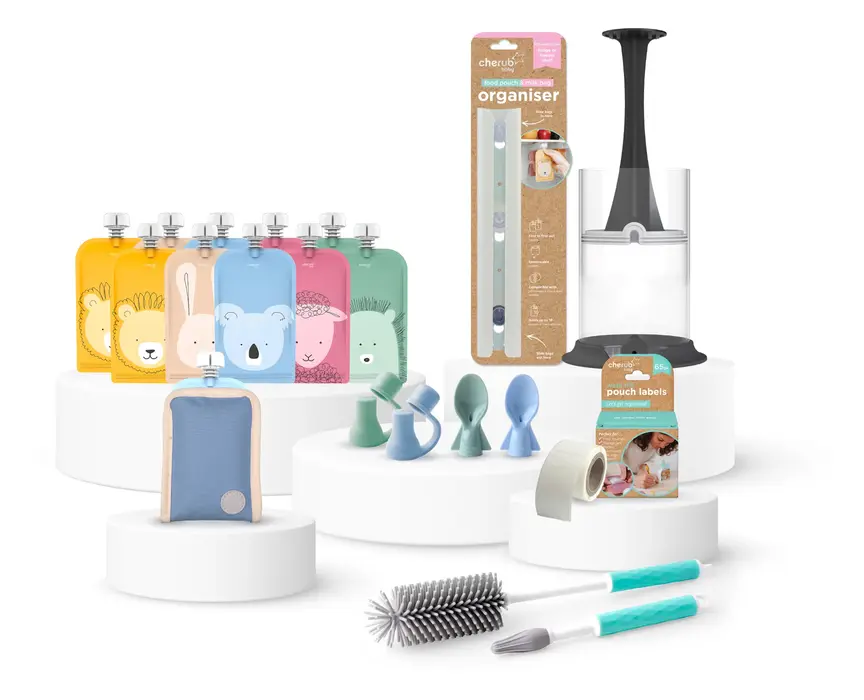


Cherub Baby Reusable Food Pouch Bundle
A kit of reusable silicone food pouches with a wide opening and double zip seal. They go in the dishwasher.
Read our full review →
Cherub Baby Pouch Filling Station
A 700 mL glass jug with a plunger to fill reusable food pouches with less mess.
Frequently asked questions
Do I really need a baby food maker?
No, you do not need one. A saucepan, a metal steamer basket, and a fork or stick blender can make the exact same food. A baby food maker is just a convenience tool. It saves washing up when making small daily batches and keeps everything in one compact spot on the bench.
Is steaming better than boiling for baby food?
Yes, steaming is often better for keeping vitamins in vegetables. When you boil vegetables in a pot of water, water-soluble vitamins like vitamin C can leak out into the cooking water. Research shows steaming helps vegetables hold onto more of their nutrients. It also keeps flavour bright without making food watery.
Can I use a baby food maker for meat and fish?
Yes, most steam-and-blend baby food makers can cook diced meat, chicken, and boneless fish. Cut meat into small, even cubes so it cooks all the way through. Always check that meat is piping hot inside with no pink bits before blending. Remove all bones from fish carefully before and after cooking.
How long can I keep homemade baby food in the fridge or freezer?
Keep fresh homemade baby food in the fridge for up to 24 to 48 hours, depending on the ingredients. Use meat, fish, and egg purees within 24 hours. Frozen portions in sealed, labelled containers usually keep well in the freezer for about 1 to 3 months. Always check that food smells fresh and reheat it until steaming hot before cooling to serve.
Are plastic baby food maker bowls safe?
Reputable brands use food-grade, BPA-free plastics designed to handle steam heat. However, plastic can scratch over time from sharp blades and absorb stains from tomato or pumpkin. If you prefer to avoid heated plastic altogether, choose a baby food maker with a glass bowl and a stainless steel steaming basket.
When can my baby stop eating purees?
Most babies move quickly from smooth purees to mashed and finger foods between 6 and 9 months. You do not need to wait for teeth. Babies can mash soft cooked vegetables, ripe fruit, and minced meat with their gums. By 12 months, most toddlers eat chopped family meals and no longer need blended purees.
Sources
- Raising Children Network – How to make baby food: in pictures
- Pregnancy, Birth and Baby – Food preparation and safety
- Food Standards Australia New Zealand – Bisphenol A (BPA)
- NHS Best Start in Life (UK) – Storing and reheating food
- NHS – Children's food: safety and hygiene
- American Academy of Pediatrics (US) – Starting solid foods
- U.S. FDA – Bisphenol A (BPA): use in food contact application
- Caring for Kids (Canadian Paediatric Society) – Feeding your baby in the first year
Related guides
More Feeding & Baby Food →
How to Choose a Baby Food Maker: Types, Safety, and What You Actually Need

Baby Food Makers: How to Choose, Prepare and Store Baby Food Safely

How to Choose a Baby Bib: Fit, Materials, Cleaning and Safety