Baby Snack Catchers: How to Choose and Use One Safely
Learn when a baby can use a snack catcher, what to check before buying, and how to serve snacks safely at home or on the go.
On this page
- What a baby snack catcher does
- When your child may be ready
- Choosing a snack catcher
- Snack catcher or another way to serve food?
- Choose food carefully
- Safe use at home and on the go
- Cleaning and storing the cup
- Food, travel, and food safety
- Age and skill stages
- Official advice across four countries
- Common mistakes to avoid
- Frequently asked questions
- Sources and further guidance
- Sources
Short answer: A baby snack catcher is a small cup or tub with a soft opening. It can help keep some snacks in one place. It cannot stop every spill. It is not a feeding aid for young babies, and it does not make eating safe without an adult nearby. Wait until your child can sit upright, pick up food, and eat suitable finger foods. Keep them seated and watch them while they eat. Check the cup for damage, clean it well, and follow the maker’s age and care instructions.
In Australia, the UK, the US, and Canada, safe feeding advice starts with a child’s readiness, safe food, and close adult supervision. A snack catcher is optional. A bowl, plate, or small open cup may work just as well at home.
What a baby snack catcher does
A snack catcher is a reusable container with an opening that lets a child reach inside. Many have a soft flap or petals over the opening. The flaps may reduce spills when a child carries or tips the container. They do not seal it. Food can still fall out, especially if the cup is shaken, dropped, or turned upside down.
Some cups have handles. Others look like small tubs. The shape, opening, material, and cleaning steps vary. Read the label and care guide for the specific cup. Do not assume that every product is safe for every age or type of food.
A snack catcher can hold dry snacks during a short trip or at home. It may also help an older baby practise picking up food. It does not teach a child to eat safely by itself. It does not prevent choking, control how much a child eats, or replace an adult’s attention.
When your child may be ready
Age alone cannot show whether a baby is ready for finger foods. Babies develop at different rates. Many are ready to start solid foods at about six months. Look for signs such as sitting upright with steady head control, reaching for food, and bringing objects to the mouth. Ask a health professional if you are unsure.
Starting solids and using a snack catcher are separate choices. A baby may be ready to try soft foods while still needing an adult to offer each piece. A catcher is most useful when a child can sit safely, grasp food, and bring it to the mouth with growing control.
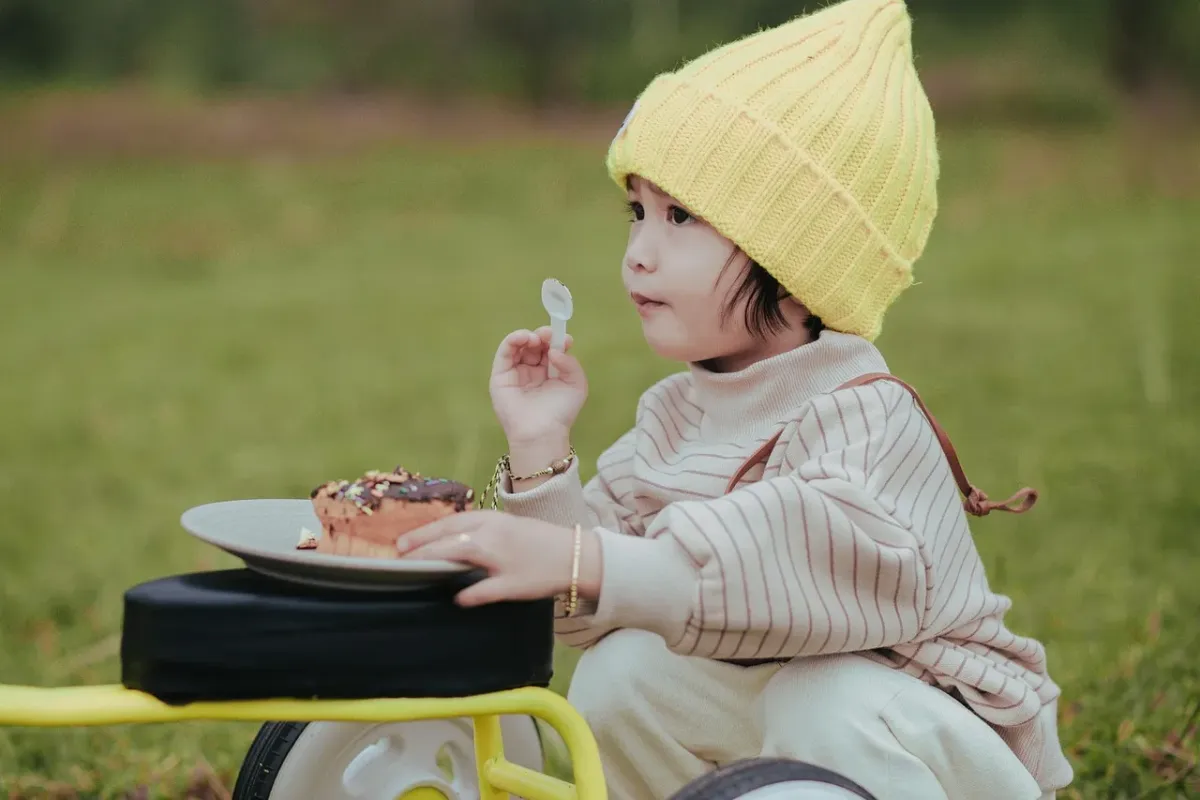
For early meals, an adult can place a small amount of suitable food on a clean plate or directly on the highchair tray. Stay close and watch. Let the baby explore at their own pace. Do not put food into a baby’s mouth when they are lying down, walking, crawling, or riding in a moving vehicle.
If your child was born early, has trouble swallowing, has a health condition, or has had a choking event, ask their doctor or feeding specialist for personal advice. They may need a different plan for food shapes and textures.
Choosing a snack catcher
Choose a cup that suits your child’s skills and the foods you plan to offer. Look for a simple design that you can inspect and clean. The cup should be easy for an adult to open. Check that no part is loose, cracked, sticky, or sharp.
- Check the age guidance. Follow the age range and use instructions on the product. If the label is missing or unclear, choose another cup.
- Look at the opening. It should let a child reach the food without forcing their hand through a tight or damaged flap.
- Check the parts. Handles, lids, and flaps should stay attached during normal use. Stop using the cup if a part comes loose.
- Read the cleaning guide. Make sure you can wash every surface that touches food, including under the flaps.
- Check heat instructions. Do not microwave or heat a cup unless the maker clearly says it is safe for that use.
- Check the material details. Use the maker’s information about food contact and care. Do not rely on broad claims such as “non-toxic” without clear product details.
- Choose a manageable size. A light cup may be easier for small hands to hold. A larger cup may be harder to carry or clean.
- Check recalls. Search your country’s product recall service before buying used gear, and check again if a safety notice appears.
A low price or bright colour does not show that a cup is safe or useful. A high price does not prove better quality. Choose based on clear instructions, sound construction, and easy cleaning.
Snack catcher or another way to serve food?
There is no single best container for every meal. Think about where your child will eat, what food you are serving, and whether you can clean the item well.
| Option | May suit | Limits to remember |
|---|---|---|
| Snack catcher | Dry, suitable snacks when a child can sit and reach inside | May spill when tipped. Flaps need careful cleaning. It does not prevent choking. |
| Small bowl | Home meals with an adult beside the child | Can tip or slide. The adult still needs to supervise. |
| Plate or highchair tray | Placing a few soft, suitable pieces within reach | Food may be dropped or pushed. Clean the tray before and after use. |
| Adult-offered snack | Early practice or foods that need close portion control | Stay close. Let the child take the food at their own pace. |
| Sealed food container | Carrying food in a bag before snack time | Open it before eating. Do not let a child chew on a lid or eat while moving. |
For a short trip, you can pack a small amount in a clean container and offer it once your child is seated. A snack catcher is not a reason to let a child eat while walking, playing, or riding in a car seat. In a vehicle, wait until the car is safely parked and an adult can supervise the child eating.
Choose food carefully
The container does not make a food safe. A food that is too hard, round, sticky, or large may be difficult for a young child to manage. Serve food in a form suited to your child’s age and skills. Stay with your child during every meal and snack.
Offer a range of suitable foods. Follow trusted feeding advice in your country. For a baby starting solids, foods should be soft enough to mash with a fork, or prepared in another safe shape for that baby. Avoid hard pieces and whole round foods that can block the airway. Cut or prepare foods as advised by a health professional or trusted feeding guide.
Do not place loose small objects in the cup. Keep non-food items, including toy pieces and coins, away from snack time. A child may reach into the cup without knowing what is inside.
Consider allergies and your child’s health needs. Follow your health professional’s advice on introducing foods, especially if your baby has eczema, a known allergy, or a family history that raises concern. A snack cup does not change allergy guidance.
Safe use at home and on the go
Use the cup only while your child is seated upright in a stable place, such as a suitable highchair. Keep the chair on a level floor and use its straps as directed. An adult should remain within reach. Do not attach the cup to a cord around the child’s neck, wrist, or clothing.
Before each use, look over the cup. Check the lid, handles, seams, and soft flaps. Do not use it if it is cracked, torn, warped, or missing a part. Small pieces can come loose and become a choking risk.
Offer a small amount of food. You can refill it if needed. This makes it easier to see what your child has eaten and to keep food fresh. A snack catcher does not provide portion control by itself. Children’s appetites vary from day to day. Follow your child’s hunger and fullness cues.
Stay close while your child eats. Do not leave them alone with the cup, even for a short time. Avoid eating in a pram while moving, during active play, or in a car seat. A child who is eating needs an adult who can see and respond quickly.
Keep the cup away from pets. A pet may grab food or startle the child. Clear dropped food from the floor after the meal.
Cleaning and storing the cup
Wash the cup before first use and after each use. Follow the maker’s instructions. Take apart removable parts only when the instructions allow it. Wash around and beneath soft flaps, where food can stick. Rinse away soap and let every part dry fully before putting it back together.
Do not assume that a cup is dishwasher-safe, microwave-safe, or safe to boil. Heat can change some materials or damage parts. Use only cleaning methods listed by the maker. If food or liquid is trapped where you cannot clean it, stop using the cup.
Do not store wet food in the cup for long periods. Refrigerate perishable food promptly, using local food safety advice. Throw away food that has been left out too long or that has been touched repeatedly by a child. Do not top up old food with fresh food.
Check the cup from time to time, even if it looks fine at first. Replace it if the opening tears, the material becomes sticky, or the lid no longer fits securely. Follow any recall notice and stop using a recalled item.
Food, travel, and food safety
A snack catcher is for serving food. It is not a cooler or a way to keep food safe during a long journey. Use an insulated bag or other suitable storage when needed. Follow the food’s storage directions and local food safety advice.
Wash your hands before preparing food and after changing nappies or handling rubbish. Use a clean cup and clean surfaces. Keep raw foods separate from ready-to-eat foods. If you are packing food for childcare, write your child’s name on the container when asked, and share allergy information with the carers.
For babies who drink expressed breastmilk or formula, a snack catcher is not a bottle or feeding device. Follow official advice on preparing, storing, and transporting milk. Do not put milk or formula in a snack cup unless the maker says it is designed for that use and your health professional agrees.
Age and skill stages
These stages are a guide, not a schedule. A child’s skills matter more than a birthday. Ask a health professional if eating seems difficult or unsafe.
| Stage | What may help | How to use a catcher |
|---|---|---|
| Before starting solids | Milk feeds and responsive care | No snack catcher is needed. |
| Starting solids | Small tastes of suitable food, with an adult close by | A plate, tray, or adult-offered food may be easier to manage. |
| Practising finger foods | Soft foods and time to explore while seated | Try a catcher only if the child can reach in and the food is suitable. |
| Older baby or toddler | Growing independence with an adult still present | Let the child hold the cup while seated. Refill and clean it as needed. |
Some children never need a snack catcher. Others enjoy using one for a short time. If the cup frustrates your child or makes eating harder, put it away and use a simpler option.
Official advice across four countries
The main safety points are similar across these countries: offer suitable food, seat the child upright, supervise closely, and keep the eating space clean. The official sources below give feeding advice. They do not endorse a specific snack catcher.
| Country | Official bodies and guidance | How it applies here |
|---|---|---|
| Australia | NHMRC, Pregnancy, Birth and Baby, and Food Safety Information Council | Use infant feeding guidance for readiness and food choices. Follow food safety advice when preparing and storing snacks. |
| United Kingdom | NHS and the Food Standards Agency | Use NHS guidance on first foods and children’s food hygiene. Follow advice for safe preparation and storage. |
| United States | American Academy of Pediatrics, CDC, and FoodSafety.gov | Use paediatric guidance on starting solids and choking prevention. Follow food safety advice for young children. |
| Canada | Health Canada and the Canadian Paediatric Society | Use national and paediatric advice on feeding in the first year and age-appropriate foods. |
Product rules can differ between countries. Look for clear maker details and check local recall notices. Do not assume that a product sold online meets the rules where you live.
Common mistakes to avoid
- Calling it spill-proof. The opening may reduce spills, but food can still fall out.
- Using it before a baby is ready for solids. A cup does not make a baby ready to eat.
- Letting a child eat while moving. Sit the child upright in a safe place first.
- Leaving a child alone. Close adult supervision remains essential.
- Putting unsuitable food inside. Choose food and shapes that match the child’s skills.
- Using a damaged cup. Cracks and torn flaps can trap food or release pieces.
- Skipping cleaning under the flaps. Food can collect in hidden spots.
- Assuming it controls portions. You choose what and how much to offer.
- Heating without checking. Use heat only if the maker clearly allows it.
- Trusting broad safety claims. Read the care, age, and material details.
Frequently asked questions
At what age can a baby use a snack catcher?
There is no single age that fits every child. Wait until your baby is ready for solid foods and can sit upright with support, reach for food, and bring it to the mouth. Many babies start solids at about six months. Ask your health professional if you are unsure.
Does a snack catcher prevent choking?
No. It only holds food. It cannot make a food safe or stop choking. Choose foods suited to your child’s skills, keep them seated upright, and watch them closely while they eat.
Can my child use one in a pram or car seat?
Do not let a child eat while the pram is moving or while they are in a car seat. Wait until the child is seated safely in a place where an adult can supervise. In a car, stop in a safe place before offering food.
Are snack catchers really spill-proof?
No container with an open reach-in top can guarantee no spills. The flaps may reduce spills during normal use. Food can still come out if the cup tips, shakes, or falls.
Can I put any snack in the cup?
No. Choose only foods that are suitable for your child’s age and eating skills. Avoid foods that are hard, round, sticky, or otherwise difficult for your child to manage. Follow feeding advice from a trusted health source.
How often should I wash it?
Wash it before first use and after every use. Clean beneath the flaps and in any removable parts. Follow the maker’s instructions, and let the cup dry fully before storing it.
Can I put the cup in a dishwasher or microwave?
Only if the maker’s instructions clearly say it is safe. The material and parts differ between products. Heat can damage some cups and lids.
Does a snack catcher help with portion control?
Not by itself. You choose the food and the amount you offer. Start with a small serving and follow your child’s hunger and fullness cues.
What should I do if a flap tears?
Stop using the cup. A torn flap may come loose or trap food. Replace it only with a part approved by the maker, if one is available.
Is a snack catcher essential baby gear?
No. It is an optional container. A clean plate, bowl, or highchair tray may work well. Pick the option that is easiest to supervise and clean.
Sources and further guidance
- NHMRC – Infant Feeding Guidelines
- Pregnancy, Birth and Baby – Introducing solid food
- NHS – Your baby’s first solid foods
- American Academy of Pediatrics – Starting solid foods
- Canadian Paediatric Society – Feeding your baby in the first year
- FoodSafety.gov – Food safety for children under five
- Food Safety Information Council – Infants and young children
Disclaimer: This article offers general information, not medical advice. Ask your child’s doctor or health professional about feeding concerns, choking risks, allergies, or special health needs. BabyGearFinder may earn a commission from some links. This does not change the price you pay.
Sources
- NHMRC – Infant Feeding Guidelines
- Pregnancy, Birth and Baby – Introducing solid food
- NHS – Your baby's first solid foods
- American Academy of Pediatrics (US) – Starting solid foods
- Caring for Kids (Canadian Paediatric Society) – Feeding your baby in the first year
- FoodSafety.gov (US) – Food safety for children under five
- Food Safety Information Council (Australia) – Infants and young children
Related guides
More Feeding & Baby Food →
How to Choose and Use a Baby Bottle Safely
Baby Bottle Drying Racks: How to Choose and Use One Safely

Baby Food Makers: How to Choose, Prepare and Store Baby Food Safely