














How to Choose Safe Dish Soap for Baby Bottles, Pump Parts and Dishes
Learn how to choose a safe, gentle dishwashing liquid for baby bottles, breast pump parts and toddler dishes, plus how to wash and rinse them properly.

On this page
- Key points
- Why washing baby bottles and dishes properly matters
- Do you need a special "baby" dish soap?
- How different types of dish soap compare
- Ingredients to look for and ingredients to avoid
- How official advice compares in Australia, the UK, the US and Canada
- Step-by-step: how to wash baby bottles, teats and breast pump parts
- Why silicone bowls, spoons and bibs smell like soap (and how to fix i…
- Can you wash baby items in the dishwasher?
- Cleaning requirements by age and stage
- Dealing with hard water, cloudy film and milk grease
- Cleaning brushes, sponges and drying racks
- Materials guide: plastic, glass, silicone and bamboo
- Common mistakes to avoid
- Quick checklist for buying baby dish soap
- Frequently asked questions
- Sources
Short answer: You do not need a special "baby" dish soap to keep your baby safe. Any plain, mild dishwashing liquid that cuts through milk fat will work well. Just make sure it rinses off cleanly. Pick a liquid with no strong scents, artificial dyes, or harsh antibacterial chemicals. How you wash and rinse matters just as much as the soap you buy. Always take bottles and breast pump parts completely apart before washing. Scrub them in warm soapy water with a clean brush. Then rinse every piece under running water so no soap film stays behind.
Health authorities in Australia, the UK, the US, and Canada all share the same core rule. In Australia, this includes the Raising Children Network, the NHMRC, and the Australian Breastfeeding Association. In the UK, it is the NHS. In the US, it is the CDC and the American Academy of Pediatrics. In Canada, it is Health Canada and the Canadian Paediatric Society. All of them say to wash every feeding item in warm, soapy water right after use. Rinse it well, and sterilise bottles and teats for young babies when required.
Key points
- No special label needed: Normal household dishwashing liquid is fine if it is mild and rinses clean.
- Skip strong scents: Fragrance-free soap stops silicone teats, spoons, and bowls from soaking up a soapy smell.
- Skip antibacterial soaps: You do not need antibacterial agents in dish soap. Plain soap, warm water, and proper sterilising do the job safely.
- Cut the milk fat: Breastmilk and formula contain fats that stick to plastic and silicone. Your soap needs mild surfactants. These are cleaning ingredients that lift grease into water so milk film does not stay behind.
- Rinse under running water: Soap residue comes from poor rinsing or using too much detergent. It does not just come from the brand of soap you pick.
- Washing comes before sterilising: No steriliser can clean off dried milk. You must scrub with soap and water first.
Why washing baby bottles and dishes properly matters
Babies have young immune systems. Their bodies are still learning to fight off germs. Milk is warm, sweet, and full of fat and protein. Sometimes a tiny drop of milk stays stuck inside a bottle ring, teat hole, or pump valve. When that happens, germs can grow in it very fast.
Water alone cannot wash milk away. Milk contains natural fats and oils. These fats cling tightly to plastic, glass, and silicone. Cold or warm water by itself just slides over that greasy film. Dish soap works because it contains surfactants. A surfactant is a simple cleaning ingredient. One end of it grabs onto grease and milk fat. The other end grabs onto water. When you scrub and rinse, the water pulls the soap and trapped fat right down the drain.
At the same time, everything you wash goes straight into your baby's mouth. Teats, dummies, sippy cup spouts, and soft spoons touch their lips, tongue, and gums many times a day. Heavy perfumes, bitter flavours, or harsh chemicals can stay behind on poorly rinsed dishes. If that happens, your baby may refuse the bottle or turn away from solid food. A gentle, clean-rinsing soap solves both problems at once. It strips away milk grease so germs have nowhere to hide. It also leaves nothing behind on the feeding gear.
Do you need a special "baby" dish soap?
Walk down the baby aisle in any supermarket or chemist. You will see bottles of dish liquid made just for baby gear. Now walk down the normal cleaning aisle. You will see sensitive or fragrance-free dish soaps for half the price. Parents often wonder if there is a real difference.
Official health bodies do not tell parents to buy a separate baby-branded detergent. In Australia, the Raising Children Network and the Australian Breastfeeding Association give simple advice. They say to wash bottles, teats, and pump parts in warm soapy water using a mild detergent. In the UK, the NHS says to clean bottles and teats in hot, soapy water right after a feed. In the US, the Centers for Disease Control and Prevention (CDC) gives the same practical advice. In Canada, the Canadian Paediatric Society and Health Canada also recommend warm water and plain dish soap.
A good "baby" dish soap really just gives you a shortcut. It is usually already made without perfumes, bright colours, or heavy skin irritants. It is also often thinner. That thin texture helps it rinse off silicone teats very quickly. Still, a standard household dishwashing liquid labelled "free and clear", "sensitive", or "fragrance-free" does the exact same job. You can use one good fragrance-free dish soap for the whole family's plates, pots, and baby bottles.
How different types of dish soap compare
Not all kitchen soaps work the same way on plastic bottles, glass jars, and silicone tableware. This table shows how the main options stack up for everyday baby care.
| Type of soap | How well it cuts milk fat | How cleanly it rinses | Leaves smell on silicone? | Good for baby items? |
|---|---|---|---|---|
| Fragrance-free baby dish liquid | Good on fresh milk and formula. | Very easy to rinse off. | No. | Yes, great choice. |
| Fragrance-free sensitive household dish liquid | Very good on milk fat and food grease. | Rinses well if you use a small drop. | No. | Yes, great choice and good value. |
| Standard scented household dish liquid | Very strong grease cutting. | Takes extra rinsing due to thick foam. | Yes, silicone absorbs the scent fast. | Not ideal for teats, spoons, or silicone bowls. |
| Antibacterial dish soap | Good on grease. | Leaves antibacterial agents if not rinsed well. | Often heavily scented. | No, not needed and best avoided. |
| Pure castile soap (liquid vegetable oil soap) | Mild on grease. | Can leave cloudy soap scum in hard water. | Unscented versions have no smell. | Fair, but leaves film in hard tap water. |
| Fragrance-free dishwasher tablets or powder | Strong cleaning with hot water jets. | Rinses well on a full cycle. | No, if unscented. | Yes, for top-rack dishwasher-safe items. |
| Scented dishwasher pods with rinse aid | Strong cleaning. | Leaves a shine coating and strong smell. | Yes, very strong smell on silicone. | Avoid for silicone plates, cups, and teats. |
Ingredients to look for and ingredients to avoid
Checking a dish soap label can feel hard. Companies often use long chemical names. You do not need a science degree to read the back of the bottle. Just look for a few simple markers.
What you want in a bottle and dish soap
- Clear ingredient list: Good brands list every ingredient on the bottle in plain print. They do not hide behind vague words like "cleaning agents".
- Mild plant-derived or gentle synthetic surfactants: Look for gentle cleaners made from coconut, corn, or sugar. Their names often end in "glucoside" or "betaine". They clean milk fats gently without drying out the skin on your hands.
- Fragrance-free formula: Look for the words "fragrance-free" rather than "unscented". Sometimes an "unscented" product still holds a masking chemical to hide raw soap smells. "Fragrance-free" means no scent chemicals were added at all.
- Dye-free liquid: The soap should look clear like water. A very pale tint from natural ingredients is also fine.
- Gentle on skin: You will wash baby bottles many times a day. A hypoallergenic or dermatologist-tested soap stops your hands from cracking and drying out.
What to skip when shopping
- Synthetic fragrances and parfum: The single word "fragrance" or "parfum" on a label can hide dozens of scent chemicals. These scents cling to silicone teats, dummies, and suction bowls. They can also bother sensitive skin.
- Essential oils in high amounts: Natural scents like citrus, lavender, eucalyptus, or tea tree oil smell nice in a kitchen. However, they are still strong oils. They stick to silicone feeding gear and change the taste of milk. They can also irritate a baby's skin or mouth.
- Triclosan and other antibacterial chemicals: Triclosan and similar antibacterial additives do not belong in baby dish soap. They are linked to hormone concerns and antibiotic-resistant germs. Plain soap lifts germs off surfaces physically so they wash down the sink.
- Harsh foaming sulphates in high amounts: Strong foaming agents make big bubbles. Big bubbles make parents think the water is cleaner. In truth, bubbles do not clean better. They just take more water to rinse away and dry out your hands.
- Artificial colours and dyes: Blue, green, or pink dyes do zero cleaning work. There is no reason to put food or bottle gear into dyed water.
- Chlorine bleach or ammonia: Never use harsh household bleach or spray cleaners on baby dishes, highchair trays, or bottles. Only use cold-water sterilising tablets that are made specifically for baby feeding equipment, and follow the packet directions carefully.
How official advice compares in Australia, the UK, the US and Canada
Safety regulators and health departments across Australia, the UK, the US, and Canada give very similar instructions. They all agree on how to wash baby feeding gear. There are only small differences in when you can stop sterilising and rely on soap and water alone.
| Country | Official bodies | Washing rule | Sterilising and dish soap guidance |
|---|---|---|---|
| Australia | NHMRC, Raising Children Network, Australian Breastfeeding Association, Food Safety Information Council. | Wash bottles, teats, and caps in warm soapy water with a bottle brush right after every feed. Rinse well in clean water. | Sterilise all bottle-feeding gear for the first 12 months. Breast pump parts for healthy full-term babies can often be washed in warm soapy water, rinsed, and air-dried. |
| United Kingdom | NHS, Office for Product Safety and Standards (OPSS). | Clean bottles, teats, and feeding equipment in hot, soapy water right after feeds using a clean bottle brush. | Sterilise all feeding equipment until your baby is at least 12 months old. Do this for both formula and expressed breastmilk. |
| United States | CDC, FDA, American Academy of Pediatrics (AAP), CPSC. | Take apart all bottle and pump pieces. Wash in a clean basin with warm water and soap. Scrub with a baby-only brush and rinse under running water. | Sanitise daily for babies under 2 months, premature babies, or babies with weak immune systems. Older, healthy babies usually only need hot soapy washes. |
| Canada | Health Canada, Canadian Paediatric Society (Caring for Kids). | Wash bottles, nipples, caps, and feeding tools in hot, soapy water using a clean bottle brush. Rinse well with hot water. | Sterilise bottles and equipment before use. This is vital in the early months and whenever making powdered formula. |
Notice one major tip from the US CDC that helps parents everywhere. Never place baby bottles, teats, or breast pump parts directly on the bottom of your kitchen sink. Kitchen sinks hold raw food germs from meat, unwashed vegetables, and dirty hands. Always use a separate clean plastic wash basin (tub). Sit it inside the sink and keep it only for baby gear.
Step-by-step: how to wash baby bottles, teats and breast pump parts
Even the safest dish soap will fail if old milk hides in the bottle threads. It can also hide inside a tiny breast pump valve. Follow this simple routine every time.
- Wash your hands first. Scrub your hands with soap and warm water for 20 seconds. Dry them on a clean towel before you touch any feeding equipment.
- Rinse right after the feed. Tip out any leftover formula or milk as soon as the feed ends. Rinse the bottle, ring, and teat under cool running water. Cool water stops milk protein from setting and sticking to the plastic before the full wash.
- Take every single piece apart. Unscrew the collar from the bottle. Pop the silicone teat out of the collar ring. Pull apart any internal vents, tubes, or base valves in anti-colic bottles. For breast pumps, separate the flanges, duckbill valves, membranes, backflow protectors, and bottles.
- Fill a clean wash tub. Place your dedicated baby wash basin into the sink. Fill it with warm water and a small squirt of fragrance-free dish soap. Using too much soap makes rinsing harder. A small squeeze is plenty.
- Scrub with a dedicated bottle brush. Use a clean brush that is only ever used on baby feeding items. Scrub the inside walls and bottom corners of the bottle. Scrub the screw threads on the bottle neck and inside the collar ring. Old milk loves to hide in those grooves.
- Clean the teat and tiny valves carefully. Use a small teat brush or clean fingers to wash inside the silicone teat. Gently squeeze soapy water through the teat hole. This ensures it is not blocked with milk curds. Be gentle with silicone teat holes and delicate duckbill pump valves. Do not poke sharp metal wire brushes through them. Tiny tears can change the milk flow or ruin your pump suction.
- Rinse under clean running water. Hold each piece under warm or cold running water. You can also rinse them in a second clean tub of fresh water. Never leave soap bubbles sitting on the items.
- Check for damage. Pull gently on silicone teats while rinsing. Inspect plastic and glass bottles too. Throw away any teat that looks sticky, swollen, cracked, or torn.
- Sterilise or air-dry. Move the clean, rinsed bottles straight into your steriliser if your baby still needs sterilised gear. You can use a steam, boiling, or cold-water steriliser. Are you air-drying toddler plates or pump parts instead? Place them upside down on a clean paper towel or a dedicated drying rack. Pick a dust-free spot away from kitchen splashes. Never dry inside baby bottles with a used kitchen tea towel. Tea towels carry germs and lint.
Why silicone bowls, spoons and bibs smell like soap (and how to fix it)
Babies usually start eating solid foods around six months of age. Many families switch to silicone suction bowls, divided plates, soft spoons, bibs, and straw cups. Soon after, parents often notice something annoying. The scrambled eggs or mashed banana tastes like dish soap.
Food-grade silicone is safe, soft, and durable. However, its surface has tiny, microscopic pores. Hot water, food oils, and scented detergents make those tiny pores open up a little. They trap fragrance oils and rinse-aid chemicals inside the silicone. Dishwashers make this problem much worse. They mix high heat, long wash times, and strongly scented tablets.
How to prevent soapy-tasting silicone
- Wash silicone bowls, plates, bibs, and cups by hand right after meals.
- Use warm water and a fragrance-free liquid dish soap.
- Do not leave silicone dishes soaking overnight in soapy water.
- Use fragrance-free powder or tablets if you put silicone on the top dishwasher rack.
- Turn off the liquid rinse-aid dispenser in your dishwasher if you can.
How to remove soap smell and white buildup from silicone
What if your baby's silicone dishes already smell like floral soap or have a chalky white film? You can usually rescue them at home with simple pantry items.
- Baking soda paste: Mix bicarbonate of soda (baking soda) with a little warm water. Make a thick paste. Rub it all over the silicone bowl or spoon. Let it sit for 20 to 30 minutes. Scrub it off and rinse well in hot water.
- Vinegar and hot water soak: Mix plain white household vinegar into a bowl of warm water. Soak the silicone items for 30 minutes. Then wash them with fragrance-free soap and rinse well.
- Boiling water bath: Check that the item is 100% food-grade silicone with no plastic clips or wood attached. Place it into a pot of boiling water for a few minutes. The heat helps release trapped oils. Lift the pieces out carefully with tongs and let them cool.
Can you wash baby items in the dishwasher?
A dishwasher can save tired parents a lot of time. Just follow a few simple safety checks first.
- Check the manufacturer label: Make sure the bottle, cup, pump part, or plate says "dishwasher-safe (top rack only)". Thin plastics and some breast pump membranes can warp in high heat.
- Use the top rack only: The heating element in many dishwashers sits at the bottom. Keep plastic bottles and silicone parts on the top rack so they do not melt.
- Use a dishwasher basket for small parts: Put teats, rings, valves, straws, and dummies inside a closed mesh dishwasher basket. This stops them falling onto the heating element or into the drain filter.
- Choose fragrance-free dishwasher detergent: Standard dishwasher pods are very strong and heavily perfumed. Switch to a fragrance-free, dye-free tablet or powder. Your baby's cups will not come out smelling of lemon chemicals.
- Keep dishwasher pods locked away: Health authorities in Australia, the UK, the US, and Canada issue regular warnings about dishwasher pods. Brightly coloured pods look like lollies or teething toys to a baby or toddler. Biting one can cause severe burns to the mouth, throat, and airways. It can also cause serious eye injuries. Always store dishwasher tablets and liquid soaps high up or behind a child-proof cupboard lock.
- Dishwashers do not replace sterilisers for young babies: The UK NHS points out an important rule. A home dishwasher cleans dishes well, but it does not reliably sterilise bottles for babies under 12 months. Run a proper steriliser after the dishwasher cycle if your baby still needs sterilised bottles.
Cleaning requirements by age and stage
How you wash and what soap you use stays simple from birth through toddlerhood. Still, your daily routine gets easier as your child grows.
| Age or stage | What your baby uses | How to wash and care for items |
|---|---|---|
| Newborn to 3 months (plus premature or unwell babies) | Bottles, slow-flow teats, dummies, breast pump parts, medicine syringes. | Highest care needed. Take all pieces apart right after every feed. Wash in a clean baby tub with warm water and fragrance-free dish soap. Scrub with a baby-only brush, rinse under running water, and sterilise before the next use. |
| 3 to 6 months | Bottles, teats, teething rings, dummies, pump parts. | Keep washing in a dedicated tub with fragrance-free dish soap and rinsing well. In Australia and the UK, keep sterilising all bottle gear. Wash water-filled teethers in warm soapy water only, as hot sterilisers can damage them. |
| 6 to 12 months (starting solids) | Bottles, sippy or open cups, soft spoons, suction bowls, highchair trays, bibs. | Wash solid-food bowls, spoons, and highchair trays in hot soapy water after every meal. Let them air-dry. Use fragrance-free soap so silicone bowls do not absorb perfume. In Australia and the UK, keep sterilising milk bottles until 12 months. |
| 12 months and older (toddlers) | Straw cups, open cups, plates, cutlery, snack boxes, drink bottles. | Sterilising is no longer needed for healthy toddlers. Wash dishes and cups with the family dishes using gentle, fragrance-free soap. Pull straw cups and valve lids completely apart every day so mould cannot grow inside. |
Dealing with hard water, cloudy film and milk grease
Sometimes parents switch to a gentle, plant-based dish soap and spot a white, chalky coating on dry plastic bottles. Usually, this is not leftover soap. It is mineral scale from hard tap water, or a mix of minerals and pure soap scum.
- If you use pure castile soap: True soaps made from vegetable oils react with calcium and magnesium in hard tap water. This reaction leaves a waxy white film. Switch to a gentle, fragrance-free detergent made with non-soap plant surfactants. That stops the film right away.
- If mineral scale builds up during boiling or steaming: Tap water minerals often leave a harmless dusty white coat when you boil bottles or run a steam steriliser. Wipe the heating plate of your steam steriliser with plain white vinegar and water. Check the manual first. You can also rinse boiled bottles with cooled boiled water.
- If bottles still feel greasy inside: Breastmilk fat rises and sticks to bottle walls in the fridge. Swirl the chilled bottle gently before pouring. Then wash empty bottles in warm soapy water, not cold water. Warm water melts the milk fat so the suds can lift it away.
Cleaning brushes, sponges and drying racks
Even the cleanest dish soap cannot help if your scrubbing tool is full of old germs. Kitchen sponges are among the dirtiest items in any home. They stay damp, warm, and full of food bits.
- Never use the family kitchen sponge on baby bottles: The sponge you use to wipe benches or scrub meat pans should never touch baby gear. Keep it away from bottles, teats, and breast pump flanges.
- Use a dedicated bottle and teat brush: Choose a nylon bristle brush or a silicone bottle brush. Pick one with no porous foam sponge tip on the end. Foam tips trap dirty water and tear easily.
- Wash and dry the brush after every use: Rinse the bottle brush under running water after washing. Shake off the extra drops. Stand it upright in a holder so air can flow around the bristles.
- Sanitise or replace brushes often: Run dishwasher-safe or steam-safe bottle brushes through the steriliser or top rack regularly. Replace bottle brushes every couple of months. Throw them out sooner if bristles look bent, discoloured, or slimy.
- Clean the wash tub and drying rack: Wash your baby dish basin and drying rack in hot soapy water every few days. Let them dry completely so mould or pink water slime cannot grow in the corners.
Materials guide: plastic, glass, silicone and bamboo
Baby feeding gear comes in several common materials. Each one reacts a little differently to dish soap and water heat.
- Polypropylene (PP) and other BPA-free plastics: These are light and hard to break, but they scratch easily. Food Standards Australia New Zealand (FSANZ), the US FDA, Health Canada, and UK regulators all check food-contact plastics. Studies show that very high heat and rough scrubbing can wear down polypropylene bottles over time. This wear can release tiny plastic particles. Wash plastic bottles with a soft brush or silicone brush. Rinse them well with cool or warm water after sterilising. Replace plastic bottles if the inside looks scratched, cloudy, or worn.
- Glass bottles: Glass does not scratch easily. It never holds onto soap smells, and it cleans very easily in warm soapy water. Check glass bottles for tiny chips or cracks on the rim every time you wash them.
- Silicone teats, valves, bowls and spoons: Silicone is flexible and durable, but it absorbs scent oils quickly. Always pair silicone with fragrance-free, dye-free dish soap.
- Stainless steel cups and bowls: Steel is very easy to clean with any mild dish soap. It will not hold odours or food stains. Never put stainless steel into a microwave steriliser.
- Bamboo plates and wooden spoons: Many toddler plates are made from natural bamboo glued with plant resins. Do not soak wooden or bamboo plates in a tub of soapy water. Never put them in a dishwasher or steam steriliser. Wash them quickly by hand with mild dish soap and rinse right away. Stand them up to dry so the wood does not swell or crack.
Common mistakes to avoid
- Leaving milk bottles sitting unwashed overnight: Milk fat and protein dry into a tough crust. That crust is much harder to scrub off the next morning. Are you exhausted after a late night feed? Tip out the milk, rinse the bottle in cool water, and leave the separated pieces in a clean tub of water until morning.
- Leaving the teat inside the screw ring while washing: Milk gets trapped right between the silicone lip of the teat and the plastic collar ring. Always pop the teat out of the ring before washing and before sterilising.
- Putting a big squirt of neat soap straight onto a silicone bowl: Undiluted dish soap is hard to rinse out of silicone pores. Mix a small drop of soap into warm water first, or dilute it on a wet brush.
- Using scented antibacterial hand soap when dish soap runs out: Hand wash often contains heavy moisturisers, lotions, and perfumes. Those ingredients leave a slick coating on bottles and teats.
- Forgetting hidden sippy cup valves and straws: Spill-proof toddler cups have tiny silicone stoppers under the lid. Pull that stopper out and scrub it with a small straw brush after every use. Otherwise, black mould can grow inside it within days.
- Drying bottles upside down flat on a wet benchtop: Placing a wet bottle mouth-down flat on a board or towel traps moist air inside. The bottle cannot dry properly. Use a drying rack with pegs that hold the bottle up so air can flow inside.
Quick checklist for buying baby dish soap
| Check this on the bottle | Why it helps your family |
|---|---|
| Marked Fragrance-free (no parfum or essential oils) | Stops silicone teats, spoons, and bowls from tasting like soap. |
| Clear, dye-free liquid | Keeps unnecessary artificial colours away from feeding gear. |
| No antibacterial chemicals (such as triclosan) | Avoids harsh chemical residues while still lifting away grease. |
| Mild surfactants listed clearly on the label | Cuts through sticky breastmilk fat and formula without hurting your hands. |
| Easy-pump bottle or flip cap | Lets you dispense a small drop one-handed at the sink. |
Frequently asked questions
Can I use normal household dishwashing liquid on baby bottles?
Yes. You can use normal household dishwashing liquid if it is mild. Just rinse every piece well under clean running water. Pick a "free and clear" or fragrance-free version of a standard supermarket brand. It is often the best and most affordable choice. It cuts through milk fat easily without leaving perfumes on silicone teats.
Does washing with dish soap replace sterilising baby bottles?
No. For young babies, they are two separate steps that work together. Washing with warm water and dish soap removes milk fat, protein, and most germs. Sterilising with boiling water, steam, or cold-water solution kills any remaining bacteria. In Australia and the UK, health authorities recommend both washing and sterilising bottle gear for the first 12 months. In the US, the CDC advises daily sanitising for babies under 2 months. The CDC also recommends it for premature babies or babies with weak immune systems.
What happens if my baby swallows a tiny bit of dish soap residue?
A tiny trace of household dish soap from an imperfect rinse is rarely dangerous. It tastes bad, though. Swallowing more than a trace could cause a mild upset tummy or loose poo. Use only a small squeeze of soap in your wash tub to prevent residue. Rinse every bottle, teat, and spoon under clean running water before drying or sterilising. What if a child drinks dish soap straight from the bottle? Call your national poisons centre right away. Call 13 11 26 in Australia, 111 in the UK, 1-800-222-1222 in the US, or 1-844-764-7669 in Canada.
Why do my baby's bottles still look cloudy or greasy after washing?
A greasy film means the water was too cold to melt the milk fat. It can also mean the soap lacked grease-cutting power. Wash in warm soapy water and scrub the inside walls with a clean bottle brush. A dry, chalky white film usually comes from minerals in hard tap water during boiling or steaming. It also happens when you use pure oil castile soap in hard water. Switch to a fragrance-free detergent and descale your steriliser to remove chalky buildup.
How do I clean breast pump parts safely between sessions?
Health authorities like the CDC and the Australian Breastfeeding Association give clear rules. Take apart every pump piece that touches breastmilk right after pumping. Rinse the parts under running water. Wash them in a dedicated clean basin with warm water and mild fragrance-free dish soap. Scrub with a clean brush kept just for baby gear. Then rinse well under running water. Let the parts air-dry completely on a clean paper towel or drying rack before putting them away.
Can I make my own homemade baby dish soap with vinegar and baking soda?
No, it is better to use a proper, mild fragrance-free dishwashing liquid for baby bottles. Baking soda and vinegar are handy for getting old smells out of silicone bowls. However, they do not contain surfactants. Mixing vinegar and baking soda together makes them fizz and cancel each other out into salty water. That mixture cannot lift sticky breastmilk or formula fat off plastic bottles and teats.
Sources
- Raising Children Network – Baby formula: how to make and store it
- Australian Breastfeeding Association – Preparing expressed breastmilk
- NHS – Sterilising baby bottles
- NHS – Children's food: safety and hygiene
- CDC – Infant formula preparation and storage
- Caring for Kids (Canadian Paediatric Society) – Feeding your baby in the first year
- Food Safety Information Council (Australia) – Infants and young children
Related guides
More Feeding & Baby Food →
How to Choose a Baby Bottle Brush: Bristles, Silicone, and Safe Cleaning
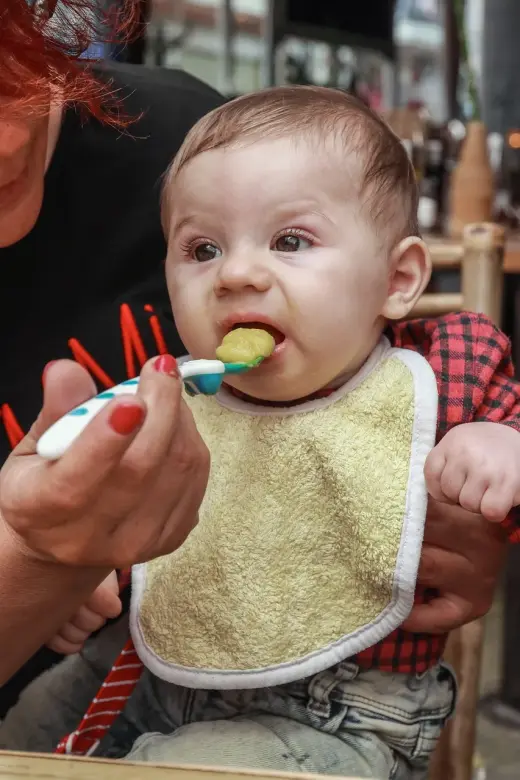
Short-Sleeved Baby Bibs: How to Choose One, Clean It, and Keep Mealtime Safe

How to Choose a Safe, Easy-to-Clean High Chair for Your Baby
