Travel Cots and Portable Cribs: How to Choose a Safe Folding Cot for Every Trip and Budget
How to choose a safe travel cot or portable crib: weight, fold style, mattress rules, and safety standards in Australia, the UK, the US and Canada.

On this page
- Key points
- What a travel cot is and how it works
- Main types of travel cots and how they compare
- Side-by-side comparison of travel cot styles
- Safety standards and official guidance in Australia, the UK, the US a…
- How to choose a travel cot for your budget and travel style
- Travel cot use by age and stage
- How to set up and pack down a travel cot safely, step by step
- Checking hotel cots, holiday rental cots, and second-hand travel cots
- Cleaning, hygiene, and care between trips
- Safe sleep on holiday: heat, cold, and room setup
- Common mistakes parents make with travel cots
- Frequently asked questions
- Sources
Short answer: A safe travel cot needs four breathable mesh sides. People also call it a portacot, portable crib, or play yard. It must have a firm, flat base pad that came in the box. Its frame locks must click firmly into place. Never add a second mattress or extra padding on top of the base pad. Always place your baby on their back in a bare cot. Do not put pillows, bumpers, toys, or loose blankets inside. Check that the cot meets the mandatory safety standard for your country before use.
Official bodies in four countries share this exact safety advice. In Australia, it comes from Product Safety Australia (ACCC) and Red Nose. In the UK, it comes from the Office for Product Safety and Standards (OPSS), the NHS, and The Lullaby Trust. In the US, it comes from the Consumer Product Safety Commission (CPSC) and the American Academy of Pediatrics (AAP). In Canada, it comes from Health Canada and the Canadian Paediatric Society.
Key points
- Use only the original mattress pad: Every safety group warns against adding an extra mattress or folded blanket. A gap can form between the extra pad and the flexible mesh wall. A baby can get trapped in that gap.
- Lock the rails before pushing down the floor: Classic box-style folding cots have a specific setup order. Pull all four top rails up until they click. Push the centre floor hub down only after the rails lock.
- Keep the sleep space bare: Use a tight fitted sheet made for that exact model. You can also use no sheet at all. Dress your baby in a safe baby sleeping bag instead of using loose blankets.
- Check the mesh and zips every trip: Look for torn mesh, loose threads, broken zips, or bent hinges. Any of these faults make a travel cot unsafe to use.
- Use it for short trips, not permanent sleep: Red Nose and other safe sleep groups explain that folding cots are for temporary travel. They should not replace a permanent household cot every night.
- Know when to stop: Check the maker's weight and height limits. Stop using the cot when your child reaches those limits. Also stop right away if your child tries to climb out.
What a travel cot is and how it works
A travel cot is a portable bed for a baby or toddler. Different countries use different names for the same piece of gear. In Australia and New Zealand, parents usually call it a portacot or folding cot. In the UK, it is called a travel cot. In the US and Canada, people call it a travel crib, portable crib, or play yard.
A wooden household cot has hard slats. A travel cot is different. It has a folding metal or plastic frame covered in fabric and see-through mesh. The floor is a thin, firm board padded with a light layer of foam. This base folds up so the whole cot fits into a carry bag. You can put it in a car boot or take it on a plane. You can also store it in a cupboard at a grandparent's house.
A travel cot does two main jobs. First, it gives your baby a safe, separate place to sleep away from home. Second, many parents use it in the daytime as a safe play space. This helps when you need to cook or shower. However, you must take all toys out when it is time for sleep.
Why travel cot mattresses feel thin on purpose
Many new parents touch a travel cot pad and worry that it feels too hard. It is thin and firm for a very important safety reason. A travel cot has flexible fabric and mesh walls. If you put a thick, soft mattress inside, the mesh wall can stretch out. That creates a dangerous gap between the thick mattress edge and the cot side.
A baby can roll into that gap. Their face can press against the mattress edge or get wedged under the pad. Then they may not be able to breathe. A thin, firm base pad fastens flat to the floor of the cot. It stops any gap from forming. It also stops your baby's face from sinking into soft padding if they roll over. Babies do not need a thick, soft mattress to sleep well. Their bodies are very light. A firm, flat surface is both comfortable and safe for them.
Main types of travel cots and how they compare
Travel cots come in several shapes and folding styles. No single style is best for every family. The right choice depends on how you travel and how much weight you can carry. It also depends on your baby's age. You do not need to spend a lot of money to get a safe cot. A low-cost cot that meets your country's mandatory safety standard passes the exact same safety tests as a pricey one.
1. Classic centre-hub box fold cots (traditional portacots)
This is the most common style. It is usually the lowest-cost option too. It has a central hub on the floor that pulls up with a strap. It also has four top rails. These rails lock and unlock with push-buttons in the middle of each rail. The mattress board wraps around the folded frame when you pack it into its bag.
Good points:
- It is usually the most affordable option in baby shops.
- It is sturdy and heavy. An older baby cannot easily push it across a smooth floor.
- The sleep floor sits slightly off the ground. This helps if a hotel floor is cold or draughty.
- Many models have two wheels on one end. You can tilt and roll the cot from one room to another.
Downsides:
- It is much heavier than modern lightweight cots. Carrying one through a big airport will tire your arms out fast.
- You must lock the top rails in the right order. If you push the floor down first, the rails will not lock at all.
- Someone might force the rails down while the floor is still flat. Over time, this mistake can bend or break the rail hinges.
2. Lightweight A-frame travel cots (suitcase or backpack fold)
These cots use light aluminium legs. The legs angle outwards like the letter A. There is no heavy mechanical hub in the floor. Instead, the legs fold flat or pull apart like tent poles. In many A-frame models, the mattress pad rests directly on the room floor inside the zipped mesh walls. The floor of the room supports your baby's weight. Because of this, the frame can be much lighter.
Good points:
- They are very light to carry. Many come with a backpack bag or a small suitcase bag. They fit easily in a small car boot.
- They are very quick to open and fold. Some pop open in one smooth pull. There are no tricky rail buttons to fight with.
- The mattress often rests right on the floor. Because of this, some models have no strict weight limit for the base. A tall toddler can use it until they outgrow it by height or try to climb out.
- Many models have a zip-open mesh door on the side. You can lean in to pat your baby without bending over the top rail. You must zip it fully shut before they go to sleep.
Downsides:
- They usually cost more than a basic centre-hub portacot.
- The mattress often sits right on the room floor. You must check that the floor underneath is clean, flat, dry, and not too cold.
- You have to bend all the way down to floor level if you lift your baby over the top rail.
3. Two-level travel cots with a newborn bassinet insert
Both classic box cots and some light cots offer a clip-in or zip-in upper level. This is made for young babies. It raises the sleep surface about halfway up the cot. You do not have to bend down to the floor for every night feed.
Good points:
- It is much easier on your back during the first months. This helps a lot if you are healing after birth or a caesarean section.
- It works well in your bedroom for holidays during the newborn stage.
- Your baby will outgrow the top level after a few months. Then you simply unclip or unzip it and use the bottom level for the toddler stage.
Downsides:
- There are extra parts to pack, carry, and store when you travel.
- You must stop using the upper bassinet level as soon as your baby shows signs of rolling. You must also stop if they push up on their hands and knees, or hit the weight limit.
- Never put a baby on the bottom level while the top bassinet net is still clipped in above them.
4. Compact fold-up travel bassinets
A travel bassinet is smaller than a full travel cot. It is built only for the first few months of life. It has a shallow basket with mesh sides on folding legs.
Good points:
- It takes up very little floor space in a small hotel room, cabin, or caravan.
- It is very light and quick to carry for weekend trips with a newborn.
- It keeps your newborn right next to your bed at eye level.
Downsides:
- It has a short lifespan. Most babies outgrow a bassinet by around 4 to 6 months. You must stop using it as soon as they start rolling or pushing up.
- You will still need to buy a full-size travel cot later for trips with an older baby.
5. Pop-up travel tents and sleep pods (what to watch out for)
Some shops sell spring-wire pop-up beach tents or soft fabric pods for baby sleep. Be very careful with these products.
- In Australia, folding cots sold for sleep must meet the mandatory safety standard AS/NZS 2195. Infant sleep products also face strict federal rules enforced by the ACCC. Flexible pop-up tents without a rigid locking frame often fail to meet cot standards.
- In the US, the CPSC enforces strict rules for infant sleep products. Any bed that is not a crib, bassinet, or play yard must have a flat sleep surface and pass rigid stability tests.
- In Canada, Health Canada warns against soft-sided inflatable beds and pop-up tents. They can trap a baby's head or collapse if a child leans on them.
- In the UK, The Lullaby Trust advises against soft sleep pods, nests, and padded travel beds. Their padded sides can cover a baby's nose and mouth.
Stick to a proper travel cot or travel bassinet. Make sure it has a rigid locking frame, four open mesh sides, and a firm flat base.
Cots, Bassinets & Bedside Sleepers worth a look
Real products from our catalogue. We don't show star ratings or review counts; check the current price, stock and reviews on Amazon before you buy.
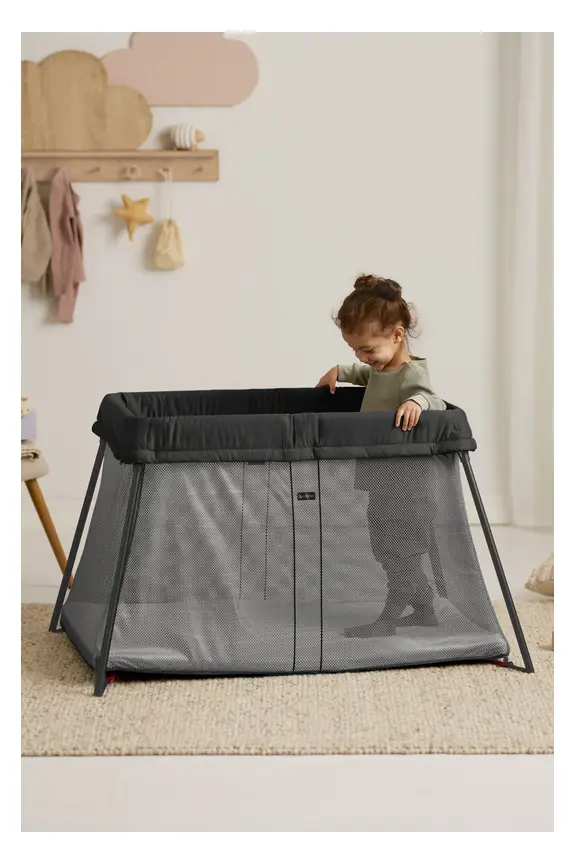
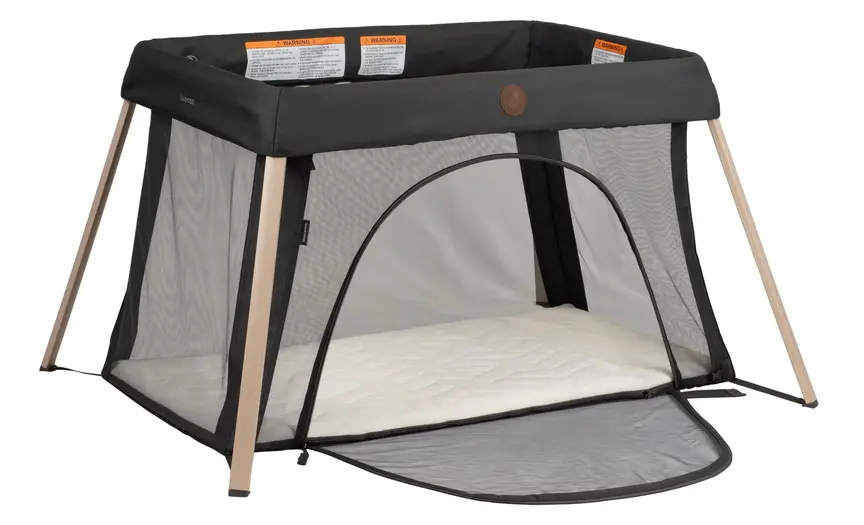
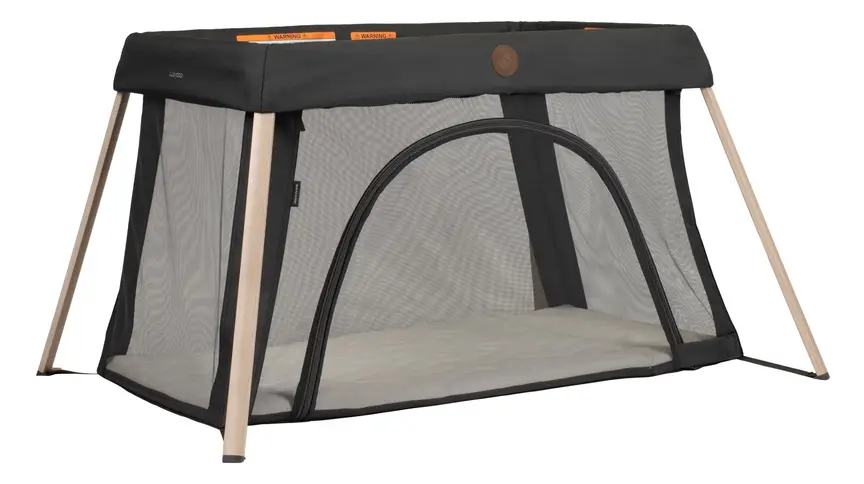

Maxi-Cosi Calao Light Travel Cot
A light travel cot with a newborn level and a toddler level, a side zip and a travel bag.
Read our full review →

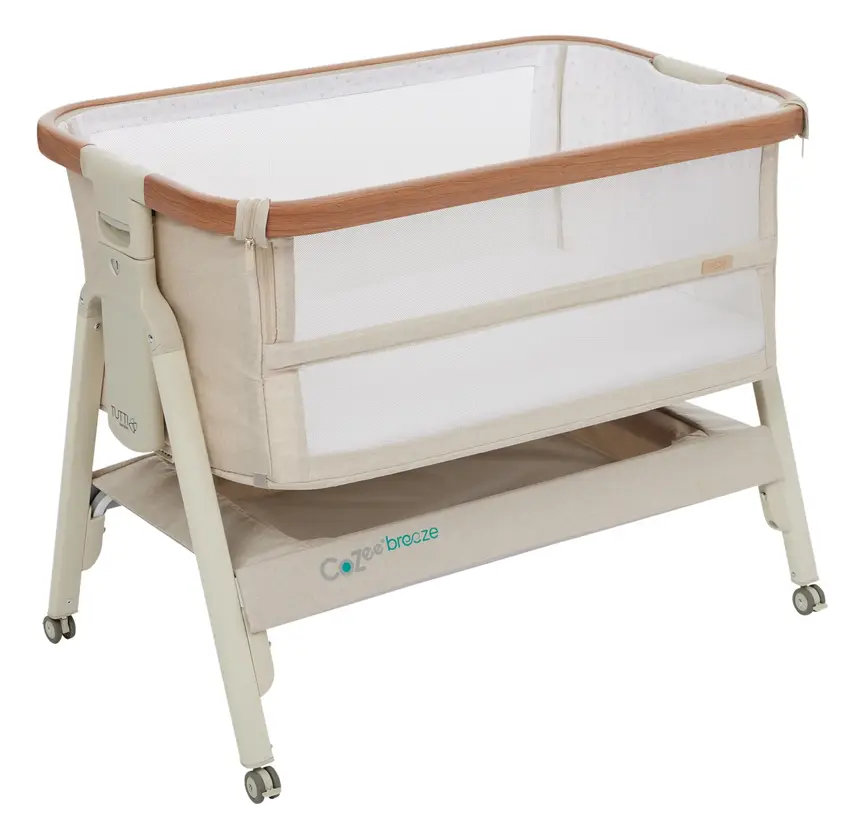
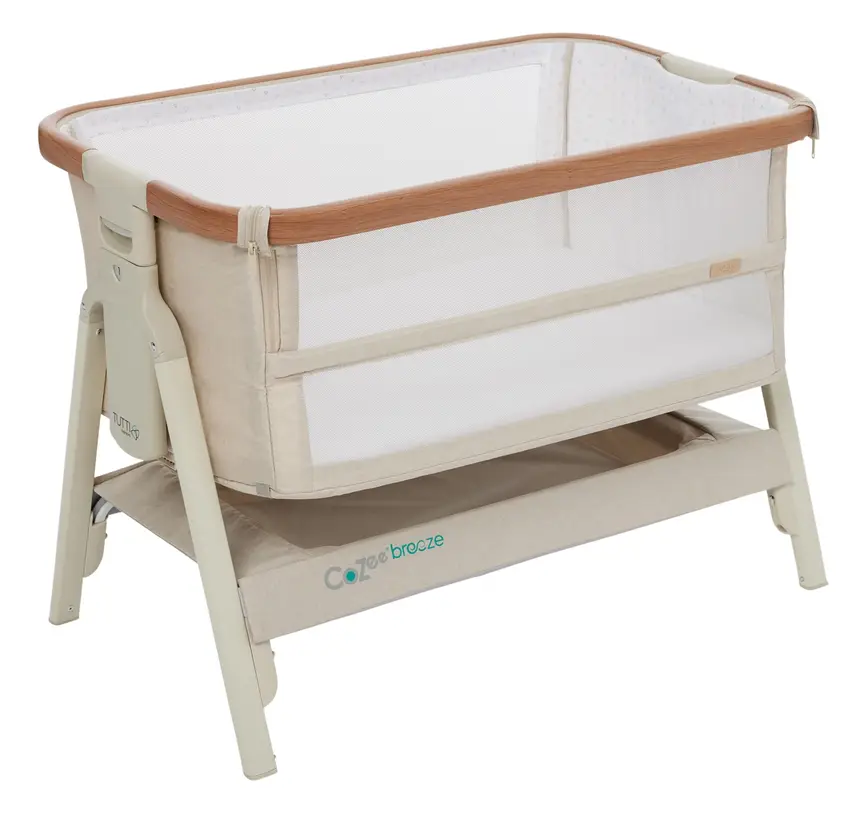
Tutti Bambini CoZee Breeze Lite
A bedside sleeper that opens or folds in about 30 seconds, with mesh sides and a travel bag.
Read our full review →Compare all cots, bassinets & bedside sleepers in our reviews →
Side-by-side comparison of travel cot styles
| Style | Best for | Typical weight & pack size | Setup style | Age & stage limit | Main trade-off |
|---|---|---|---|---|---|
| Classic centre-hub portacot | Car trips, grandparents' house, tight budgets | Heavier; long rectangular bag | Pull up 4 top rails first, then push centre floor down | Birth until child reaches weight/height limit or climbs out | Heavy to carry far; rails jam if pushed in wrong order |
| Lightweight A-frame travel cot | Flying, public transport, small apartments | Light; compact suitcase or backpack bag | Spread legs out or fold frame open; clip or Velcro pad flat | Birth until child outgrows by height or climbs out | Costs more; mattress often sits directly on floor |
| Two-level cot with bassinet insert | Travelling with a newborn and saving your back | Medium to heavy; extra insert adds bulk | Set up main cot, then clip or zip bassinet level onto top rails | Top level: birth until rolling or weight limit. Bottom level: toddler stage | Must remove top level completely once baby starts rolling |
| Compact travel bassinet | Small hotel rooms in the first few months only | Very light; flat fold bag | Unfold legs, lock hinges, check mesh basket is taut | Birth until first signs of rolling or pushing up on hands | Outgrown quickly; cannot be used once baby rolls |
| All-in-one play yard with changer | Long road trips or temporary downstairs station | Very heavy; large bag with clip-on parts | Set up cot frame, clip changer on for nappy change, remove before sleep | Birth to toddler stage (changer has a low weight limit) | Clip-on changer and toy bars must be removed before sleep |
Safety standards and official guidance in Australia, the UK, the US and Canada
Every country tests travel cots to make sure the frame cannot fold up on a child. Tests also check that the mesh cannot trap fingers or buttons, and that the mattress pad fits tightly. When you buy or borrow a cot, check the frame label and manual for your country's safety standard.
Australia
In Australia, all portable folding cots must meet a mandatory consumer product safety standard. The Australian Competition and Consumer Commission (ACCC) enforces this law through Product Safety Australia. The legal rule is based on the Australian and New Zealand standard AS/NZS 2195 for folding cots. Australia also enforces mandatory standards for infant sleep products. These rules ban unsafe inclined sleepers and soft-sided pods from being sold for infant sleep.
Red Nose Australia, Raising Children Network, and the mandatory standard set clear rules:
- The folding frame must have child-resistant locks. A child inside or outside the cot must not be able to unlock it by accident.
- Mesh holes must be very small. A baby's fingers, toes, or clothes buttons must not get caught in them.
- There must be no footholds inside the cot that could help a toddler climb out.
- Clear safety warnings must be printed permanently inside the cot. They warn you to use only the mattress supplied by the maker and never add a second mattress.
- Firmness testing in Australia uses standard AS/NZS 8811.1. This test checks that a sleep surface does not let a baby's head sink in.
United Kingdom
In the UK, the Office for Product Safety and Standards (OPSS) oversees product safety. The NHS and The Lullaby Trust provide safe sleep advice for families. Travel cots sold in the UK and Europe are tested to standard BS EN 716. Smaller travel cribs and cradles for young babies are tested to BS EN 1130. Cot mattresses are tested to BS EN 16890.
The Lullaby Trust and the NHS give clear advice for parents on holiday:
- Always use a firm, flat, waterproof mattress pad. It must fit the travel cot snugly with no gaps around the edges.
- Never put folded blankets, quilts, or cushions under your baby to make the base feel softer.
- Keep the travel cot away from radiators, heaters, sunny windows, and blind cords in holiday rooms.
- Check the room temperature if you can. The Lullaby Trust says a safe, comfortable room for a sleeping baby is between 16°C and 20°C.
United States
In the US, the U.S. Consumer Product Safety Commission (CPSC) regulates portable cribs and play yards. The American Academy of Pediatrics (AAP) and the NICHD Safe to Sleep campaign lead safe sleep advice. Mesh-sided play yards and travel cribs must meet a federal rule based on standard ASTM F406. Rigid non-full-size cribs also come under ASTM F406. Bassinets and cradles must meet a federal rule based on ASTM F2194. Play yard mattresses and replacement pads must meet the federal rule based on ASTM F2933.
The CPSC and AAP rules highlight several key safety points:
- Play yards must pass strict side-rail latch tests and floor strength tests. They also pass corner-post tests so loose clothes cannot catch and strangle a child.
- Federal mattress rules cap the thickness of play yard mattresses. Any replacement mattress must match the exact safety fit of the original pad.
- The US Safe Sleep for Babies Act bans inclined sleepers with an angle over 10 degrees. It also bans padded crib bumpers across the country.
Canada
In Canada, Health Canada regulates cribs, cradles, and playpens under federal law. Health Canada and the Canadian Paediatric Society (Caring for Kids) share safe sleep guidance. Canada has very strict rules on how folding playpens and travel cots can be used.
Health Canada and the Canadian Paediatric Society state these rules:
- Traditional mesh-sided playpens in Canada do not pass the same durability tests as full-size cribs. Because of this, Health Canada does not recommend playpens for regular unsupervised sleep.
- Some portable beds are tested and certified in Canada as a portable crib or bassinet instead of a playpen. Always read the permanent label on the product to see which Canadian standard it meets.
- Clip-on change tables and bassinet inserts attach to the top of some playpens. Never leave these parts attached when a child is in the main playpen below.
- Never add an extra mattress, pillow, or quilt to a playpen or portable crib.
Four-country safety comparison table
| Feature or rule | Australia | United Kingdom | United States | Canada |
|---|---|---|---|---|
| Product regulator | ACCC (Product Safety Australia) | Office for Product Safety and Standards (OPSS) | Consumer Product Safety Commission (CPSC) | Health Canada |
| Safe sleep health authorities | Red Nose Australia, Raising Children Network | The Lullaby Trust, NHS | American Academy of Pediatrics (AAP), NICHD | Canadian Paediatric Society (Caring for Kids), Health Canada |
| Main standard codes | AS/NZS 2195 (folding cots), AS/NZS 8811.1 (firmness) | BS EN 716 (travel cots), BS EN 1130 (cribs/cradles), BS EN 16890 (mattresses) | ASTM F406 (play yards), ASTM F2194 (bassinets), ASTM F2933 (mattresses) | Canadian federal cribs, cradles and playpens regulations |
| Extra mattress allowed? | No — mandatory warning on cot forbids adding a second mattress | No — use only the firm, flat pad designed for the cot | No — federal rules forbid thick or loose extra mattresses | No — never add an extra mattress or padding |
| Sleeping position | Always flat on the back | Always flat on the back | Always flat on the back | Always flat on the back |
| Everyday permanent sleep? | Temporary use only; use a household cot (AS/NZS 2172) at home | Short trips and holidays; standard cot recommended for everyday use | Safe for sleep when used bare and following all CPSC/AAP rules | Playpens not recommended for regular unsupervised sleep; check if certified as a crib/bassinet |
How to choose a travel cot for your budget and travel style
Think about how you travel before you look at colours or extras. A heavy cot might suit a family driving a big car to a beach house. That same cot will be a struggle for a parent taking a baby on a train or plane.
1. Match the weight and fold to how you travel
- Driving to family or holiday parks: Weight matters much less when the cot goes straight from the house into the car boot. A classic centre-hub portacot saves money and works well. Check the folded length so it fits in your boot next to your pram.
- Flying on planes: Most airlines let you check a travel cot into the hold. It often counts as part of your baby baggage allowance, though airline rules vary. You might want to carry the cot through the airport on your back. If so, look for an ultra-light A-frame cot that folds into a backpack.
- Staying at a grandparent's home often: Does your baby sleep at a relative's house every week or two? Buying a simple, low-cost portacot to leave there saves you packing one every weekend.
- Camping or caravanning: Measure the floor space inside your tent or caravan before you buy. Many A-frame travel cots have angled legs. They spread out wider at the floor than at the top rim. Measure the outer footprint at floor level, not just the mattress size.
2. Check how the mattress attaches to the frame
A safe travel cot mattress does not sit loosely inside the walls. Flip the mattress pad over and see how it anchors to the base. Good travel cots use Velcro straps that thread through slots in the floor fabric and fasten underneath. Others use button-tabs that clip around the frame tubes, or corners that lock into pockets. Pull upward on the corner of the mattress pad to test it. It should stay held down flat so your baby cannot get a hand or head underneath it.
3. Inspect the mesh sides and airflow
All four sides of a travel cot should have large panels of open weave mesh. The mesh should go all the way down to the mattress level. Avoid travel cots with solid fabric walls at the bottom where a baby's face rests. Mesh lets fresh air flow through the cot. It also lets your baby breathe if their nose presses right against the side wall. Run your fingers across the mesh in the shop. Check that it feels smooth, tight, and strong, with no loose threads.
4. Check the height for your back
Lean over the top rail in the shop if you can, or check the height online. Placing a sleeping baby onto a floor-level mattress without waking them takes a deep bend at the hips. If you have back pain or are short, look for two helpful features:
- A zip-in bassinet level for the first few months so your newborn sleeps higher up.
- A side-zip door on the main cot. You can unzip the side panel and kneel on the floor to lay your baby down. Then zip the mesh door all the way shut and lock the zip tab outside before you leave.
5. Skip unsafe or unnecessary add-ons
Many pricey travel cot bundles come with clip-on extras. These include nappy change tables, storage caddies, hanging toy arches, vibration units, and sun canopies. Be very careful with these parts:
- Clip-on change tables: These are handy for quick daytime nappy changes up to their low weight limit. However, a baby must never sleep in the cot while the change table is clipped on top. A baby can push up against the underside of the changer and get trapped by the neck. Always unclip the changer and put it on the floor before every sleep.
- Hanging toy bars and mobiles: Never leave a toy bar attached when your baby is sleeping or unsupervised. Strings, ribbons, and loose toys are a choking and strangulation risk.
- Clip-on canopies and mosquito nets: An older baby can pull a loose net or canopy down into the cot. They can get tangled in the fabric. Only use an insect cover if the cot maker designed and tested it for that exact frame. Stop using it as soon as your baby can pull at the mesh.
Travel cot use by age and stage
Your baby's needs change fast in the first two years. A setup that is safe for a newborn is not safe for a baby who can stand up.
| Age or stage | What your baby can do | How to set up the travel cot safely |
|---|---|---|
| Newborn to around 3–4 months (not rolling) | Sleeps on back; startle reflex; cannot roll or push up on hands | Use a travel bassinet or the upper bassinet level of a travel cot. Place baby on their back. Use a light wrap or a fitted sleeping bag. |
| First signs of rolling (often 3–5 months) | Rocks onto side; rolls tummy-to-back or back-to-tummy | Stop wrapping arms in and switch to an arms-free sleeping bag. Remove the upper bassinet level right away. Move baby to the bottom floor level. |
| Sitting and pulling to stand (around 6–12 months) | Sits up alone; grabs mesh and top rails; pulls to standing | Use the bottom level only. Leave no toys, bumpers, or steps inside that could act as a foothold. Keep the cot away from cords and furniture. |
| Toddler stage (12 months and up) | Walks, climbs, tests zippers and latches | Use the bottom level only. Lock any side-zip door on the outside. Stop using the cot when your child tries to climb out or reaches the weight or height limit. |
Side by side: more cots, bassinets & bedside sleepers to compare
Real products from our catalogue. We don't show star ratings or review counts; check the current price, stock and reviews on Amazon before you buy.
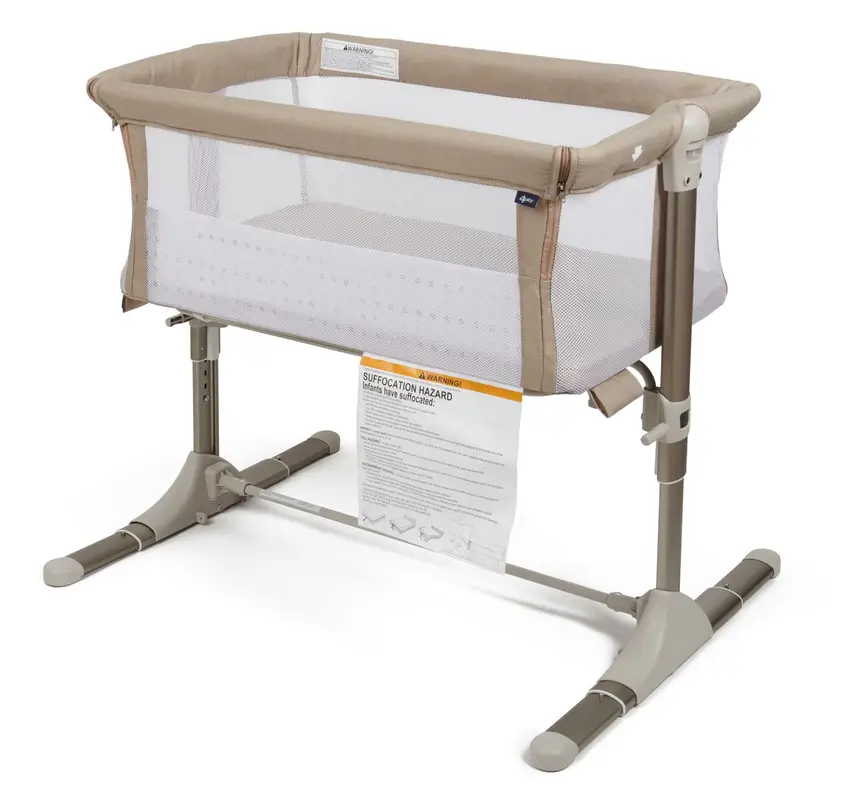
4baby Snuggle Cuddle Bedside Sleeper
A low-cost bassinet that turns into a bedside sleeper, with 4 heights and mesh sides.
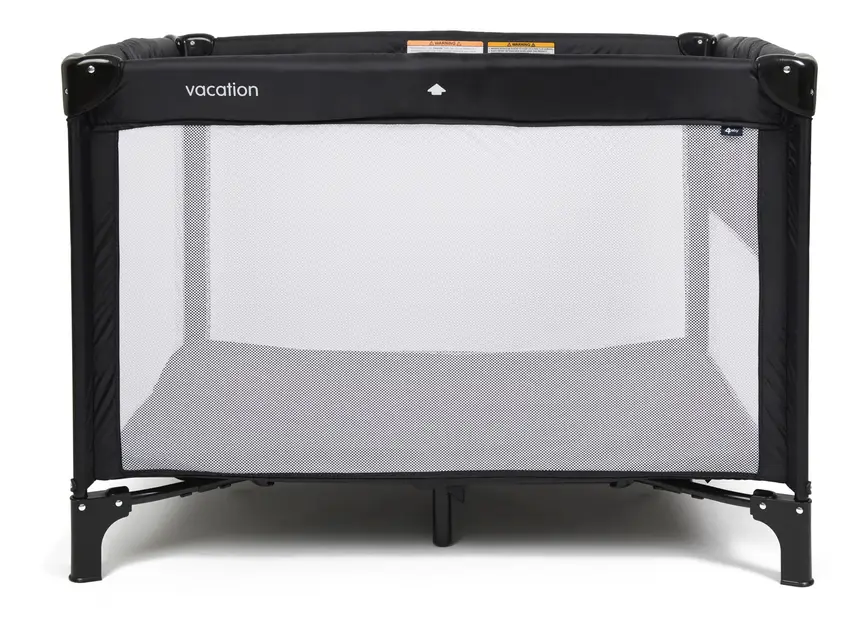
4baby Vacation Portacot
A low-cost portacot with a padded mattress and mesh sides.
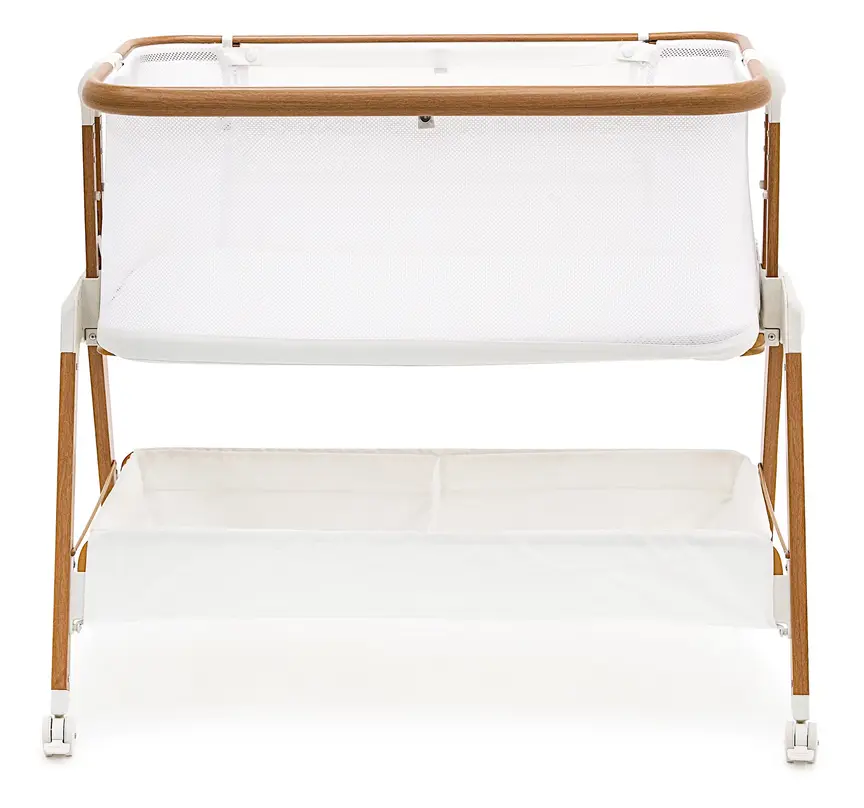
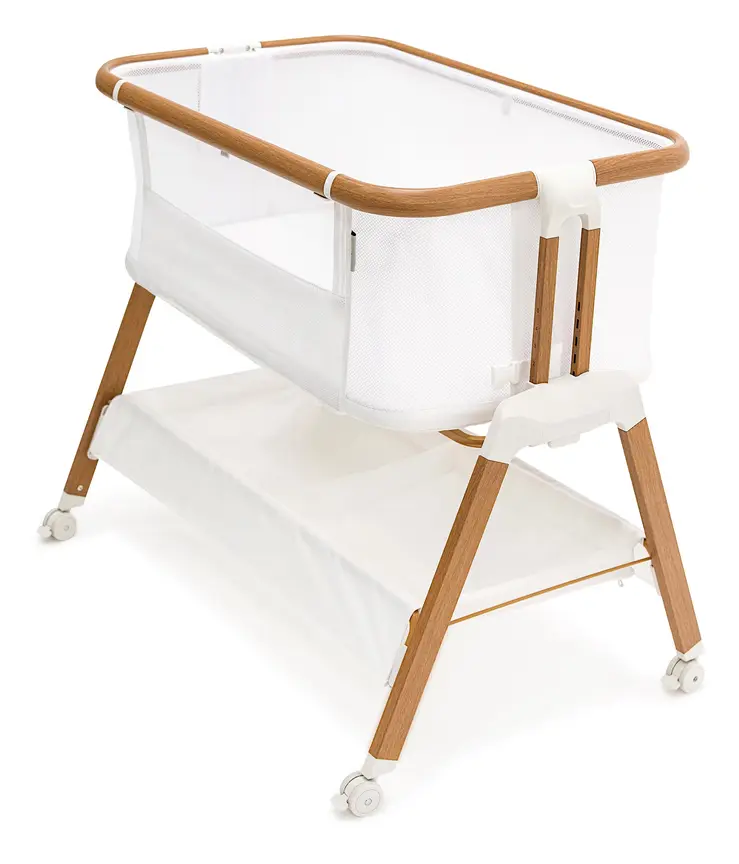
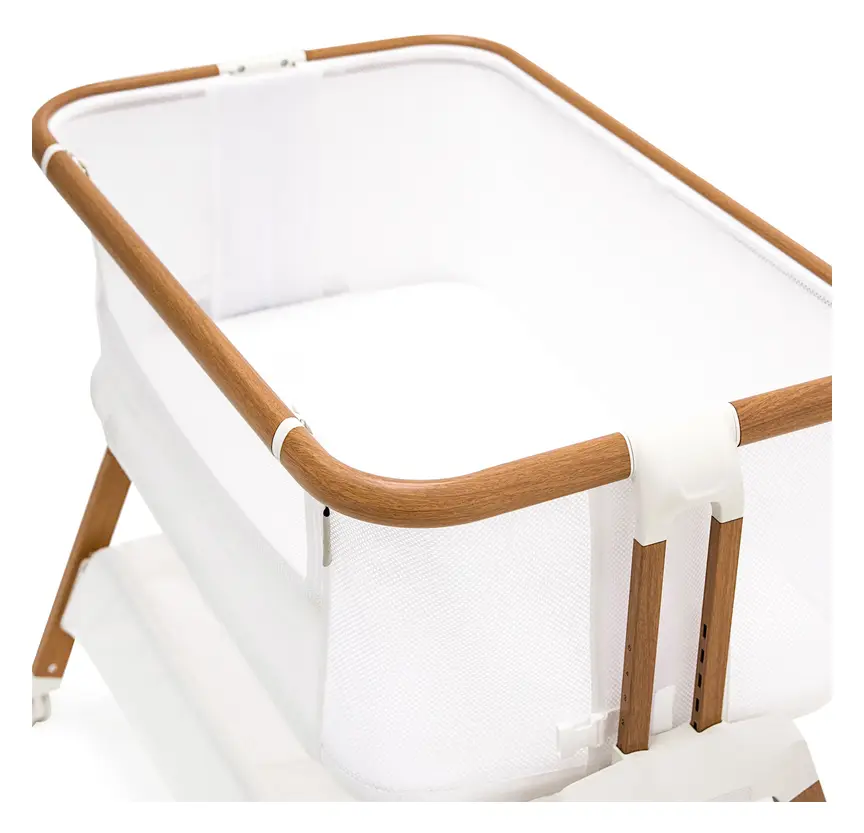
BabyRest Alfie2 Bedside Bassinet
A bedside bassinet with 5 heights, a drop-down side, wheels and an insect net.
Read our full review →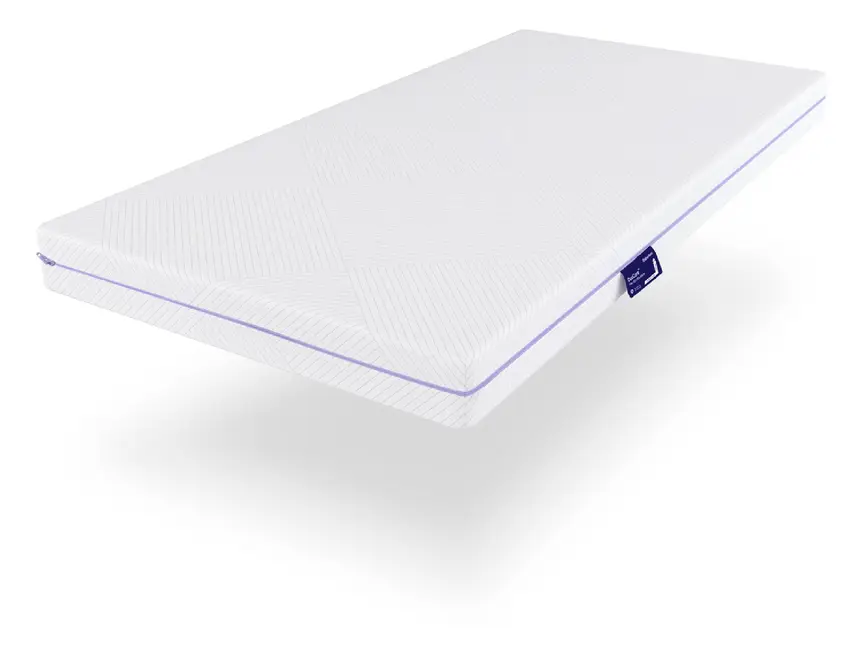
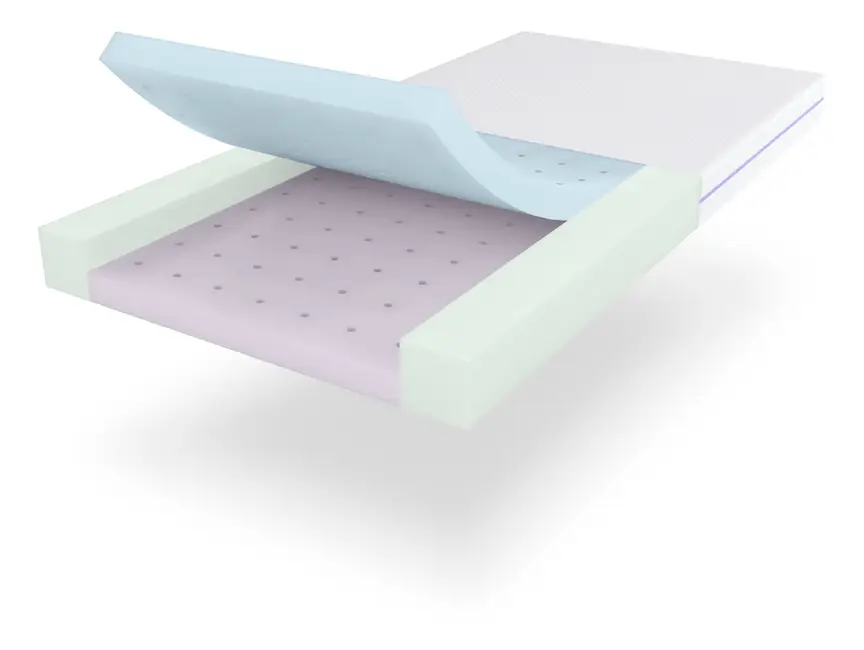

BabyRest Duocore Bamboo Cot Mattress
A two-sided mattress: a baby side to 12 kg and a toddler side from 12 kg to about 4 years.
Read our full review →Compare all cots, bassinets & bedside sleepers in our reviews →
How to set up and pack down a travel cot safely, step by step
Setting up a travel cot in a dim hotel room after a long drive is a classic test for parents. On a traditional portacot, do not push the floor down first. If you do, the top rails will refuse to lock. Follow these simple steps every time.
Setting up a classic centre-hub travel cot
- Take the cot out of the bag and undo the mattress wrap. Unfasten the Velcro straps holding the mattress board around the frame. Set the mattress aside.
- Keep the centre floor hub pulled UP high. Do not push the middle of the floor down yet. Leave the centre loop sticking up like a tent peak.
- Pull up the four top rails until they click. Grab the middle of the two long rails first. Pull them sharply upwards until you hear and feel the hinges lock straight. Then do the same for the two short end rails. Push down firmly on each rail to check that all four locks are secure.
- Push the centre floor hub down flat. Wait until all four top rails are locked rigid. Then press the middle of the cot floor down until it locks flat.
- Fasten the original mattress pad inside. Lay the padded side facing up. Thread the Velcro straps or clips through the floor slots. Fasten them underneath the cot base so the pad cannot slide or lift.
- Fit a tight sheet made for that exact size. If you use a sheet, it must fit snugly around the thin pad. It should not make the mattress corners curl up.
- Do a 30-second room safety check. Walk around the outside of the cot. Make sure it is a full arm's reach away from blind cords, curtain strings, and monitor cables. Keep it clear of power boards, heaters, windows, and furniture a toddler could grab.
Packing down a classic centre-hub travel cot
- Remove the sheet and undo the Velcro straps under the floor. Take the mattress pad out.
- Pull the centre strap on the floor straight up about halfway. None of the top rails will unlock until you lift the floor hub first.
- Find the release button hidden under the fabric in the middle of each top rail. Squeeze the button and let all four rails fold down into a V shape. Never force a rail down if the button has not released.
- Pull the frame legs together into a neat bundle. Wrap the mattress board around the outside with the padded side facing in to keep it clean. Fasten the straps and slide it into the carry bag.
Checking hotel cots, holiday rental cots, and second-hand travel cots
Many hotels, motels, holiday rentals, and caravan parks offer a travel cot for your stay. That saves space in your car boot. However, hotel cots get heavy use. Sometimes they are old, damaged, or made up with unsafe adult bedding. Run through this checklist before you use any borrowed, hired, or hotel cot.
- Bring your own travel cot if you have room in the car: Both The Lullaby Trust and Red Nose share this tip. Bringing your own clean, familiar travel cot is the easiest way to know it meets current safety standards.
- Inspect the frame and locks: Push down firmly on all four top rails and shake the corners. If a rail drops down or a hinge feels loose, do not put your baby in it.
- Check the mesh walls: Look closely at all four sides. There must be no holes, rips, frayed seams, or broken zips.
- Check the mattress pad: Sometimes hotels swap the original thin base board for a thick foam block. Make sure the pad fits tightly with no gaps at the sides. Press the pad into the corners. You should not be able to fit two fingers between the mattress and the mesh wall.
- Remove all hotel pillows, duvets, and cot bumpers: Hotels often make up a baby cot like a mini adult bed. They might put a pillow, folded sheet, and fluffy blanket inside. Take all of it out before putting your baby down. Use your own fitted sheet and your baby's usual sleeping bag.
- Check the date and standard label on second-hand cots: Never use an old hand-me-down portacot that is missing its safety label, manual, or original mattress. Check the government recalls list in your country before using a second-hand cot. You can check Product Safety Australia, the UK OPSS site, the US CPSC site, or Health Canada's recalls database.
Cleaning, hygiene, and care between trips
Babies drool, spit up milk, and have leaky nappies. Most travel cot fabrics are stitched right onto the metal frame. Because of this, you usually cannot put the whole cot into a washing machine. However, a few lightweight A-frame models do have zip-off covers you can machine wash.
- Wipe down with mild soap and warm water: Set the cot up at home after every trip. Wipe the frame, mesh, and waterproof mattress pad with warm water and mild household soap. Avoid harsh bleach or strong sprays that leave chemical fumes where your baby breathes.
- Dry it completely before packing it away: Never fold a damp travel cot into its carry bag. A tiny bit of moisture from a spilled bottle or humid air will grow mould inside a closed bag within days. Leave the cot open in a dry, airy room until every seam is bone dry.
- Vacuum the floor corners: Sand, crumbs, and dust collect in the corners where the mesh meets the floor. Vacuum them out before you fold the cot. Otherwise, grit can rub holes in the mesh while the cot bounces in your car boot.
- Check the Velcro straps: Brush lint and fluff out of the Velcro hooks under the mattress pad. Clean Velcro grips much more strongly.
Safe sleep on holiday: heat, cold, and room setup
Holiday rooms are often much warmer or cooler than your baby's bedroom at home. Overheating is a known risk for sudden infant death in all four countries.
- Do not overdress your baby in a warm holiday room: On a hot summer trip, a nappy and a single thin singlet may be enough. You can also use a very thin summer sleeping bag, such as 0.2 or 0.5 TOG. Feel your baby's chest or the back of their neck to check how warm they are. Their hands and feet usually feel cooler, so do not judge their heat by their hands.
- Never drape a blanket, towel, or muslin over the top of a travel cot: Parents sharing a bright hotel room sometimes hang a dark blanket or towel over the cot rails to block light. Never do this. It traps hot air inside the cot and blocks airflow through the mesh. The blanket can also fall down onto your baby's face. Dim the room lights or put portable blackout blinds on the window instead, well away from the cot.
- Keep the cot away from heaters and air-conditioner vents: Check where the vents and heaters sit in a small hotel room. Never place the travel cot right next to a radiator or portable heater. Keep it out of the direct blast of a cold air-conditioner too.
- Use a warmer TOG sleeping bag in cool rooms: You might stay in a chilly cabin or go camping in cool weather. Dress your baby in layers of fitted clothes inside a warmer baby sleeping bag, such as 2.5 or 3.5 TOG. Match the bag to the room temperature guide on its label. Never add loose duvets, blankets, or hot water bottles to a travel cot.
- Room-share safely instead of bed-sharing on unfamiliar beds: Hotel beds often have soft pillows, heavy duvets, or pillow-top mattresses. Some have gaps between two pushed-together mattresses. Sofas and armchairs are always very dangerous for sleeping with a baby. Put the travel cot right beside the adult bed instead. That lets you stay close to your baby while keeping them in their own safe, flat sleep space.
Common mistakes parents make with travel cots
| Mistake | Why it is dangerous | What to do instead |
|---|---|---|
| Adding a foam mattress or folded blanket on top of the pad | Creates a deadly gap between the soft pad and stretchy mesh side where a baby can get wedged | Use only the thin, firm mattress pad that came with the cot, fastened flat to the base |
| Using a regular cot sheet that is too big or too small | A big sheet bunches up near the face; a tight small sheet pulls the thin mattress corners up | Use a sheet made for that travel cot's exact mattress size, or use no sheet with a sleeping bag |
| Leaving the clip-on change table attached during sleep | A baby in the cot can push up against or get trapped under the hanging change table frame | Unclip and remove the change table completely before placing your baby in the cot to sleep |
| Leaving the side-zip mesh door partly unzipped | A baby can roll halfway out or get their neck trapped in a partly open zip opening | Always zip the side door fully closed and clip the zipper lock on the outside before sleep |
| Draping a sheet or blanket over the top rails for shade | Stops air moving through the mesh, overheats the baby, and can fall onto the baby's face | Keep the top of the cot completely uncovered; darken the room windows instead |
| Putting the cot next to hotel curtains or blind cords | A baby or toddler can reach through or over the cot to grab a loop cord and strangle | Set the cot well away from windows, blinds, curtains, and baby monitor power cords |
More options, from budget to premium
Real products from our catalogue. We don't show star ratings or review counts; check the current price, stock and reviews on Amazon before you buy.
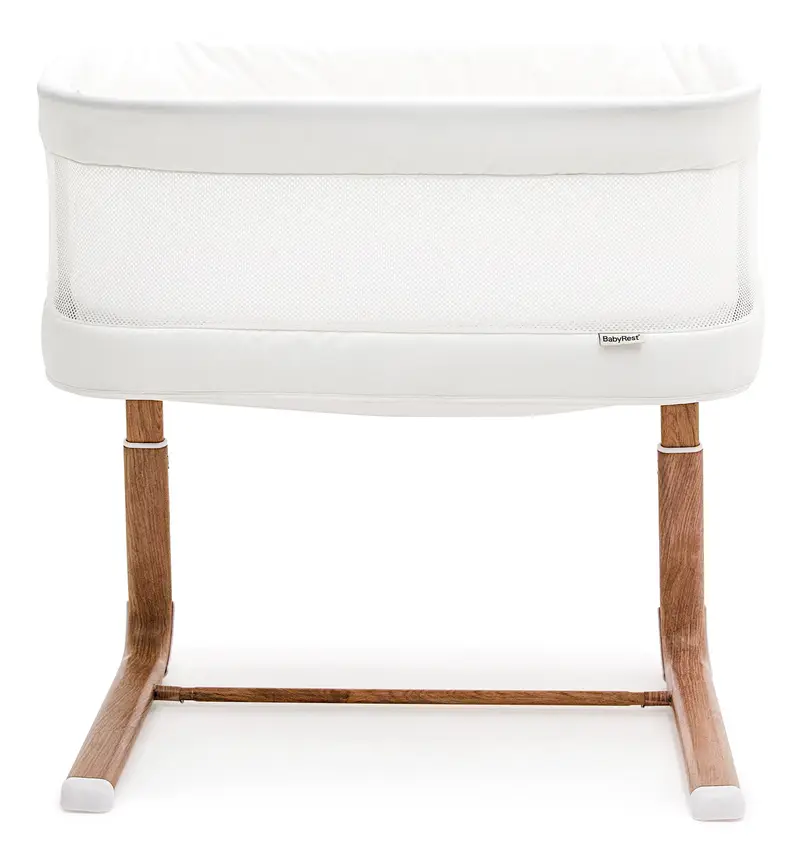
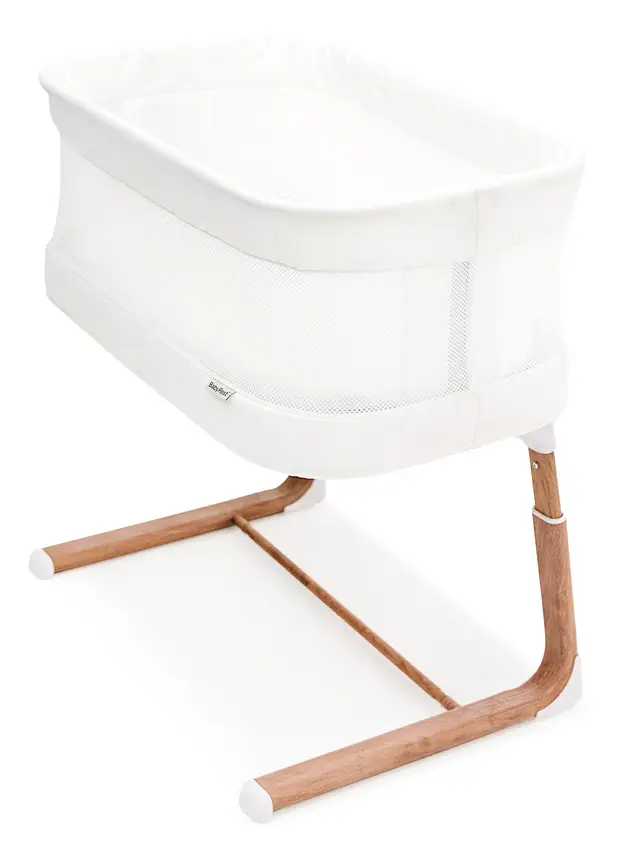
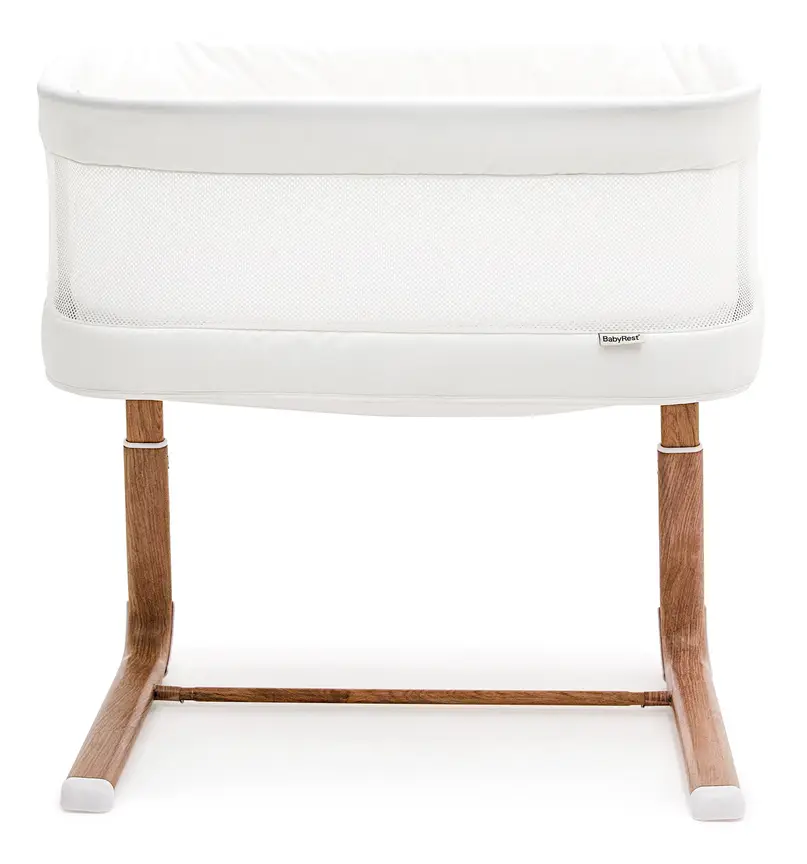


BabyRest Swan Smart Bassinet
A bassinet that rocks by itself when baby stirs, with 3 rocking levels, lullabies and a remote.
Read our full review →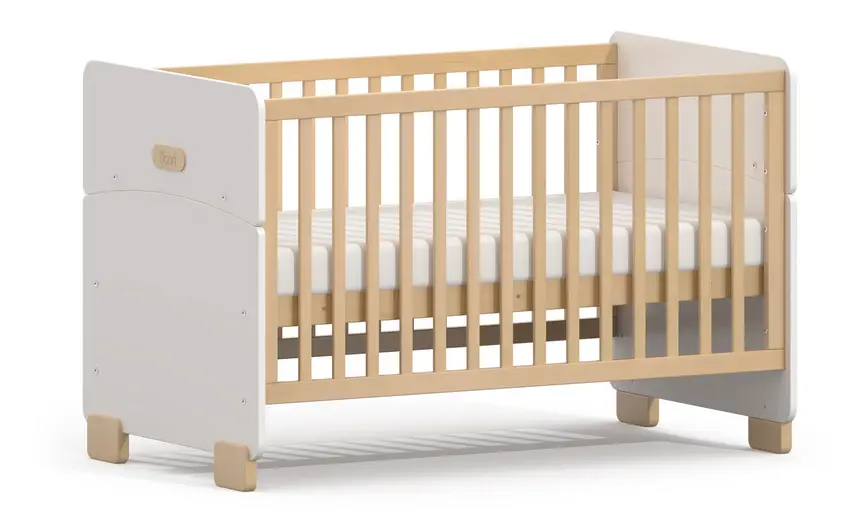

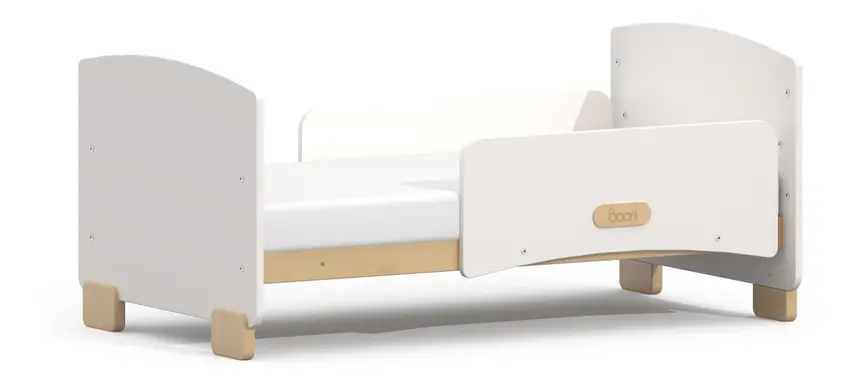

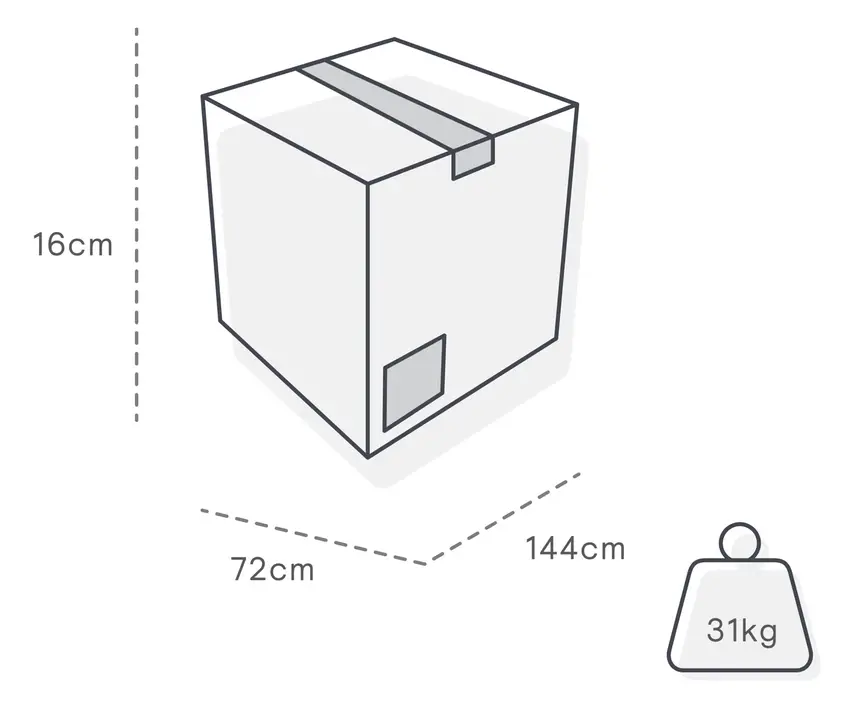
Boori Matilda Cot Bed
A cot that turns into a toddler bed using its own end panels. No extra kit needed.
Read our full review →
Boori Oasis Oval Cot
A curved solid beech cot on lockable wheels, with two base heights.
Compare all cots, bassinets & bedside sleepers in our reviews →
Frequently asked questions
Is it safe to buy a thicker mattress for my travel cot so my baby sleeps better?
No. Every official regulator and safe sleep group warns parents never to add an extra or thicker mattress. This includes the ACCC and Red Nose in Australia, OPSS and The Lullaby Trust in the UK, the CPSC and AAP in the US, and Health Canada and the Canadian Paediatric Society. Travel cots have flexible mesh sides. An added mattress creates a gap at the edges. A baby's face can get trapped against the mesh or under the extra mattress. The original base pad feels thin to an adult hand, but a baby weighs very little. Your baby will sleep safely and comfortably on that firm, flat surface.
Can a newborn sleep in a travel cot from birth?
Yes, a newborn can sleep in a travel cot from birth if it meets your country's mandatory safety standard. The mattress must be firm, flat, and tight with no gaps. Always place your newborn on their back in a bare cot. Do not use pillows, bumpers, nests, or loose blankets. If your travel cot has a raised newborn bassinet insert, you can use that top level at first. Stop using the top level as soon as your baby shows signs of rolling or hits the weight limit.
Can my baby use a travel cot as their main bed every night at home?
Health groups in Australia, the UK, and Canada advise against using a folding travel cot as a permanent everyday bed. Red Nose, Raising Children Network, The Lullaby Trust, and Health Canada explain that folding cots are made for temporary travel use. A full-size rigid cot (meeting AS/NZS 2172 in Australia or BS EN 716 in the UK) is built for daily wear and tear. If you must use a travel cot at home for a short time, check the mesh, seams, locks, and mattress straps every day.
When does a baby outgrow a travel cot?
Check the permanent label stitched onto your travel cot frame or mattress. It lists the exact weight and height limits set by the maker. Many classic box-style travel cots have a weight limit around 15 kg or a height limit around 86 to 89 cm. You must also stop using any travel cot as soon as your toddler tries to climb out. Stop too when the top rail sits below three-quarters of your standing child's height. A climbing child can easily tip a lightweight folding cot over.
How can I help my baby settle in an unfamiliar travel cot on holiday?
Babies notice new smells, sounds, and rooms right away. Set the travel cot up at home for a couple of daytime naps before your trip. That helps your baby get used to the look and feel of the mesh walls. Pack the unwashed sleeping bag your baby wore the night before so their bed smells like home. Keep your usual bedtime routine in the exact same order you use at home.
Are bedside sleepers the same as travel cots?
No, though some look similar. A bedside sleeper is a small crib made for the first 4 to 6 months. It straps onto the side of an adult bed and has a drop-down wall. A standard travel cot is deeper, has four full-height mesh walls, and lasts into the toddler years. Some bedside sleepers fold into a travel bag for holidays with a young baby. If you use one away from home in drop-side mode, check that its straps fit the holiday bed tightly with zero gap. If it does not fit the adult bed safely, zip both sides all the way up and use it as a standalone bassinet.
Sources
- Product Safety Australia (ACCC) – Folding cots mandatory standard
- Red Nose Australia – Portable and folding cots
- Raising Children Network – Safe cots, portacots and mattresses
- The Lullaby Trust (UK) – Safer sleep on holiday
- NHS (UK) – Reduce the risk of sudden infant death syndrome
- US CPSC – Play yards business guidance (16 CFR 1221)
- American Academy of Pediatrics (US) – A parent's guide to safe sleep
- Caring for Kids (Canadian Paediatric Society) – Safe sleep for babies
Related guides
More Car Seats & Travel →
Portable Travel Cribs: Benefits, Safety Checks, and How to Choose One
Travel Cots: Real Benefits, Safe Use and How to Choose One

How to Choose a Safe Travel Crib or Portable Cot for Your Baby