How to Keep Your Baby Safe and Cosy with an Infant Car Seat Insert
How to use an infant car seat insert safely: use only maker-approved inserts, skip bulky coats under straps, and keep your baby cosy without overheating.
On this page
- Key points
- What an infant car seat insert is and what it does
- Why aftermarket inserts are unsafe
- Maker-supplied insert vs. aftermarket insert
- How to choose and check the right insert
- How to fit the insert and buckle your baby safely
- How to keep your baby cosy without bulky layers
- When to adjust or remove the infant insert
- Car seat safety rules in Australia, the UK, the US and Canada
- Safe sleep and time limits in a car seat
- Common mistakes parents make with car seat inserts
- Frequently asked questions
- Sources
Short answer: Only use the infant insert that came with your car seat, or one made by the same brand for your exact seat model. Never add third-party cushions, pillows, or thick blankets under the straps. Dress your baby in thin layers, buckle the harness snugly, and tuck a light blanket over the top of the straps if it is cold. Take the insert out as soon as your baby hits the weight or size limit in the manual.
Safety groups give this same advice in Australia (Product Safety Australia, Raising Children Network, Kidsafe, and Red Nose), the UK (The Lullaby Trust, RoSPA Child Car Seats, and the NHS), the US (the American Academy of Pediatrics and NHTSA), and Canada (Transport Canada and Caring for Kids).
Key points
- Use the maker's insert only: Aftermarket pads bought from other brands are not crash-tested with your seat.
- Check the manual: Every seat has its own weight and height rules for when to put the insert in and when to take it out.
- Keep the straps snug: Extra padding behind or under your baby can squash flat in a crash and leave the harness loose.
- Watch the airway: A thick head pillow can push your baby's chin onto their chest, which can make it hard to breathe.
- Skip bulky coats: Dress your baby in thin layers under the straps, then lay a light blanket over the buckled harness.
- Move sleeping babies: Take your baby out of the car seat when you get home and lay them flat on their back in a cot or bassinet.
What an infant car seat insert is and what it does
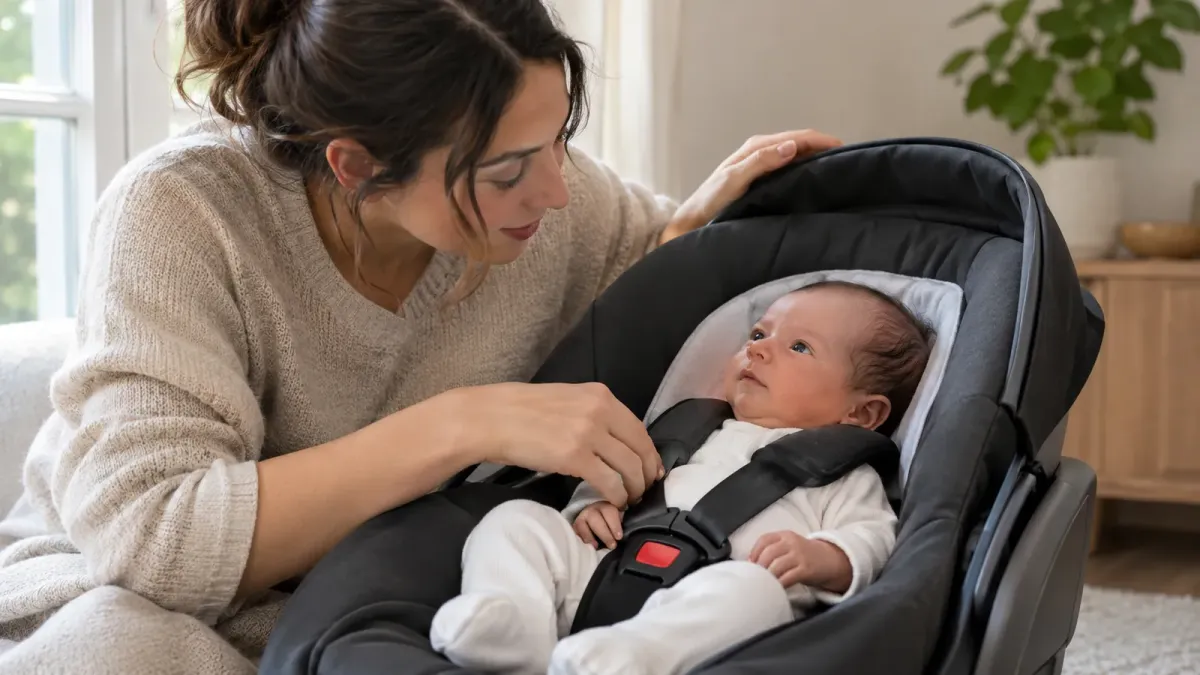
An infant car seat insert is a soft pad that sits inside a baby capsule or rear-facing car seat. Rear-facing means the seat faces the back window of the car. Most new capsules and newborn-to-toddler seats come with one in the box.
Newborn babies have big heads for their body size. Their neck muscles are still very weak. Without support, a tiny baby can slump to the side or slide down in a big seat shell.
A proper insert fills the extra space around a small baby. It helps keep their head, neck, and spine in a straight line. It also lifts or shapes the seat slightly so the harness straps sit right over your baby's shoulders and hips.
What an insert is not
An insert is not a soft pillow for deep sleep. It is a firm, shaped piece of safety gear tested by the car seat maker. It should never be swapped for a fluffy cushion, a folded quilt, or a cute headrest you found online.
Why aftermarket inserts are unsafe
The word "aftermarket" means a part made by a different company, not your car seat maker. Shops and online stores sell thousands of universal head huggers, strap covers, and fleece liners. They look cosy, and many parents buy them with good intentions.
Safety bodies in Australia, the UK, the US, and Canada all warn against using unapproved aftermarket inserts. Here is why they cause harm:
- Loose straps in a crash: Soft foam or fluffy fabric squashes down during a sudden stop. That creates slack between your baby and the harness. A baby can slip out of loose straps or hit the seat shell harder.
- Blocked airways: Many aftermarket head pads are too thick behind the head. They push a newborn's head forward so the chin drops onto the chest. In a young baby, this chin-to-chest position can narrow or block the windpipe.
- Overheating: Thick fleece and plush fabrics trap heat around a baby's head and back. Babies cannot cool down as fast as adults can.
- No crash testing: The car seat maker tests their own seat and insert together. A third-party pad has never been tested with your seat's straps or shell.
If an add-on did not come in the box with your seat, check your car seat manual before you use it. Most makers state clearly that unapproved pads void the seat's safety check and warranty.
Car Seats & Capsules worth a look
Real products from our catalogue. We don't show star ratings or review counts; check the current price, stock and reviews on Amazon before you buy.
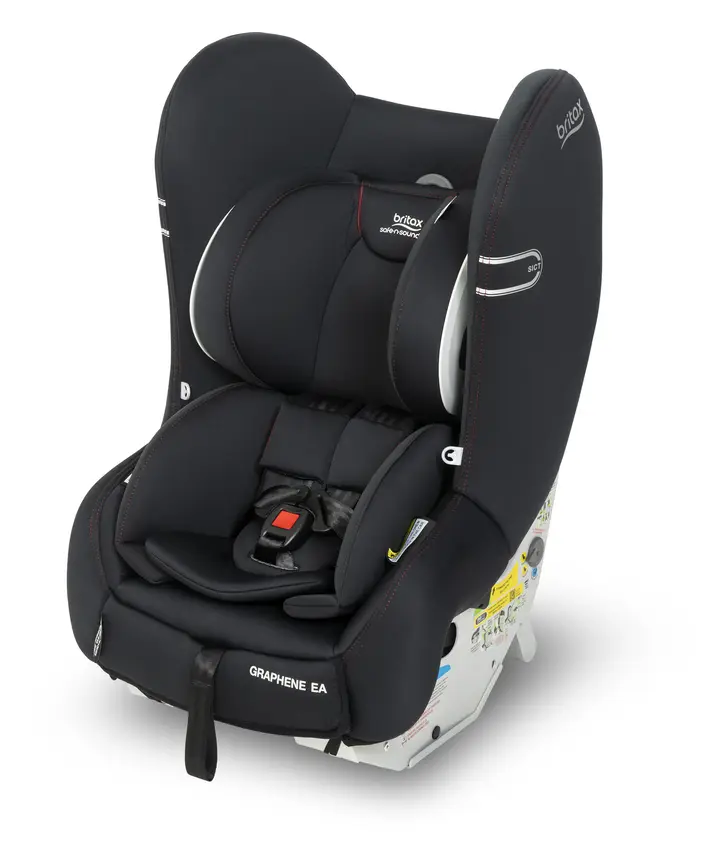
Britax Safe-n-Sound Graphene EA
Britax's Australian convertible seat with SICT side-impact technology, designed to reduce crash energy reaching your child's chest.
 Reviewed
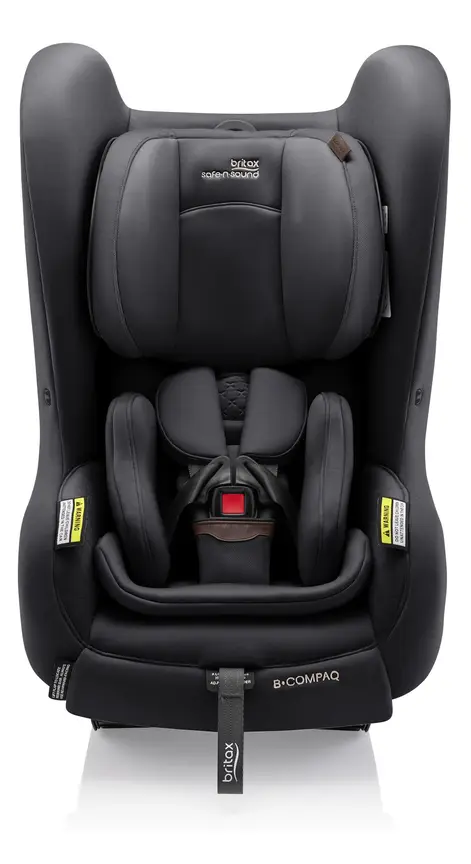
Britax Safe-n-Sound B-Compaq Lux
A convertible seat made for small cars with little room in the back.
Read our full review →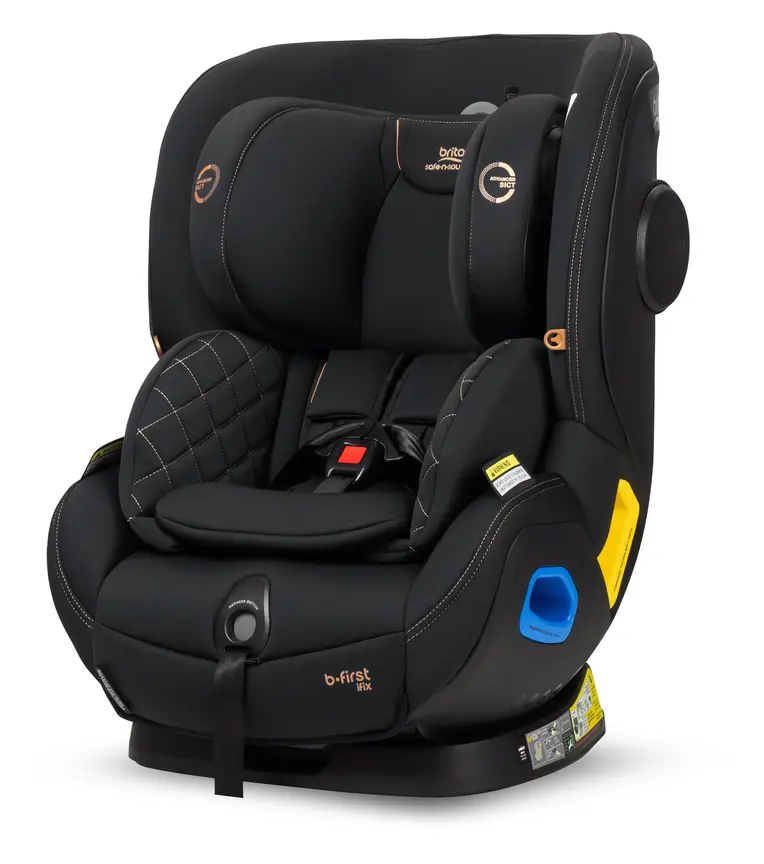
Britax Safe-n-Sound b-first+
Convertible seat from Britax's Australian Safe-n-Sound range with SICT deployable side-impact protection.

Britax Safe-n-Sound Hi Liner SG
A high-back booster for about 4 to 8 years. A clip keeps the seatbelt in the right place.
Maker-supplied insert vs. aftermarket insert
This table shows how the insert that comes with your car seat compares to a third-party insert bought separately.
| Feature | Maker-supplied insert | Aftermarket (third-party) insert |
|---|---|---|
| Crash tested with your seat? | Yes, tested as one full system | No, not tested with your seat |
| Harness fit | Designed to let straps sit flat and snug | Can sit under straps and add dangerous slack |
| Airway safety | Shaped to keep the head in line | Often thick behind the head, pushing chin down |
| Heat and airflow | Matched to the seat's cover fabric | Often thick fleece that traps heat |
| Warranty and rules | Approved by the car seat maker | May void warranty and break local use rules |
| Official advice | Safe to use up to the manual's limit | Safety bodies advise against using it |
How to choose and check the right insert
You do not need to shop for a separate insert for a new car seat. If your seat is made for newborns, the maker will either include an insert in the box or build the seat to fit newborns without one.
1. Check what is in the box
Open your car seat manual and check the parts list. Some seats have a one-piece insert. Others have two or three parts, such as a head pillow, a body cushion, and a small wedge under the bottom. Keep every piece together so nothing goes missing.
2. Check if you lost an insert or bought secondhand
Be very careful with secondhand car seats. Safety groups like Product Safety Australia, RoSPA in the UK, NHTSA in the US, and Transport Canada say you should only use a secondhand seat if you know its full history. It must not have been in a crash, it must have all its parts, and it must not be past its expiry date.
If the original insert is missing, contact the car seat maker. Ask if you can order a replacement insert for your exact model name and number. Never put a pad from another brand into your seat.
3. What if a tiny or premature baby still leans?
Some newborns are very small, especially if they arrive early. Even with the maker's insert, their head or body might still tip to one side.
First, check the car seat manual to see what the maker allows. If the manual allows side rolls, HealthyChildren.org (from the American Academy of Pediatrics) and Transport Canada explain a simple trick:
- Buckle and tighten the harness on your baby first.
- Roll up two small receiving blankets or thin cotton towels.
- Tuck one roll along each side of your baby, between your baby and the side of the seat.
- Do not put any roll behind your baby's back, under their bottom, or between their body and the straps.
- Keep the rolls below your baby's face so air flows freely.
If your baby was born early or has breathing trouble, ask your hospital team or midwife to check your baby in the car seat before you drive home.
How to fit the insert and buckle your baby safely
Even the right insert will not help if the straps are in the wrong place. Follow these steps every time you set up the seat or put your baby in.
- Read the manual for your baby's weight. Check whether your baby's current weight needs the insert in or out. Some seats require the bottom wedge only below a certain weight.
- Check the harness slot height. In a rear-facing seat, the shoulder straps must come out of the seat back at or just below your baby's shoulders. Check that the insert does not block the strap slots.
- Lay the insert flat. Place the insert neatly against the seat cover. Make sure there are no bunches or folds behind your baby's back.
- Seat your baby all the way back. Put your baby's bottom right into the crease where the seat bottom meets the seat back. Do not let them slouch forward.
- Dress your baby in thin layers. Avoid puffy jackets, thick hoodies, or snowsuits.
- Buckle and tighten the harness. Pull the harness tight until it lies flat on your baby's body. Do the pinch test at the collarbone: if you can pinch a fold of strap webbing between your fingers, the straps are too loose.
- Check the head and chin. Make sure your baby's head is upright or leaning gently back. Their chin should stay off their chest.
- Check the seat angle. Most rear-facing seats have a level line or ball gauge on the side. Park on flat ground and check that the seat is tilted back at the angle shown in the manual. A seat that sits too upright makes a newborn's head flop forward.
How to keep your baby cosy without bulky layers
Parents often worry that a newborn will get cold in the car. That is a normal worry, especially in winter. Still, you must never put thick, puffy clothes under the car seat straps.
Why bulky coats are a hazard
Puffy winter coats, padded snowsuits, and thick fleece bunting bags are filled with air and fluff. When you tighten the harness over a puffy coat, the straps feel tight. In a crash, the force squashes the fluff flat in a split second. That leaves a big gap under the straps, and the baby can be thrown forward.
The American Academy of Pediatrics recommends a simple test. Put your baby in the car seat with the coat on and tighten the straps. Take your baby out without loosening the straps. Take the coat off, put your baby back in, and buckle up. If you can fit two or more fingers under the straps now, the coat is too thick for the car seat.
Safe ways to keep your baby warm
- Dress in thin, snug layers: Start with a cotton singlet, then a long-sleeve bodysuit or zip-up cotton sleepsuit. Add a light wool or fleece cardigan only if it is thin and fits close to the body.
- Warm the car first: If it is freezing outside, turn the car heater on for a few minutes before you bring your baby out.
- Use a blanket over the straps: Once the harness is buckled and tight, tuck a light cotton or wool blanket over your baby's legs and tummy. Keep the top edge below chest level and well away from their face.
- Skip car seat sleeping bags with strap holes: Many zip-up footmuffs go behind the baby's back and have slots for the straps. Unless your car seat maker sold it for your exact seat, leave it off.
- Check hats: A thin cotton beanie can keep a newborn warm while walking to the car. Take hats and beanies off once the car warms up so your baby does not get too hot.
Keeping your baby cool in warm weather
Cars heat up very fast in summer, even on mild days. A baby sitting inside a padded insert can get sweaty and hot quickly.
- Dress your baby in a single light layer, such as a short-sleeve bodysuit, in hot weather.
- Feel the back of your baby's neck or their tummy to check their warmth. Hands and feet often feel cool even when a baby is warm enough. If the neck feels sweaty or damp, take off a layer.
- Use a stick-on sun shade on the side window, or park in the shade when you can.
- Never drape a blanket, muslin wrap, or towel over the whole capsule to block the sun. It traps hot air inside and stops you from seeing your baby.
- Never leave a baby alone in a parked car, even for one minute with the windows cracked.
Side by side: more car seats & capsules to compare
Real products from our catalogue. We don't show star ratings or review counts; check the current price, stock and reviews on Amazon before you buy.

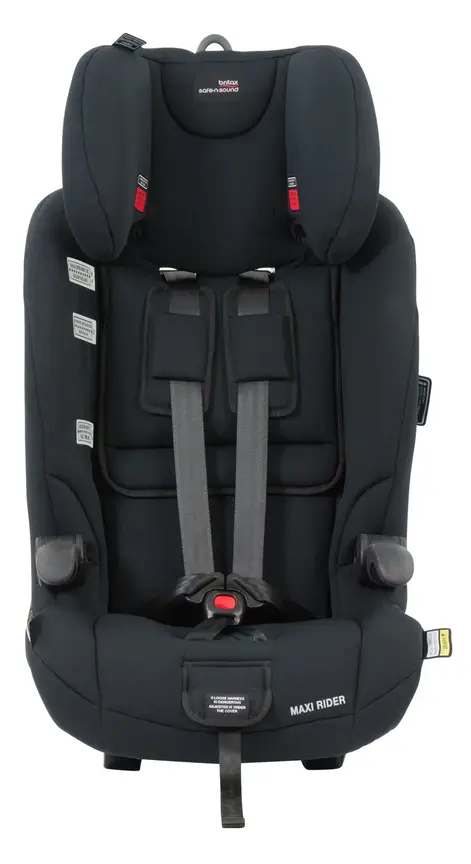
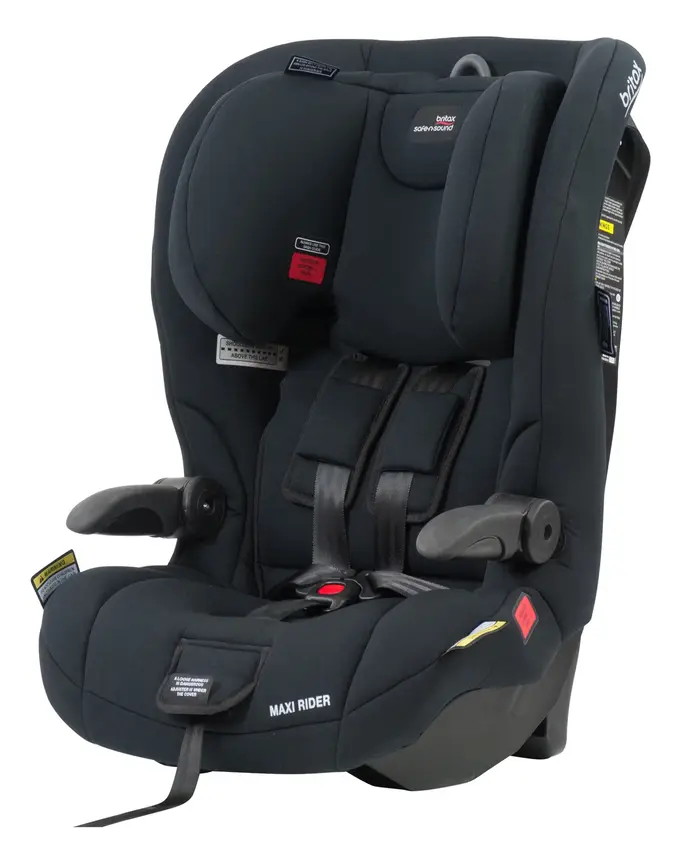
Britax Safe-n-Sound Maxi Rider
A seat with a harness from 12 months to about 4 years. Then it becomes a booster up to 6–8 years.
Read our full review →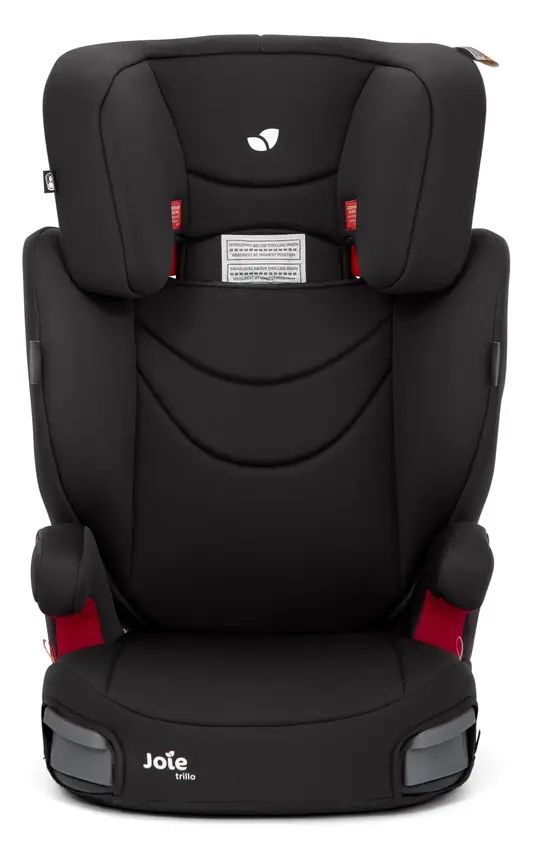
Joie Trillo
A high-back booster with a 7-position headrest that grows with your child.

Babylove ezymove Booster
A very light, low-cost booster for about 4 to 8 years. It folds flat for storage.
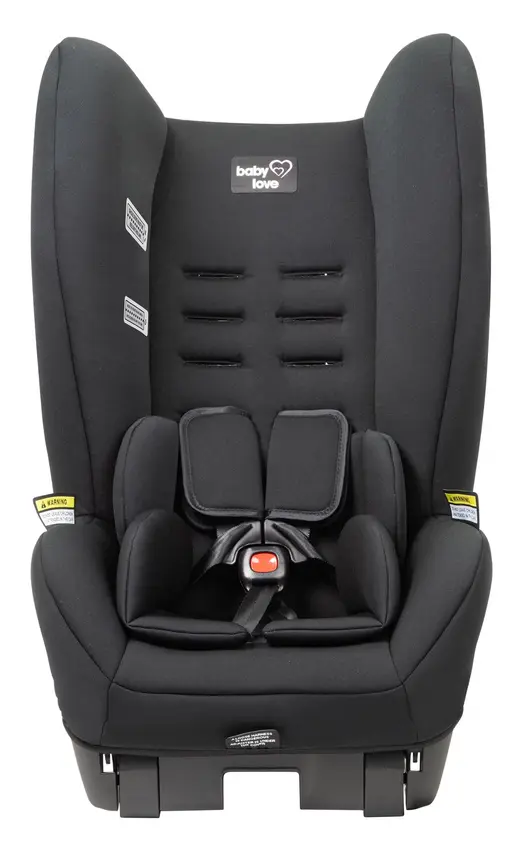
Babylove ezyone2
A very low-cost convertible seat. Rear-facing to about 12 months, then forward-facing to about 4 years.
When to adjust or remove the infant insert
An infant insert is a short-term helper. Leaving it in for too long is just as bad as using the wrong one. As your baby grows, a tight insert can push their shoulders forward, crowd their hips, or force their chin onto their chest.
Check your car seat manual for the exact weight or height limit for removing the insert. Some seats let you remove the bottom wedge first and keep the head hugger a bit longer. Other seats ask you to take the whole insert out at once.
Signs your baby has outgrown the insert
- Your baby has reached the weight or length limit printed in the manual.
- Your baby's shoulders look squashed or pushed forward by the side pads.
- The head cushion pushes your baby's head down toward their chest.
- You need to move the shoulder straps up, and the insert blocks the higher slots.
- Your baby's head fits comfortably inside the seat's main headrest without slumping.
Taking the newborn insert out does not mean it is time to turn the seat around. Keep your baby rear-facing for as long as your seat and local road rules allow. Rear-facing gives the best protection for a young child's head, neck, and spine.
Car seat insert stages at a glance
| Stage | What is happening | What to do with the insert |
|---|---|---|
| Newborn (often up to about 4 to 6 kg, check manual) | Head is heavy, neck is weak, body is small in the seat | Use the maker's insert if the manual says to. Keep straps snug and thin layers only. |
| Growing infant (check manual weight and shoulder markers) | Better neck control, shoulders fill out the seat | Remove the wedge or full insert as directed in the manual. Move straps up if needed. |
| Older baby and toddler | Strong neck and torso, still safest facing the back | No newborn insert. Keep the seat rear-facing until your child hits the seat's rear-facing limit. |
Car seat safety rules in Australia, the UK, the US and Canada
Each country sets its own car seat safety laws and testing rules. You should only buy and use a seat that meets the standard where you live. Never import a car seat from another country, as local rules, clips, and tether straps differ.
Even though the test codes differ, all four countries agree on inserts: use only what the seat maker approves, keep straps tight, and avoid bulky add-ons.
| Country | Main official bodies | Car seat standard code | Rule on inserts and add-ons |
|---|---|---|---|
| Australia | Product Safety Australia (ACCC), Raising Children Network, Kidsafe, Red Nose | AS/NZS 1754 | Only use inserts and covers supplied or approved by the seat maker for that model. |
| United Kingdom | GOV.UK, Office for Product Safety and Standards, RoSPA Child Car Seats, The Lullaby Trust, NHS | R129 or ECE R44 | Use only maker-approved newborn inserts. Avoid thick coats and unapproved padding under straps. |
| United States | NHTSA, American Academy of Pediatrics (HealthyChildren.org), CPSC | FMVSS 213 | Do not add aftermarket pads, strap covers, or cushions behind or under the baby. |
| Canada | Transport Canada, Health Canada, Caring for Kids (Canadian Paediatric Society) | CMVSS 213 | Only use inserts included with the seat. No bulky winter gear or unapproved add-ons under the harness. |
Safe sleep and time limits in a car seat
Babies often fall asleep as soon as the car starts moving. That is fine during a drive, as long as your baby is buckled in properly and the seat is at the right angle in the car.
However, a car seat is made for travel, not for routine sleep at home. Red Nose in Australia, The Lullaby Trust in the UK, the American Academy of Pediatrics in the US, and Caring for Kids in Canada all give the same clear warning.
Take your baby out when you arrive
When you get home, take your sleeping baby out of the car seat and place them on their back on a firm, flat mattress in a clear cot or bassinet. Do not leave a baby sleeping in a capsule on the living room floor, on a sofa, or clicked onto a pram frame for hours at home.
Why does this matter? When a capsule sits on the floor or a soft couch, it tilts differently than it does on its car base. That tilt can let a baby's heavy head tip forward onto their chest, which can make breathing harder. A flat, firm cot mattress keeps their airway straight and open.
Take breaks on long trips
On long drives, plan regular stops to take your baby out of the seat. Give them a feed, change their nappy, and let them lie flat and stretch for a while. Watch your baby closely if they are very young or were born early, and have an adult sit in the back with them if you can.
Common mistakes parents make with car seat inserts
Most car seat mistakes happen when parents try to make their baby look extra cosy. Watch out for these common traps:
- Buying cute pillows online: Soft banana-shaped neck pillows, plush animal headrests, and thick strap pads look sweet in photos, but they are not safe in a car seat.
- Putting a pad behind the baby's back: Anything tucked behind your baby pushes them forward and changes how the harness holds them in a crash.
- Leaving the insert in too long: Parents often forget to remove the newborn pad once the baby grows. Check your manual every month or two as your baby puts on weight.
- Dressing baby in a puffy snowsuit: Heavy coats under the straps create hidden slack. Always buckle first, then put a blanket on top.
- Using a car seat from another country: A seat bought overseas will not meet your local road laws and may not fit your car's anchors.
- Washing the insert the wrong way: Hot water, bleach, or tumble dryers can shrink foam or ruin fire-safe fabric coatings. Always follow the washing label on the insert and cover.
- Leaving straps loose to "give baby room": Loose straps are dangerous even with a snug insert. Always do the pinch test at the collarbone.
More options, from budget to premium
Real products from our catalogue. We don't show star ratings or review counts; check the current price, stock and reviews on Amazon before you buy.

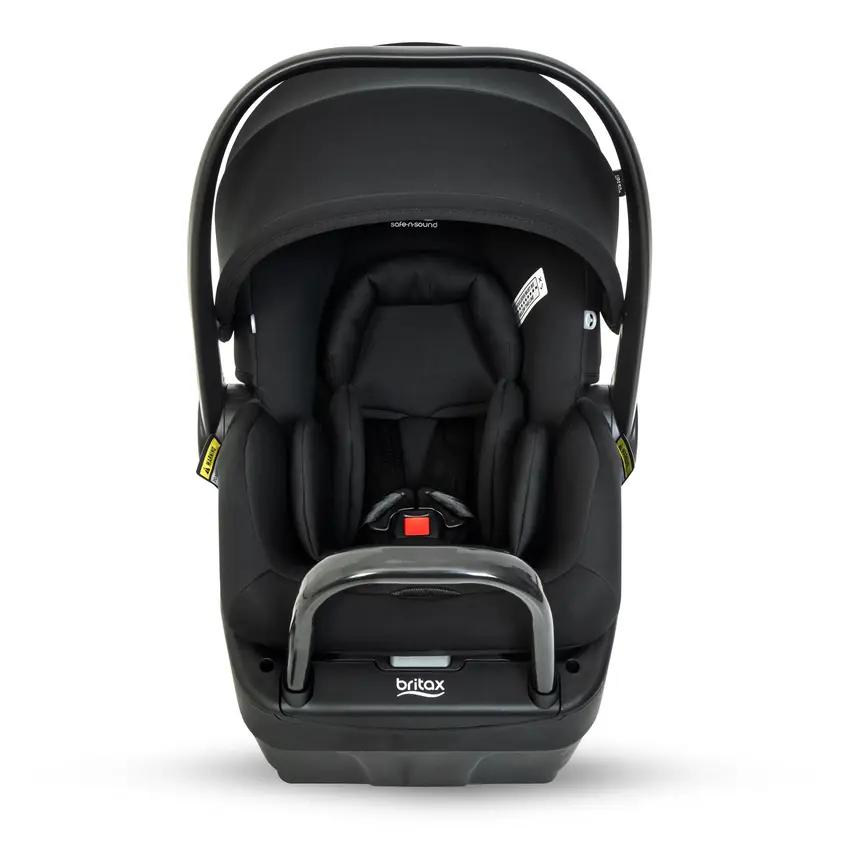
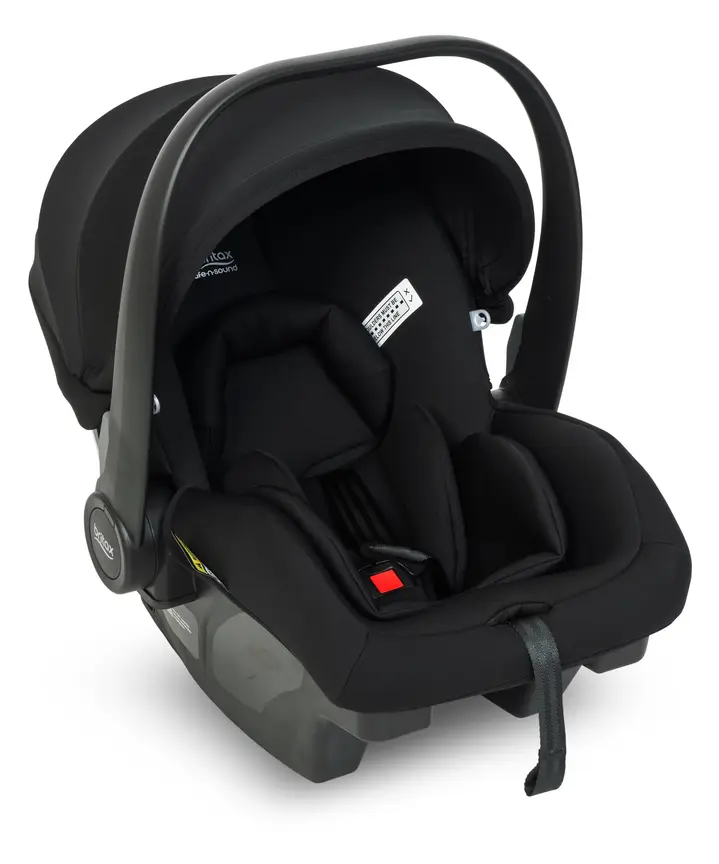
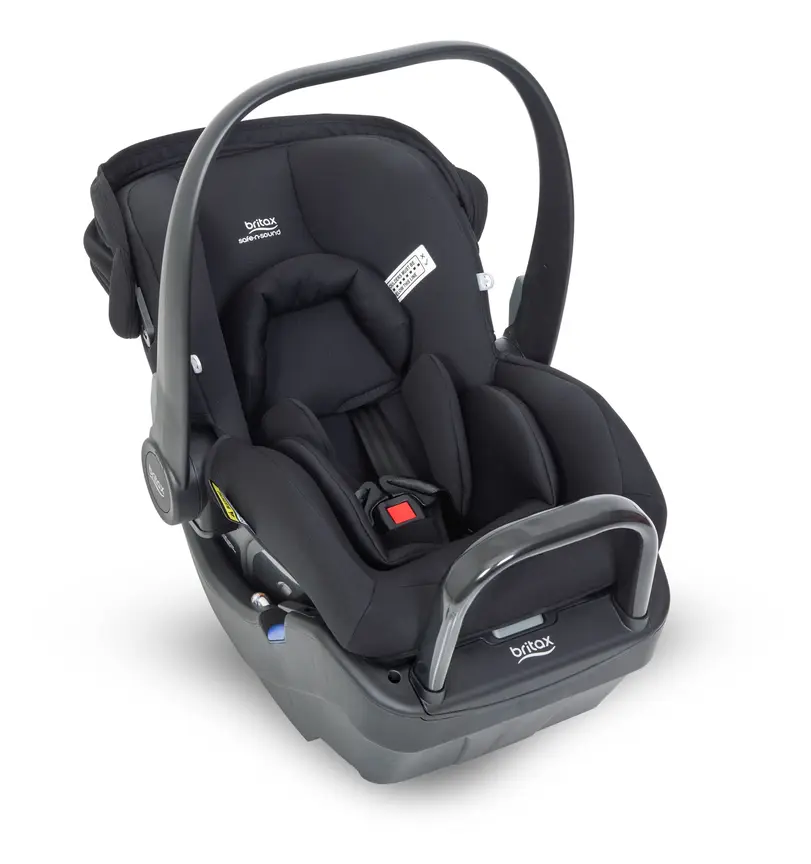
Britax B-Pod Lite
A newborn capsule with a ClickTight base, which makes a firm install simpler.
Read our full review →
Britax Safe-n-Sound Atlas-GRO II Harnessed Car Seat
Harnessed booster seat
Frequently asked questions
Can I buy a universal infant car seat insert online?
No. Safety bodies in Australia, the UK, the US, and Canada advise against universal aftermarket inserts. They have not been crash-tested with your car seat. They can add slack to the harness or push your baby's chin onto their chest. Always use the insert made for your exact seat model.
When should I take the newborn insert out of the car seat?
Check your car seat's instruction manual for the exact weight or height limit. Every brand is different. Most makers ask you to remove the insert once your baby reaches a set weight, or when the insert starts crowding their shoulders or pushing their head forward.
Is it safe to put a blanket over my baby in a car seat?
Yes, as long as the blanket goes over the buckled harness, not under it. First, dress your baby in thin layers and tighten the straps snugly. Then tuck a light blanket over their legs and chest, keeping it below the shoulders and away from their face.
What if my newborn's head still flops forward with the insert in?
First, check the recline angle of your car seat base. A seat that is too upright makes a newborn's head tip forward. Park on flat ground and check the level indicator on the side of the seat. Also check that the harness is tight and your baby's bottom is all the way back. If your baby's head still drops forward, contact your car seat maker or a certified car seat fitter.
Can I wash my infant car seat insert?
Most maker-supplied inserts can be cleaned, but you must follow the manual. Many makers ask for cold gentle hand washing and air drying flat. Never use bleach, fabric softeners, or a hot dryer, because harsh heat and chemicals can weaken the foam or fabric. Never wash the harness straps in a washing machine—wipe them gently with a damp cloth and mild soap if needed, as shown in the manual.
Can my baby sleep in their car seat once we get home?
No. A car seat is for travel, not for routine sleep. When your trip ends, lift your baby out and place them on their back on a firm, flat mattress in a cot or bassinet. Leaving a baby to sleep in a tilted car seat at home raises the risk of breathing problems.
Do I need an insert for a premature or very small baby?
If your baby is very small or born early, check that your car seat is rated down to your baby's birth weight. Use the newborn insert that came with the seat if your baby meets the manual's rules. Ask your hospital's maternity or neonatal team to check your baby in the car seat before your first trip home. If the manual allows it, you can place thin rolled blankets along the sides of your baby after buckling, never behind or under them.
Sources
- Raising Children Network – Child car seats and restraints
- Red Nose Australia – Take your sleeping baby out of their car seat when you get home
- Product Safety Australia (ACCC) – Car seats guide
- The Lullaby Trust (UK) – Car seats
- Child Car Seats (UK, RoSPA) – Choosing and using
- HealthyChildren.org (AAP) – Car seats: information for families
- AAP HealthyChildren.org – Winter car seat safety tips
- Transport Canada – Stage 1: rear-facing seats
Related guides
More Car Seats & Travel →
Convertible Car Seat vs Infant Capsule: Safety, Cost Per Year and Your Baby's Back

How to Choose a Safe Travel Crib or Portable Cot for Your Baby
How to Make Sure a Travel Crib or Portacot Is Safe and Secure for Your Baby