














Are Cheap Convertible Car Seats Safe? What a Lower Price Does and Doesn't Mean
A low-priced convertible car seat can be just as safe as a dear one, if it meets your country's standard and fits your car and child. Here's how to check.

On this page
- What a convertible car seat is
- Why price is not the same as safety
- Independent crash ratings: a better way to compare
- What you usually get when you pay more
- Red flags: when a cheap seat is NOT safe
- Fit matters more than price
- Car seat laws and standards side by side
- What to look for at each stage
- Safe ways to save money on a car seat
- How to check a budget seat in the shop: step by step
- Fitting a convertible seat correctly
- Should you hire, borrow or buy?
- Common mistakes
- FAQ
- Sources
Short answer: Yes, a lower-priced convertible car seat can be safe. In Australia, the UK, the US and Canada, every car seat sold must pass the same legal safety standard, whatever it costs. What makes the biggest difference is not the price tag. It is whether the seat meets your country's standard, fits your car, fits your child, and is installed and used correctly every trip.
Key points
- Cheap and dear seats sold in the same country must pass the same mandatory tests.
- Extra money often buys comfort, easier fitting, longer rear-facing limits or nicer fabric, not always more crash protection.
- Independent ratings exist in some places. Australia has the Child Car Seats crash test ratings. Use them to compare seats beyond the legal minimum.
- Avoid seats bought from overseas sites without your country's approval label. They may be illegal to use and may not fit local cars.
- A well-fitted budget seat is safer than an expensive seat that is fitted wrong.
What a convertible car seat is
A convertible car seat can be used rear-facing for babies and then turned to face forward for older children. Some go from birth; others start from a set weight or height. Many have a built-in five-point harness. That means two shoulder straps, two hip straps and one strap between the legs.
Because one seat covers several years, it is often the biggest single purchase in the baby budget. That's why so many parents ask whether a cheaper one is good enough.
Why price is not the same as safety
In each of the four countries, car seats must meet a legal standard before they can be sold. The standard includes crash tests. A seat that fails can't legally be sold.
- Australia: All car seats sold must meet the mandatory standard for child restraints, which is based on AS/NZS 1754 (the Australia–New Zealand car seat standard). Product Safety Australia says buying a seat that complies means it is designed and built to reduce the risk of injury.
- UK: Seats must be approved to UN rules R129 (i-Size) or ECE R44. The label shows a capital "E" in a circle.
- US: Seats must meet Federal Motor Vehicle Safety Standard 213 (FMVSS 213). NHTSA says all car seats sold in the US must meet these standards.
- Canada: Seats must carry the National Safety Mark showing they meet Canada Motor Vehicle Safety Standards. Caring for Kids tells parents to check for it.
So, a budget seat and a premium seat sold side by side in the same shop have both passed the same legal tests.
But the legal test is a minimum. Some seats do better than the minimum. That is where independent ratings help.
Independent crash ratings: a better way to compare
Some countries run testing programs that go beyond the legal minimum.
- Australia: The Child Restraint Evaluation Program (CREP) tests seats for how well they protect in a crash and how easy they are to use correctly. It is run by a partnership of Transport for NSW, the Transport Accident Commission, the Victorian Department of Transport and Kidsafe Australia. Results are on the Child Car Seats website, where you can compare more than 200 seats.
- UK: RoSPA's Child Car Seats site helps parents choose. Many UK parents also look at independent consumer tests.
- US: NHTSA gives "ease of use" ratings, which show how easy a seat is to fit and use correctly. A seat that is easy to use is more likely to be used right.
- Canada: Transport Canada runs the safety standards and keeps a recall database. It does not publish star ratings, so check labels, recalls and fit.
When you compare ratings, you will often find that some lower-priced seats score as well as dearer ones, and some expensive seats don't stand out. Look at the actual result, not the price.
Car Seats & Capsules worth a look
Real products from our catalogue. We don't show star ratings or review counts; check the current price, stock and reviews on Amazon before you buy.
 Reviewed
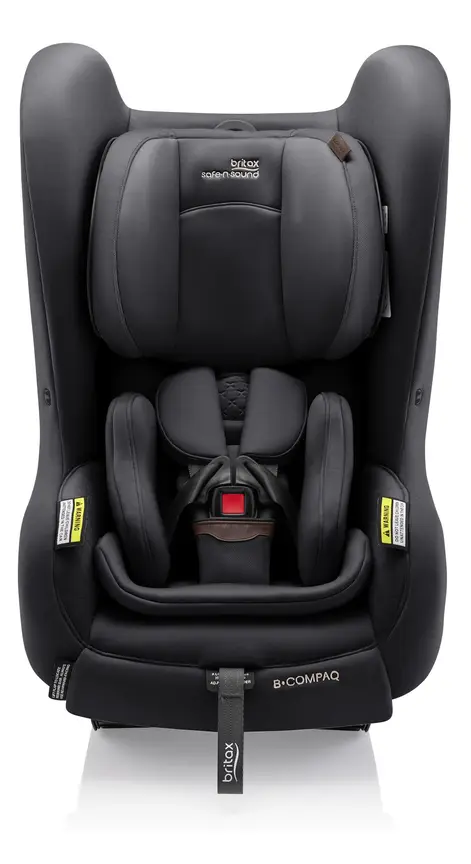
Britax Safe-n-Sound B-Compaq Lux
A convertible seat made for small cars with little room in the back.
Read our full review →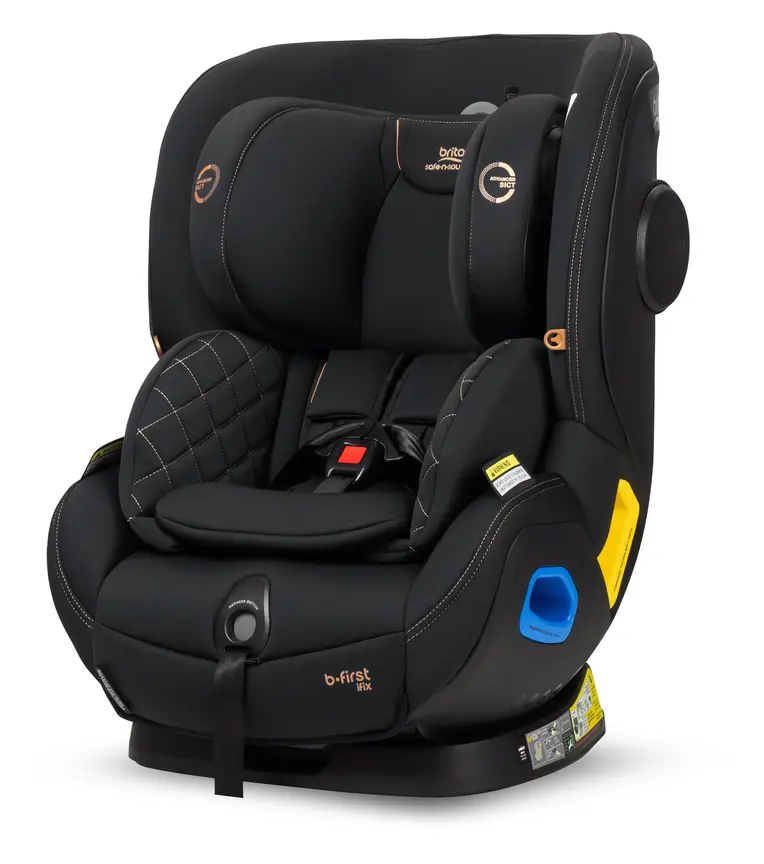
Britax Safe-n-Sound b-first+
Convertible seat from Britax's Australian Safe-n-Sound range with SICT deployable side-impact protection.
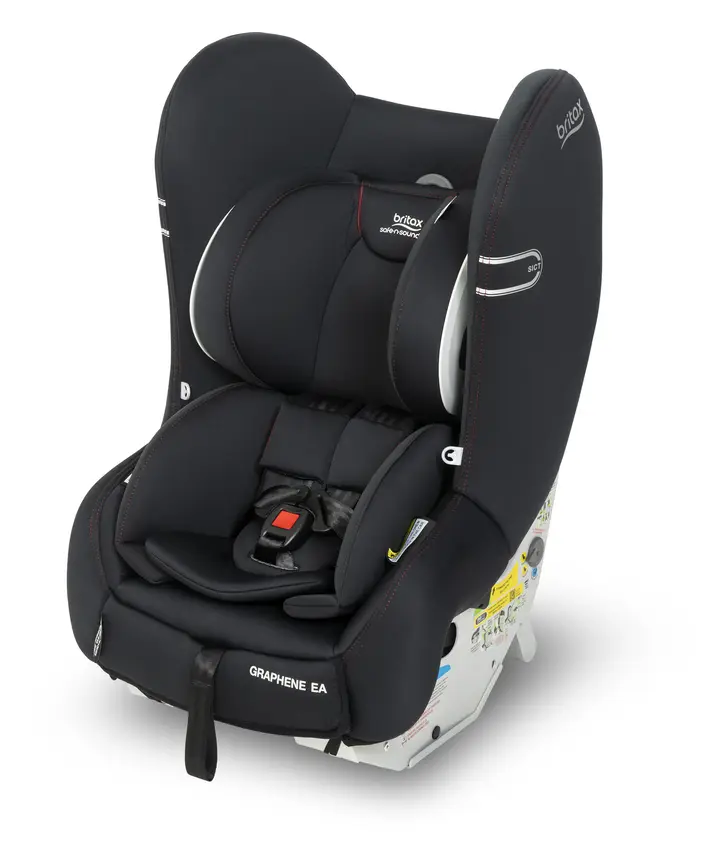
Britax Safe-n-Sound Graphene EA
Britax's Australian convertible seat with SICT side-impact technology, designed to reduce crash energy reaching your child's chest.

Britax Safe-n-Sound QuickFix Convertible Car Seat
Convertible car seat (ISOFIX)
What you usually get when you pay more
| Feature | Common on budget seats? | Does it affect safety? |
|---|---|---|
| Passes the legal crash standard | Yes, always (if sold legally) | Yes, this is the base level. |
| ISOFIX / LATCH / lower anchor connectors | Sometimes | Can make correct fitting easier. A seat-belt fit done right is also safe. |
| Rotating base | Rarely | Mainly convenience. Makes it easier to load a child. |
| Longer rear-facing limits | Varies | Yes, can let your child stay rear-facing longer, which safety groups recommend. |
| Load leg or anti-rebound bar | Sometimes | Can reduce movement in a crash. Check ratings to see if it made a difference. |
| Side impact pods or wings | Varies | May help in side crashes. Ratings show how well it works. |
| Softer fabric, more padding, cup holders | Less often | Comfort only. |
| Easy-adjust harness and headrest | Sometimes | Indirectly: easier to get the fit right every time. |
| Lighter weight | Varies | No, but handy if you move seats between cars. |
Ease of use matters more than many parents think. A seat that is hard to tighten or adjust is more likely to end up loose or with the harness in the wrong slot. That can wipe out the benefit of a better crash score.
Red flags: when a cheap seat is NOT safe
Some low prices are a warning sign. Walk away if:
- There is no approval label for your country. Seats bought from overseas websites may be approved somewhere else, but not where you live. Transport Canada warns parents to be careful buying car seats online and across the border.
- It is second-hand and you don't know its history. A seat that has been in a crash can be damaged in ways you can't see. Product Safety Australia says don't use a second-hand seat if you're unsure of its history, condition or age.
- It is past its expiry date. Seats expire because plastic and metal wear out. The date is usually on a label or stamped into the shell.
- Parts or instructions are missing. Without the manual you can't be sure you're fitting it right.
- It has been recalled. Check your country's recall list before you buy or use any seat.
- It is a "travel" or "portable" harness or vest that isn't an approved car seat. Some products sold online look like seats but aren't legal restraints.
Fit matters more than price
A correctly fitted seat that suits your car and child is the goal. Try before you buy if you can. Child Car Seats UK recommends taking your child and car with you and finding a retailer who will help you test the seat in your car.
Check these things in the car:
- The seat sits firmly, with no more than a little movement at the belt path or anchor points.
- Rear-facing, the recline indicator reaches the right range.
- It doesn't push the front seat so far forward that the driver or passenger is cramped.
- You can reach and tighten the harness easily.
- Your child fits within the weight and height limits for the way you plan to use it.
Then do the harness checks every trip: straps at or just below the shoulders when rear-facing, no twists, and you can't pinch any slack at the shoulder. No puffy jackets under the harness.
Car seat laws and standards side by side
| Country | Standard | Rear-facing rule (legal minimum) | Recalls |
|---|---|---|---|
| Australia | AS/NZS 1754 (mandatory) | Rear-facing until at least 6 months. Rear or forward-facing with harness from 6 months to 4 years. | Product Safety Australia |
| UK | UN R129 (i-Size) or ECE R44 | Height-based (i-Size) seats: rear-facing until over 15 months. | Office for Product Safety and Standards; DVSA recalls |
| US | FMVSS 213 | Laws vary by state. The AAP advises rear-facing as long as possible, to the seat's limits. | NHTSA |
| Canada | CMVSS (National Safety Mark) | Provincial laws vary. Caring for Kids advises rear-facing until the seat's limit, often 2 to 4 years. | Transport Canada recalls database |
The legal minimum is not the safest choice. All four countries' safety groups advise keeping children rear-facing for as long as the seat allows. When comparing budget seats, check the rear-facing weight and height limits. A seat with higher limits can be a better buy even if it costs a little more.
What to look for at each stage
Birth to about 12 months
If you'll use the convertible seat from birth, check the newborn fit. Look for a low harness slot, a newborn insert supplied by the maker, and a recline that reaches the newborn range in your car. Some budget convertible seats fit tiny babies poorly. An infant capsule may suit the first months better.
1 to 4 years
This is when rear-facing limits matter. A seat that lets your child stay rear-facing to a higher weight or height gives you more choice. Check the harness can rise high enough as your child grows.
4 years and up
Some convertible seats then become a booster. Check the forward-facing harness limit. Caring for Kids says to keep a child in a five-point harness until at least 18 kg and they can sit properly. Australian law requires a harness or booster from 4 to 7 years.
Side by side: more car seats & capsules to compare
Real products from our catalogue. We don't show star ratings or review counts; check the current price, stock and reviews on Amazon before you buy.
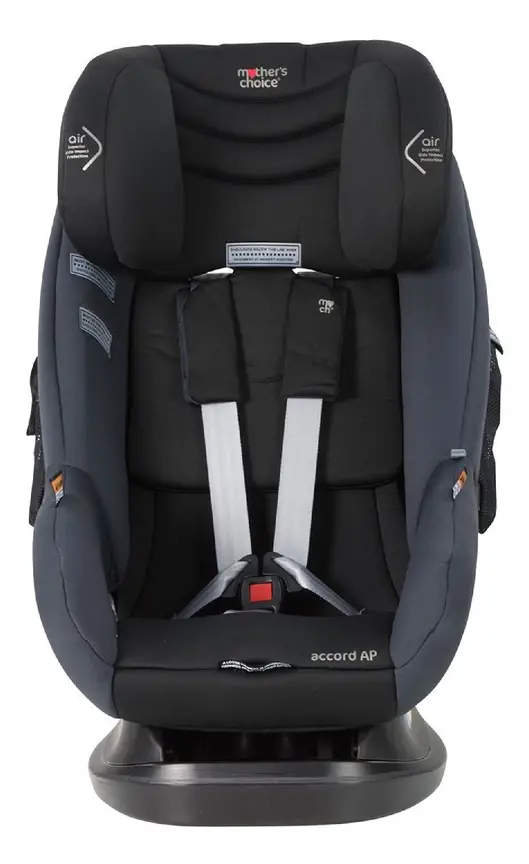
Mother's Choice Accord AP
A lower-cost convertible seat. It stays rear-facing to about 30 months and has ISOFIX connectors.
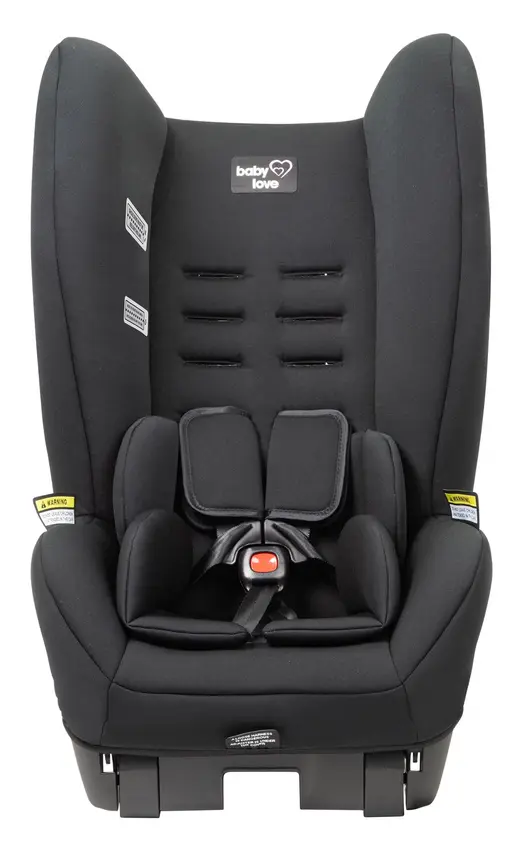
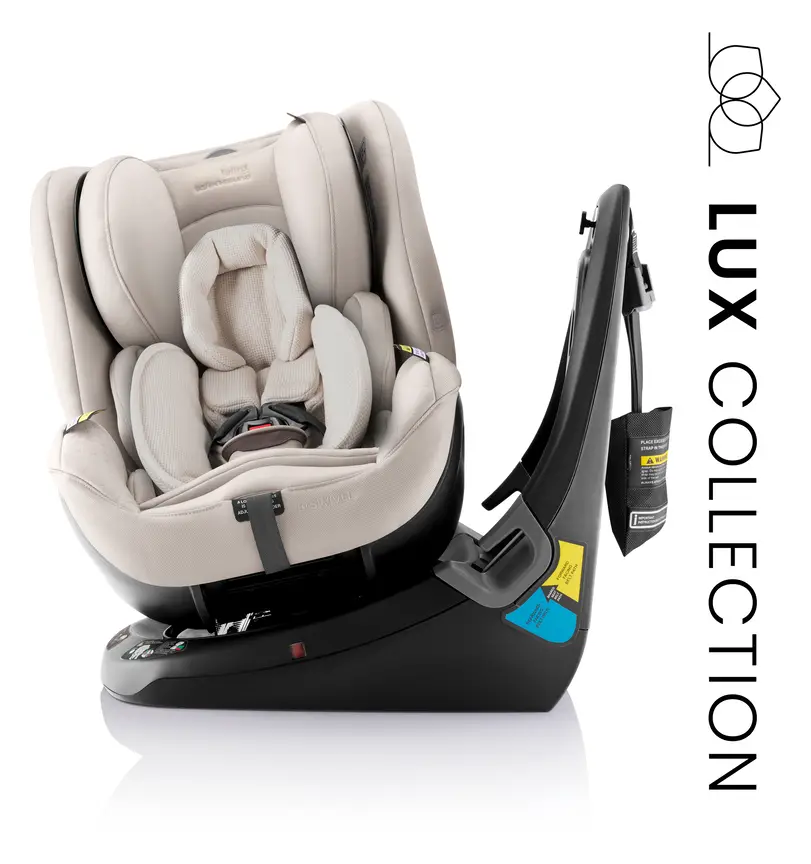
Babylove ezyone2
A very low-cost convertible seat. Rear-facing to about 12 months, then forward-facing to about 4 years.

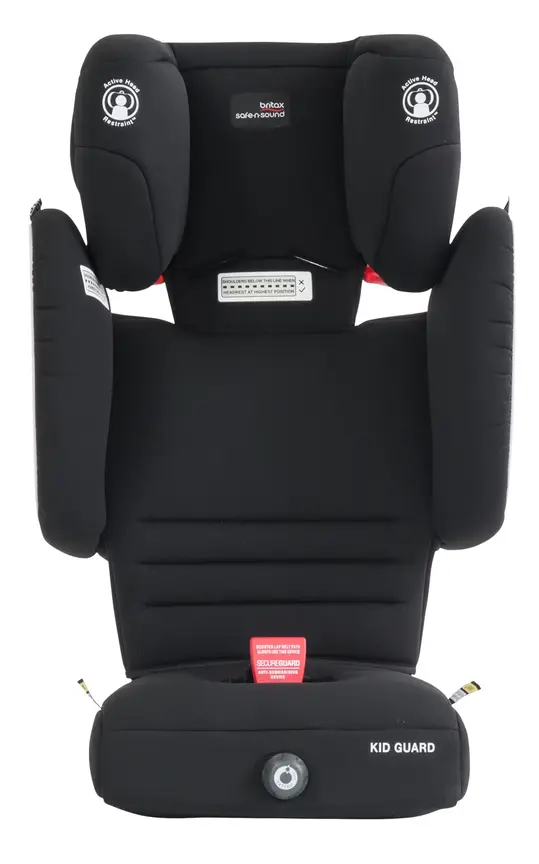
Britax Safe-n-Sound Hi Liner SG
A high-back booster for about 4 to 8 years. A clip keeps the seatbelt in the right place.
Safe ways to save money on a car seat
- Compare ratings, not brands. A lesser-known brand with a good rating can beat a famous one.
- Buy last year's model. When a new colour or version comes out, older stock is often cheaper and still meets the standard. Check the manufacture date so you get the most years before expiry.
- Look for hire or loan schemes. In Australia, some councils, hospitals and Kidsafe branches hire capsules and seats. Some UK and Canadian services do too.
- Get free or low-cost fitting. Some fitters and shops check fitting for free when you buy.
- Skip the extras. You don't need add-on head pillows, strap covers or seat liners. These can make the seat less safe.
How to check a budget seat in the shop: step by step
Before you pay, spend ten minutes with the seat. This is the best way to spot a good budget buy.
- Find the approval label. It is usually on the side or back of the shell. Check it names your country's standard (see the table above).
- Find the date of manufacture. It is often a sticker or a stamp moulded into the plastic. A seat made recently will last longer before it expires.
- Read the limits. Look for the rear-facing weight and height limits, and the forward-facing limits. Write them down so you can compare seats.
- Move the harness. Try raising and lowering the shoulder straps. Some seats need you to rethread the straps by hand. Others have a headrest that moves the straps for you. The easier it is, the more likely you are to keep it right as your child grows.
- Tighten and loosen the harness. It should pull tight with one smooth pull, and loosen easily.
- Look at the buckle. It should click firmly and need a firm press to open.
- Feel the fabric and padding. Check that covers come off for washing and go back on without blocking the harness slots.
- Ask to try it in your car. Fit is the big one. A seat that won't sit at the right angle or squashes the front seat is not the right seat for you, whatever it costs.
Fitting a convertible seat correctly
A low-cost seat fitted well beats an expensive seat fitted badly. Here is the general method. Always follow your own seat's manual and your car's manual too.
- Pick the seating position. The back seat is the safe place. Many parents use the centre or the side behind the passenger. Check where your car has anchor points.
- Choose the fitting method. Use either the seat belt or the ISOFIX/LATCH/lower anchor connectors, as the manual says. Don't use both unless the manual allows it.
- Set the recline. For rear-facing, set the angle so the indicator is in the right range for your child's age.
- Push down and tighten. Put your knee or hand into the seat and press down while you pull the belt or strap tight.
- Attach the top tether if your seat has one and it is used in this mode. In Australia, forward-facing seats use a top tether strap. In the US and Canada, the AAP and Transport Canada say to use the tether whenever you can when forward-facing.
- Test it. Hold the seat at the belt path and tug side to side and front to back. It should move only a little.
- Check again every few weeks. Belts can loosen over time.
If anything is unclear, get a trained fitter to check it. That one visit can be the best money (or free help) you spend.
Should you hire, borrow or buy?
For the convertible stage, most families buy, because the seat is used for years. Hiring can make sense for short stays, such as grandparents' cars or holidays. Borrowing from family can work if you know the seat's full history, it has never been in a crash, and it is not expired or recalled. If any of those things are unknown, it's safer to buy new, even if it's a budget model.
Common mistakes
- Buying online from overseas to save money, then finding it isn't legal or doesn't fit.
- Choosing the cheapest second-hand seat without checking its age, history and recalls.
- Turning a child forward-facing too early to "get more use" from a budget seat.
- Assuming a seat is fitted right because it "feels firm". Use the manual, or get it checked.
- Adding accessories to make a cheap seat feel more padded.
- Not registering the seat with the maker, so you miss recall notices.
More options, from budget to premium
Real products from our catalogue. We don't show star ratings or review counts; check the current price, stock and reviews on Amazon before you buy.

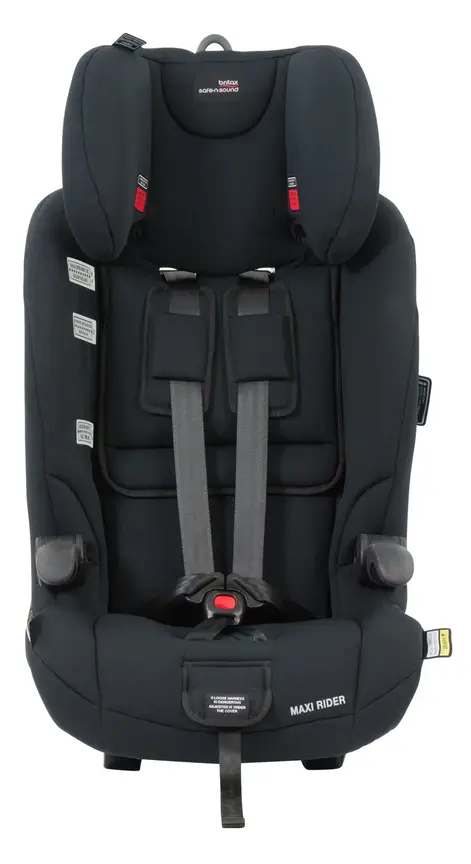
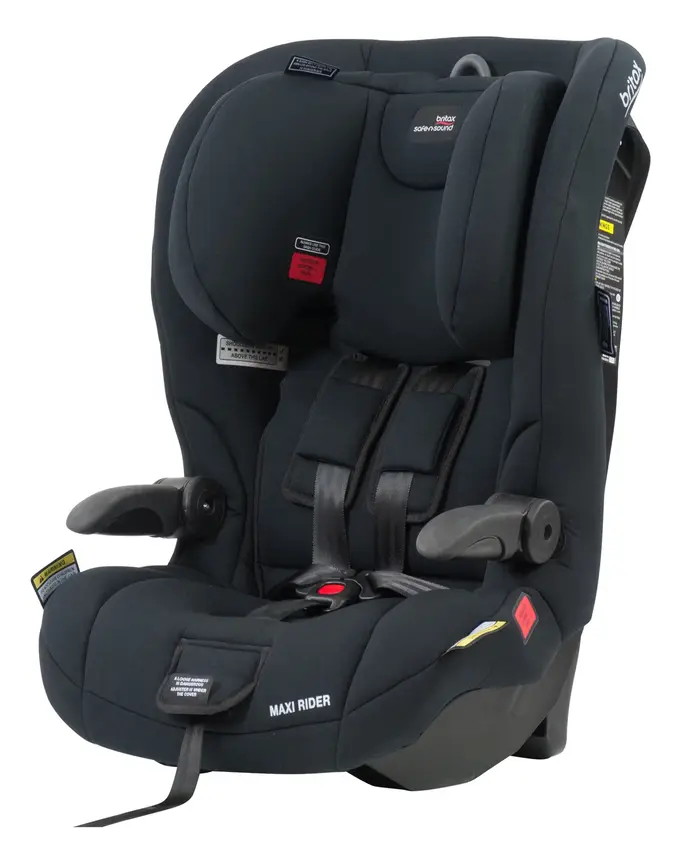
Britax Safe-n-Sound Maxi Rider
A seat with a harness from 12 months to about 4 years. Then it becomes a booster up to 6–8 years.
Read our full review →
Britax Safe-n-Sound Atlas-GRO II Harnessed Car Seat
Harnessed booster seat
FAQ
Is a more expensive car seat always safer?
No. All seats sold legally must pass the same standard. Some dearer seats do better in independent tests, but so do some cheaper ones. Check ratings where they exist.
Can I use a car seat bought overseas?
Usually not. Each country has its own approval label. In Australia, only seats meeting AS/NZS 1754 can be used. In Canada, look for the National Safety Mark. In the UK, the "E" mark with R129 or R44.
Is a second-hand seat a good way to save money?
Only if you know its full history, it has never been in a crash, it isn't expired or recalled, and it comes with all parts and the manual. Many safety groups say new is best.
Do ISOFIX seats protect better than seat-belt fitted seats?
Both are safe when fitted correctly. ISOFIX or LATCH can make it easier to get a tight fit. Check ratings for the exact seat.
How long will a convertible seat last?
Check the expiry date on the label. Many last several years, but the date varies by brand. Caring for Kids reminds parents that all car seats expire.
Do budget seats wear out faster?
Not always. Every seat has an expiry date set by the maker. Fabric and padding on cheaper seats may look worn sooner, but that is about looks. What matters is that the shell, buckle and harness work and the seat is within its date.
Is a convertible seat or an infant capsule better for a newborn?
Both can be safe. Capsules often fit tiny babies better and can be carried. A convertible seat from birth saves buying twice, but check the newborn fit carefully.
Should I replace a seat after a crash?
Follow the maker's advice and your local road authority. Many makers say to replace a seat after any crash, even if it looks fine, because damage may not be visible.
Where can I get my seat checked?
In Australia, look for a trained restraint fitter through your state road authority or Kidsafe. In the UK, ask trained retailers. In the US, NHTSA can help you find a certified technician. In Canada, ask your local public health unit or Transport Canada.
Sources
- Product Safety Australia (ACCC) – Car seats guide
- Transport for NSW – Child car seats
- Child Car Seats (Australia) – Independent crash test ratings
- GOV.UK – Child car seats: the law
- Child Car Seats (UK, RoSPA) – Choosing and using
- NHTSA (US) – Car seats and booster seats
- HealthyChildren.org (American Academy of Pediatrics) – Car seats: information for families
- Transport Canada – Child car seat safety
- Caring for Kids (Canadian Paediatric Society) – Car seat safety
Related guides
More Car Seats & Travel →
Budget Convertible Car Seats: How to Choose a Safe Seat for Less
Anti-Rebound Bar vs Load Leg in Car Seats: What Each One Does for Your Baby

Are Travel Cots Safe for Babies? What Makes Them Safe, and When They Aren't
