






Budget-Friendly Baby Gear: What New Parents Really Need
A simple guide to buying useful baby gear on a budget, with safe choices for sleep, travel, feeding and changing in four countries.
On this page
- Start with your family's needs
- Ten useful items to consider
- Make a budget without cutting safety
- New, borrowed or second-hand?
- Compare common choices
- Sleep gear: keep the setup simple
- Travel gear: buy for the trips you take
- Feeding and changing: start with what you use
- Age stages: what may be useful later
- Safety checks before using any item
- Official guidance in four countries
- Common money mistakes
- Frequently asked questions
- Sources and further guidance
- Sources
Short answer: You do not need to buy everything before your baby arrives. Start with a safe place to sleep, a way to travel, clothes, nappies, and feeding supplies that suit your family. Borrow or buy second-hand where it is safe. Check every used item for damage, missing parts, and recalls. Spend more only when an item solves a real daily need.
BabyGearFinder serves families in Australia, the UK, the US and Canada. Official advice comes from Product Safety Australia and Red Nose in Australia, the Office for Product Safety and Standards and the NHS in the UK, the Consumer Product Safety Commission and American Academy of Pediatrics in the US, and Health Canada and the Canadian Paediatric Society in Canada. Rules can differ by country. Check local guidance before buying or using baby gear.
Start with your family's needs
A new baby needs care, time and a safe place to sleep. Many popular products are optional. A baby does not need a special toy, seat or machine for every daily task.
Before shopping, think about your home and routines. Will you use a car every day? Do you have stairs? Is storage limited? Will you walk on smooth pavements, rough paths or both? Will someone else care for your baby? Answers help you avoid items that do not fit your life.
Write down what you already have. Ask trusted family or friends if they can lend suitable items. Then make a short list of things you need soon. You can add other items later, after you learn what helps.
Separate essential items from useful extras. A safe sleep space is essential. A changing table is not. You can change a baby on a clear, safe floor space with a mat and supplies nearby. A pram may be useful, but some families prefer a carrier for short trips. Choose the safe option you will use.
Ten useful items to consider
This is a practical list, not a required shopping list. Some families will need only a few items. Others may need more because of travel, health or home needs.
- A cot, bassinet or approved sleep space. Choose a firm, flat surface made for infant sleep. Follow the product instructions and local safe sleep advice. Keep the sleep space clear of pillows, toys and loose bedding.
- A fitted mattress and sheets. Use the mattress size and type required by the cot maker. It should fit snugly, with no large gaps at the edges. Do not add padding or toppers.
- A suitable car seat, if you travel by car. Choose one approved for your country and your child's size. Make sure it fits your car and can be installed as its instructions say. A local car seat fitting service may help.
- A pram or stroller, if it suits your trips. Check that it meets local rules. Try folding it, lifting it and steering it before buying. Check the child's age and size limits in the manual.
- A baby carrier, if you want to carry your baby. Pick a carrier that fits the adult and the baby. Learn how to keep the baby's face visible and airway clear. Follow the instructions and age or weight limits.
- Clothes for the weather. Start with a small set of easy-to-wash clothes. Babies may outgrow them quickly. Layers can help in changing weather, but avoid overdressing during sleep.
- Nappies and a way to clean your baby. Use disposable or cloth nappies, based on your budget and routine. You can start with a small pack to check the fit. Keep waste and cleaning supplies out of reach.
- Feeding items that match your feeding plan. If using bottles, you may need bottles and a way to clean them. Follow health guidance for preparing and storing formula or expressed milk. Breastfeeding families may need no special gear.
- A safe place to set baby down while awake. A clear floor mat can work for short, supervised play. Keep it away from cords, pets, stairs and hot drinks. This is not a sleep surface.
- A simple bag for outings. Any clean bag can carry nappies, a change of clothes and feeding supplies. A special nappy bag is optional. Use small containers only if they keep items clean and easy to find.
Make a budget without cutting safety
Set a total amount you can afford. Keep some money back for items you did not expect. Do not borrow money for products that are optional or short-lived.
Buy items in order of need. A car seat is needed before a car trip. A cot is needed before sleep in that cot. A high chair is not needed before a baby can sit and eat safely. Buying later can prevent waste.
Check the full cost, not only the first price. A low-cost item may need special sheets, batteries or replacement parts. A durable item may be useful for longer, but only if it fits your family's needs. Avoid paying for features you will not use.
Look for sales from trusted shops and compare the same model. Read the manual before buying if it is available. Check return terms and whether spare parts can be obtained. A low price is not a bargain if a key part is missing.
Ask whether a friend or relative can lend an item. Agree on when it should be returned and who will replace a broken part. Do not accept an item if you cannot check its history or safety.
New, borrowed or second-hand?
Clothes, washable blankets for awake use, books and some toys can often be borrowed or bought used. Wash them as the label allows. Check for small parts, loose stitching, sharp edges and damage.
Be more careful with products that protect a baby during sleep, travel or feeding. They must be complete, sound and suitable for your baby. A used item can be unsafe if it has been damaged, changed, recalled or used against its instructions.
For any second-hand item, find the model name and manual. Check the product against the maker's instructions. Look for recall notices from your country's safety agency. In Australia, check Product Safety Australia's recalls. In Canada, check Health Canada's recalls and safety alerts. In other countries, use the official product safety service.
Do not use a car seat if you do not know its crash history. Do not use a cot or pram with broken parts, missing hardware or changes that the maker did not approve. Do not guess how to repair a safety item.
Some products change over time. A mattress may not fit a different cot. A car seat may have an expiry date set by its maker. Follow the label and manual. If you cannot confirm that an item is safe and complete, choose another one.
Compare common choices
This table can help you decide what to buy now, borrow or skip. Your needs may differ.
| Item | When it may help | Lower-cost approach | Safety check |
|---|---|---|---|
| Cot or bassinet | For every sleep at home | Borrow only if complete and in good condition | Use as the maker instructs; keep sleep space clear |
| Fitted mattress | When required for the sleep space | Use the correct matching size, not a loose substitute | Check fit, firmness and condition |
| Car seat | Before travel by car | Ask a trusted person about a known history and complete manual | Check local approval, fit and installation |
| Pram or stroller | For regular walks or outings | Try a used model after checking parts and recall status | Use brakes, harness and age limits as directed |
| Baby carrier | For hands-free carrying while awake | Borrow only if it fits and has clear instructions | Keep baby's face visible and airway clear |
| Changing table | If it makes care easier for an adult | Use a safe floor-level changing spot instead | Never leave baby alone on a raised surface |
| Bottle gear | If bottles are part of feeding | Start with a small number and add if needed | Clean and prepare feeds using health advice |
| Baby monitor | If it helps you hear baby from another room | Consider whether a monitor is needed at all | Keep cords and small parts away from baby |
Sleep gear: keep the setup simple
Your baby needs a safe sleep space. The safest choice is a cot or bassinet designed for infant sleep and used as directed. Use a firm, flat mattress that fits the space. Put your baby on their back for every sleep.
Keep the sleep space clear. Do not add pillows, quilts, positioners, soft toys or padded liners. These items can cover a baby's face or make breathing harder. Use clothing or a correctly sized sleeping bag for warmth, following local advice.
Do not assume a product is safe for sleep because it is sold for babies. Swings, bouncers, car seats and inclined products are not a replacement for a cot or bassinet. If your baby falls asleep in a sitting product, follow the product and health guidance about moving them to a safe, flat sleep space.
Second-hand cots need careful checks. Find the instructions and make sure all parts are present. Check for damage, loose joints, sharp edges or changes. Check that the mattress fits the cot. Do not use a cot with a missing manual if you cannot confirm how it should be set up.
Red Nose in Australia, the Lullaby Trust in the UK, the American Academy of Pediatrics in the US and the Canadian Paediatric Society in Canada give safe sleep advice. Their details can differ. Read the guidance for where you live.
Travel gear: buy for the trips you take
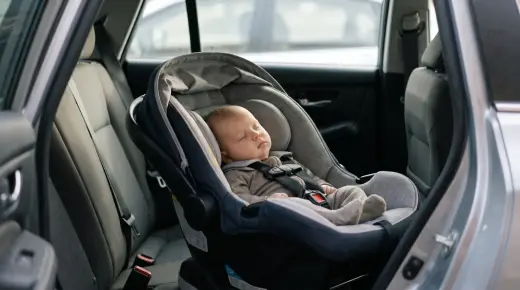
A car seat is essential for a baby who travels by car. Choose a seat that is approved where you live. Check the child's size range, the car's space and the installation method. A seat that is hard to fit correctly may not be a good choice for your family.
Follow both the car seat manual and the vehicle manual. Do not add cushions or accessories unless the seat maker allows them. Keep the harness fitted as instructed. Ask a qualified local service for help if the fit is unclear.
Do not choose a car seat only because it converts through many stages. A single seat may not fit every child or car at every age. Read the limits for each stage. Change stages only when your child reaches the point set by the seat's instructions and local rules.
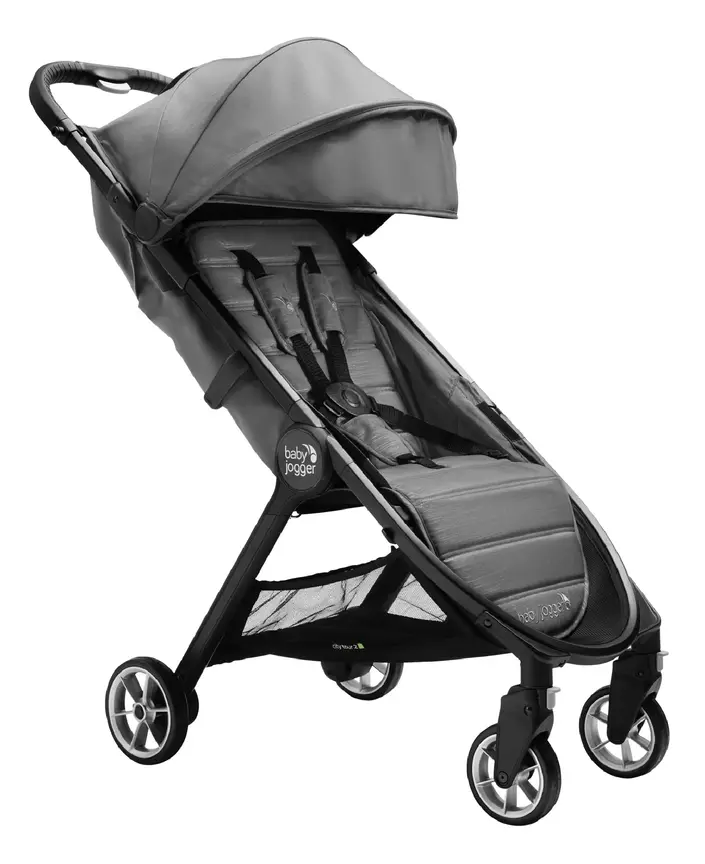
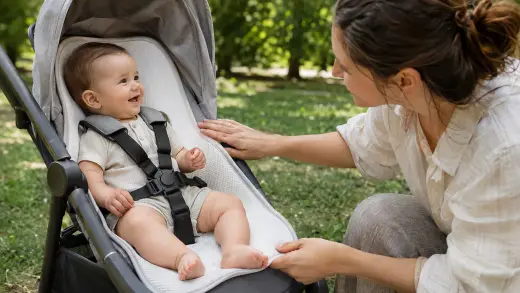
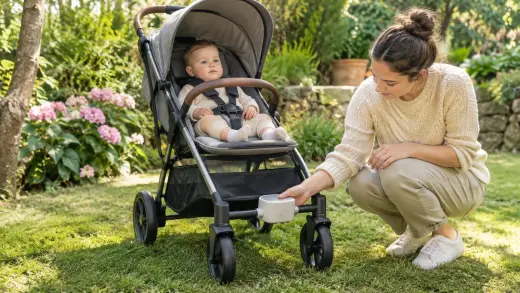
For a pram or stroller, think about how you travel. Check the folded size, weight, storage space and wheel type. Try opening and closing it. Make sure the brakes work and the harness is complete. Check whether it is suitable for a newborn or only for an older baby who can sit.
Do not hang heavy bags from the handles. This can make some prams tip. Use the storage basket as directed. Keep hands and fingers clear of folding joints. Use the brake when stopped.
Feeding and changing: start with what you use
Feeding needs vary. Some families breastfeed, some use formula, and some use both. You do not need to buy a full feeding set before you know what works. Ask your midwife, nurse, doctor or lactation adviser for help with feeding questions.
If you use bottles, choose a small set first. Follow local health advice for washing, sterilising, making formula and storing feeds. Do not change the amount of water or powder in formula. Use the instructions on the product and health service guidance.
For nappy changes, a changing table is optional. A clear floor space can be safer than a raised surface, because a baby cannot fall far. Keep one hand on your baby if you use any raised surface. Gather the clean nappy and wipes before you start.
Buy a small number of clothes in the next size as needed. Look for easy fastenings and materials that can be washed. Avoid outfits that are hard to put on during a quick change. Check sleepwear guidance for loose parts and warmth.
Age stages: what may be useful later
Before birth: Prepare a safe sleep space, clothes, nappies and feeding supplies that match your plan. If your baby will travel by car, arrange an approved car seat before the first trip. You do not need toys, shoes or a large wardrobe.
Newborn months: Your baby will need frequent feeds, changes and sleep. A few outfits, a safe sleep space and a way to travel may cover many needs. A carrier can help some families, but learn safe use before carrying your baby.
As your baby grows: Check labels and manuals as your child gains weight and skills. A stroller may have different settings for a baby who cannot sit and one who can. Do not move to a new setting just because a certain age has arrived.
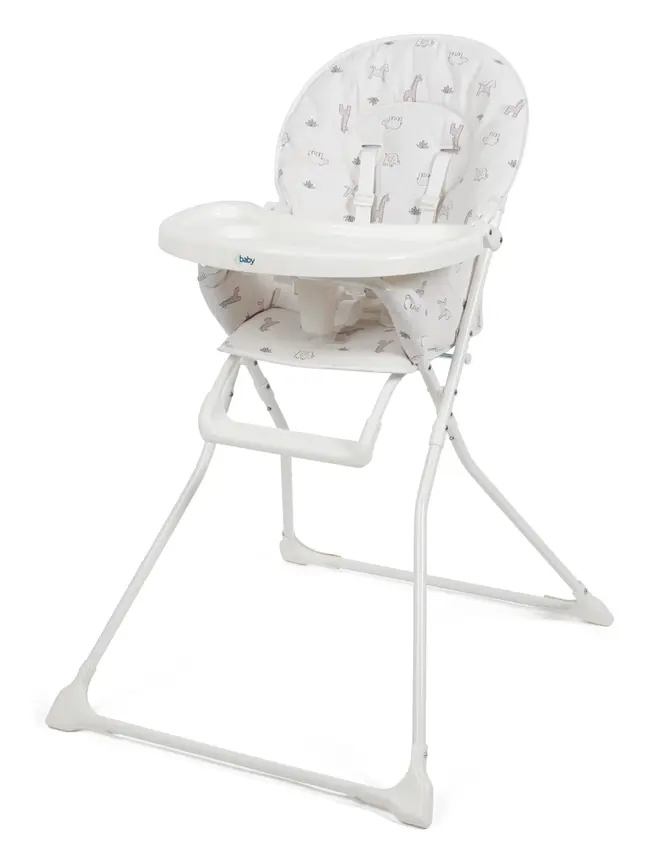
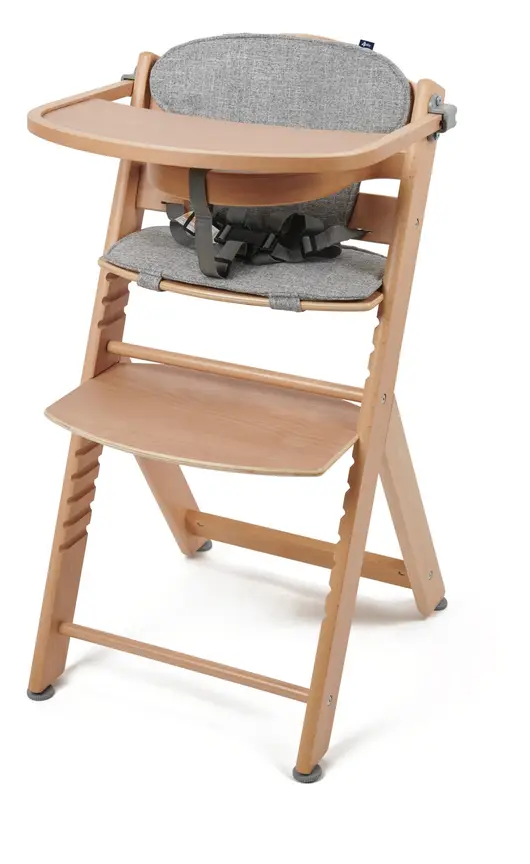
When solids begin: A high chair may be useful once your baby is ready to sit and eat. Choose one that is stable and has a working restraint. Keep your baby within reach while eating. A high chair does not make choking impossible.
As your child becomes mobile: Safety gates, cupboard locks or furniture anchors may become useful. Decide based on your home. Secure heavy furniture where local safety advice recommends it. Keep small objects, medicines and cleaning products out of reach.
Safety checks before using any item
- Read the manual, including its age, size and weight limits.
- Check that every part is present and works as intended.
- Look for cracks, tears, rust, loose stitching or sharp edges.
- Check the model for recalls through an official government source.
- Use only parts approved by the maker.
- Keep cords, straps and small parts away from the baby's reach.
- Stop using an item if it breaks or no longer fits your child.
- Keep proof of purchase and the model details where you can find them.
Do not rely on online comments or a seller's promise as proof of safety. A product may look clean and still have a missing part or recall. Ask for the manual and model details. If the seller cannot provide them, choose another item.
Official guidance in four countries
Safety rules and product labels vary by country. These official bodies can help you check advice and recalls.
| Country | Product safety body | Health and safe sleep guidance | What parents can check |
|---|---|---|---|
| Australia | Product Safety Australia, run by the ACCC | Red Nose and Pregnancy, Birth and Baby | Mandatory product rules, recalls, cot and pram guidance |
| United Kingdom | Office for Product Safety and Standards | NHS and The Lullaby Trust | Product alerts, safe sleep and travel advice |
| United States | Consumer Product Safety Commission | American Academy of Pediatrics | Recalls, crib and infant product safety guidance |
| Canada | Health Canada | Canadian Paediatric Society | Recalls, safe sleep and car seat information |
Use local rules for products such as car seats and cots. Do not assume that a label or approval from one country meets another country's rules. If you move or buy across a border, check with the safety body where you will use the item.
Common money mistakes
- Buying too much too early. Start with what you need for the first weeks. Add items once you see a real need.
- Buying a bundle for its item count. Some bundles include things you may never use. Compare each item on its own.
- Choosing a product for a future stage. A baby may not use it for months. Wait until the need is clear.
- Ignoring replacement costs. Check whether a product needs special sheets, filters or batteries.
- Using an item without instructions. Guessing can lead to wrong setup or use. Find the manual first.
- Assuming all used items are safe. Check history, condition, model and recall status.
- Buying gear to solve every sleep problem. Babies wake and need care. No product can promise a baby will sleep through the night.
- Choosing by social media alone. Check claims with an official health or safety source.
Frequently asked questions
What baby items should I buy first?
Start with a safe sleep space, fitted mattress, clothes, nappies and feeding supplies. Add a car seat before car travel. Choose other items based on your home and routine.
Can I use second-hand baby gear?
Some used items can be suitable. Check the model, manual, condition, missing parts and recalls. Be careful with car seats if you do not know their history. Do not use damaged or changed safety gear.
Do I need a changing table?
No. A changing table is optional. A clear floor space can work well. If you change your baby on a raised surface, keep a hand on them and never turn away.
Do I need both a pram and a baby carrier?
No. Some families use one, some use both, and some use neither. Think about your usual trips, storage and comfort. Follow the instructions for whichever option you choose.
Can my baby sleep in a stroller or car seat?
These products are for travel or sitting, not a replacement for a flat sleep space. Follow local health advice and the product manual. If your baby falls asleep, move them to a safe sleep space when you can do so safely.
Are expensive products safer?
Price alone does not show whether a product is safe. Check that it meets the rules where you live. Read the manual and check the item for damage and recalls.
How many clothes do I need?
Start with a small set that suits the season and laundry routine. Babies grow at different speeds. You can buy more when you know the size and styles that work.
What should I do if I cannot afford all the essentials?
Ask a midwife, nurse, doctor or local family service about community support. Friends and family may be able to lend suitable items. Keep sleep, travel and feeding safety checks in place.
Sources and further guidance
- Pregnancy, Birth and Baby – Preparing your home for when your baby arrives
- Product Safety Australia – Prams and strollers guide
- Product Safety Australia – Household cots guide
- UK Office for Product Safety and Standards
- U.S. Consumer Product Safety Commission – Safe sleep
- Health Canada – Recalls and safety alerts
- Canadian Paediatric Society – Safe sleep for babies
This article gives general information only. It is not medical advice. Ask your health professional about your baby’s needs. BabyGearFinder may earn a commission from qualifying purchases. This does not change the price you pay.
Sources
- Pregnancy, Birth and Baby – Preparing your home for when your baby arrives
- Product Safety Australia – Prams and strollers guide
- Product Safety Australia – Household cots guide
- UK Office for Product Safety and Standards
- CPSC (US) – Safe sleep: cribs and infant products
- Health Canada – Recalls and safety alerts
- Caring for Kids (Canadian Paediatric Society) – Safe sleep for babies
Related guides
More Baby Gear Guides →
Allergy-Friendly Baby Gear: What to Check and What to Skip

Baby Gear for Twins: What You Need, How to Choose, and What Can Wait

Is It Safe to Buy Second-Hand Baby Gear? What to Check Before You Buy
