













Stroller Parasols vs. Sun Sails: How to Shade Your Baby Without Trapping Heat
Stroller parasols vs. breathable sun sails: how each shades your baby, stops heat trapping inside the pram, and fits AU, UK, US and Canada safety advice.
On this page
- Key points
- Why covering a pram traps heat
- What a stroller parasol is
- What a breathable sun sail is
- Stroller parasols vs. breathable sun sails: side-by-side comparison
- How to choose the right shade for your pram and climate
- Safety standards and official guidance by country
- Shade and heat safety by baby's age
- Common mistakes parents make in hot weather
- How to keep your baby cool on sunny walks
- Frequently asked questions
- Sources
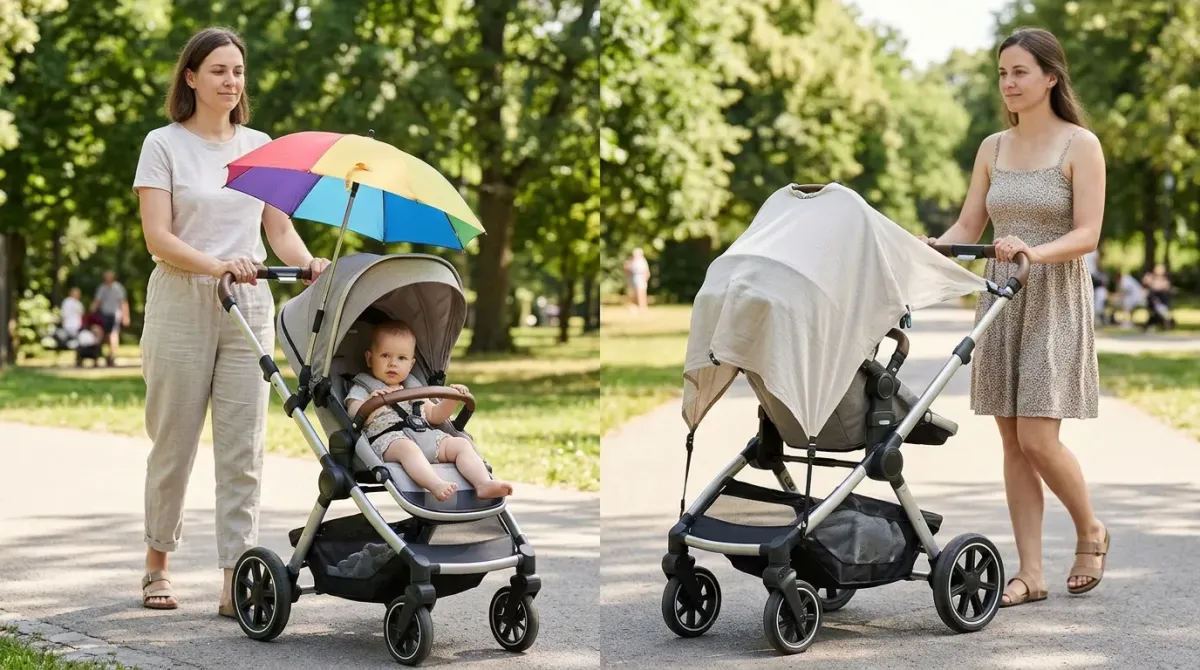
Short answer: Both a UV-protective stroller parasol and a breathable sun sail can shade your baby without turning the pram into a hot box. A parasol gives the best airflow because all four sides stay open. A breathable mesh sun sail gives steadier shade in a light breeze, as long as the sides stay open for air to move through. Never drape a muslin wrap, blanket, or towel over the pram hood. Even a thin cloth blocks air and traps dangerous heat inside.
Health groups in Australia (Cancer Council Australia and Red Nose), the UK (NHS and The Lullaby Trust), the US (American Academy of Pediatrics), and Canada (Canadian Paediatric Society) all give the same core advice. Keep young babies out of direct sun, dress them lightly, and keep air moving around them.
Key points
- Airflow comes first: Shade only helps if warm air can escape. Open sides matter as much as UV protection.
- Never drape a cloth: Muslin wraps, blankets, and towels trap heat fast inside a pram and hide your baby from view.
- Parasols win for airflow: A clip-on parasol sits high above the seat and lets air pass from every side.
- Sun sails win for steady cover: A breathable mesh sail stays in place when you turn corners, provided it does not seal the pram.
- Check UPF 50+: Look for fabric tested to block ultraviolet (UV) rays, such as UPF 50+ under AS/NZS 4399.
- Time your walks: Real shade, like trees or a veranda, and walks outside peak sun hours protect your baby better than any add-on.
Why covering a pram traps heat
Many parents drape a light muslin wrap over the pram hood to block the sun. It looks harmless. In warm weather, it creates a greenhouse effect inside the pram.
Here is why that happens. Sunlight hits the fabric and warms it up. Warmth also comes from your baby's body and breath. When a cloth hangs over the front opening, cool outside air cannot flow in. Hot air inside cannot rise and escape. The space inside the pram warms up quickly, even under a thin cotton wrap.
A covered pram also blocks your view. You cannot see if your baby is flushed, sweaty, or breathing fast. You might think your baby is sleeping peacefully when they are actually getting too hot.
Babies are not just small adults. Their bodies handle heat very differently.
- Less sweat: Young babies do not sweat as well as older children and adults. Sweat is how the body cools down.
- Faster heat gain: Babies have a large skin surface for their small body weight. They heat up faster than you do on the same walk.
- Trapped warmth: Padded pram seats and bassinets hold heat around your baby's back and head.
Too much heat is dangerous for babies. Health bodies warn that overheating raises the risk of heat exhaustion, heatstroke, and sudden infant death. That is why every pram shade choice must let air move freely.
Signs your baby is getting too hot
Check your baby often during warm walks. Touch the back of their neck or their tummy. Hands and feet often feel cool even when a baby is too warm, so do not rely on them.
Watch for these signs of overheating:
- Damp hair or sweat on the neck and chest.
- Flushed, red skin on the face or body.
- Fast breathing or restlessness.
- Unusual drowsiness or a baby who seems floppy.
- Dry nappies or fewer wet nappies than normal.
If you see these signs, move to a cool, shady place right away. Take off extra layers, offer a feed, and cool their skin gently with a damp cloth. If your baby seems unwell or unresponsive, seek medical help immediately.
Prams & Strollers worth a look
Real products from our catalogue. We don't show star ratings or review counts; check the current price, stock and reviews on Amazon before you buy.
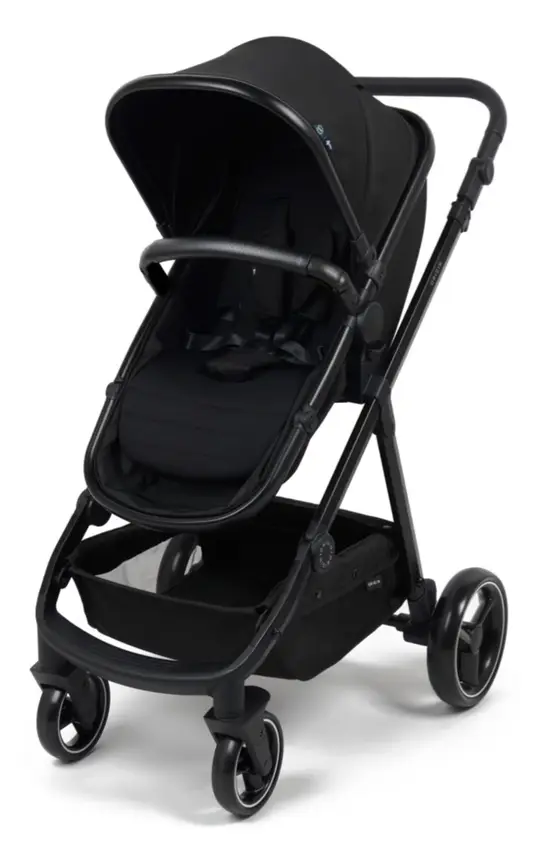
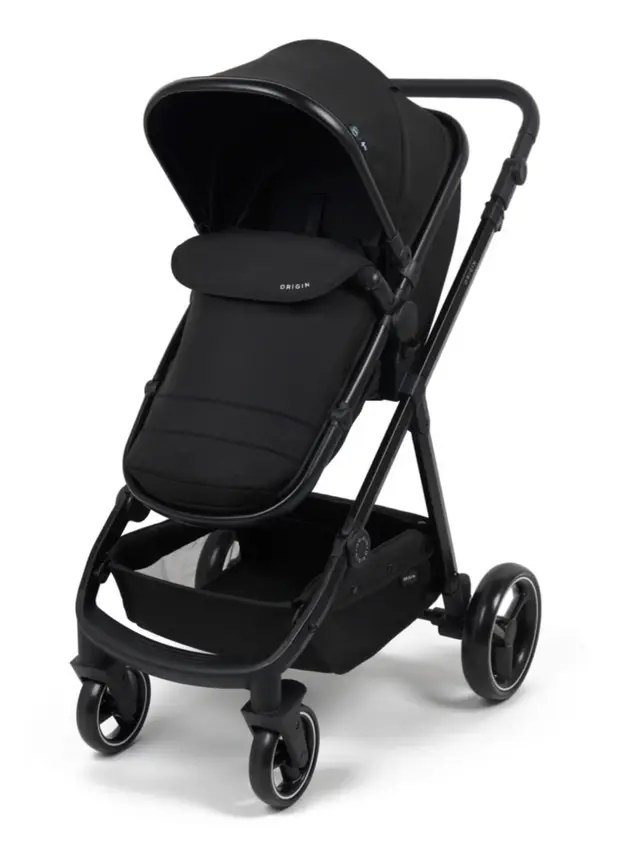
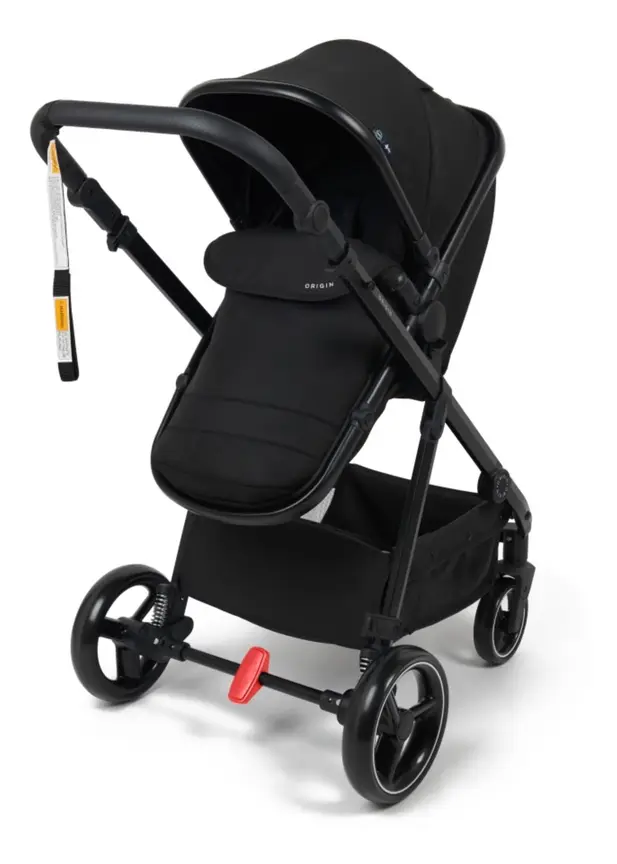
4baby Origin Stroller
A budget pram whose seat turns into a bassinet. The seat can face you or face the world.
Read our full review →
Baby Jogger City Mini GT2
Long-running, lighter all-terrain stroller with a famously simple one-hand strap fold.
 Reviewed
Baby Jogger City Tour 2
A 6.5 kg stroller with a near-flat recline. It folds small and comes with a carry bag.
Read our full review →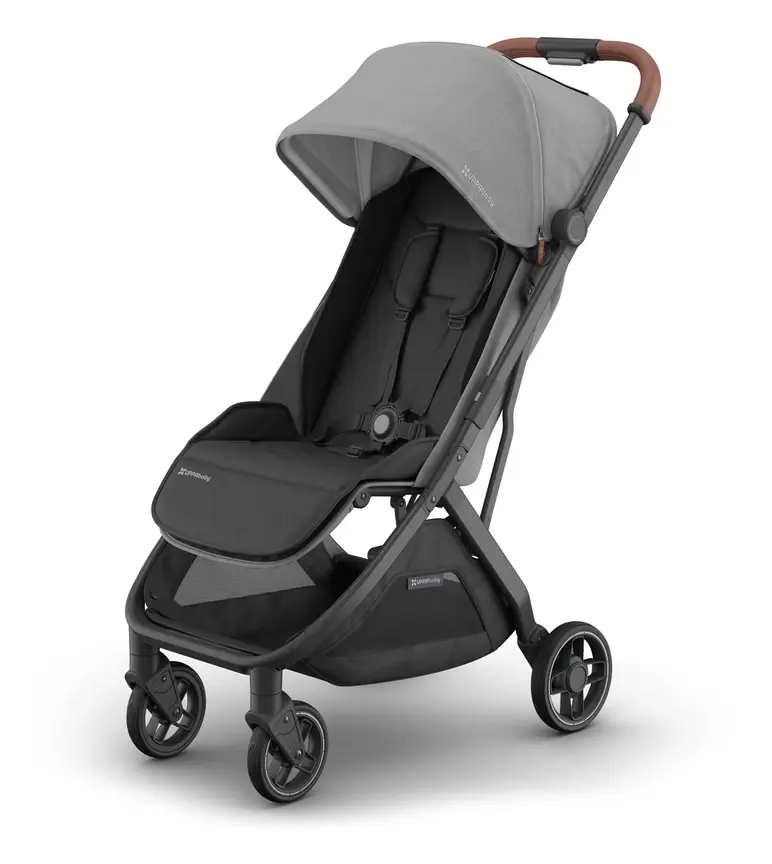


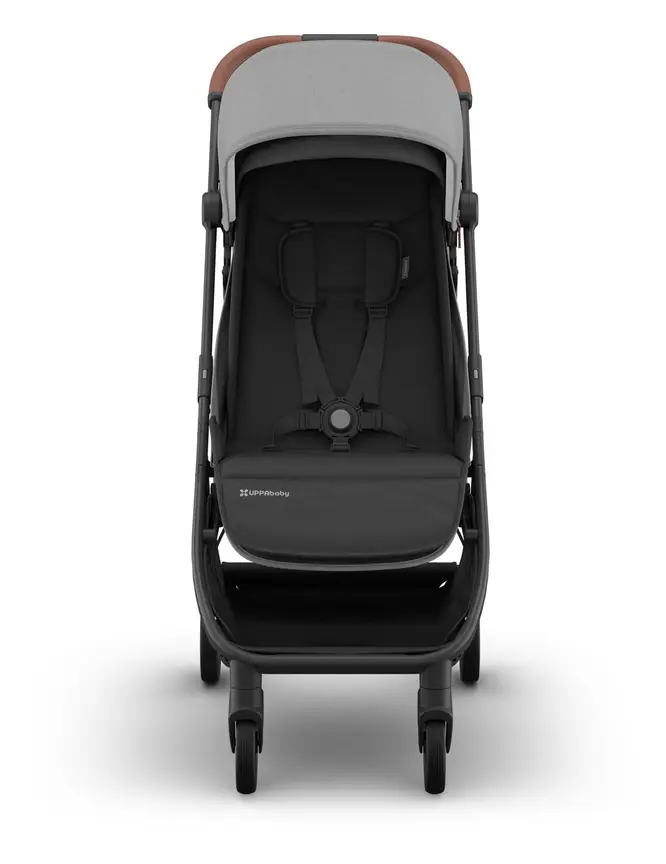


UPPAbaby Minu V3
A slim travel stroller that folds with one hand, stands on its own and is sized for plane overhead lockers.
Read our full review →What a stroller parasol is
A stroller parasol is a small umbrella that clips onto your pram frame. Most have a flexible neck so you can tilt and turn the canopy toward the sun.
A good parasol uses UV-blocking fabric, often rated UPF 50+. UPF stands for Ultraviolet Protection Factor. It measures how much UV radiation passes through dry fabric. A UPF 50+ rating means the fabric blocks almost all UV rays that hit it.
Pros of a stroller parasol
- Maximum airflow: The parasol sits above the pram, not around it. Air flows freely around your baby from all directions.
- Clear view: You can see your baby's face at all times without lifting a flap.
- Easy to remove: Most clip off in seconds when you walk indoors or fold the pram.
- Works on bassinets and seats: You can clamp it to most round or oval frame bars.
Cons of a stroller parasol
- Needs constant adjusting: Every time you turn a street corner, the sun hits from a new angle. You have to bend the arm again.
- Struggles in wind: A strong gust can flip the parasol inside out or twist the clamp.
- Can bump doorways: A wide parasol sticks out past the pram wheels. It can catch on shop doors or narrow paths.
- Clamp slip: On oval or flat pram tubes, cheap clamps can slide down or scratch the paint.
What a breathable sun sail is
A breathable sun sail is a soft fabric shade that stretches over the top of your pram. Some brands call it a sun shade, canopy extender, or UV mesh cover. It usually loops over the built-in pram hood and ties or clips to the handlebar or frame.
Sun sails come in two very different styles. Understanding the difference is key to keeping your baby cool.
- Open-sided mesh sail: This acts like a longer roof. It blocks sun from above and the front, while leaving the sides open or made of airy mesh. Air still moves through the pram.
- Full wrap-around cover: This stretches all the way down over the sides and footrest like a tent. Even if the fabric claims to be breathable, tight wrap-around covers slow down air movement and can trap heat on still, humid days.
Always choose an open-sided or loose mesh sun sail over a tight, zip-up tent style cover for daytime walks in warm weather.
Pros of a breathable sun sail
- Stays put: Once attached, it does not blow inside out as easily as a parasol.
- Wider shade: It covers a larger angle of sun without needing to be adjusted at every corner.
- Packs tiny: Most fold into a small pouch that fits in a nappy bag or under-seat basket.
- Fits odd frames: Elastic straps or toggles work on almost any pram shape, even without round bars.
Cons of a breathable sun sail
- Less airflow than a parasol: Any fabric hanging down the front or sides slows the breeze down.
- Darker inside: Tightly woven sails can block your view of your baby unless there is a peek-a-boo flap.
- Can sag: Cheap elastic loosens over time and can droop near your baby's face or hands.
- Not all mesh is UV-safe: Wide-hole insect nets let UV rays straight through. Only tested UPF fabric protects against sunburn.
Stroller parasols vs. breathable sun sails: side-by-side comparison
Here is how the two main add-on shades compare with a pram's built-in hood and an unsafe draped cloth.
| Feature | UV stroller parasol | Breathable sun sail | Built-in extendable hood | Draped muslin or blanket |
|---|---|---|---|---|
| Airflow | Best. All sides stay open to the breeze. | Good if sides stay open. Drops if it wraps low. | Good if the hood has mesh vents at the back. | Poor. Traps hot air and blocks breeze. |
| Shade coverage | Good from one angle. Must be tilted as you turn. | Wide cover from above and front. | Covers overhead sun well. Often short for low sun. | Blocks light, but creates dangerous heat. |
| Wind handling | Poor in gusts. Can flip or twist on the clamp. | Good. Ties or straps hold it steady. | Best. Built onto the sturdy frame. | Flaps in wind or blows onto baby's face. |
| View of baby | Clear from all sides. | Partial. Better with side openings or zip window. | Clear from the front or peek window. | Blocked. You cannot see signs of heat stress. |
| Storage size | Long and bulky. Needs space in the basket or boot. | Very small. Fits in a pocket or pouch. | Folds with the pram. Nothing extra to carry. | Small, but unsafe to use as a cover. |
| Main risk | Clamp slipping, wind flipping, or poking if loose. | Buying a tight tent style that traps heat. | Forgetting to open rear mesh vents on hot days. | Greenhouse heat trapping and suffocation risk. |
How to choose the right shade for your pram and climate
Your local weather and your pram design should guide your choice. A calm walk in mild coastal air is very different from a windy afternoon or a still, humid day.
1. Check your pram's own hood first
Before you buy any extra shade, test the hood already on your pram. Many modern prams have an extendable zip-out panel that drops low enough for midday sun. Look for a rear mesh vent that unzips to let warm air flow out behind your baby's head.
If your pram already has a deep UPF 50+ hood with good rear vents, you may only need a small add-on for low morning or late afternoon sun.
2. Look for a real UPF 50+ label
A dark cloth is not always sun-safe, and thin mesh can let UV rays straight through. Look for a clear UPF 50+ rating on the label. In Australia and New Zealand, sun-protective fabrics are tested under standard AS/NZS 4399. A UPF 50+ label means the fabric gives very high protection against both UVA and UVB rays.
Be wary of unbranded covers that say "UV proof" without listing a UPF number.
3. Think about fabric colour and weave
Light colours reflect heat, while dark colours absorb heat. However, very dark tightly woven fabric can block more UV rays than a thin pale cloth. The smartest pick is a light-coloured outer layer with a UPF 50+ lining, or a UPF-tested light grey or silver-backed canopy.
If you choose a sun sail, look for a dual design: a solid UPF 50+ roof panel overhead and airy, open-weave mesh on the sides. Never use a black, thick, non-breathable cover in summer.
4. Check the clamp and hardware
For a parasol, the clamp is the most common weak point. Look for:
- A rubber grip inside the clamp so it does not slide on smooth metal.
- A quick-release button so you can pop the parasol off without unscrewing the clamp every time.
- A sturdy hinge that locks firmly and does not droop over bumps.
- Rounded tips on every umbrella rib so nothing sharp sits near your baby's eyes.
For a sun sail, look for strong elastic straps or toggle ties that stay tight without pulling the pram hood backward. Avoid long loose cords that a curious baby could pull or wrap around a hand or neck.
5. Match the shade to your local weather
- Hot, still, and humid days: Pick a parasol or keep to real tree shade. Maximum side airflow matters most when there is no breeze.
- Breezy coastal or open parks: Pick an open-sided breathable sun sail. A parasol will fight the wind and twist.
- Quick errands and travel: A sun sail packs flat and weighs almost nothing. A parasol takes up room in the car boot.
Side by side: more prams & strollers to compare
Real products from our catalogue. We don't show star ratings or review counts; check the current price, stock and reviews on Amazon before you buy.


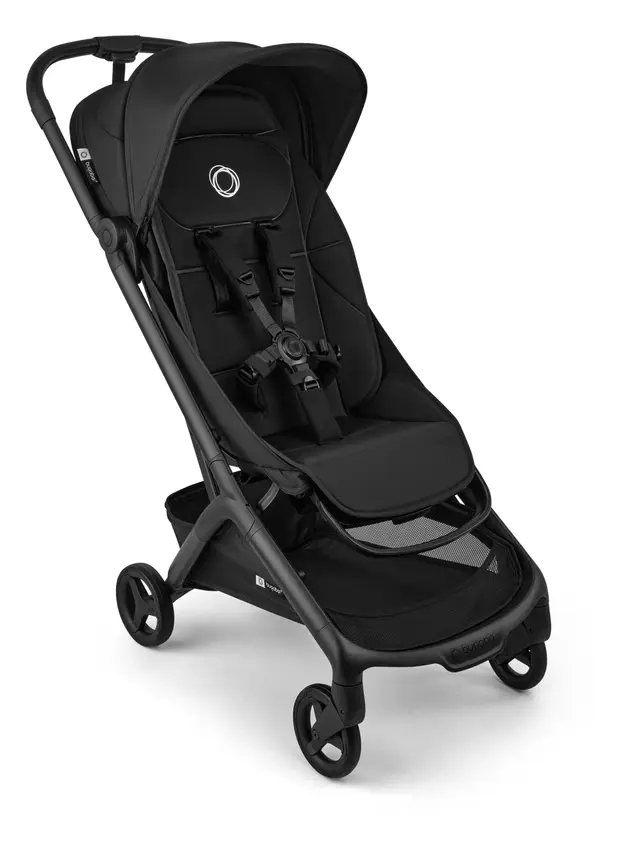
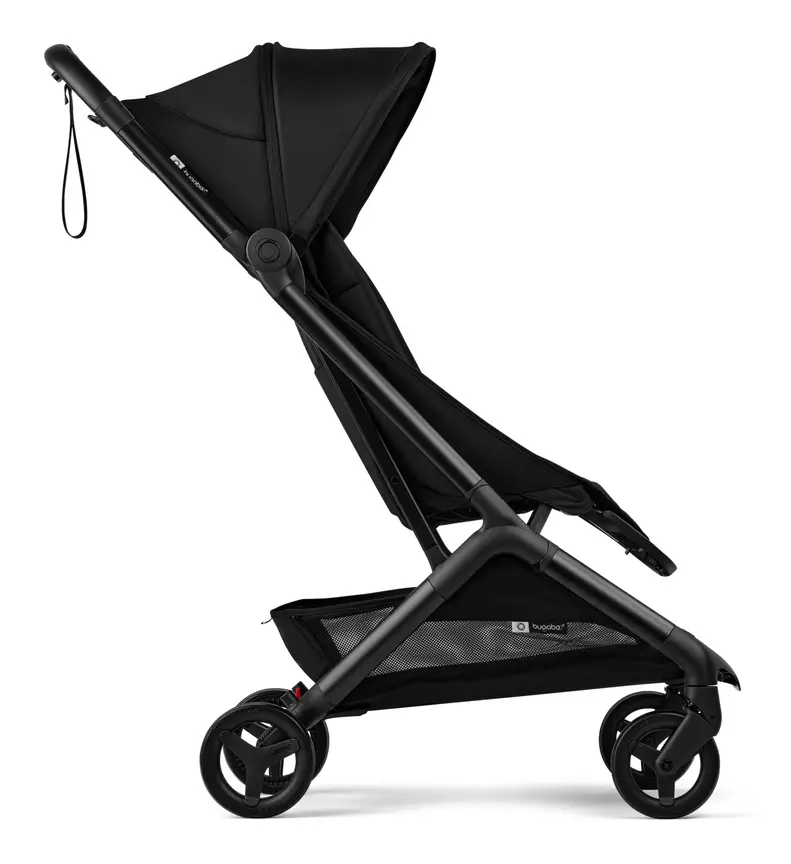


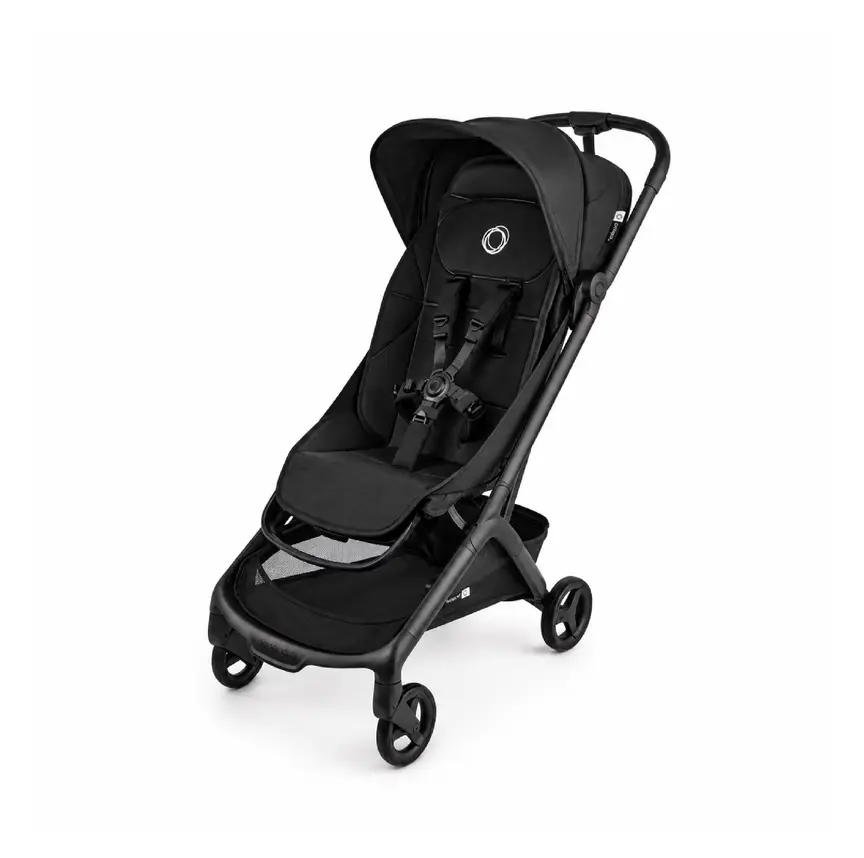
Bugaboo Butterfly
Bugaboo's cabin-friendly compact stroller with a one-second fold — the travel partner to a Fox, not a replacement for it.
Safety standards and official guidance by country
Prams and strollers are checked under strict safety rules in Australia, the UK, the US, and Canada. Add-on parasols and sun sails are accessories, not full prams. That means they do not always carry a pram standard stamp on their own. Even so, anything you clip to a pram must not make the pram tip over, trap a child's fingers, or block airflow.
Here is how official guidance and pram safety rules line up across all four countries.
| Country | Pram safety standard | Sun and heat bodies | Core official advice |
|---|---|---|---|
| Australia | AS/NZS 2088 (Prams and strollers), enforced with ACCC / Product Safety Australia; AS/NZS 4399 for UPF fabric | Cancer Council Australia, SunSmart, Red Nose, Pregnancy, Birth and Baby | Keep babies under 12 months out of direct sun. Do not cover prams with blankets or wraps. Keep airflow clear. |
| United Kingdom | BS EN 1888 (Wheeled child conveyances), overseen by the Office for Product Safety and Standards (OPSS) | NHS, The Lullaby Trust | Keep babies under 6 months out of direct strong sun. Attach a parasol or sunshade to the pushchair, never drape a blanket or muslin over it. |
| United States | ASTM F833 (Standard consumer safety specification for carriages and strollers), overseen by CPSC | American Academy of Pediatrics (AAP) | Keep babies under 6 months out of direct sunlight using a stroller canopy or umbrella. Dress in light clothing and watch for overheating. |
| Canada | Canadian Carriages and Strollers Regulations under Health Canada | Canadian Paediatric Society (Caring for Kids), Health Canada | Keep babies under 1 year out of direct sun. Use a stroller canopy, shade, and light clothing. Never leave a child in a hot closed space. |
Notice how clear the message is across all four countries. The NHS in the UK specifically advises attaching a parasol or sunshade to the pushchair rather than draping a cloth over it. Cancer Council Australia, the AAP, and the Canadian Paediatric Society all warn that shade, light clothing, and avoiding peak UV hours are the first line of defence for babies.
Safety checks for any clip-on shade
Under AS/NZS 2088, BS EN 1888, ASTM F833, and Canadian stroller rules, prams are tested for stability so they do not tip easily. An extra shade should never change how your pram balances or folds.
Check these points every time you fit a parasol or sun sail:
- Weight and balance: A heavy parasol clamped high on one side of a lightweight travel stroller can pull it sideways when the baby is not inside. Always put the brake on before stepping away.
- Folding clearance: Take off a parasol before folding the pram. Closing a pram onto a metal clamp can bend the frame or crack the hinge.
- Out of reach: Make sure your baby cannot grab the parasol ribs, plastic clamp, or long elastic ties.
- Clear vents: Never block the mesh air vents built into the back of a bassinet or pram seat.
Shade and heat safety by baby's age
Your baby's age changes how you protect them from the sun and how they interact with pram gear.
Newborns to 6 months
Young babies have very thin, delicate skin with little melanin. Melanin is the natural pigment that gives skin some protection from UV rays. Because newborns burn easily, Cancer Council Australia, the NHS, the AAP, and the Canadian Paediatric Society all advise keeping babies under 6 months out of direct sunlight.
- Sunscreen rule: Health bodies in the UK, US, and Canada generally advise avoiding sunscreen on babies under 6 months and using shade and clothing instead. Cancer Council Australia also says sunscreen is not recommended for babies under 6 months as the main protection. If small areas cannot be shaded, some doctors allow a tiny dab of gentle sunscreen, so ask your doctor or child health nurse first.
- Bassinet airflow: Lie-flat bassinets have high sides that block side breezes. A clip-on parasol works better than a tight sail on a deep bassinet because it leaves the whole top open to the air.
- Clothing: Dress your baby in one loose, light cotton layer. Skip heavy blankets and skip beanies on warm days.
6 to 12 months
Once your baby sits up in a stroller seat, they sit higher and closer to the front edge of the hood. Their legs and arms also poke out into the sun.
- Grabbing hazard: Babies at this age love to pull things. Check that a parasol arm sits well out of reach. If they yank a sun sail, make sure it cannot snap back into their face.
- Hats and clothing: Put on a soft, wide-brimmed sun hat that stays on without a tight chin cord. Cover arms and legs with loose, light fabric.
- Sunscreen: From 6 months on, apply broad-spectrum sunscreen to skin that clothing and shade do not cover, such as the backs of hands, feet, and face.
- Extra fluids: Breastfed babies may want more frequent feeds on hot days. Formula-fed babies over 6 months can also have small sips of cooled boiled water (check your local health guide on safe tap water).
Toddlers (1 to 3 years)
Toddlers often climb in and out of the stroller. They may also push a sun sail aside because they want to see the world.
- Clear view: Toddlers get frustrated behind dark wrap-around covers. A high parasol or a half-shade canopy lets them look out while keeping sun off their head and shoulders.
- Sunglasses: Older babies and toddlers can wear wrap-around sunglasses that meet eye safety standards (such as AS/NZS 1067 in Australia or ISO 12312) if they will keep them on.
- Water breaks: Carry a water bottle for your toddler and offer sips every 20 to 30 minutes on warm walks.
Common mistakes parents make in hot weather
Even careful parents can slip into habits that make a pram hotter instead of cooler. Watch out for these six common mistakes.
1. Draping a muslin wrap "just for a minute"
Muslin feels airy against your hand, so it seems safe. When draped over a pram hood, it cuts off the breeze and traps warm air inside. Even a short walk in warm sun can raise the heat inside a covered pram fast. Use a parasol, an open-sided sun sail, or walk on the shady side of the street instead.
2. Leaving a clear plastic rain cover on
Plastic rain covers keep wind and rain out, which also means they lock heat and humidity inside. Never leave a rain cover on after the rain stops, and never use a plastic rain cover as a windbreak on a sunny day. Take it off as soon as the shower passes.
3. Assuming a clip-on fan fixes a covered pram
A small clip-on stroller fan can move air around, which feels nice in open shade. Inside a covered pram, a fan only blows the same hot trapped air around. Fans also carry a finger-pinch risk if the blades are not behind a tight, child-safe grille. Always keep the pram open first, and keep any fan well out of your child's reach.
4. Facing a dark pram directly into low sun
Parent-facing seats are great for bonding, and forward-facing seats let older babies look around. When the sun is low in the morning or late afternoon, check which way your baby faces. Turn the seat if your pram allows it, or angle your parasol to block the low glare without closing off the front.
5. Parking the pram in direct sun while baby sleeps
When you stop at a park bench or cafe, the sun keeps moving. A spot that was shady ten minutes ago may be in full sun now. Always park in deep shade, open the rear pram vents, and stay right beside the pram so you can check your baby.
6. Over-bundling on warm mornings
Mornings often start cool and turn hot within an hour. If your baby is wearing a long-sleeved bodysuit, socks, and a blanket over a padded pram liner, heat builds up quickly. Dress your baby in light layers you can peel off easily as the day warms up.
How to keep your baby cool on sunny walks
A shade accessory works best as part of a simple warm-weather routine. Follow these steps before and during your walk.
- Check the UV and heat forecast: Plan outdoor walks for early morning or late afternoon when the sun is lower and UV levels are weaker.
- Start with real shade: Choose tree-lined paths, covered walkways, or the shady side of the street whenever you can.
- Open every pram vent: Unzip the mesh panels at the back of the hood and lift any winter storm flaps.
- Use a light cotton liner: Thick synthetic seat fabrics hold sweat. A plain, washable cotton liner helps keep your baby's back dry.
- Fit your shade safely: Clip your parasol high and tilt it toward the sun, or stretch an open-sided UPF 50+ sun sail over the hood.
- Dress baby lightly: One loose cotton layer is usually enough in warm weather. Skip extra blankets.
- Do regular neck checks: Every 15 to 20 minutes, feel the back of your baby's neck and look at their face.
- Keep fluids up: Offer extra breastfeeds, formula, or water (for babies over 6 months) before your baby looks thirsty.
More options, from budget to premium
Real products from our catalogue. We don't show star ratings or review counts; check the current price, stock and reviews on Amazon before you buy.
Bugaboo Butterfly 2
The newer Butterfly. It folds in about one second, has a lay-flat seat and a bigger basket with a back pocket.
Read our full review →

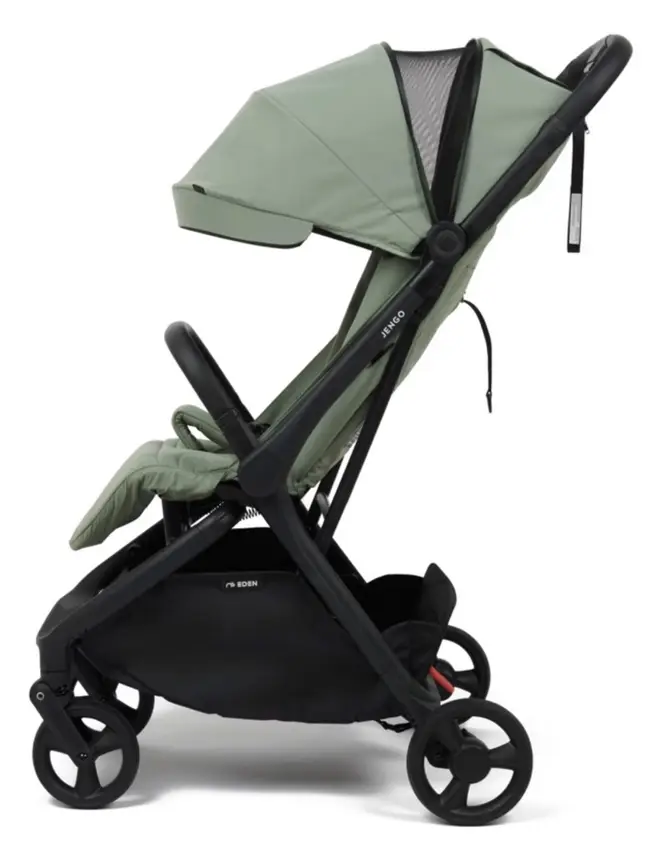
Jengo Eden Compact Stroller
A budget compact stroller from birth to 22 kg. It folds with one hand and has a big basket.
Read our full review →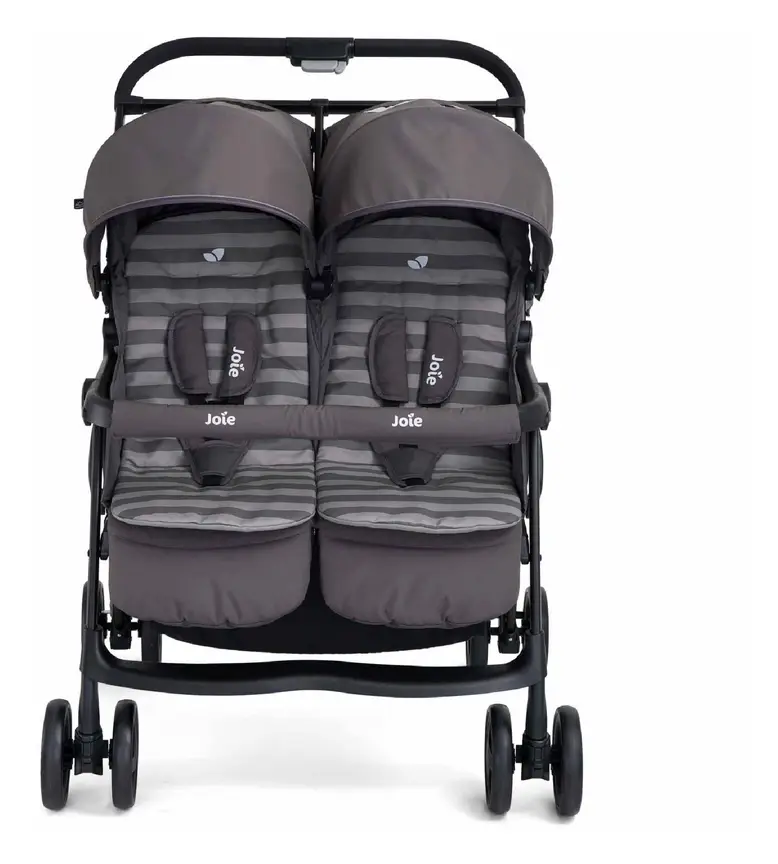
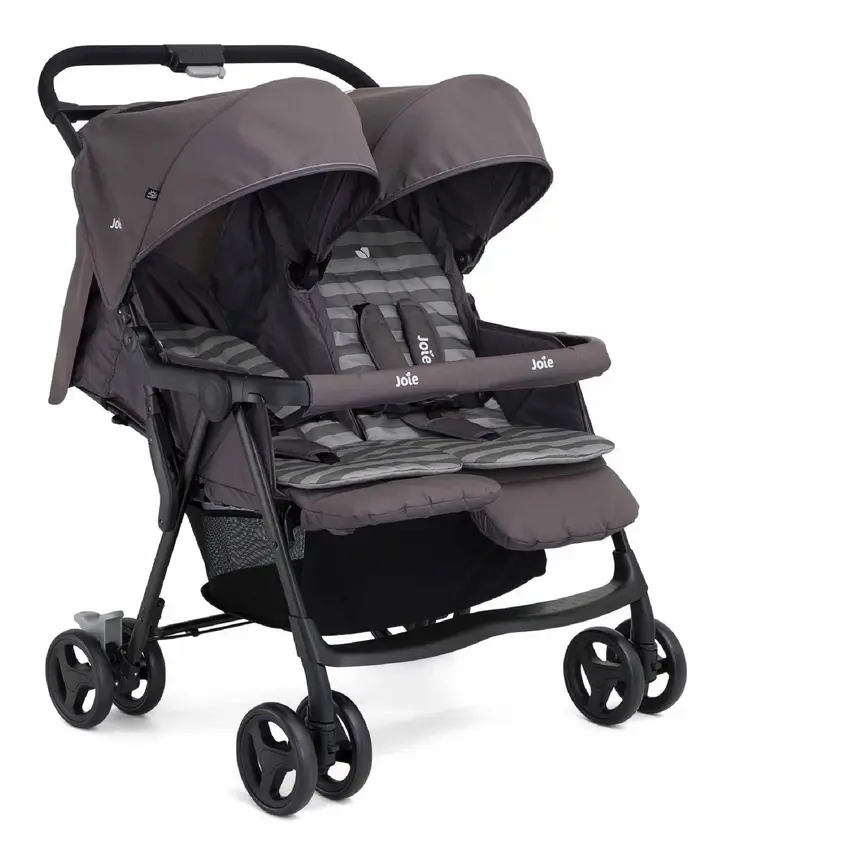

Joie Aire Twin
A lower-cost side-by-side double. Each seat lies flat and reclines on its own.
Read our full review →Frequently asked questions
Is a stroller parasol or a sun sail better for preventing heat buildup?
A stroller parasol is slightly better for pure airflow because it sits above the pram and leaves all four sides completely open. An open-sided breathable sun sail also lets air move well, as long as it does not wrap tightly down the sides and around the footrest. Avoid any full-tent cover that seals the pram opening.
Can I use a thin muslin wrap over the pram if I leave a gap at the bottom?
No. Even with a small gap, a draped cloth blocks normal air movement across the pram opening and traps warm air around your baby. It also blocks your view of your baby. Health groups including Red Nose, the NHS, and Cancer Council Australia advise against covering a pram with a blanket or cloth.
Do UV sun sails block wind as well as sun?
A solid UPF 50+ top panel blocks light wind from above, while mesh side panels let a gentle breeze pass through. That is a good balance. If a cover blocks all wind completely, it also blocks the fresh air your baby needs to stay cool.
Are universal stroller parasols safe on all prams?
Most universal parasols fit standard round and oval pram frames, but not every clamp grips flat or square frames well. Test the clamp gently before walking. Make sure the parasol cannot slip down toward your baby, and take it off before folding the pram. On very light travel strollers, check that the parasol weight does not tip the empty stroller when the brake is on.
What UPF rating should I look for on a pram shade?
Look for UPF 50+ fabric. In Australia and New Zealand, UPF 50+ is tested under standard AS/NZS 4399 and blocks almost all UV radiation passing through the fabric. Remember that UV rays still bounce off paths, sand, and water from the sides, so a shade works best alongside light clothing, a sun hat, and real shade.
Can I use a clip-on fan with a sun sail or parasol?
Yes, if the pram stays open and the fan is safely placed. Choose a fan with a fine mesh guard so tiny fingers cannot touch the blades, and clip it well out of your baby's reach. Never use a fan inside a closed or draped pram, because it only blows hot trapped air around.
How do I know if my baby is too hot in the pram?
Feel the back of your baby's neck or chest. It should feel warm, not hot or sweaty. Other warning signs include flushed cheeks, damp hair, fast breathing, or unusual fussiness or sleepiness. If your baby feels too hot, move into cool indoor or tree shade right away and remove a layer of clothing.
Sources
- Cancer Council Australia – Fact sheet: Sun protection and babies
- Pregnancy, Birth and Baby – Sun and heat protection for babies and kids
- Product Safety Australia – Prams and strollers guide
- NHS – Sunscreen and sun safety
- NHS – Heatwave: how to cope in hot weather
- HealthyChildren.org (American Academy of Pediatrics) – Sun safety and protection tips
- Caring for Kids (Canadian Paediatric Society) – Sun safety
- SunSmart (Cancer Council Victoria) – Sun protection for babies and toddlers (PDF)
Related guides
More Prams & Strollers →
Stroller Sun Canopies and Peek-a-Boo Windows: Keeping Your Baby Safe from UV and Heat

Top 5 Safety Tips for Using a Bassinet Stroller with Your Baby
Stroller Ride-On Boards: How to Choose a Safe Fit for Your Toddler
