













How to Load a Stroller Into a Car After Birth
Compare one-piece and split-frame strollers, plan a safer car boot lift after birth, and learn when to ask for help during recovery.

On this page
- Why stroller loading can feel hard after birth
- What to check before choosing a stroller
- One-piece lifts and split-frame lifts
- A simple loading routine
- Ways to make lifting less awkward
- Planning for the first weeks after birth
- Check your car and parking space
- Age stages and changing needs
- Stroller and car safety are separate from lifting
- When to stop and ask for help
- Common mistakes to avoid
- Frequently asked questions
- Sources and official guidance
- Sources
Short answer: Choose a stroller you can fold and lift safely, with the help you have each day. A lighter stroller may be easier to lift in one piece. A stroller that separates into parts may mean lifting less weight at once. But it also means more steps and pieces to manage. Try the fold and lift before buying, if possible. After birth, move slowly and follow advice from your care team. Ask for help if lifting hurts, feels unsafe, or goes against your recovery advice.
This guide is about lifting a stroller into a car boot, also called a trunk. Recovery after birth differs from person to person. Your midwife, doctor or physiotherapist can advise what is right for you.
Why stroller loading can feel hard after birth
A stroller can be awkward even when it is not very heavy. It may be wide, long, or hard to hold close to your body. The car boot may be high or deep. You may need to bend, reach, twist, or lift over a bumper.
After birth, everyday movements can feel different. You may be sore or tired. A caesarean birth, a difficult birth, stitches, pelvic pain, or other health needs can affect what feels comfortable. There is no single recovery timetable that suits everyone.
Do not judge a stroller only by its listed weight. Check how easy it is to hold, where its handles sit, and whether it stays folded. A lighter item can still feel awkward if it is bulky or has no good handhold.
The “28 lb” in the old title is a weight description. It is not a safe lifting limit or a recommendation. Follow the stroller maker’s instructions and your health professional’s advice.
What to check before choosing a stroller
Think about your car, your route, and who will load the stroller most often. If you can, try the exact model in a shop or borrow one first. Ask staff to show you the fold and any separate parts.
- Fold steps: Can you fold it without rushing? Can you do the steps in a clear space?
- Handholds: Can you hold the frame securely? Are there clear places to grip?
- Folded shape: Does it fit through your door and into your boot?
- Boot height: Can you put it in without lifting over a very high edge?
- Boot depth: Can you reach the space where the stroller needs to sit?
- Separate parts: If the seat comes off, can you carry and place it safely?
- Moving parts: Can you keep fingers clear of hinges, locks, and wheels?
- Storage: Is there room for loose parts so they do not roll around?
- Daily use: Will the setup work when you are alone, tired, or carrying other items?
- Grip and balance: Can you hold the item without leaning or reaching far?
- Route: Is there a clear place to fold the stroller beside the car?
Try the stroller in the same car you expect to use. A shop floor cannot show whether a high boot sill or narrow parking space will make loading difficult.
One-piece lifts and split-frame lifts
A one-piece lift means folding the stroller and lifting the folded unit into the boot. A split-frame lift means removing a part, such as the seat, then placing each part in separately. The exact steps vary by stroller. Read its manual for the correct order.
Neither style is best for every parent. Splitting the stroller may reduce the weight of each lift. It may also add more bending, reaching, and handling. A one-piece fold may be simpler, but the folded frame may be bulky or heavy to hold. Try both the steps and the carry, if the design allows it.
| Point to compare | One-piece lift | Split-frame lift |
|---|---|---|
| Number of pieces | One folded unit | Two or more parts |
| Weight in each lift | All parts are lifted together | Each part may weigh less; check actual weights |
| Steps | Often fewer steps, depending on the model | More steps to remove and refit parts |
| Handholds | Check if the folded unit has a secure grip | Check that each part has a safe place to hold |
| Boot space | Needs room for the folded shape | Parts may fit in different positions |
| Forgotten parts | Fewer loose pieces | Keep track of the seat, frame, and accessories |
| What to test | Fold, lock, grip, and lift into your own car | Remove, carry, store, and refit each part |
| Possible drawback | One large or awkward item | Extra steps and parts to handle |
| Useful question | Can I reach and place it without strain? | Can I manage every part and reconnect it? |
Do not assume a split design is safer because each piece is lighter. Repeated lifting can still be tiring. Do not assume a one-piece design is easier because it has fewer steps. Its shape may make it hard to hold. Your own trial matters more than the label.
Prams & Strollers worth a look
Real products from our catalogue. We don't show star ratings or review counts; check the current price, stock and reviews on Amazon before you buy.
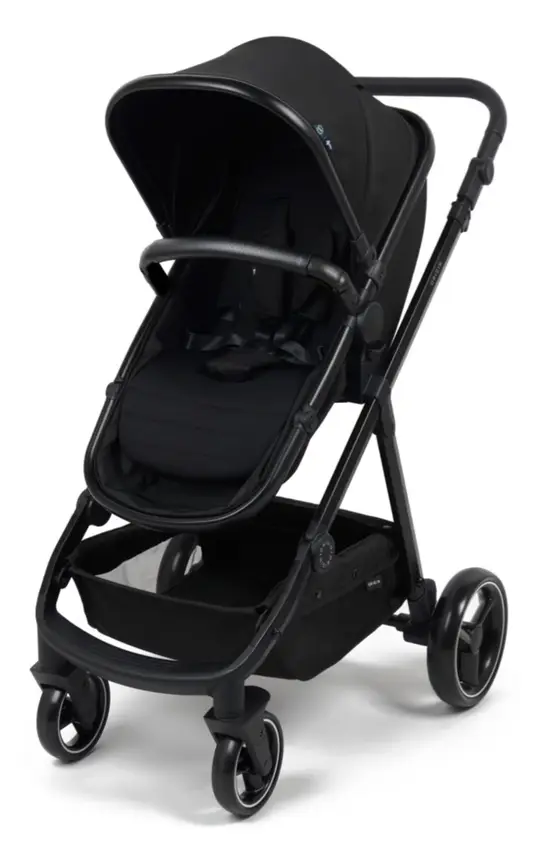
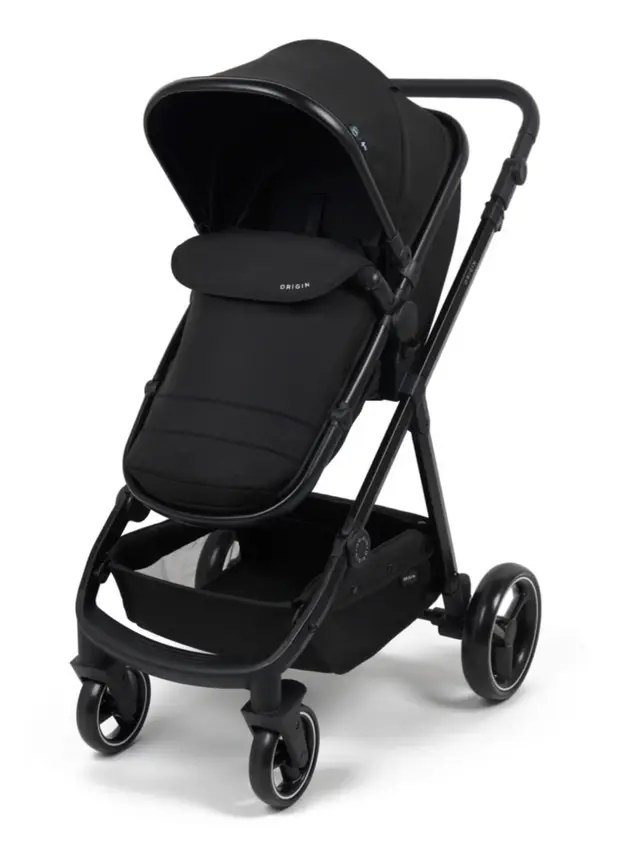
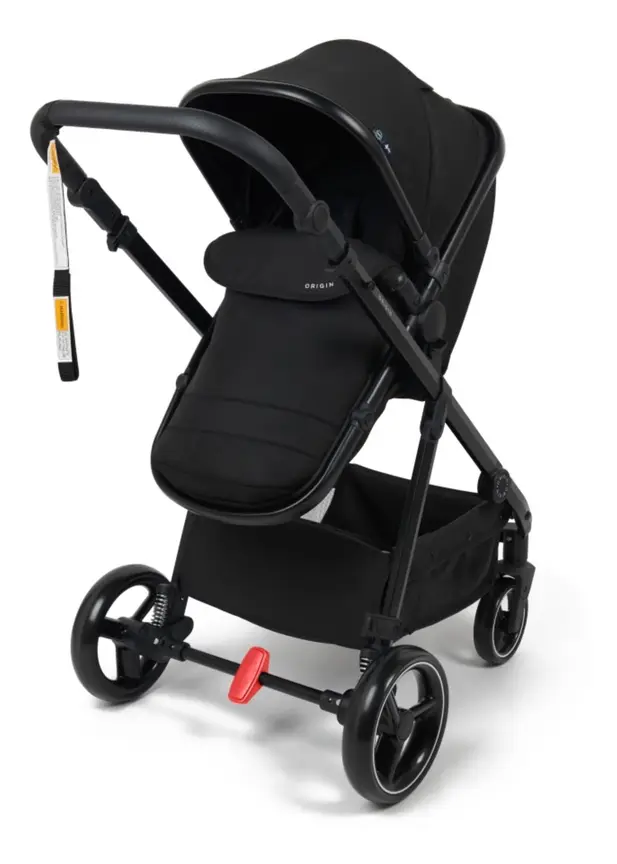
4baby Origin Stroller
A budget pram whose seat turns into a bassinet. The seat can face you or face the world.
Read our full review →

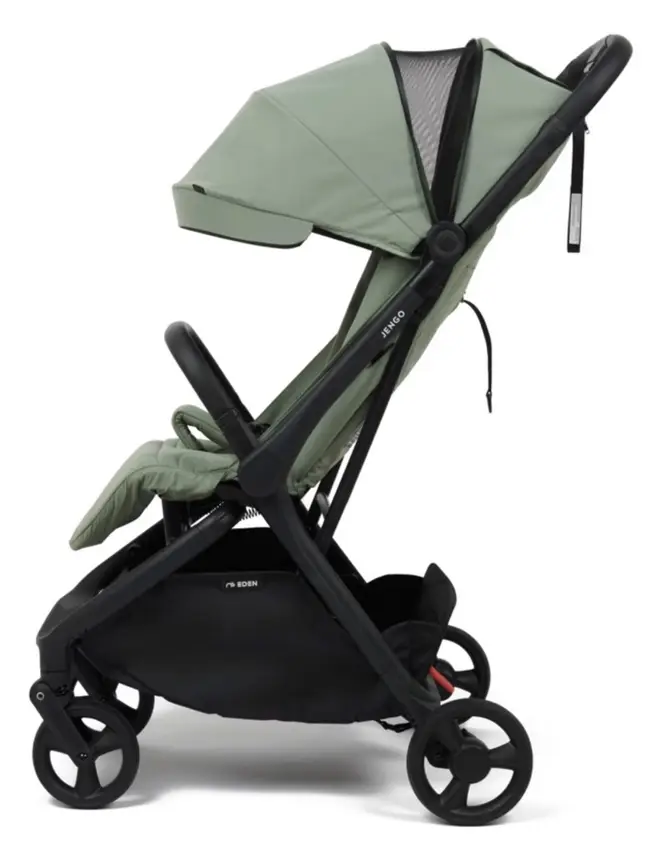
Jengo Eden Compact Stroller
A budget compact stroller from birth to 22 kg. It folds with one hand and has a big basket.
Read our full review →
Joie Nitro Stroller
A light, low-cost umbrella stroller with a flat recline, so it works from birth.

Joie Pact Pro
A 6.3 kg travel stroller from birth to 22 kg. You can clip a Joie Gemm or i-Gemm capsule on top.
A simple loading routine
Plan the steps before you start. Keep the baby safely with another adult or in a secure place away from traffic. Do not leave a baby unattended near traffic or in a hot car.
- Park safely. Use a level place when possible. Set the parking brake. Keep clear of moving traffic.
- Clear the boot. Move bags and other items first. Make space for the stroller.
- Set the stroller brake. Follow the manual before folding or removing parts.
- Use the shown fold. Keep hands away from hinges and locking points.
- Check the lock. Make sure the stroller is folded as the maker describes.
- Stand close. Move close to the item and the boot. Avoid reaching from far away.
- Hold firmly. Use the intended handholds. Keep fingers clear of pinch points.
- Place it down with control. Avoid dropping it or twisting while holding it.
- Secure loose parts. Stop parts from sliding or falling when the car moves.
- Check the boot door. Make sure it closes without pressing on the stroller.
If a step feels painful or unstable, stop and set the stroller down safely. Ask another adult to help, or change the plan. Do not try to catch a falling stroller while holding your baby.
Ways to make lifting less awkward
Keep the load close to your body when you lift. Bend your knees and hips as you lower yourself, if that feels comfortable. Use your legs to stand. Avoid twisting while holding the stroller. Turn your feet to face the boot instead.
These are general movement tips. They cannot prevent every injury. Some people have pain or medical advice that changes which movements feel right. Follow your care team’s guidance.
- Move bags out of the way before lifting.
- Use a clear, level space for folding.
- Remove accessories that make the stroller harder to hold, when the manual allows it.
- Keep the boot opening clear so you can step close.
- Place the stroller where it will travel, rather than shifting it several times.
- Use a second person for a heavy or awkward lift.
- Ask someone else to load it while you focus on the baby.
- Consider a different car or stroller setup if the same lift is difficult each day.
- Take a pause between folding and lifting if you feel tired.
- Wear shoes that stay on your feet and give you a steady step.
Do not carry the baby and stroller at the same time if that makes you unsteady. Put the baby down in a safe place first, or ask someone to hold the baby.
Planning for the first weeks after birth
Before birth, practise the stroller fold and boot fit without a baby. Ask another adult to show you how each part locks. Save the manual where you can find it.
Plan who will load the stroller during early recovery. If you expect to travel alone, practise the full routine before the trip. Keep the car parked and the baby supervised during practice. Do not rush to prove that you can manage a lift.
After birth, begin only when you feel ready and your care team has not advised you to avoid lifting. Start with the easiest parts of the routine. If symptoms worsen, stop and seek advice from your midwife, doctor or physiotherapist.
The NHS page on the post-pregnancy body describes changes and recovery after birth. It does not set a universal stroller lifting limit. Your own care team can give advice for your birth and health needs.
Check your car and parking space
The car can change how a stroller feels to lift. A high boot edge may make you raise the stroller higher. A deep boot may make you reach farther. A sloping driveway may make the stroller roll while you fold it.
Look at the whole task, not only the final lift. You may need to open the boot, move shopping, fold the stroller, lift it, and close the door. Each step takes effort. A setup that works in a wide shop aisle may feel different in a narrow parking bay.
- Check if the boot floor is level with the opening or sits below it.
- Check whether the boot door stays open by itself.
- See if you can stand close without stepping into traffic.
- Check if the folded stroller blocks your view or presses against other items.
- Think about where shopping, nappy bags, and other gear will go.
- Try placing the stroller in more than one direction.
- Keep heavy items low and secure, as the car maker advises.
If the boot is deep, do not lean far inside while holding the stroller. Put it down, change your position, or ask someone to help. The best loading plan lets you stay balanced and see where the stroller is going.
Side by side: more prams & strollers to compare
Real products from our catalogue. We don't show star ratings or review counts; check the current price, stock and reviews on Amazon before you buy.

Maxi-Cosi Zelia 3
A mid-price pram with a carrycot that changes into a seat, so one frame covers birth to toddler.

Baby Jogger City Mini GT2
Long-running, lighter all-terrain stroller with a famously simple one-hand strap fold.
 Reviewed
Baby Jogger City Tour 2
A 6.5 kg stroller with a near-flat recline. It folds small and comes with a carry bag.
Read our full review →
Age stages and changing needs
The baby’s age does not set a parent’s lifting ability. Still, family routines can change as a child grows. A newborn trip may include a carrycot or infant car seat. Later, the seat and accessories may change. Check the stroller manual each time you change the setup.
| Stage | What may change | Loading check |
|---|---|---|
| Before birth | You can practise without a baby | Test the fold, boot fit, grip, and part removal |
| Newborn months | A carrycot or approved infant seat may be used | Follow the stroller and seat instructions; keep baby secure |
| Growing infant | The family may change seat direction or accessories | Check each attachment is locked before travel |
| Toddler stage | The child may want to climb in or out | Keep the child away from the car and moving parts |
| More than one child | A second seat or board may change the fold | Check the maker’s instructions and total folded shape |
Do not let a child play with the folded stroller. Keep fingers away from joints and wheels. Lock the stroller as the maker directs when it is parked.
Stroller and car safety are separate from lifting
A comfortable lift does not prove that a stroller is safe. Check for the required safety information where you live. Read the manual, follow the age and weight limits, and use the harness as directed. Do not use a stroller with broken locks or damaged parts.
In Australia, Product Safety Australia publishes guidance on prams and strollers and information about the mandatory standard. In the UK, the Office for Product Safety and Standards oversees product safety information. In the US, the Consumer Product Safety Commission provides product safety guidance. In Canada, Health Canada provides consumer product safety information and recalls. These bodies are useful starting points for checking product alerts and safe use.
For travel in a car, use a child car seat approved for your country and suited to your child. A stroller seat is not a car seat. Follow local rules and the seat maker’s instructions.
- Australia: Product Safety Australia and state or territory road safety authorities, such as Transport for NSW, provide guidance.
- UK: GOV.UK explains child car seat rules. The Office for Product Safety and Standards covers product safety.
- US: The National Highway Traffic Safety Administration gives car seat guidance. The Consumer Product Safety Commission handles product safety.
- Canada: Transport Canada gives child car seat guidance. Health Canada covers consumer product safety.
Use the child seat fitted in the car. Do not carry a baby in your arms while driving, even for a short trip.
When to stop and ask for help
Stop lifting if it causes pain, pulling, dizziness, weakness, or a feeling that you may lose balance. Follow any restrictions given after surgery or birth. Contact your health professional if pain is new, severe, getting worse, or worrying you.
Ask another adult to load the stroller if the boot is high, the stroller is awkward, or you are unsure of the fold. You can also ask a physiotherapist to review how you move and suggest changes for your recovery.
Urgent symptoms after birth need prompt medical care. Use local emergency services for severe symptoms or immediate danger. This article cannot assess your recovery or diagnose a problem.
Common mistakes to avoid
- Choosing by weight alone. Shape and grip affect how a stroller feels.
- Assuming the listed weight is a safe limit. It is only a product measurement.
- Trying a fold only once. Practise until you know the steps and locks.
- Testing only in a shop. Check the fit in your own car.
- Removing parts without checking the manual. Some parts must be removed or attached in order.
- Reaching into a deep boot. Move closer and reposition if possible.
- Twisting with the load. Turn your feet instead of turning while lifting.
- Carrying the baby and stroller together. Keep the baby in a safe place first.
- Ignoring pain because the stroller is expensive. A costly item is not worth an injury.
- Leaving loose pieces unsecured. Parts can shift during travel.
- Using a damaged stroller. Stop using it until checked or repaired as advised.
- Rushing in a busy car park. Take time to find a safe place to fold and load.
Frequently asked questions
Is a split-frame stroller always easier after birth?
No. Each piece may weigh less, but there are more steps. You still need to bend, carry, place, and reconnect the parts. Try the full routine before choosing.
Is a 28 lb stroller too heavy to lift?
There is no single safe weight for every person after birth. The feel depends on your recovery, strength, grip, stroller shape, and boot height. Ask your care team for personal lifting advice.
When can I lift a stroller after a caesarean birth?
Follow the advice from your maternity team. Recovery and restrictions differ. Ask them about your stroller and car setup if you are unsure.
Should I practise loading before the baby arrives?
Yes. Practising without a baby can help you learn the fold and check the boot fit. Keep the car parked and use a clear space. Do not practise a lift that feels unsafe.
Can I lift the stroller while carrying my baby?
It is safer to keep the baby in a secure place or with another adult first. Carrying both can affect your balance and leave no free hand to control the stroller.
What if the stroller fits only when I twist it?
Try a different position or remove a part if the manual allows it. Ask someone to help. If the fit still needs an awkward lift, another stroller or car setup may work better.
Does this advice apply to every SUV?
No. Boot height, depth, and opening shape vary. Test the stroller in the car you use most often.
Can a stroller be used as a car seat?
No. A stroller seat is not a car seat. Use a suitable, approved child car seat for car travel.
Should I buy the lightest stroller I can find?
Not by weight alone. Check how it folds, where you can grip it, and whether it fits your car. A light but bulky stroller may still be hard to place.
What can I do if I have to travel alone?
Plan the route and practise the steps while parked. Keep the baby safely secured before loading. If the lift feels unsafe, arrange help or another way to travel.
More options, from budget to premium
Real products from our catalogue. We don't show star ratings or review counts; check the current price, stock and reviews on Amazon before you buy.
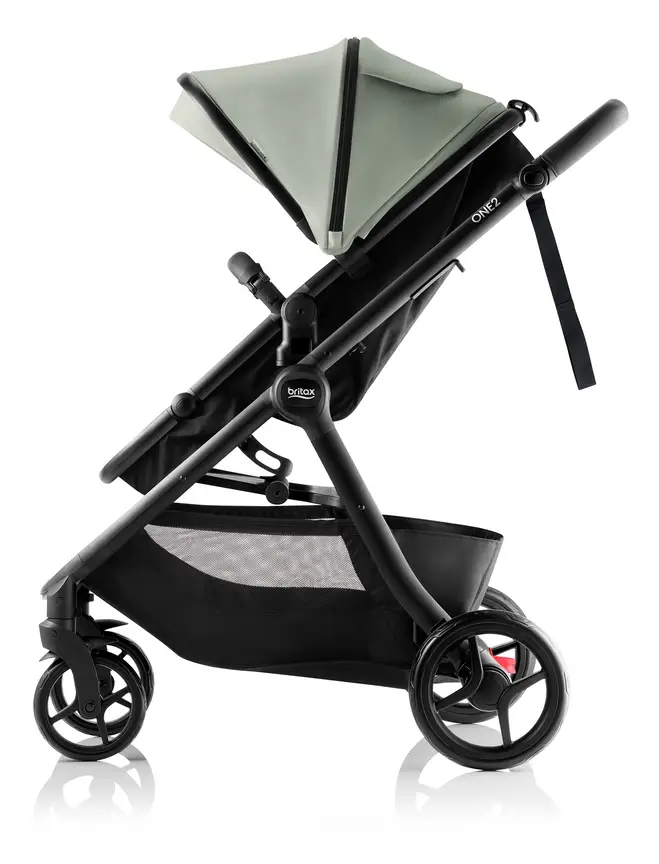
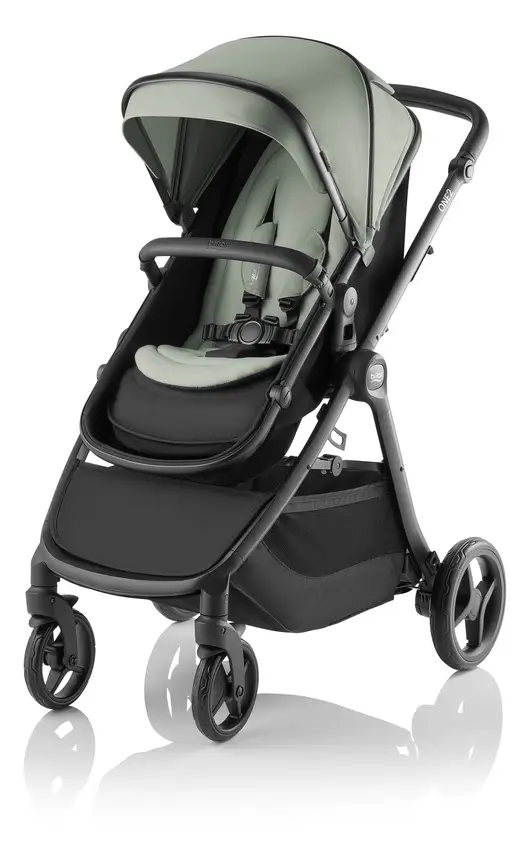


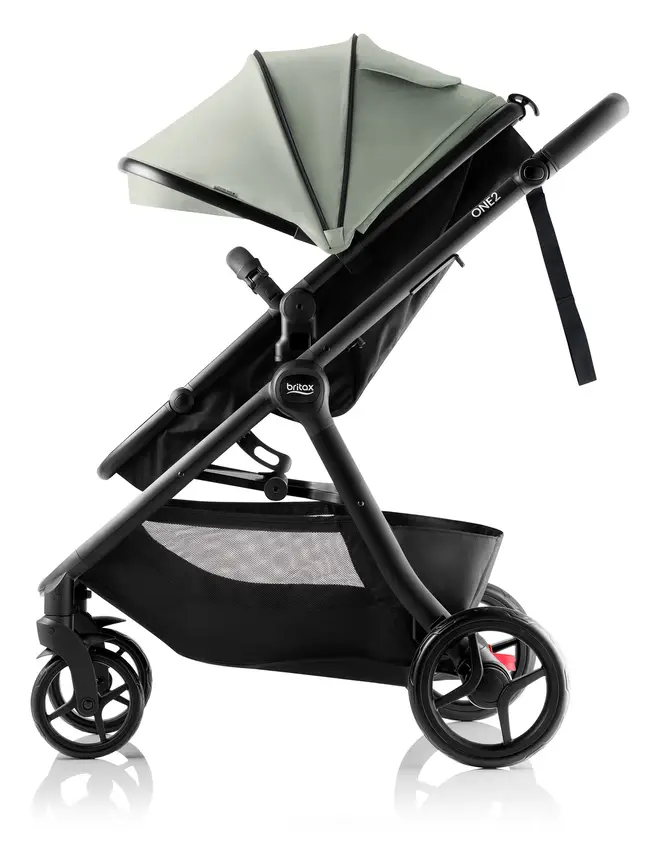


Britax One2
A pram that starts as a single and can take a second child. The seat turns into a lie-flat bassinet.
Read our full review →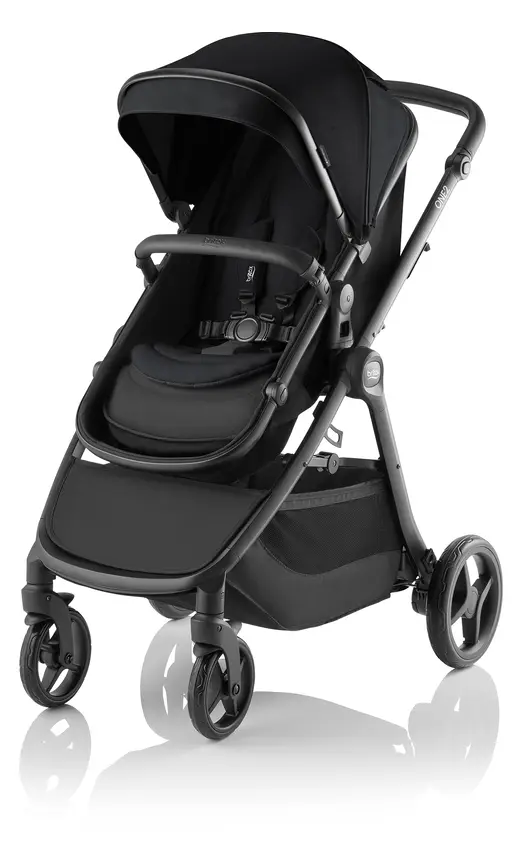
Sources and official guidance
- Australia: Product Safety Australia, prams and strollers guide; Pregnancy, Birth and Baby, car travel with babies and children.
- UK: NHS, your post-pregnancy body; Office for Product Safety and Standards.
- US: ChoosePT, tips to prevent new parenting injuries; NHTSA, car seats and booster seats.
- Canada: Transport Canada, child car seat safety.
For advice about your own recovery, speak with your midwife, doctor or physiotherapist. For product safety, check current guidance and recall notices in your country.
This article is general information, not medical advice. Ask a health professional about your recovery and follow your local safety guidance. BabyGearFinder may earn a commission from qualifying purchases.
Sources
- Product Safety Australia – Prams and strollers guide
- UK Office for Product Safety and Standards
- American Physical Therapy Association, ChoosePT – Tips to prevent new parenting injuries
- NHTSA (US) – Car seats and booster seats
- Transport Canada – Child car seat safety
- NHS – Your post-pregnancy body
- Pregnancy, Birth and Baby – Car travel with babies and children
Related guides
More Prams & Strollers →
Walking the Dog While Pushing a Stroller: Why Leashes Must Never Tie to the Frame

Stroller Snow Ski Kits vs Big-Wheel Jogging Prams: Which Is Better for Snowy Footpaths?

Stroller Footwell Mud Guards and Scuff Protectors: How to Keep Mud off the Seat
