













Stroller Handlebar Organisers and Tipping: Why Heavy Bags Flip Compact Strollers
Hanging a heavy nappy bag on a compact stroller handlebar can flip it backward. Learn why anti-tip organisers are not enough and safer ways to pack.

On this page
- Key points
- Why strollers tip backward so easily
- What "anti-tip" handlebar organisers actually do
- Why compact strollers are extra risky
- When backward tipping happens most
- Comparing safer ways to carry your baby gear
- How to pack light so the under-seat basket is enough
- How to test if your stroller setup is safe
- Safety standards and official advice in Australia, the UK, the US and…
- What about tether straps and brakes?
- Common mistakes parents make with stroller storage
- How to set up a compact stroller for daily outings
- Frequently asked questions
- Sources
Short answer: Never hang a heavy nappy bag (diaper bag) on a stroller handlebar. This is extra risky on a compact or travel stroller. Extra weight on the handle pulls the stroller backward. When you lift your child out, or step up a kerb, the whole stroller can flip over. Even an "anti-tip" handlebar organiser cannot make a heavy load safe on the handle.
Safety groups give the same warning in Australia (Product Safety Australia and Kidsafe), the UK (OPSS and RoSPA), the US (CPSC and the American Academy of Pediatrics) and Canada (Health Canada). Put heavy bags in the under-seat basket, or wear them on your own back.
Key points
- Physics wins every time: Weight behind the back wheels acts like a lever and lifts the front wheels.
- Compact strollers tip fastest: They are light and short, so they need very little handle weight to flip.
- "Anti-tip" is mostly a label: A small organiser holds less than a backpack, but it still adds weight behind the wheels.
- The lift-out trap: A stroller may stay upright with your baby inside, then flip the second you pick your baby up.
- Use the basket or your back: Keep heavy items low and centred in the basket, or wear a backpack yourself.
- Check the manual: Many compact strollers allow zero weight on the handlebar.
Why strollers tip backward so easily
Think of a stroller like a playground seesaw. The back wheels are the turning point in the middle. Your baby sits in front of the back wheels. That front weight keeps the front wheels pressed firmly on the ground.
Now think about where the handlebar sits. On almost every stroller, the handle sticks out behind the back wheels. When you hang a bag on the handle, that weight pulls down behind the turning point. It works just like someone pushing down on the back of a seesaw.
Your baby's weight in the seat pushes the front down. Your bag on the handle pulls the back down. If the bag is heavy enough, the front wheels lift right off the footpath.
The lift-out trap catches parents off guard
Most tipping accidents happen when you least expect them. You walk into a cafe with your baby in the stroller and a full nappy bag on the handle. Everything feels steady while you push it.
Then you stop, unbuckle your baby, and lift them out for a feed. Suddenly, all the front weight is gone. Nothing is holding the front wheels down anymore. The heavy bag yanks the handle to the floor in a split second.
If your baby is still half-in and half-out, they can fall. Even if your baby is safely in your arms, the metal frame can slam into a sibling, a pet, or a glass table.
What "anti-tip" handlebar organisers actually do
Shops sell many fabric caddies called "anti-tip" handlebar organisers. They look like narrow pouches that strap across the push bar. Most have two cup spots and a zip pocket in the middle.
Why do brands call them anti-tip? Because they hold much less than a full nappy bag. They also sit tight against the bar, instead of swinging loose on long hooks. Less swing and less space usually means less weight.
Here is the catch. The word "anti-tip" does not mean the stroller cannot tip. No fabric pouch can cancel out gravity. If you put two full metal drink bottles, a heavy phone, keys, and a pack of wipes inside, that organiser becomes heavy fast.
Some parents also clip a nappy backpack onto the loops of a handlebar organiser. That defeats the whole point. Adding a big bag to a small caddy puts even more weight behind the back wheels. Always check what your stroller maker says before you attach anything to the handle.
Prams & Strollers worth a look
Real products from our catalogue. We don't show star ratings or review counts; check the current price, stock and reviews on Amazon before you buy.
 Reviewed
Baby Jogger City Tour 2
A 6.5 kg stroller with a near-flat recline. It folds small and comes with a carry bag.
Read our full review →

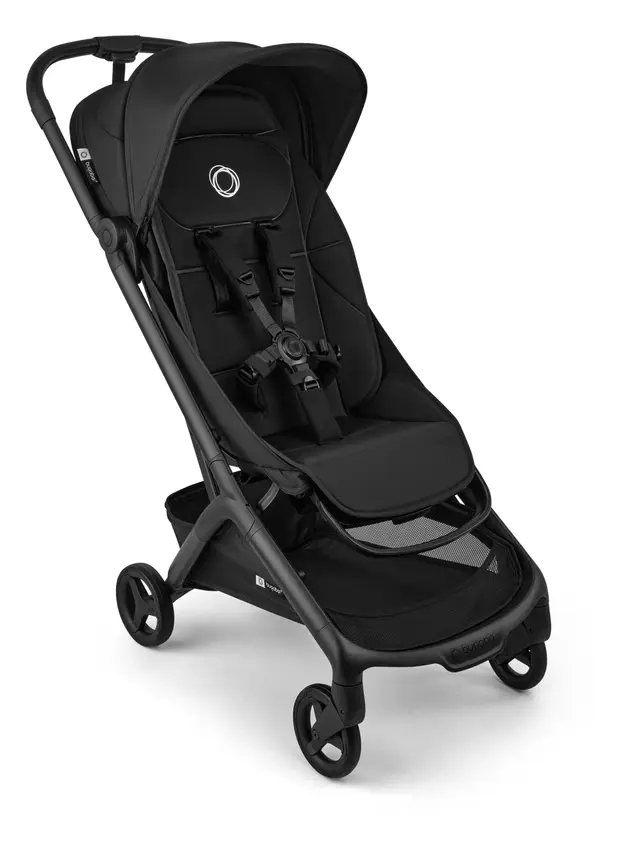
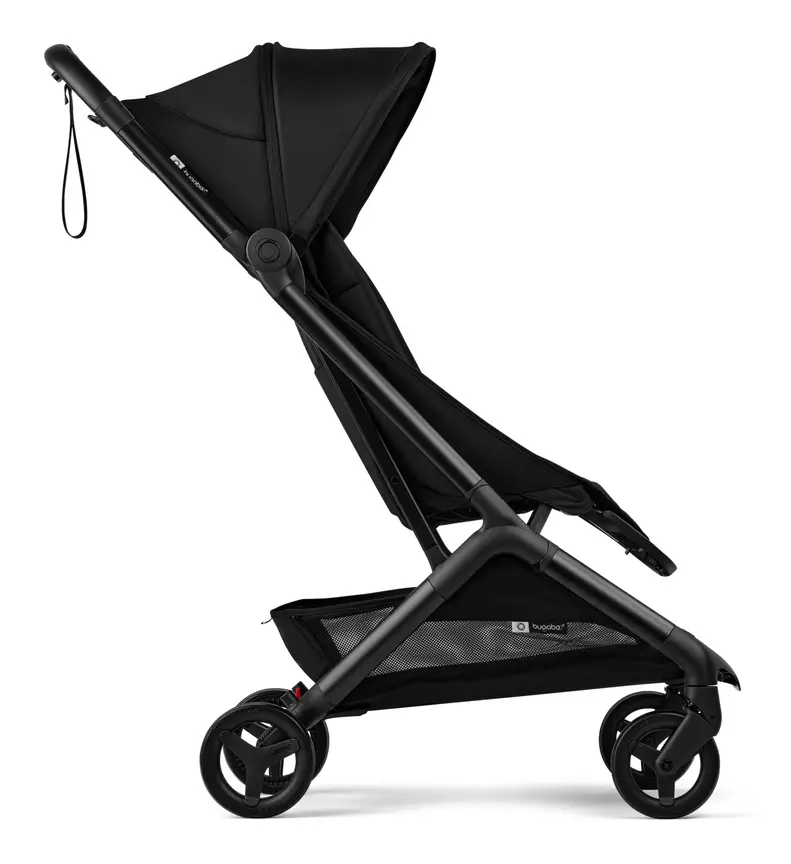


Bugaboo Butterfly
Bugaboo's cabin-friendly compact stroller with a one-second fold — the travel partner to a Fox, not a replacement for it.
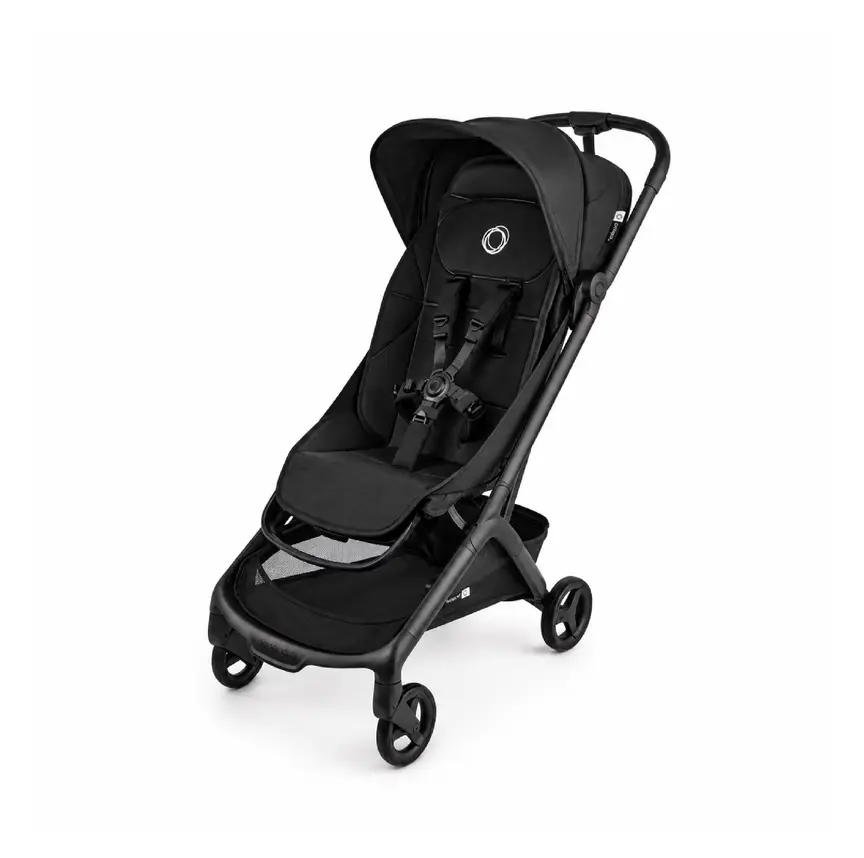
Bugaboo Butterfly 2
The newer Butterfly. It folds in about one second, has a lay-flat seat and a bigger basket with a back pocket.
Read our full review →Why compact strollers are extra risky
Not all strollers balance the same way. A full-size pram has a heavy frame and a wide gap between the front and back wheels. That long base gives it more stability. It takes more weight on the handle to lift the front wheels.
A compact or travel stroller is built for a different job. Makers strip away metal to keep it light enough to lift into a car boot or overhead plane locker. The frame is shorter. The wheels are smaller and closer together.
Because the stroller itself weighs so little, your bag can easily weigh more than the frame. Also, many compact strollers have steeper, upright handles that sit well behind the rear axle. Even a light handbag on the handle can make the front wheels feel floaty.
Swivel wheels and bumps make it worse
Compact strollers usually have small front swivel wheels. When you hit a crack in the footpath, a pebble, or a shop doorway lip, those small wheels stop fast. Your natural instinct is to push down on the handle to pop the front wheels up.
If a heavy bag is already pulling the handle down, that small push can send the stroller too far back. Instead of hopping up the kerb, the stroller tips onto its back.
When backward tipping happens most
Knowing the danger moments helps you stay ahead of them. Most stroller tips happen during normal, everyday tasks:
- Lifting your child out: Taking your baby out at the car, home, or a park bench removes the front counterweight.
- Stepping up a kerb or step: Pushing down on the handle to raise the front wheels adds your own body force to the bag's weight.
- Letting go for a moment: Taking both hands off the handle to tap a card, grab a coffee, or tie a shoe.
- Walking on slopes and ramps: Going uphill shifts more weight toward the back wheels automatically.
- Standing on a bus or train: Sudden braking or turning throws a hanging bag backward like a pendulum.
- When a toddler leans back: Older babies and toddlers love to arch their backs or push off the footrest. That sudden shift moves their weight toward the handle.
Whenever a stroller tips, the frame and handle hit the ground hard. A child strapped in can hit the back of their head on concrete. A child who is unbuckled can fall straight out. That is why you should always lock the brake and use the five-point harness, even for short stops.
Comparing safer ways to carry your baby gear
You still need nappies, wipes, spare clothes, and water when you leave the house. The table below compares the five most common ways parents carry gear with a stroller.
| Carry option | Best for | Tipping risk | What to watch out for |
|---|---|---|---|
| Under-seat basket | Nappy bags, shopping, water bottles | Very low | Check the basket weight limit on the label |
| Small handlebar organiser | Phone, keys, tissues, dummy | Low if kept light | Do not load with full drink bottles or heavy bags |
| Backpack worn by you | Full day trips with a compact stroller | None | Hot on your back in summer; adjust straps evenly |
| Crossbody or waist bag | Quick errands, wallet, phone | None | Keep it snug so it does not swing onto your baby |
| Handlebar hooks and clips | Nothing on compact strollers | High | Bags swing as you walk and pull the handle back |
Under-seat storage basket
The basket under the seat is the safest spot for heavy gear. Weight down low keeps the centre of gravity close to the ground. Weight between the front and back wheels helps hold all four wheels down.
Most baskets have a sewn-in label showing their top weight limit. Never pack above that limit. Overstuffing the basket can tear the fabric or make the bottom drag on the ground.
Small handlebar organiser (light items only)
A slim organiser can be handy if your stroller manual allows handle storage. Use it only for tiny, light items you need in a hurry. Think of a packet of tissues, sunnies, lip balm, and your keys.
Keep heavy items out of it. Two full stainless steel water bottles can weigh well over a kilogram. Put those in the basket or carry them yourself.
Backpack worn on your shoulders
If you use a tiny travel stroller with a small basket, wear the nappy bag on your back. Your body carries the load safely, and the stroller stays balanced. You can also bend down to help your child without the stroller moving.
Pick a backpack with wide, padded straps so your shoulders do not ache. When you stop at a cafe, take the backpack off and set it on the floor or chair, never on the stroller handle.
Crossbody or waist bag
A small crossbody bag or bum bag (fanny pack) keeps your valuables on you at all times. You never have to leave your wallet or phone in a parked stroller. It adds zero weight to the frame.
Handlebar hooks and clips
Plastic clips and metal carabiners for stroller handles are sold everywhere. Many parents buy them without thinking twice. They feel handy at first, because hanging a bag takes one second.
The problem is simple. Hooks invite you to hang heavy backpacks and shopping bags off the back of the handle. Worse, bags on hooks swing from side to side as you walk. That swinging motion tugs the stroller off balance with every step.
How to pack light so the under-seat basket is enough
Many parents hang bags on the handle because their compact stroller has a tiny basket. A big structured nappy backpack simply will not fit through the small opening underneath. You can fix this by changing how you pack.
- Switch to soft pouches: Replace one stiff backpack with two or three soft zip pouches. One pouch holds nappies and wipes. One holds a spare outfit. Soft pouches slide easily through narrow basket gaps.
- Pack for the trip, not the whole weekend: For a one-hour park trip, you rarely need six nappies, three outfits, and a giant tub of cream. Pack what you need for that outing, plus one spare.
- Put heavy items low and forward: Slide water bottles and food jars toward the middle or front of the basket, not hanging out the back edge.
- Use a flat foldable change mat: Bulky padded mats take up half a compact basket. A thin wipe-clean mat folds flat and leaves room for essentials.
- Leave extra shopping in a carry bag: If you buy groceries on a walk, do not hang plastic bags on the handle. If they do not fit in the basket, carry them in one hand or use a backpack.
Side by side: more prams & strollers to compare
Real products from our catalogue. We don't show star ratings or review counts; check the current price, stock and reviews on Amazon before you buy.


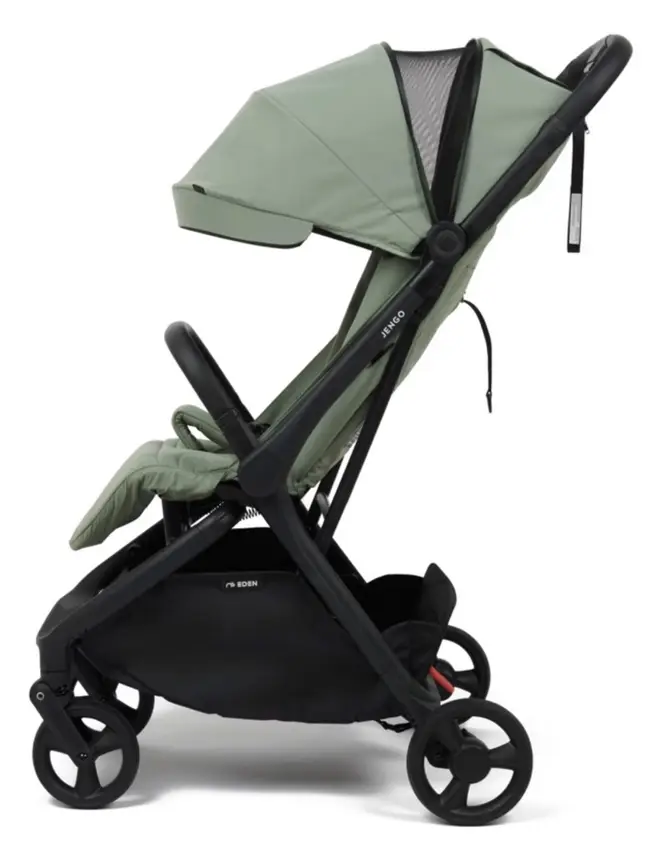
Jengo Eden Compact Stroller
A budget compact stroller from birth to 22 kg. It folds with one hand and has a big basket.
Read our full review →
Joie Pact Pro
A 6.3 kg travel stroller from birth to 22 kg. You can clip a Joie Gemm or i-Gemm capsule on top.
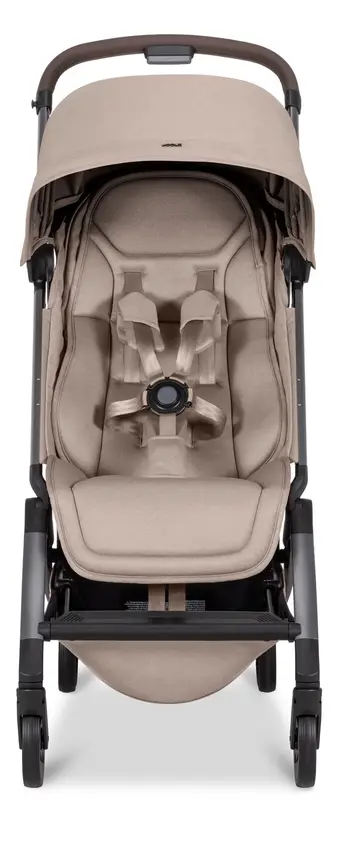


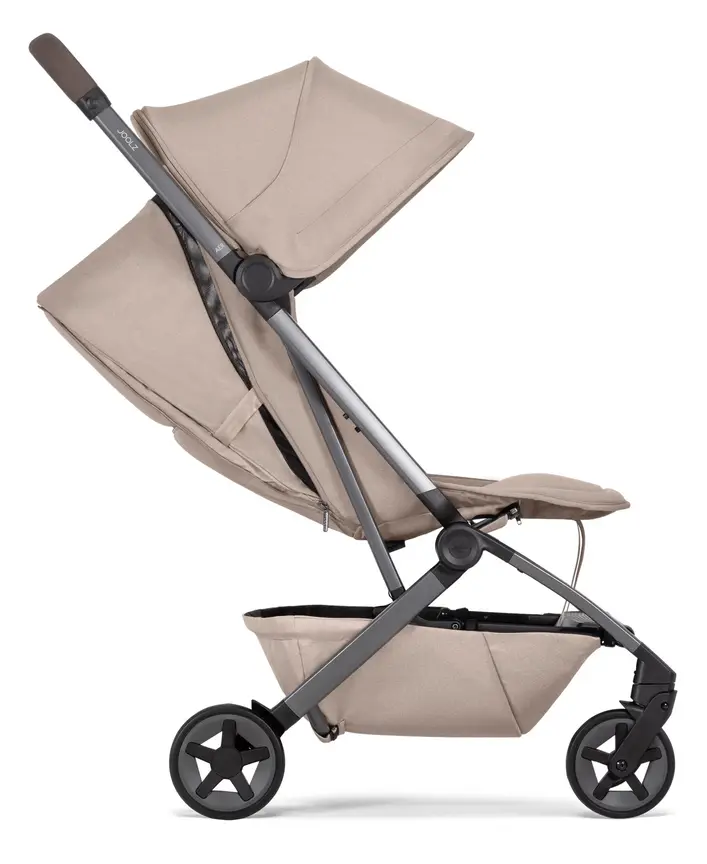


Joolz Aer2
A 6.5 kg stroller with a fast one-hand fold, deep recline from newborn and a UPF50+ sun hood.
Read our full review →


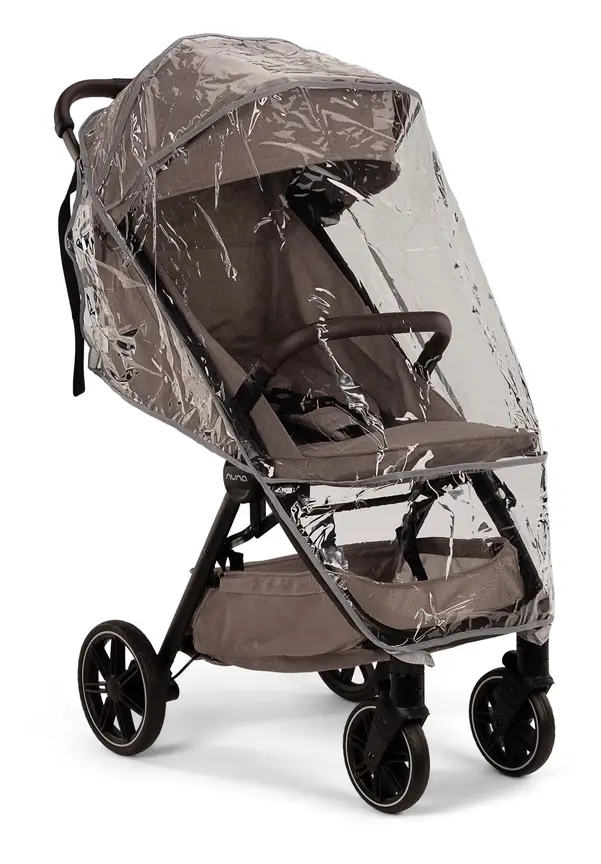

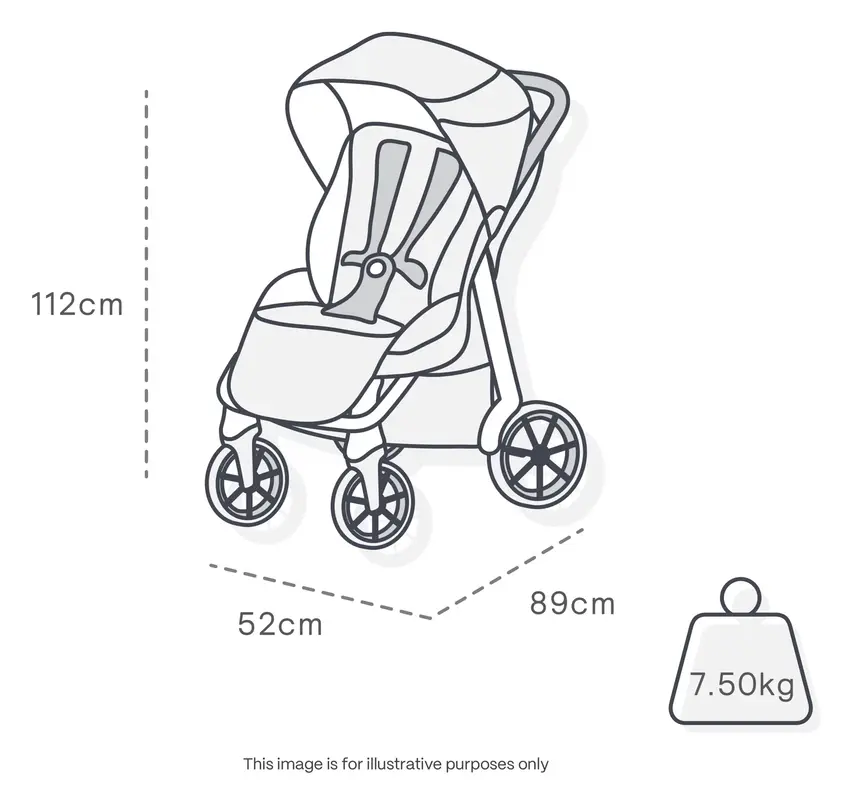
Nuna TRVL LX
A premium compact stroller with a lie-flat seat. It takes the Nuna KLIK Plus capsule on the armbar.
Read our full review →How to test if your stroller setup is safe
You do not have to guess whether an organiser or small bag is too heavy. Do this quick balance check at home before you go out. Make sure your child is not in the stroller during the test.
- Park the empty stroller on a flat floor inside your home.
- Press the parking brake down firmly.
- Pack your handlebar organiser or basket the way you plan to use it.
- Hold the handle lightly, then take your hands away.
- Watch the front wheels. If they lift even a millimetre, the handle is too heavy.
- If the wheels stay down, press very gently on the handle, as if stepping up a kerb.
- Notice how fast the front rises. If it feels twitchy or light, take weight off the handle right away.
Remember that an empty stroller is the true test. Your baby will not stay in the seat for the whole trip. If the stroller cannot stand upright empty with your bag attached, it is not safe to use that way.
Safety standards and official advice in Australia, the UK, the US and Canada
Stroller safety rules exist in all four countries. Regulators test prams and strollers for strength, brakes, harnesses, and balance. Here is how the four regions compare.
| Country | Main safety bodies | Main stroller standard | Advice on hanging bags |
|---|---|---|---|
| Australia | ACCC / Product Safety Australia, Kidsafe, Raising Children Network | AS/NZS 2088 | Do not hang bags on handles unless the maker says it is safe |
| UK | Office for Product Safety and Standards (OPSS), RoSPA, NHS | BS EN 1888 | Avoid hanging heavy bags on handles to prevent tipping |
| US | Consumer Product Safety Commission (CPSC), American Academy of Pediatrics | ASTM F833 | Keep bags off the handlebar; use the under-seat basket |
| Canada | Health Canada, Canadian Paediatric Society (Caring for Kids) | Canadian carriage and stroller rules | Never overload handles; follow the maker's weight limits |
What these standards actually test
In Australia, mandatory rules based on AS/NZS 2088 check that prams have strong brakes, secure folding locks, a tether strap, and a five-point harness. They also test stability on sloped ground. In the UK, BS EN 1888 checks similar safety points, including frame strength and tip resistance. In the US, ASTM F833 sets rules for stability, brakes, and restraint systems. Canada enforces its own national carriage and stroller rules through Health Canada.
Here is the key detail parents often miss. All of those lab tests check the stroller as it was sold, or with weight in the official basket. They do not guarantee stability if you clip extra hooks or heavy bags onto the handlebar.
When strollers fail stability checks or cause injuries, regulators issue safety recalls. You can check active recall lists on Product Safety Australia, the UK government product safety site, the US CPSC website, and Health Canada's recalls page.
What about tether straps and brakes?
In Australia, prams and strollers must come with a wrist tether strap. This strap loops around your wrist so the stroller cannot roll away down a hill or onto a road if you let go. Always slip your wrist through it when walking near traffic, slopes, or train platforms.
A tether strap stops the stroller rolling away, but it does not stop backward tipping if the handle is overloaded. Only proper weight placement stops tipping.
Your parking brake is just as important. Every time you stop to check your bag, pay at a counter, or lift your child out, lock the brake first. A rolling stroller tips even faster than a parked one.
Common mistakes parents make with stroller storage
Even careful parents slip into habits that raise tipping risk. Watch out for these common mistakes:
- Using universal hooks on a travel stroller: Hooks sold separately rarely match the weight limits of lightweight frames.
- Hanging wet or heavy shopping bags: A carton of milk and a loaf of bread weigh more than you think.
- Leaving the bag on while buckling or unbuckling: Always take any handle bag off before you lift your child out.
- Storing heavy bottles up high: Insulated metal bottles belong in the basket, not in a handlebar cup holder.
- Ignoring the stroller manual: Most manuals clearly warn against hanging bags on the push bar. Following that rule also protects your warranty if the frame bends.
- Letting an older sibling pull on the handle: A toddler hanging on the back bar adds far more weight than a nappy bag. Teach older children to walk beside you or hold the side frame, never pull down on the handle.
How to set up a compact stroller for daily outings
A few small tweaks make everyday walks much smoother without risking a tip:
- Measure your basket first: Before buying packing cubes or a new nappy bag, check the size of your stroller's under-seat basket.
- Keep a mini kit in the car: Store spare clothes, extra nappies, and a big blanket in the car boot. Then you only need to carry basics in the stroller.
- Check the tyres and brakes: Worn brakes or flat tyres make a stroller wobble and tip more easily on uneven ground.
- Teach everyone who pushes the stroller: Grandparents, babysitters, and older siblings may not know that hanging a handbag on the handle can flip the frame. Show them the basket and the brake before they head out.
More options, from budget to premium
Real products from our catalogue. We don't show star ratings or review counts; check the current price, stock and reviews on Amazon before you buy.
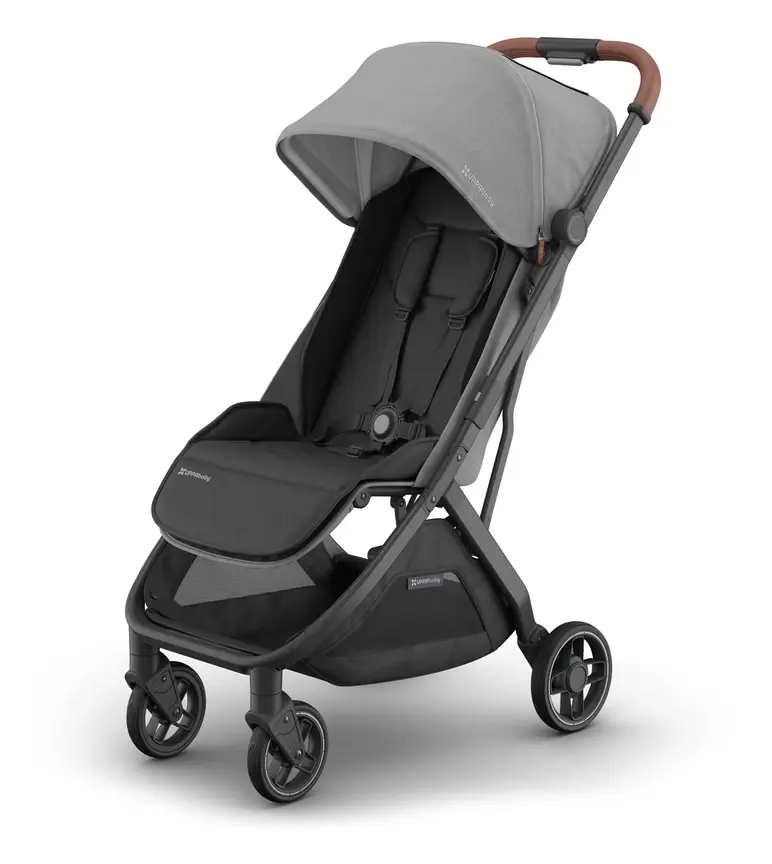


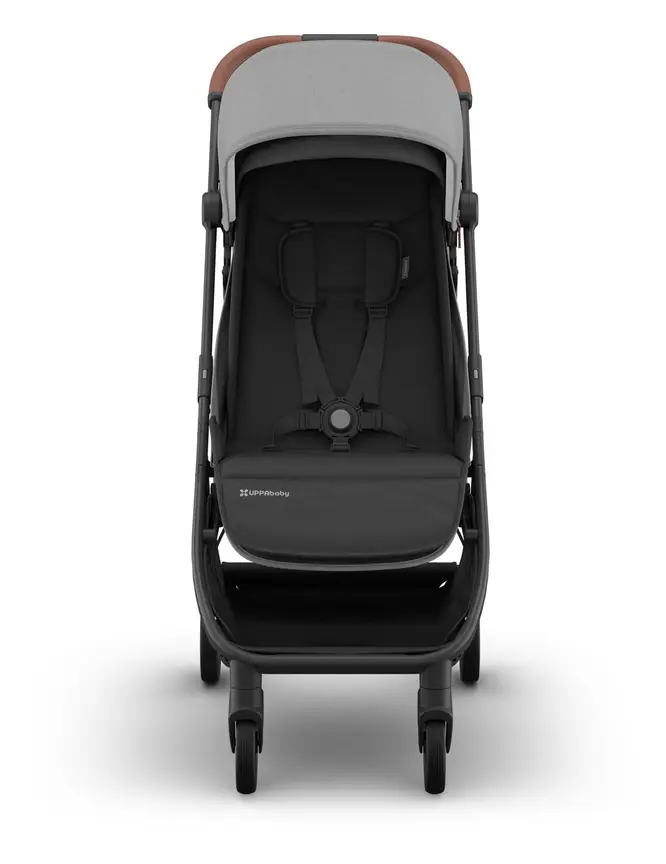


UPPAbaby Minu V3
A slim travel stroller that folds with one hand, stands on its own and is sized for plane overhead lockers.
Read our full review →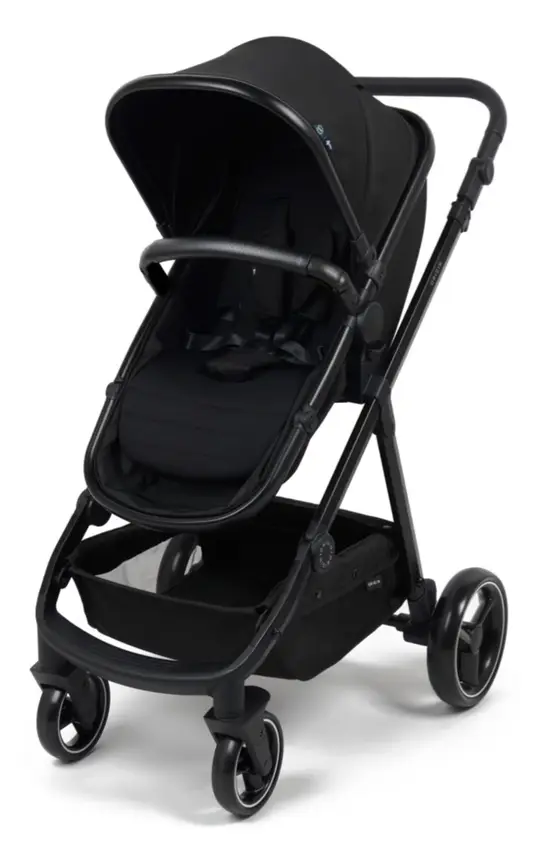
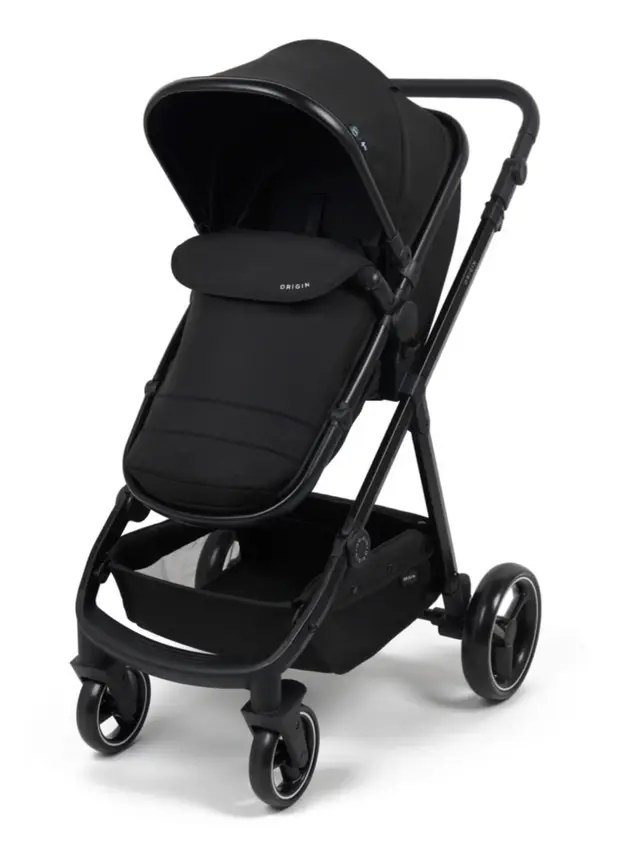
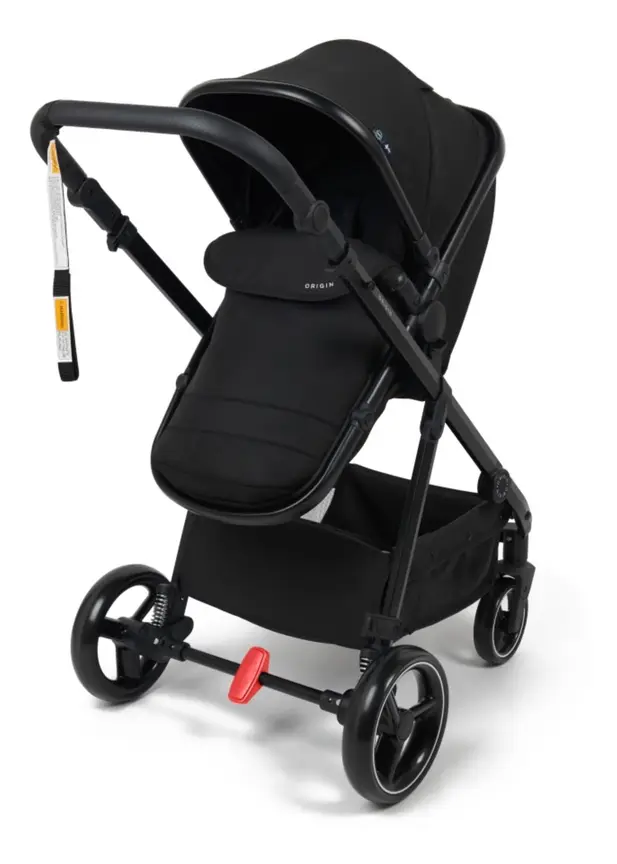
4baby Origin Stroller
A budget pram whose seat turns into a bassinet. The seat can face you or face the world.
Read our full review →
Baby Jogger City Mini GT2
Long-running, lighter all-terrain stroller with a famously simple one-hand strap fold.
Frequently asked questions
Can I use a handlebar organiser on a compact travel stroller?
Check your stroller manual first. Many compact strollers say not to put any weight on the handle at all. If your manual allows a small organiser, keep only very light items inside, such as keys, tissues, and a phone. Never pack full drink bottles or heavy wipes in it.
Are stroller clips and hooks ever safe to use?
Handlebar clips are risky on almost any stroller, and especially on compact models. Even if your child is heavy, the stroller can flip the moment you lift your child out. Some full-size prams have built-in bag hooks tested by the maker to a set weight limit. Only use hooks if your stroller maker built them in and gave a clear limit.
How much weight can a stroller handlebar hold?
There is no single number for all strollers. Many compact travel strollers have a handlebar limit of zero kilograms. Some larger prams allow a light organiser up to one or two kilograms, while others ban handle loads completely. Always read the sticker on your frame or the safety page of your manual.
What if my compact stroller has a tiny under-seat basket?
Use soft zip pouches instead of one big backpack so your gear squeezes into the basket easily. Pack only what you need for that short trip, and leave extra supplies in the car. If you need a lot of gear for a full day out, wear a backpack on your own shoulders.
Does a heavier toddler stop the stroller from tipping?
A heavier child helps keep the front down only while they are sitting still in the seat. The danger returns the second you unbuckle them and lift them out. Also, toddlers lean back, kick, and wiggle, which shifts their weight toward the back wheels. Never rely on your child's weight to balance a heavy bag.
What should I do if my stroller starts to tip while we are out?
Keep both hands on the frame and lower the front wheels gently back to the ground. Lock the parking brake right away. Take any bags off the handlebar before you unbuckle your child. Move heavy items into the under-seat basket or put the bag onto your own back before walking again.
Sources
- Product Safety Australia – Prams and strollers guide
- Product Safety Australia – Prams and strollers mandatory standard
- Kidsafe Australia – Falls
- Raising Children Network – Falls prevention: babies and young children
- UK Office for Product Safety and Standards
- NHS – Baby and toddler safety
- HealthyChildren.org (American Academy of Pediatrics) – Home safety: tips for families with young children
- Health Canada – Recalls and safety alerts
Related guides
More Prams & Strollers →
Flip-Flop Friendly Stroller Foot Brakes vs. Handlebar Hand Brakes: Downhill Control and Sand Resistance

Faux-Leather Stroller Handlebar and Bumper Bar Covers: Replacing Peeling Foam Grips

How to Measure a Compact Stroller for a Small Hatchback
