







Understanding Baby Gear Safety Ratings: What Parents Should Know
Learn what baby gear safety ratings mean in Australia, the UK, the US and Canada. Check mandatory standards, safety labels and recall lists.
On this page
- Key points
- What baby gear safety ratings actually mean
- Mandatory standards vs independent ratings vs shop labels
- Official safety bodies in Australia, the UK, the US and Canada
- How car seat safety ratings work
- How sleep, pram and home gear are checked
- How to check a product before you buy
- Safety by age and stage
- Common mistakes parents make with safety ratings
- Frequently asked questions
- Sources
Short answer: A baby gear safety rating is not the same as a legal safety standard. A mandatory standard is the minimum rule a product must pass by law before a shop can sell it. An independent safety rating checks how well a product performs beyond that basic pass mark. Always check for the official safety label for your country first. Then use independent ratings and national recall lists to make your final choice.
This guide explains how safety rules work in Australia, the UK, the US and Canada. It shows you how to read labels, spot weak claims and avoid common buying traps.
Key points
- Pass mark first: A mandatory standard sets the basic legal floor. Never buy gear that skips your country's required standard.
- Ratings go further: Independent groups, like CREP in Australia, check how well car seats protect a child in harder impacts and how easy they are to fit.
- Labels vary by country: A car seat sold legally in the US or UK is usually not legal to use in Australia or Canada, and the reverse is also true.
- Price does not equal safety: Expensive gear is not always safer. Every legal product must pass the same core safety rules.
- Online marketplaces carry risks: Overseas sellers may ship items that fail local safety laws.
- Check recalls every time: Always search your national recall site before using new or second-hand baby gear.
What baby gear safety ratings actually mean
Many parents see bold safety claims on a box and feel reassured. Those words do not tell you who checked the item. They also do not tell you what rules the product passed.
To shop safely, you need to know the difference between three things. These are mandatory safety standards, voluntary standards and independent safety ratings.
Mandatory safety standards
A mandatory standard is a law. A maker must meet these rules before selling the item in your country. Regulators check things like frame strength, brake hold, strap locks and gap sizes.
If a product fails a mandatory standard, it is illegal to sell it. Regulators can force a recall and take it off the shelves. For example, Australia has mandatory standards for household cots, folding cots, prams, strollers and child car seats.
Voluntary safety standards
Some baby items do not have a strict law in every country. Instead, they have a voluntary standard written by safety experts. Good makers follow these rules anyway to show their gear is safe.
In some places, a voluntary standard later becomes a law. Checking for a voluntary standard is still much better than buying an unchecked item.
Independent safety ratings
Independent ratings come from groups that do not make or sell the gear. They buy products from normal shops and assess them in independent centres. They often check them at higher speeds or tougher angles than the basic law requires.
Car seat safety ratings are the best-known example. They help parents compare products that have already passed the legal minimum.
Mandatory standards vs independent ratings vs shop labels
It is easy to mix up legal marks, independent ratings and marketing stickers. This table shows how they differ.
| Type | Who runs it? | Is it required by law? | What it tells you |
|---|---|---|---|
| Mandatory safety standard | Government regulator | Yes | The item meets the basic legal safety rules for your country. |
| Independent safety rating | Auto clubs, consumer groups or charities | No | How well the item performs in tougher checks or daily use. |
| Voluntary industry standard | Standards bodies or trade groups | No | The maker chose to follow an agreed safety benchmark. |
| Box marketing claim | The brand or seller | No | A sales pitch. It has no legal weight on its own. |
Never rely on a marketing claim like "doctor approved" or "extra safe" on a box. Look for the exact standard code or the name of a trusted safety body instead.
Official safety bodies in Australia, the UK, the US and Canada
Baby gear laws stop at national borders. A product built for one country may not meet the rules in another. Here are the main official bodies and product rules across all four countries.
| Country | Main product regulator | Child health and sleep bodies | Key car seat and gear standards |
|---|---|---|---|
| Australia | ACCC and Product Safety Australia | Red Nose Australia, Raising Children Network, Kidsafe | AS/NZS 1754 (car seats), AS/NZS 2172 (cots), AS/NZS 2088 (prams), AS/NZS 8811.1 (mattress firmness) |
| UK | Office for Product Safety and Standards (OPSS) | The Lullaby Trust, NHS, RoSPA | R129 and ECE R44 (car seats), BS EN 716 (cots), BS EN 1130 (cribs), BS EN 1888 (prams), BS EN 16781 (sleep bags) |
| US | Consumer Product Safety Commission (CPSC) | American Academy of Pediatrics (AAP), NICHD Safe to Sleep | FMVSS 213 (car seats), ASTM F1169 (cribs), ASTM F833 (strollers), ASTM F404 (high chairs), ASTM F2194 (bassinets) |
| Canada | Health Canada Consumer Product Safety | Canadian Paediatric Society (Caring for Kids), Transport Canada | CMVSS 213 (car seats), plus strict federal rules for cribs, playpens, strollers and sleep products |
Australia
In Australia, Product Safety Australia and the ACCC enforce mandatory standards under consumer law. Key codes include AS/NZS 1754 for child car seats, AS/NZS 2172 for household cots and AS/NZS 2088 for prams and strollers. Australia also has AS/NZS 8811.1, which sets a firmness rule for baby mattresses.
Other mandatory rules cover infant sleep products, folding cots, bicycle helmets (AS/NZS 2063), toys (AS/NZS 8124) and button batteries. Red Nose Australia and Kidsafe offer clear guides to help parents match these rules at home.
United Kingdom
In the UK, the Office for Product Safety and Standards (OPSS) oversees product safety. Shops must sell items with a UKCA or CE safety mark that meets British and European standards. Examples include BS EN 1888 for prams, BS EN 716 for cots, BS EN 1130 for cribs and BS EN 16890 for cot mattresses.
For sleep bags, BS EN 16781 sets rules for neck openings and warmth labels. For car seats, the UK uses R129 (often called i-Size) and older ECE R44 rules. The Lullaby Trust, the NHS and RoSPA provide trusted safety advice for families.
United States
In the US, the Consumer Product Safety Commission (CPSC) enforces federal safety rules for baby gear. Many federal rules build on ASTM standards, such as ASTM F1169 for full-size cribs, ASTM F406 for play yards, ASTM F833 for strollers and ASTM F404 for high chairs.
The US also has federal laws that ban inclined sleepers and cot bumpers for baby sleep. Another federal law requires secure battery doors on products that use button cells. Car seats must meet FMVSS 213, overseen by the National Highway Traffic Safety Administration (NHTSA).
Canada
In Canada, Health Canada enforces strict laws under its national consumer product safety rules. Canada bans baby walkers with wheels and limits harmful chemicals like phthalates in soft plastics. It also sets strict rules for cribs, cradles, bassinets and playpens.
Transport Canada regulates car seats and booster seats under CMVSS 213. Every legal car seat in Canada carries a National Safety Mark label. Parents can also check Caring for Kids from the Canadian Paediatric Society for clear health advice.
How car seat safety ratings work
Car seats are the one piece of baby gear where independent ratings are most common. Every legal car seat must pass a government impact check first. Independent ratings then check how much extra protection a seat gives.
Australia: CREP ratings
In Australia, every car seat sold must meet AS/NZS 1754. Beyond that law, the Child Restraint Evaluation Program (CREP) runs extra impact checks. CREP is backed by Australian road safety groups and auto clubs.
CREP rates each seat in two separate areas:
- Protection: This measures how well the seat shields a child dummy in frontal and side impacts.
- Ease of use: This checks how clear the labels are and how simple it is to fit the seat and buckle the harness.
Ease of use matters a lot. A seat with great protection cannot keep your child safe if it is hard to install and ends up fitted loosely.
UK and Europe: R129 (i-Size) and R44
In the UK, car seats follow UN R129 or the older UN R44 rules. R129 seats are sized by your child's height rather than weight. They also include mandatory side-impact checks.
RoSPA explains that R129 seats keep children rear-facing until at least 15 months old. Many UK consumer groups also publish safety and ease-of-use guides to help parents compare R129 models.
United States: FMVSS 213 and NHTSA ratings
In the US, every car seat must meet FMVSS 213. NHTSA does not give impact-protection ratings to car seats. Instead, NHTSA publishes an Ease of Use rating.
That rating looks at labels, instructions, harness adjustments and how easy it is to secure the seat in a car. The American Academy of Pediatrics advises keeping children rear-facing as long as possible within the seat's height and weight limits.
Canada: CMVSS 213 and expiry dates
In Canada, all car seats must meet CMVSS 213 and display the maple leaf National Safety Mark. Transport Canada also requires makers to stamp an expiry date on every car seat.
Plastic wears down over time from heat, cold and sun. Once a seat passes its expiry date, you must stop using it and throw it away safely.
Fit beats a high rating
A top-rated seat that does not fit your car is a poor choice. Before you buy, check that the seat fits your back seat angle and seat belt or anchor points. Always check your child's height, weight and shoulder marker lines.
How sleep, pram and home gear are checked
Car seats are not the only gear with detailed safety rules. Cots, mattresses, prams, high chairs and toys all face strict checks too.
Cots, bassinets and mattresses
Sleep products have some of the toughest rules because babies spend so many hours asleep. Standards like AS/NZS 2172, BS EN 716 and ASTM F1169 check bar spacing so a baby's head or limbs cannot get trapped. They also check that corner posts and latches cannot catch clothing.
Mattress firmness is just as key. A soft mattress can mould around a baby's face and block their breathing. Australia uses AS/NZS 8811.1 to check firmness. In the UK, BS EN 16890 sets cot mattress rules. In the US and Canada, firm, flat surfaces are required by law for infant sleep.
Red Nose Australia, The Lullaby Trust, the AAP and Health Canada all say the same thing. A safe sleep space is firm, flat and completely clear of pillows, bumpers, toys and loose blankets.
Prams and strollers
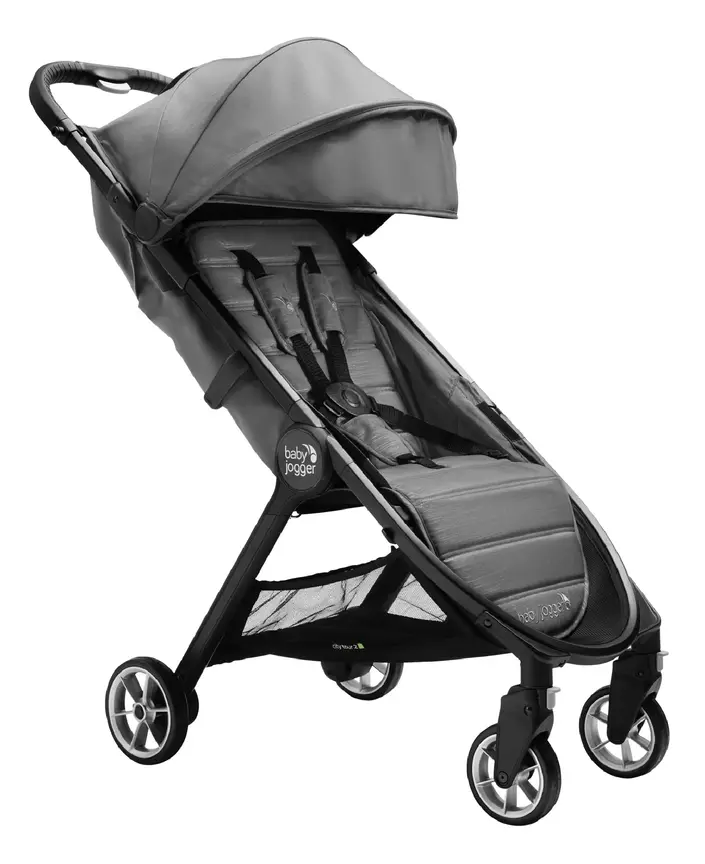
Standards like AS/NZS 2088, BS EN 1888 and ASTM F833 check prams and strollers for tip-over risk and frame collapse. They also check brake strength on slopes and finger traps in folding hinges.
In Australia, prams must also have a tether strap. This strap loops around your wrist so the pram cannot roll away if you let go. Look for a five-point harness and a clear red brake lever you can lock with your foot.
High chairs, carriers and gates
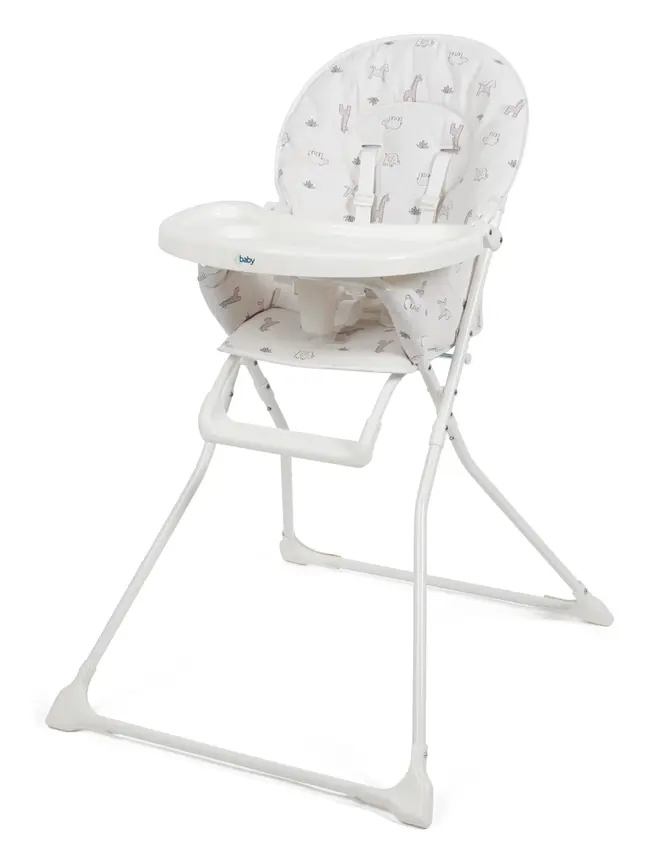
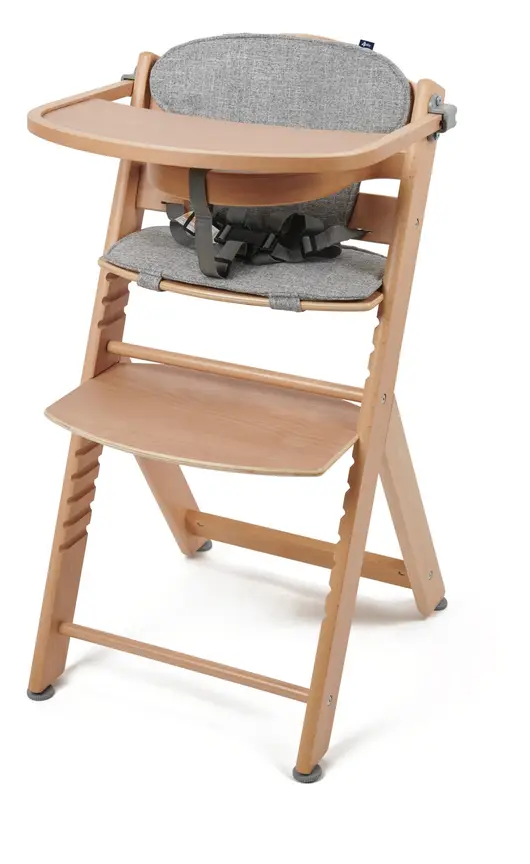
High chairs must meet rules like BS EN 14988 and ASTM F404. Checks make sure that the chair does not tip backwards when a toddler pushes off a table. They also check for a crotch post and waist strap so a child cannot slide down under the tray.
Safety gates follow rules such as BS EN 1930 to make sure gaps are small and latches are hard for toddlers to open. Baby slings and carriers are checked for strong seams and open airways. Always follow the TICKS rule: keep your baby tight, in view, close enough to kiss, with chin off chest and a supported back.
Hidden hazards: button batteries, magnets and cords
Some of the biggest risks in baby gear come from small parts or cords. Button batteries can burn through a child's throat within hours if swallowed. Australia, the US and other regions now require battery doors that need a tool or two separate actions to open.
High-powered magnets found in some toys can stick together inside a child's gut and cause severe harm. Loose blind cords and monitor cords near a cot pose a strangulation risk. Rules like BS EN 13120 and CPSC window cord rules aim to remove long cords from homes with young children.
How to check a product before you buy
You do not need to be an engineer to check baby gear safely. Follow these simple steps before you pay.
- Look for the local standard label: Check the box, sewn tag or moulded plastic for your country's standard code or safety mark.
- Avoid vague claims: Phrases like "EU style" or "meets international standards" are not the same as passing your local law.
- Check who the seller is: Buying from a local, known retailer gives you better protection than buying from an unknown overseas seller online.
- Search the national recall list: Type the brand and model name into your government recall website before you buy.
- Read the weight and height limits: Check that the item suits your child's size right now, not just their age.
- Inspect the build in person if you can: Wiggle the frame, check the brakes and make sure clips feel sturdy and smooth.
Checking second-hand baby gear
Second-hand gear can save money, but you must be extra careful. Safety rules change over time. An older cot or car seat may no longer be legal or safe.
Never use a second-hand car seat unless you know its full history. Do not use it if it has been in a crash, is past its expiry date, or has missing parts or frayed straps. For cots, avoid drop-side models made before current standards, and always buy a brand-new, firm mattress that fits tightly with no gaps.
Safety by age and stage
Your baby's needs change fast in the first three years. The safety checks that matter most change as your child grows.
| Age stage | Main safety focus | Gear to check closely |
|---|---|---|
| Newborn (0 to 3 months) | Clear airways, flat sleep, rear-facing travel | Cot or bassinet, firm mattress, rear-facing car seat, pram with flat recline, sling |
| Baby (4 to 12 months) | Rolling, sitting, reaching and mouthing objects | High chair harness, cot mattress lowered, toy size and battery doors, playpen mesh |
| Toddler (1 to 3 years) | Climbing, walking, tipping furniture | Safety gates, wall anchors for dressers, blind cord cleats, cot-to-bed move |
| Preschooler (3 years and up) | Car seat transitions, wheeled play | Forward-facing seat or booster fit, bike helmet standard (AS/NZS 2063 or EN 1078) |
Check straps, buckles and screws every couple of months as your baby grows. Move the cot base down before your baby can sit up or pull to stand.
Common mistakes parents make with safety ratings
Even careful parents can get caught out by marketing or habits. Here are the most common mistakes to avoid.
- Buying gear from overseas websites: A car seat bought from a US site is illegal in Australia and the UK. A UK seat is illegal in the US and Canada. Always buy car seats and sleep gear locally.
- Trusting buyer comments over safety checks: Online shopper comments only tell you if buyers liked the colour or fold. They do not mean the product passed safety checks.
- Adding unapproved accessories: Extra seat liners, strap pads, mirrors or aftermarket sleep nests can stop harnesses from working or block a baby's airway. Only use accessories approved by the gear maker.
- Using car seats as everyday beds: Car seats are for travel. Red Nose Australia, The Lullaby Trust and the AAP warn that babies should not sleep in a car seat for long stretches outside the car. Move a sleeping baby to a flat cot when you get home.
- Skipping product registration: Many parents throw away the warranty card. Registering your gear with the maker means they can contact you fast if a recall happens.
- Assuming "natural" or "organic" means safe: Natural fabrics can still be too thick for safe sleep, and wooden toys can still have small parts or toxic paint if they fail toy safety rules like AS/NZS 8124, BS EN 71 or ASTM F963.
Frequently asked questions
Is a more expensive baby product always safer?
No. Every legal product in your country must pass the same mandatory safety standard, whether it is budget or luxury. Extra cost usually pays for lighter frames, nicer fabrics, brand names or extra features, not better basic safety.
Can I use a car seat from another country if I move or travel?
In most cases, no. Car seat laws and anchor systems differ between Australia, the UK, the US and Canada. You should use a car seat that meets the legal standard of the country where you are driving. Check local road rules before travelling.
Where can I check if my baby gear has been recalled?
Check the official government recall website for your country. In Australia, use Product Safety Australia. In the UK, check the OPSS product safety alerts page. In the US, search the CPSC recall list. In Canada, check Health Canada's recalls and safety alerts site.
What does the JPMA seal mean on US baby gear?
The JPMA seal stands for the Juvenile Products Manufacturers Association. It means an independent group checked the product against ASTM standards and US federal rules. It is a helpful sign for US shoppers, though it does not replace checking for recalls.
Do baby gear safety ratings expire?
Standards get updated as new safety research comes out. Also, car seats have a set lifespan, often marked as an expiry date on the shell. In Canada, expiry dates are required by law. In Australia, the UK and the US, makers also advise replacing seats after a crash or after the maker's stated lifespan.
Are inclined baby sleepers and sleep positioners safe if people recommend them?
No. Official bodies in Australia, the UK, the US and Canada warn against inclined sleepers, sleep positioners and cot bumpers. Babies should always sleep flat on their back on a firm, clear mattress.
Sources
- Product Safety Australia – Settle baby to sleep safely
- Child Car Seats Australia – Ratings explained
- Product Safety Australia – Recalls
- Red Nose Australia – Product safety: how do I know what is safe
- UK Government – Buy safe, be safe
- Child Car Seats (UK, RoSPA)
- CPSC (US) – Safe sleep: cribs and infant products
- Health Canada – Recalls and safety alerts
Related guides
More Parental Tips →
Kids’ Mosquito Wristbands: What Parents Should Know About Bite Protection

Minimalist Baby Gear: What You Actually Need and What You Can Skip
Buying Used Baby Gear Safely: What to Buy, What to Skip, and What to Check