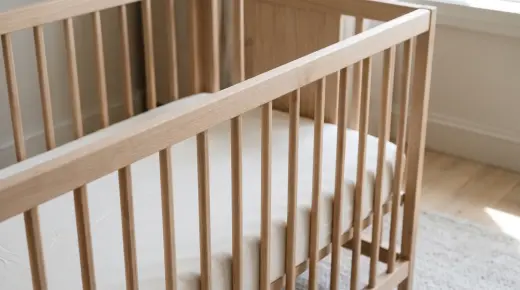
Inclined Sleepers, Bouncers and Swings: Why Babies Should Not Sleep in Them, and What the Rules Say
Babies should sleep flat, not in bouncers, swings or inclined sleepers. What the rules say in AU, the UK, US and Canada, and how to use a bouncer safely…

On this page
- Key points
- Why sleeping at an angle is risky for babies
- What the rules say in each country
- Australia's 2026 rules in more detail
- Bouncer, rocker, swing or inclined sleeper: what is the difference?
- Using a bouncer, rocker or swing safely
- Why floor time matters more than seats
- Choosing a bouncer, rocker or swing
- Using seats by age
- Settling a baby who loves motion
- Checking a product you already own
- A quick checklist before you buy
- Common situations
- What to do if your product is recalled
- Common mistakes to avoid
- FAQ
- Sources
Short answer: Babies should sleep flat on their back, in a cot or bassinet. They should not sleep in bouncers, rockers, swings or angled "inclined sleepers". When a young baby falls asleep sitting at an angle, their head can drop forward and make it hard to breathe. Bouncers and swings are fine for short, supervised awake time. If your baby falls asleep in one, move them to a flat, firm cot.
The rules now back this up. In the US, inclined sleepers were banned from sale in 2022. In Australia, from 19 January 2026, every baby sleep product must be flat, with a tilt of no more than 7 degrees. Health groups in the UK and Canada give the same advice: flat and firm for sleep.
Key points
- Sleep = flat. A cot, bassinet or portacot with a firm, flat mattress.
- Bouncers, rockers and swings = awake time only, with an adult watching.
- Inclined sleepers (angled sleep products) are banned from sale in the US. Australia's 2026 rule limits all sleep products to 7 degrees or less.
- If your baby falls asleep in a bouncer, swing, car seat or pram, move them to their cot when you can.
- Use bouncers on the floor only, with the harness done up.
- Check for recalls, especially for older or second-hand products.
Why sleeping at an angle is risky for babies
Young babies have heavy heads and weak neck muscles. Their airway (the tube air goes down) is small and soft.
When a baby falls asleep sitting up or at an angle, their head can slump forward until their chin rests on their chest. This can squeeze the airway. A sleeping baby may not be strong enough to lift their head and fix it. This is sometimes called positional asphyxia. In plain words, it means the baby's position makes it hard to breathe.
Babies can also slide or roll into the padded side of an angled product. Their face can end up pressed against soft fabric.
That is why every major safe sleep group gives the same advice. Red Nose (Australia), the Lullaby Trust (UK), the American Academy of Pediatrics (US) and Health Canada all say: put babies to sleep on their back, on a flat, firm surface, with nothing soft near their face.
What the rules say in each country
| Country | Rule |
|---|---|
| Australia | From 19 January 2026, every infant sleep product must have a flat sleep surface tilted no more than 7 degrees, including when it rocks or swings. Bouncers, rockers and swings must carry warnings that they are not for sleep. |
| US | Under the Safe Sleep for Babies Act, inclined sleepers for babies (sleep surfaces tilted more than 10 degrees) and padded crib bumpers became banned hazardous products from 12 November 2022. The CPSC also requires infant sleep products to have a sleep surface of 10 degrees or less. |
| UK | The Lullaby Trust and NHS advise that babies sleep on a firm, flat surface, and not in inclined products. The Lullaby Trust advises against products that hold a baby at an angle for sleep. |
| Canada | Health Canada advises that babies sleep on their back on a firm, flat surface in a crib, cradle or bassinet that meets Canadian rules, and not in products like swings or bouncers. |
Australia's 2026 rules in more detail
Two mandatory standards were made on 18 July 2024. Businesses must comply from 19 January 2026:
- The Infant Sleep Products Safety Standard covers bassinets, cradles, co-sleepers, cots, portable cots and inclined sleepers.
- The Infant Products Information Standard sets the warnings that sleep and non-sleep products must carry.
| Requirement for sleep products | What it means |
|---|---|
| Flat sleep surface | Not curved, and no tilt over 7 degrees |
| Rocking and swinging | Must stay within 7 degrees of tilt |
| Firm surface | The sleep surface, including the mattress, must be firm |
| Stable and safe sides | Bassinet sides at least 250 mm high |
| No trapping | No gaps that can trap a head or limbs, no sharp points |
| No restraints | No harnesses or straps on sleep products |
| Wheels | If fitted, at least two must have brakes |
One important catch: if a bouncer, swing or rocker is advertised with pictures or words showing a baby sleeping in it, it counts as a sleep product. It must then meet the full sleep standard, including the 7-degree limit.
Bouncers, Rockers & Swings worth a look
Real products from our catalogue. We don't show star ratings or review counts; check the current price, stock and reviews on Amazon before you buy.
 Reviewed
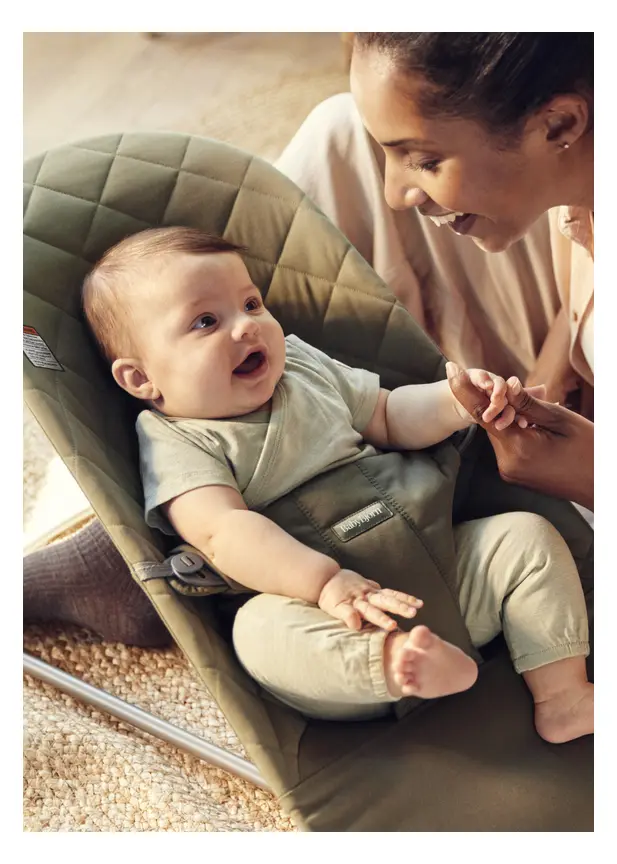
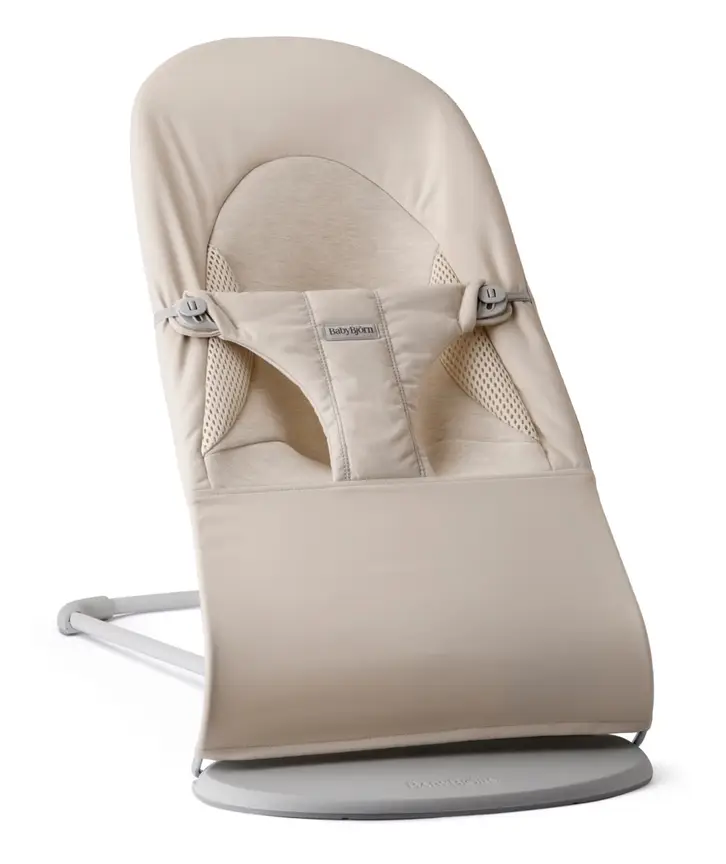
BabyBjörn Bouncer Bliss
Battery-free bouncer that rocks with your baby's own movements and converts into a toddler seat. For supervised awake time, not sleep.
Read our full review →
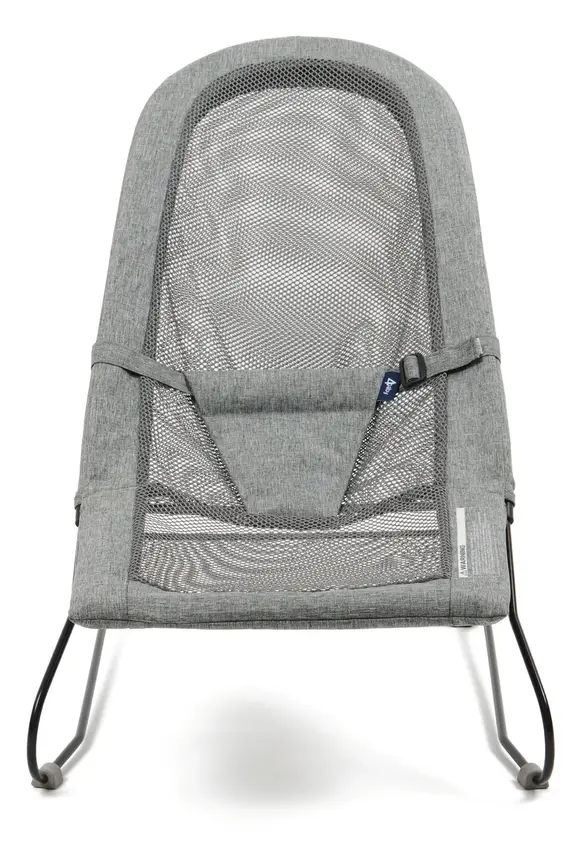
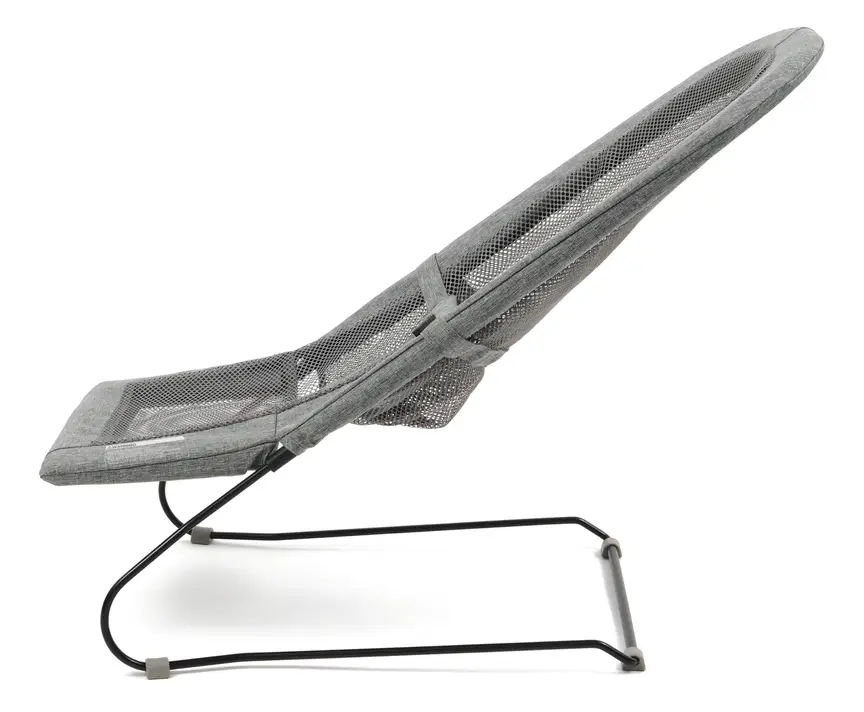


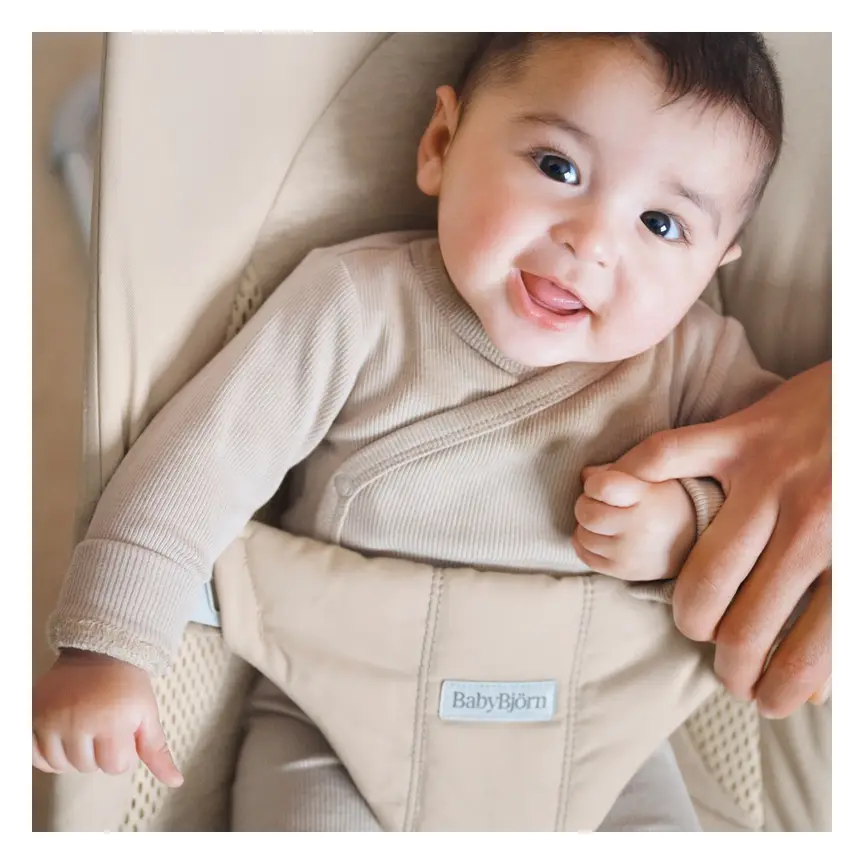
BabyBjörn Bouncer Balance Soft
A no-battery bouncer that moves with baby. It has 3 positions and folds flat.
Read our full review →
Bouncer, rocker, swing or inclined sleeper: what is the difference?
| Product | What it does | Safe use |
|---|---|---|
| Bouncer | A low, angled seat that bounces gently when the baby moves | Awake time, on the floor, harness on, adult watching |
| Rocker | A seat that rocks back and forth, by hand or motor | Awake time, on the floor, harness on, adult watching |
| Swing | A seat that swings or sways, usually with a motor | Awake time, harness on, adult watching. Move baby out if they fall asleep |
| Inclined sleeper | An angled bed sold for sleep or naps | Do not use for sleep. Banned from sale in the US. Must be flat in Australia from 2026 |
| Baby lounger or nest | A padded cushion or pod for a baby to lie in | Not for sleep. Many health groups warn these are a suffocation risk |
Using a bouncer, rocker or swing safely
- Awake time only. Use it while your baby is awake and you are in the room watching.
- If they doze off, move them. Lift your baby out and lay them on their back in their cot or bassinet. Do the same with a car seat or pram seat once you arrive home.
- Floor only. Never put a bouncer or rocker on a bench, table, bed or sofa. It can "walk" off the edge as your baby wiggles.
- Use the harness every time, and keep it snug. Bouncers and swings have harnesses for a reason.
- Watch the limits. Stop using it once your baby reaches the weight limit, or can sit up or roll by themselves, whichever the manual says comes first.
- No extras. Do not add pillows, rolled towels or positioners to prop your baby up.
- Keep it away from hazards. Not near stairs, heaters, cords, pets or other children who might push or climb on it.
- Keep sessions short. Babies need lots of time on the floor to move, stretch and play.
Why floor time matters more than seats
Bouncers and swings can give you a few hands-free minutes, which is helpful. But babies grow stronger by moving freely. Time on a play mat lets them kick, reach, roll and practise tummy time.
Some therapists use the phrase "container baby" for a baby who spends long periods strapped into seats, bouncers and carriers. Too much time in these can mean less time to build strength. It may also add to a flat spot on the back of the head.
- Mix short seat time with plenty of floor play.
- Do tummy time every day while your baby is awake and you are watching.
- Carry your baby, talk to them and let them watch you at eye level.
Choosing a bouncer, rocker or swing
If you decide to buy one for awake time, look for these things:
- A safety label and clear warnings that it is not for sleep.
- A good harness. A three-point or five-point harness that is easy to do up and adjust.
- A wide, stable base. It should not tip when your baby leans or kicks.
- Weight and age limits that suit your baby. Some seats are only for young babies.
- A washable cover. Spills and spit-up happen often.
- Simple design. Skip models sold with pillows, head wedges or "sleep" settings.
- Battery or cord safety. For motorised swings, keep cords out of reach and battery covers screwed shut.
You do not need one at all. Many families manage well with a play mat, a pram and a carrier.
Using seats by age
| Age (roughly) | What to know |
|---|---|
| Newborn | Short supervised sessions only. Newborns sleep a lot, so watch closely and move them to the cot when they doze. |
| 2 to 4 months | Babies become more alert. Bouncers can help them watch you while you cook or eat. Keep sessions short. |
| 4 to 6 months | Many babies start rolling and trying to sit. Check the manual limits. Stop when your baby can sit up or roll out. |
| 6 months and up | Most babies have outgrown bouncers. Floor play, a high chair for meals and a safe play area work better. |
Side by side: more bouncers, rockers & swings to compare
Real products from our catalogue. We don't show star ratings or review counts; check the current price, stock and reviews on Amazon before you buy.
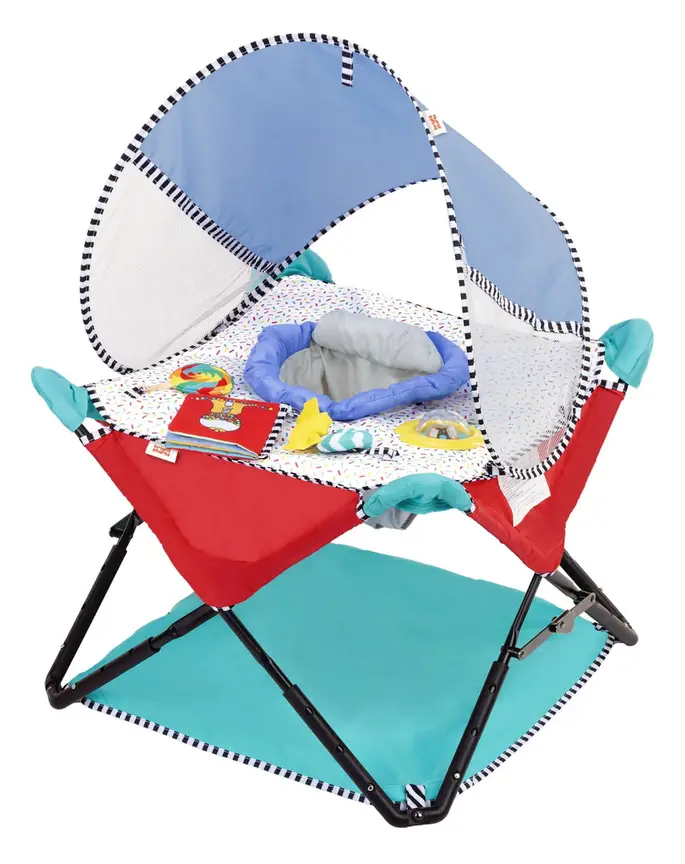
Bright Starts Pop 'N Jump Portable Activity Jumper
Activity jumper

Ingenuity Boutique Collection Swing 'n Go Portable Swing
Portable swing
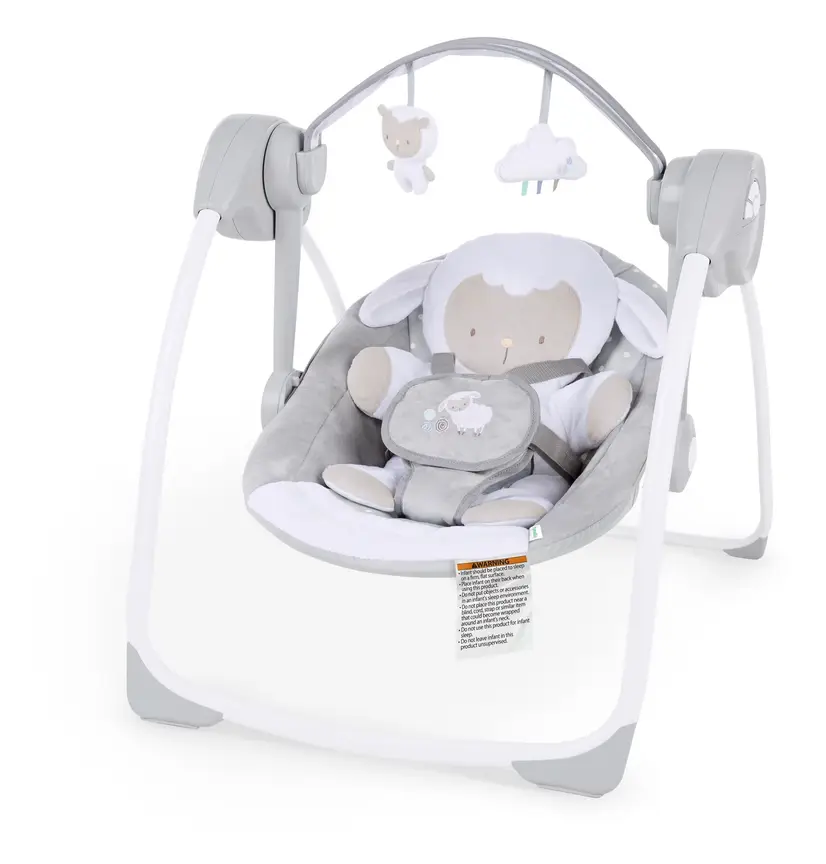


Ingenuity Comfort 2 Go Portable Swing
A folding swing with 6 speeds, a timer and 12 tunes.
Read our full review →
Settling a baby who loves motion
Some babies only seem to fall asleep when they are moving. That is normal. You can help them learn to settle in the cot over time:
- Use motion to calm, then stop. Rock or sway your baby in your arms until they are calm and drowsy, then lay them in the cot on their back.
- Pat and shush. Gentle, steady patting on the tummy or side while they lie in the cot can help.
- Try white noise. A steady, low sound from across the room can soothe some babies.
- Keep a routine. The same steps before each sleep tell your baby what is coming.
- Be patient. It can take a week or two to change a sleep habit.
If your baby cries a lot and is very hard to settle, talk to your doctor or child health nurse. There may be another reason, like reflux or an allergy.
Checking a product you already own
- Was it sold for sleep? If the box or manual calls it a sleeper, napper or overnight bed, and the surface is angled, stop using it for sleep.
- Check for recalls. Search the brand and model on productsafety.gov.au (Australia), cpsc.gov (US), gov.uk (UK) or Health Canada's recalls site. Several inclined sleep products have been recalled in different countries.
- Second-hand? Older stock may have been made before the new rules. Treat any angled sleep product as unsuitable for sleep, whatever the listing says.
- Bassinet attachments and pram bassinets must lie flat. Check the mattress is level and fits with no gaps.
A quick checklist before you buy
- For sleep: choose a cot, bassinet or portable cot that meets your country's rules. The mattress should lie flat and fit snugly, with no added padding.
- For awake time: a bouncer, rocker or swing is fine. Read the warnings, and note the weight and age limits before you open the box.
- Online listings: be wary of any seat, nest or lounger shown with a sleeping baby. That is a warning sign.
- Imported products: items from overseas sites may not meet your country's rules. If unsure, use them for supervised play only, never for sleep.
Common situations
My baby will only fall asleep in the swing
Many babies love motion. You can let them settle in the swing while you watch. Once they are asleep, move them onto their back in their cot. Over time, try settling them in the cot with patting, shushing or gentle white noise.
My baby has reflux and seems happier upright
Health groups say babies with reflux should still sleep flat on their back, unless a doctor gives you different advice for a medical reason. Hold your baby upright after feeds while awake. Talk to your doctor or child health nurse about reflux.
My baby fell asleep in the car seat
Car seats are made for travel, not sleep at home. When you arrive, lift your baby out and put them in their cot. On long trips, take regular breaks.
Grandparents, babysitters and childcare
Older advice sometimes said it was fine for babies to nap in rockers or swings. Explain the new rules to carers: seats are for awake time, and sleep happens flat in a cot. Show them how the harness works and where the cot is. Ask your childcare centre how they handle babies who fall asleep in seats.
On holiday or visiting friends
Take a portacot, or check that a safe cot is available. Do not let your baby sleep in a borrowed bouncer, a friend's baby nest or a padded lounger, even for a short nap.
What to do if your product is recalled
- Stop using it straight away, even for awake time if the recall says so.
- Read the recall notice. It will say what the problem is and what to do.
- Contact the seller or maker. Many recalls offer a refund, repair or replacement.
- Do not sell, donate or pass it on. The next baby would face the same risk.
- Register new products with the maker if you can, so they can tell you about future recalls.
More options, from budget to premium
Real products from our catalogue. We don't show star ratings or review counts; check the current price, stock and reviews on Amazon before you buy.
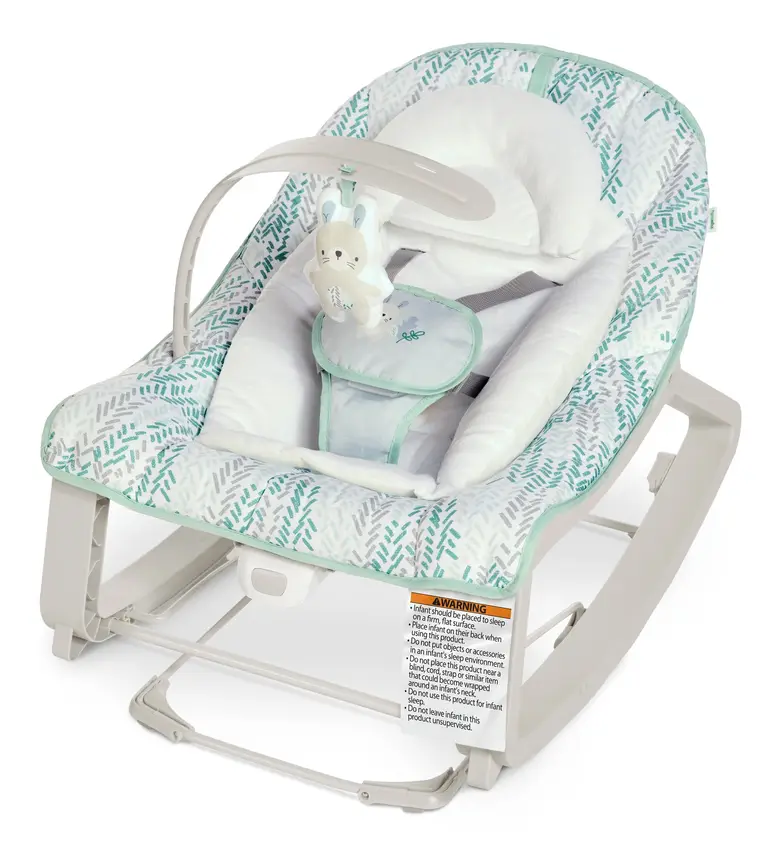
Ingenuity Keep Cozy 3-in-1 Bounce & Rock Seat
A bouncer, rocker and toddler seat in one, with vibration.


Ingenuity Nestle Vibrating Rocker
A light mesh rocker with vibration that folds flat. Stop using it at 9 kg or when baby tries to sit up.
Read our full review →
Ingenuity Stow & Go Compact Folding Baby Bouncer
Baby bouncer
Common mistakes to avoid
- Leaving a sleeping baby in a bouncer or swing "just for a bit". Move them to a flat cot.
- Putting a bouncer on a raised surface. Always use it on the floor.
- Skipping the harness. Babies can slide down or tip out.
- Using a baby nest or lounger for sleep. Padded sides are a suffocation risk.
- Raising the cot mattress for reflux without medical advice. Keep it flat.
- Buying an old inclined sleeper second-hand. It may be recalled or banned.
- Using the seat too much. Balance it with floor play and tummy time.
FAQ
Are baby bouncers banned?
No. Bouncers, rockers and swings can still be sold in all four countries. They are for supervised awake time, not sleep. In Australia, from 19 January 2026, they must carry warnings saying so.
What angle is allowed for a baby sleep product?
In Australia, no more than 7 degrees from 19 January 2026. In the US, infant sleep products must have a sleep surface of 10 degrees or less, and inclined sleepers over 10 degrees are banned.
My baby always falls asleep in the swing. Is that okay?
Let them settle if you like, but once they are asleep, move them onto their back in a cot or bassinet. Swings are not made or tested as sleep spaces.
Do the sleep rules cover car seats and prams?
Car seats and prams have their own standards. The safe sleep advice still applies: when you arrive, move a sleeping baby out of the car seat or pram seat onto a flat, firm surface.
When did the Australian rules start?
Both standards were made on 18 July 2024. Businesses had an 18-month change-over and must comply from 19 January 2026.
How long can my baby stay in a bouncer?
There is no single official time limit. Health groups advise short periods of supervised awake time, with plenty of floor play and tummy time in between. Always follow the maker's instructions.
Is a baby nest or lounger safe for naps?
No. These padded pods are not safe sleep spaces. Health groups in several countries warn that babies can turn their face into the soft sides and have trouble breathing.
Can my baby feed in a bouncer?
It is better to hold your baby for bottle feeds. Propping a bottle in a bouncer is a choking risk, and babies should never be left to feed alone. Older babies eating solids should sit upright in a high chair.
Is it okay for an older sibling to rock the bouncer?
Only with an adult right there watching. Young children can rock too hard or tip the seat. Never leave a baby alone in a bouncer with other children or pets.
What should I do with an inclined sleeper I already own?
Stop using it for sleep. Check your country's recall website. If it has been recalled, follow the recall instructions, which may include a refund. Do not sell or give it away.
Sources
- Product Safety Australia (ACCC) – Infant sleep products mandatory standards
- Federal Register of Legislation – Consumer Goods (Infant Sleep Products) Safety Standard 2024, explanatory statement
- CPSC (US) – Safe Sleep for Babies Act business guidance
- CPSC (US) – Infant sleep products business guidance
- CPSC (US) – Safe sleep: cribs and infant products
- Red Nose Australia – What is a safe sleeping environment
- Red Nose Australia – Product safety: how do I know what is safe
- Product Safety Australia – Recalls
- The Lullaby Trust (UK) – Sleeping products
- American Academy of Pediatrics (US) – A parent's guide to safe sleep
- Health Canada – Safe sleep tips
- Health Canada – Creating a safe sleep environment for your baby
Related guides
More Sleep & Nursery →
Bedside Co-Sleepers With Drop-Down Sides: Flat Surfaces, Safe Sleep Rules and Firm Mattresses
Mesh Bassinet Walls: How Airflow Works, What They Do, and Safe Sleep Rules

Bedside Sleepers and Co-Sleeper Bassinets: Safety Rules, Set-Up and What to Check