














Eco-Friendly Nappy Pails: How to Choose and Use One
Learn how to choose, use and clean a nappy pail. Compare reusable liners, bag-free bins and disposable bags, with simple advice for every home.

On this page
- What a nappy pail does
- Choose a system that fits your nappies
- Compare common nappy storage options
- What to look for before you buy
- Using a nappy pail day to day
- Cloth nappies, washing and waste
- Odour and cleaning
- Safety around babies and toddlers
- Eco claims: what they can and cannot tell you
- Choosing by your child’s age and your routine
- Common mistakes to avoid
- Advice in Australia, the UK, the US and Canada
- Frequently asked questions
- Sources and further guidance
- Sources
Short answer: An eco-friendly nappy pail can make used nappies easier to store before you wash or bin them. It does not make nappies compostable or remove waste. Choose a pail that is easy to clean, has a stable base, and suits your home. Decide whether you want to use cloth nappies, disposable nappies, or both. Follow the maker’s care instructions, empty the pail often, and keep it out of children’s reach.
There is no single official safety standard for ordinary nappy bins in the source guidance listed here. In Australia, check Product Safety Australia and your state health service for relevant advice. In the UK, check the Office for Product Safety and Standards and the NHS. In the US, check the Consumer Product Safety Commission and your local health service. In Canada, check Health Canada and the Canadian Paediatric Society. These bodies offer broad product and child safety advice. Do not treat a nappy pail as a safety product or a way to control germs.
What a nappy pail does
A nappy pail is a container for used nappies. Some have a lid. Some use a liner or a bag. Families often keep one near the change area. They empty it into the rubbish or laundry as part of their routine.
The word “eco-friendly” can mean different things. It may refer to a reusable liner, fewer single-use bags, recycled material, or a long-lasting design. It does not prove that a product is safer or better for the planet. Look for clear details about the material and care. Be wary of broad claims without evidence.
A nappy pail is not a nappy disposal service. It does not turn disposable nappies into compost. It does not make human waste safe to put in a garden bin. Follow local waste rules and the nappy maker’s instructions. If you use cloth nappies, follow the washing guidance for your nappies.
Some homes use a small lidded bin. Others use a washable wet bag or a pail with a washable liner. A family with disposable nappies may prefer to take each nappy straight to an outside bin. The best setup is the one that you can keep clean and use safely.
Choose a system that fits your nappies
First decide what you want the pail to hold. Cloth nappies and disposable nappies have different needs. A system made for one may not suit the other.
For cloth nappies
Many cloth nappy users store used nappies in a washable pail liner or wet bag. The liner can go into the wash with the nappies, if its maker says it can. Check the label before washing. A liner that is too small may be hard to empty. One that does not fit well may slip into the pail.
Some families rinse off solid waste before storage. Others follow the nappy maker’s instructions for their type of nappy. Do not assume that all cloth nappies can be stored or washed in the same way. Read the care guide for both the nappy and the liner.
For disposable nappies
A simple bin with a washable surface may be enough. Some pails need special bags. Others accept ordinary bags or no liner. Check what the maker requires before buying. A product that needs a particular refill may create more ongoing waste and cost.
Wrap or fold each used nappy as its maker advises. Keep it away from children and pets. Empty the pail regularly. Tie bags securely before putting them in the correct household waste collection.
For mixed use
Some households use cloth nappies at home and disposables while travelling. You may want two containers, or one system with separate washable liners. Keeping the two types apart can make washing and disposal easier.
Do not store wet cloth nappies in a sealed, airtight container for long periods. Follow the nappy maker’s advice. A closed container can hold moisture and smells. Empty it on a schedule that works for your household and wash items as directed.
Compare common nappy storage options
Each option has trade-offs. Think about your floor space, laundry routine, rubbish collection, and who can reach the container.
| Option | Often suits | What to check | Possible drawback |
|---|---|---|---|
| Basic lidded bin | Disposable nappies | Stable base, smooth surfaces, easy emptying | May hold odour if left full |
| Pail with reusable liner | Cloth nappies | Wash instructions, liner fit, ease of removal | Liner needs regular washing |
| Washable hanging wet bag | Small homes or travel | Secure hanging point, washable fabric, child access | Can be heavy when full |
| Pail using disposable bags | Homes wanting contained rubbish | Bag type, refill cost, safe lid and opening | Uses bags and creates ongoing waste |
| Separate small containers | Families using cloth and disposable nappies | Clear routine for each container | Takes more space |
| Direct transfer to outside bin or laundry | Homes with a nearby collection point | Safe route and practical handling | May mean more trips |
This is a practical comparison, not a test of named products. No product is best for every home. Choose by the features you need and the maker’s care advice.
What to look for before you buy
A stable shape
Place the empty pail on a flat floor. Check whether it rocks or tips easily. A wide, stable base is useful when you open the lid. Put the pail where a child cannot pull it over or climb on it.
Do not rely on a lid to stop a determined toddler. Store the pail behind a closed door or use a child-safe storage spot. Keep bags, liners, and nappy sacks out of reach. RoSPA warns that nappy sacks can be a choking and suffocation risk for young children.
A lid that works for your routine
A lid can help keep waste out of sight. It may also reduce access by a curious child. Check that it opens easily for an adult and closes fully. Avoid a lid that traps fingers or is hard to clean.
Some pails use a pedal. Others use a press, flip, or twist lid. A complex opening can slow down changes. Try the mechanism in a shop if you can. If you need one hand free while holding your baby, consider whether the pail can be used without strain.
Surfaces that are easy to clean
Look for a smooth inner surface with few hard-to-reach corners. Check how the lid, rim, and base can be cleaned. Removable parts can help, but only if they are easy to refit. Follow the maker’s cleaning instructions. Do not mix cleaning products.
“Antibacterial” or “odour-control” wording does not replace cleaning. Ask what the claim means. If the label gives no clear details, do not assume it prevents illness.
Materials and care details
Read the product label or maker’s website. Look for the material name and cleaning method. Avoid relying on words such as “natural” or “green” alone. Those words do not tell you how long a product lasts or how it should be cleaned.
If a liner touches used nappies, check its wash temperature and drying instructions. A liner that needs special care may not fit your normal laundry routine. For a pail, make sure the material can handle the cleaning method recommended by its maker.
Size and where it will sit
Measure the space before buying. Allow room to open the lid and remove the liner. A large pail may mean fewer trips, but it can take up more room and hold waste longer. A small pail may need frequent emptying.
Keep the container away from food preparation areas. Do not put it beside a cot or other sleep space if its smell or opening will disturb rest. Keep it away from heaters and direct sunlight.
Using a nappy pail day to day
A simple routine helps keep the change area tidy. Set up the pail before your baby arrives, then adjust it once you know what works.
- Choose a safe place. Put the pail on a stable floor, away from your child’s reach.
- Keep supplies separate. Store clean nappies and wipes away from the used-nappy container.
- Deal with each nappy promptly. Follow the nappy maker’s advice for folding, rinsing, or storage.
- Close the lid. Check it has shut after each use.
- Empty it often. Do not wait until the container is difficult to lift or close.
- Wash reusable parts. Follow the label for the liner and pail.
- Wash your hands. Use soap and water after handling used nappies or waste.
Keep a spare liner or bag nearby if that helps. Store spares where your child cannot reach them. If a liner leaks, clean the pail before using it again. Follow the product instructions for safe cleaning and drying.
Cloth nappies, washing and waste
Cloth nappies can be washed and reused. The full environmental effect depends on many choices, including washing, drying, how long the nappies are used, and how they are made. A pail alone cannot tell you whether a routine has a lower impact.
Follow the nappy maker’s washing instructions. Use the washing method and detergent they recommend. Do not leave wet nappies in a closed pail longer than advised. Air the storage area if it becomes damp or smells musty.
Disposable nappies are generally placed in household rubbish, subject to local rules. Do not flush nappies, wipes, liners, or nappy sacks down the toilet. They can block pipes. Do not put used nappies in a food or garden compost bin unless your local waste service clearly accepts them.
Some nappies are labelled biodegradable or compostable. Such claims depend on the product and the conditions needed to break it down. A home garden may not reach those conditions. Check with your local council or waste service before treating any nappy as compost.
Wipes can also create waste. If you use them, place them in the rubbish unless the label and local service say otherwise. Even wipes described as flushable can cause plumbing problems.
Odour and cleaning
Odour often means that the pail needs emptying or washing. It can also mean that a liner is damp or dirty. Start with the basic steps: empty the container, wash reusable parts as directed, and let them dry fully before putting them back.
Do not add loose powders, scented beads, or strong fragrances where a child can reach them. These can be swallowed or irritate skin and airways. Keep all cleaning products locked away. Follow the label and use a cleaning product only for its stated purpose.
Never mix bleach with ammonia, acids, or other cleaners. Mixing products can create dangerous fumes. Use ventilation while cleaning. Keep your baby away until the area is dry and the smell has cleared.
If a smell remains after cleaning, inspect the lid, liner, and seams. A damaged liner may need replacing. Check with the maker about replacement parts. Do not continue using a cracked or broken pail if it creates sharp edges or cannot be cleaned.
Safety around babies and toddlers
A nappy pail is an ordinary household container. It is not made for a child to play with, sit in, or climb on. Keep it out of the cot, play area, and walking path.
- Keep the pail on the floor, not on a change table or shelf.
- Keep bags and drawstring liners out of reach.
- Do not let a child put their head inside the pail.
- Close the lid after each use.
- Keep the container away from pets that may open it or spread waste.
- Clean spills promptly, then wash your hands.
Never leave a baby alone on a change surface while you dispose of a nappy. Take your baby with you or place them in a safe cot first. A pail should not distract you from supervising your child.
Check recall notices if your pail has a powered lid, sensor, or battery. Keep button batteries away from children. Product Safety Australia and Health Canada publish recall information. The US CPSC and UK product safety bodies also provide safety alerts.
Eco claims: what they can and cannot tell you
Product labels often use words such as “eco”, “green”, “natural”, and “sustainable”. These words can refer to different things. Look for a clear statement about the part of the product that has the claimed feature.
- Reusable liner: check how it is washed and how long the maker expects it to last.
- Recycled material: check which part contains recycled material.
- Refill bags: check whether the bags are required and how they are disposed of.
- Compostable: check which facility accepts the product and under what conditions.
- Odour control: check whether this means a lid, a filter, or a scented insert.
A durable, simple product may suit your family better than one with extra parts. Repair or replace only the part that fails, if the maker offers safe replacement parts. Reuse a container only if it is clean, stable, and safe for its new use.
Do not assume that a higher price proves a lower impact. Compare the materials, expected care, need for refills, and likely lifespan. Use claims that the maker explains clearly.
Choosing by your child’s age and your routine
The best setup can change as your family changes. A newborn may need frequent changes. An older baby may move more during changes. A toddler may be able to open a lid or reach a bag.
| Stage | What may change | Useful approach |
|---|---|---|
| Newborn months | Frequent changes and tired caregivers | Keep the pail close, stable, and simple to open |
| Baby starts moving | Rolling, reaching, and grabbing | Move bags and the pail out of reach; close the lid |
| Crawling stage | More access to low objects | Use a child-safe storage spot and check the lid each time |
| Toddler years | Curiosity and growing independence | Teach the child that the pail is for adults; keep sacks stored away |
| Toilet learning | Fewer nappies, changing routine | Choose a smaller bin or stop using the pail when it no longer helps |
These are broad stages, not rules. Children develop at different speeds. Change the setup when your child can reach or open something that was previously safe.
Common mistakes to avoid
- Buying by the word “eco”. Check the materials, care instructions, and need for refills.
- Assuming a pail makes nappies compostable. Follow local waste rules.
- Leaving a full pail for too long. Empty it before it becomes hard to close or carry.
- Using scented products to hide a smell. Clean the pail and keep fragrances away from children.
- Putting bags near the change area. Store them out of a child’s reach.
- Assuming all cloth nappies are stored the same way. Follow the maker’s instructions.
- Using a damaged container. Replace it if it has sharp edges, cracks, or a lid that fails.
- Leaving a baby unattended on a change table. Keep your attention on the baby during changes.
Advice in Australia, the UK, the US and Canada
Rules for waste collection differ by town and region. Check with your local council or waste service before disposing of nappies or liners. Product safety advice also differs by country. The bodies below can help you check recalls and broader household safety advice.
| Country | Relevant bodies | How they can help |
|---|---|---|
| Australia | Product Safety Australia (ACCC), state health services | Check product safety alerts, recalls, and local waste advice. |
| United Kingdom | Office for Product Safety and Standards, NHS, RoSPA | Check product safety information, health advice, and nappy sack safety. |
| United States | Consumer Product Safety Commission, local health departments | Check recalls and general household product safety advice. |
| Canada | Health Canada, Canadian Paediatric Society | Check recalls, consumer safety information, and child health guidance. |
These organisations do not endorse every nappy pail. Their general advice does not prove that a particular product is safe or eco-friendly. Follow the product instructions and your local waste rules.
Frequently asked questions
Do I need a special nappy pail?
No. A stable container that is easy to clean may be enough. Choose one that fits your nappies, space, and daily routine. Special bags or filters are optional unless the product requires them.
Can I put disposable nappies in a compost bin?
Do not assume they can go in a home compost bin. Check the nappy label and your local waste service. Most household collections have rules for nappies and sanitary waste.
Can I store cloth nappies in a sealed pail?
Follow the instructions from your nappy maker. Do not leave wet items sealed for longer than advised. Empty the container and wash the nappies on the schedule recommended for that product.
Do I need a liner?
No. A liner can make it easier to carry cloth nappies to the laundry. For disposable nappies, a washable or disposable liner is a personal choice. Check that the liner fits and can be cleaned safely.
How often should I empty a nappy pail?
There is no single schedule for every home. Empty it before it is full, difficult to close, or unpleasant to handle. For cloth nappies, follow the maker’s storage advice.
Are scented inserts a good way to control smells?
They are not a substitute for emptying and cleaning. Keep scented inserts away from children and follow their label. Avoid placing loose fragrance products where a baby can touch or swallow them.
Can a toddler open the pail?
Some lids are easy for children to open. Keep the pail and all bags out of reach. Do not depend on the lid alone to keep a child safe.
What should I do if the pail smells after washing?
Check the lid, liner, and seams for trapped waste or dampness. Clean and dry each part as the maker directs. Replace a damaged liner or container if it cannot be cleaned well.
Are biodegradable nappy bags better?
The name alone does not show how or where a bag breaks down. Read the maker’s disposal instructions and check local waste rules. Do not leave bags where children or pets can reach them.
When can I stop using a nappy pail?
Stop when it no longer helps your routine. During toilet learning, you may need it less often. Clean and store or recycle the pail according to its material and local rules.
Sources and further guidance
- Product Safety Australia – Recalls
- UK Office for Product Safety and Standards
- U.S. Consumer Product Safety Commission – Safe sleep and infant products
- Health Canada – Recalls and safety alerts
- RoSPA – Nappy sacks safety
- Pregnancy, Birth and Baby – Nappy rash
Disclaimer: This article gives general information, not medical advice. Ask a health professional about your child’s health or skin concerns. Check product instructions and local waste rules. This page may contain affiliate links. If you buy through them, BabyGearFinder may earn a commission at no extra cost to you.
Sources
Related guides
More Parental Tips →
Nappy and Diaper Bag Essentials: How to Choose a Bag and Pack Safely for Every Outing
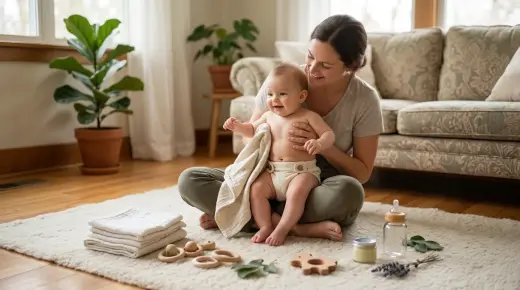
How to Choose Eco-Friendly Baby Products
Nappy and Diaper Rash Cream: How to Choose, Apply, and Prevent Sore Skin