













Smart Baby Thermometers: How They Work, How to Choose, and When to Call a Doctor
How smart baby thermometers work, how they compare with standard digital sticks, age tips, fever warning signs, and safety advice for AU, UK, US, and Canada.

On this page
- Key points
- What a smart thermometer is
- Why parents track baby and toddler temperatures
- Types of thermometers compared
- How to choose a thermometer by age
- How to take an accurate reading
- When a fever needs urgent medical care
- Safety, privacy, and battery rules for smart devices
- Official guidance in Australia, the UK, the US, and Canada
- Common mistakes parents make
- Frequently asked questions
- Sources
Short answer: A smart thermometer checks your child's temperature and sends the reading to an app on your phone. It helps you log fevers, track medicine times, and spot patterns over a few days. Still, a simple digital stick thermometer under the arm remains the most trusted choice for newborns and young babies.
Health bodies in Australia (Healthdirect and Pregnancy, Birth and Baby), the UK (NHS), the US (American Academy of Pediatrics), and Canada (Canadian Paediatric Society) all agree on one core rule. You should always watch how your child acts, not just the number on a screen. Any baby under 3 months with a temperature of 38°C or higher needs urgent medical care straight away.
Key points
- Best for newborns: A plain or smart digital stick thermometer used under the arm is best from birth to 3 months.
- App tracking: Smart models save readings with dates and times, which helps when you speak to a doctor.
- Confirm high readings: If a forehead or wearable sensor shows a fever, check again with an underarm digital stick.
- Button battery safety: Many ear and forehead models use coin batteries that can badly harm a child if swallowed.
- Privacy matters: Lock your thermometer app with a strong password and keep the app updated.
- Fever threshold: A temperature of 38°C or above is a fever. Seek urgent care if your baby is under 3 months old.
What a smart thermometer is
A smart thermometer is a digital thermometer that links to a phone or tablet app. Most connect using Bluetooth, which is a short-range wireless link. A few models connect over your home Wi-Fi network.
When you take a reading, the number shows up on the thermometer screen. It also saves inside the app with the exact date and time. Many apps let you add notes about symptoms, fluids, and pain relief doses.
Some smart thermometers look just like standard stick, ear, or forehead models. Others are small patches or soft bands that stay on your child's skin to track heat over hours. You do not need a smart model to care for a sick child, because a basic digital stick works well. Still, automatic logs can take some pressure off tired parents during a long night.
Common smart features explained
- Automatic fever log: The app draws a simple chart of your child's temperature over hours or days.
- Multi-child profiles: You can save readings under each child's name so records do not get mixed up.
- Medicine reminders: Some apps let you log when you gave paracetamol or ibuprofen and set a timer for the next check.
- Colour screens: Many devices glow green for normal heat, amber for mild heat, and red for high fever.
- Silent night mode: You can mute loud beeps so you do not wake a sleeping baby.
- High-heat alerts: Continuous wearable sensors can buzz your phone if your child's skin heat rises past a set point.
Health & Safety Gates worth a look
Real products from our catalogue. We don't show star ratings or review counts; check the current price, stock and reviews on Amazon before you buy.

Dreambaby Freedom Glide N Hide Retractable Gate
A roll-away mesh gate that fits gaps from 60 to 140 cm and hides away when open.
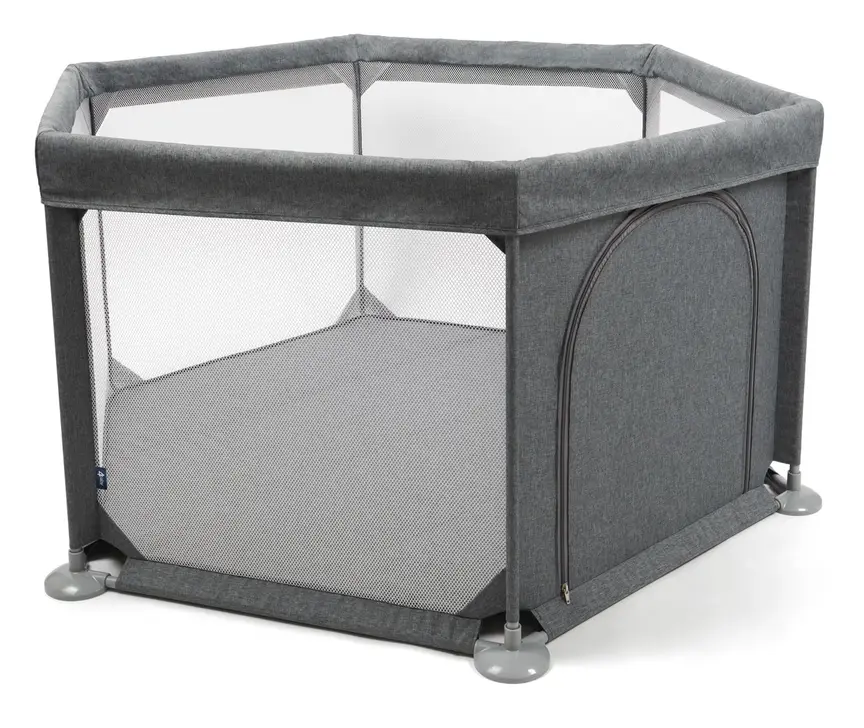
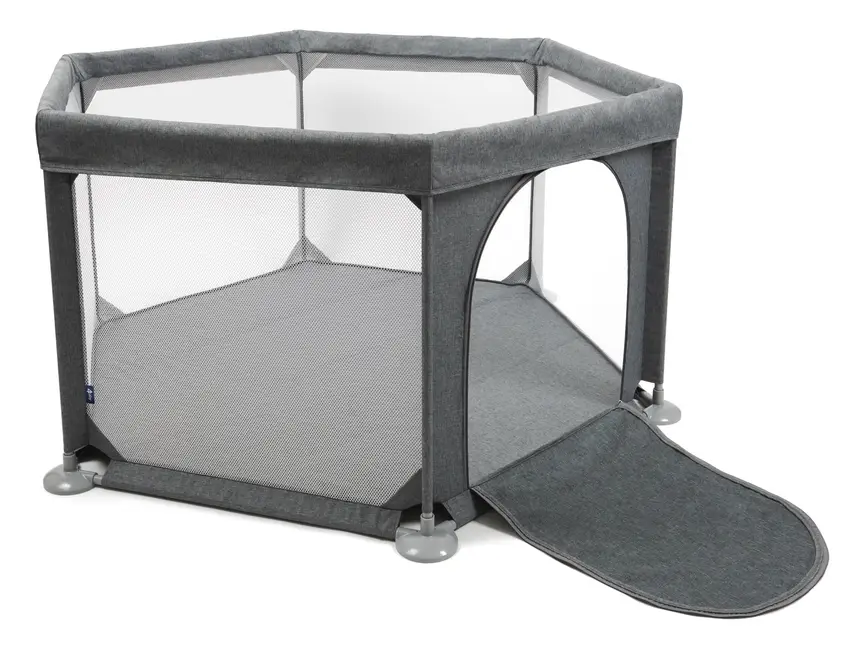
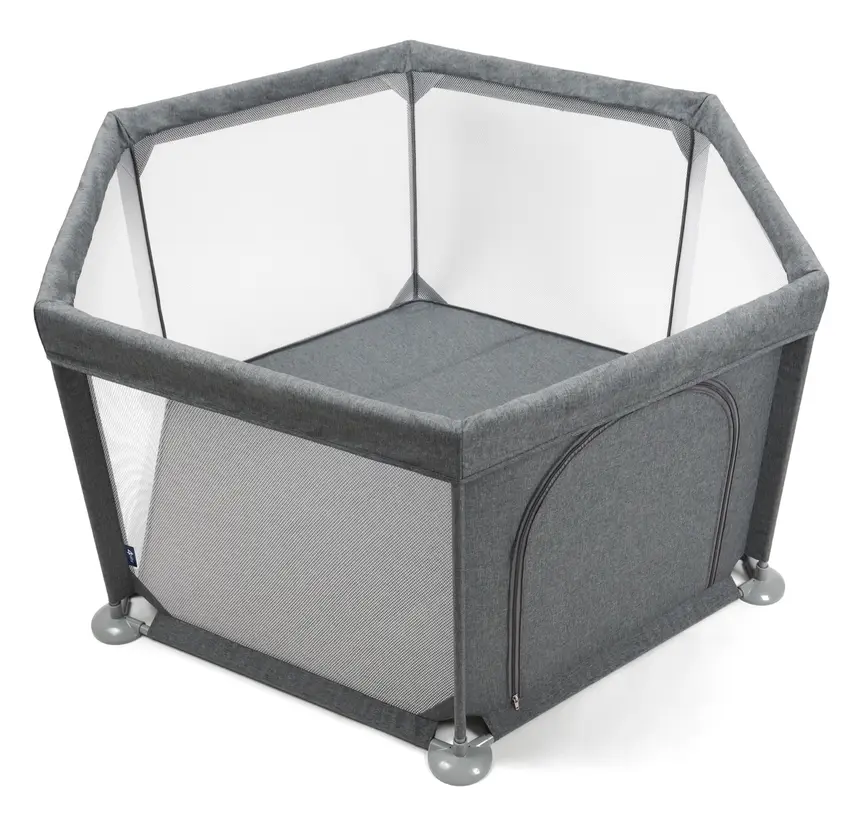
4baby Hex Playpen
A six-sided mesh playpen with a zip door. It packs into a carry bag.
Read our full review →
4baby Safety Gate
A low-cost pressure-mounted gate with a double lock. It opens both ways with one hand.

Cherub Baby 4-in-1 Ear and Forehead Thermometer
2-in-1 thermometer
Why parents track baby and toddler temperatures
A fever is not an illness on its own. It is a sign that your child's body is fighting off a bug, like a cold or ear infection. Checking temperature helps you see if a fever is starting, rising, or settling down.
When you call a nurse, GP, or hospital, they will often ask two things. They will ask what the highest reading was, and when it started. Writing numbers down at 2:00 AM is hard when you are exhausted. A smart app keeps those numbers in one place so you can read them out clearly.
Tracking also helps you avoid guessing. A child's forehead can feel hot after crying, running around, or sleeping under a warm blanket. A proper reading tells you if their core body heat is actually high.
Even with the best gadget, the number is only one clue. A toddler with a mild fever who plays and drinks well is often less worrying than a baby with a normal reading who is floppy and hard to wake. Always look at the whole child.
Types of thermometers compared
Thermometers work in different ways depending on where they measure heat. Here is how the main types compare for babies and toddlers.
| Thermometer type | Where it measures | Best age | Main upsides | Watch-outs |
|---|---|---|---|---|
| Smart digital stick | Under the arm (axillary) | Birth and up | Trusted for newborns; low cost; easy to pack; saves readings in app | Takes 30 to 60 seconds; squirming toddlers may pull away |
| Smart forehead (infrared) | Across the forehead | 3 months and up (as a quick check) | Fast; no-touch options do not wake a sleeping child | Sweat, hair, fans, and wrong distance can skew the number |
| Smart ear (tympanic) | Inside the ear canal | 6 months and up | Very fast; shows heat close to the core body temperature | Not reliable for tiny newborn ears; earwax can block the sensor |
| Wearable smart patch or band | Underarm or chest skin | Check the box (often babies and toddlers) | Tracks heat all night without waking your child | Skin sensors can slip or read low; sticky pads can irritate soft skin |
| Standard digital stick | Under the arm | Birth and up | No app needed; simple; cheap; no privacy worries | You must write down times and numbers yourself |
Mercury glass thermometers should never be used. If a glass tube breaks, mercury leaks out and is toxic. Digital models are safer and easier to read.
How to choose a thermometer by age
Your child's age changes which thermometer works best. A tiny newborn has very small ear canals and soft skin. A toddler moves fast and hates sitting still.
Birth to 3 months
Pick a digital stick thermometer and use it under the arm. Health bodies across Australia, the UK, the US, and Canada recommend underarm digital checks for young babies. Do not use an ear thermometer in this age group, because the probe will not fit well in a tiny ear canal.
You can use a smart stick or a basic stick. What matters most is a clear screen and a soft or flexible tip. Keep it clean and save it just for underarm checks.
3 to 6 months
An underarm digital stick is still the most reliable choice. A no-touch forehead thermometer can be handy for a quick check while your baby sleeps. If the forehead model shows a high number, double-check under the arm with a digital stick.
6 months to 2 years
By 6 months, your baby's ear canals are usually wide enough for an ear (tympanic) thermometer. Ear models give a fast reading in one or two seconds. That speed helps when your baby wriggles.
Smart forehead thermometers also work well at this stage for night checks. Still, keep a digital stick in your medicine cupboard as a backup. Babies often pull away from ear probes when they have an ear infection.
2 years and up
Toddlers often fight having their arm held down for a full minute. Fast ear or forehead models make life much easier here. Smart apps are also helpful when several children in the house catch the same bug at once.
Oral checks (under the tongue) are only for older children. Wait until your child is at least 4 or 5 years old and can hold the stick calmly without biting it.
How to take an accurate reading
Even a costly smart thermometer can give a wrong number if you use it the wrong way. Follow these simple steps to get a true reading.
Before you start
- Let the device adjust: If the thermometer sat in a cold bag or hot car, leave it in the bedroom for 15 minutes first.
- Wait after baths or active play: A warm bath, heavy blankets, or running around can raise skin heat for a short time. Wait 20 to 30 minutes before checking.
- Clean the tip or lens: Wipe the metal tip or optical lens with a damp alcohol wipe or warm soapy cloth. Dust or earwax blocks infrared sensors.
Underarm (axillary) steps
- Dry your baby's armpit gently with a soft towel.
- Place the metal tip right in the centre of the bare armpit, touching skin, not clothes.
- Fold your baby's arm down snugly against their side.
- Hold it steady until the thermometer beeps or your app shows the final number.
Forehead (infrared) steps
- Brush hair off the forehead and wipe away any sweat.
- Move away from fans, air conditioners, or open windows, because cool air lowers skin readings.
- Hold the sensor at the exact distance listed in your manual.
- Take two or three readings if the number looks odd, and use the highest clear result.
Ear (tympanic) steps
- Fit a fresh probe cover if your model uses disposable caps.
- Gently pull the outer ear back as shown in the instructions to straighten the ear canal.
- Point the tip softly into the ear opening without pushing hard.
- Press the button and wait for the beep.
Wearable patches and bands
Check the skin under a wearable sensor every few hours for redness or rash. Make sure the sensor sits flat and has not slipped onto clothing or bedding. If the app sends a fever alert, verify it with a standard underarm check before giving medicine.
Side by side: more health & safety gates to compare
Real products from our catalogue. We don't show star ratings or review counts; check the current price, stock and reviews on Amazon before you buy.

Cherub Baby Ear & Forehead Thermometer
Reads the ear or forehead in about 1 second, with a colour fever light and a fever alarm.


Dreambaby Cosmopolitan Security Gate
A metal-and-timber pressure-fit gate that opens both ways and can stay open.
 Reviewed
Dreambaby Freedom Security Gate
A low-cost metal gate that opens both ways. A stopper can make it open one way only, for stairs.
Read our full review →When a fever needs urgent medical care
A normal body temperature is usually around 36.5°C to 37.5°C. A reading of 38°C or higher is a fever. Knowing when to seek help is far more vital than owning a fancy gadget.
Get urgent medical help right away if:
- Your baby is under 3 months old and has a temperature of 38°C or higher, even if they look well.
- Your baby is 3 to 6 months old and has a temperature of 39°C or higher.
- Your child has trouble breathing, breathes very fast, or pulls in at the ribs.
- You spot a rash that does not fade when you press a clear drinking glass against it.
- Your child is very sleepy, floppy, confused, or hard to wake up.
- Your baby has far fewer wet nappies than usual, cries without tears, or has a dry mouth.
- Your child has a stiff neck, seems in severe pain, or has a fit (seizure).
- A fever lasts more than two or three days, or keeps climbing.
Do not wait for a phone app to tell you something is wrong. If your gut tells you your child is very unwell, call your local health helpline, GP, or emergency number straight away.
Safety, privacy, and battery rules for smart devices
Smart thermometers bring two extra safety jobs into your home. You need to think about physical hazards like batteries, and digital safety like passwords.
Button battery safety
Many small ear, forehead, and wearable thermometers run on flat, round button batteries. If a child swallows a button battery, it can burn through the throat or gut in as little as two hours. This can be deadly.
Check that the battery cover needs a screwdriver or two separate moves to open. Never leave a thermometer with a loose battery door near a child. Store spare batteries and used flat batteries locked up high, well out of reach.
Safe sleep around smart sensors
Keep your baby's cot completely clear. Never place charging cables, power cords, or loose straps inside a cot or bassinet. If you use a wearable band, make sure it fits snugly as instructed and has no loose parts that could slip over your baby's face or go into their mouth.
App privacy and smart device security
Smart thermometer apps store health notes, names, and birth dates. Treat that data with care:
- Use a strong, unique password for the thermometer account.
- Keep your phone system and the thermometer app updated so security fixes stay current.
- Turn off location access or cloud sharing if you do not need them.
- Buy from trusted chemists or well-known shops, not unknown online sellers.
- Check recall sites in your country before buying second-hand gear.
Official guidance in Australia, the UK, the US, and Canada
Fever rules, medical device rules, and smart gadget safety rules are run by national bodies in each country. The table below shows who sets the guidance where you live.
| Topic | Australia | UK | US | Canada |
|---|---|---|---|---|
| Child fever advice | Healthdirect; Pregnancy, Birth and Baby | NHS | American Academy of Pediatrics (HealthyChildren.org) | Canadian Paediatric Society (Caring for Kids) |
| Urgent fever age rule | Under 3 months with 38°C+ needs urgent care | Under 3 months with 38°C+ needs urgent care | Under 3 months with 38°C+ needs urgent care | Under 3 months with 38°C+ needs urgent care |
| Product and battery safety | ACCC / Product Safety Australia | Office for Product Safety and Standards | Consumer Product Safety Commission | Health Canada |
| Smart device security | Australian Department of Home Affairs | UK Government smart device security rules | Federal Communications Commission (Cyber Trust Mark) | Get Cyber Safe (Government of Canada) |
All four countries also follow strict rules for medical devices sold in shops. Look for clear brand details, a full instruction booklet in plain English, and local customer support. If a cheap online listing has no real brand name or missing safety notes, skip it.
Common mistakes parents make
Most thermometer errors happen when parents are tired or in a hurry. Watch out for these common traps:
- Using an ear thermometer on a newborn: Tiny ear canals give false low readings. Stick to an underarm digital stick until at least 6 months.
- Scanning a sweaty or wet forehead: Sweat cools the skin and makes a fever look lower than it is. Pat the forehead dry first.
- Checking right after a bath or nap under heavy layers: Trapped warmth can cause a false high reading. Wait 20 minutes in normal room clothes.
- Chasing every tiny change: Checking every ten minutes stresses both you and your child. Check when medicine is due, or when your child looks worse.
- Forgetting to clean the tip or lens: Earwax, cream, or dust makes infrared sensors read wrong. Clean gently after each use.
- Leaving spare button batteries in a drawer: Toddlers open drawers fast. Keep every coin battery locked away.
- Using an unverified smart patch alone: Always back up an unexpected wearable alert with a trusted underarm stick.
More options, from budget to premium
Real products from our catalogue. We don't show star ratings or review counts; check the current price, stock and reviews on Amazon before you buy.

Dreambaby Freedom Xtra-Wide Hallway Gate
A wide metal gate for hallways. It opens both ways and can stay open.

Dreambaby Home Safety Essentials Kit (46 pieces)
A 46-piece starter kit of latches, socket covers and corner guards for baby-proofing a home.

Dreambaby Rapid Response Digital Baby Thermometer
Digital thermometer
Frequently asked questions
Do I really need a smart thermometer, or is a basic digital one enough?
A basic digital stick thermometer is enough for most families. It is cheap, accurate, and easy to use under the arm. A smart thermometer is simply a helper that saves readings on your phone so you do not have to write them down.
What temperature counts as a fever in a baby?
A temperature of 38°C or higher counts as a fever. Normal baby temperatures usually sit between 36.5°C and 37.5°C. If your baby is under 3 months old and reaches 38°C, seek urgent medical care straight away.
Are forehead and ear thermometers as accurate as underarm thermometers?
Underarm digital stick thermometers are the most reliable choice for newborns and young babies. Ear thermometers work well from about 6 months old when placed properly. Forehead scanners are fast for sleeping toddlers, but sweat, drafts, or holding them too far away can throw off the number.
Are smart wearable thermometer patches safe for newborns?
Check the age label on the box before using any wearable sensor. Some patches use strong sticky pads that can irritate newborn skin, and loose bands do not belong in a cot. Health bodies also warn against relying on home wearable monitors to keep a baby safe during sleep. Always follow safe sleep rules and confirm high readings with a stick thermometer.
How do I keep a smart thermometer secure and private?
Use a strong password for the app, install updates when asked, and turn off cloud sharing you do not need. Smart device rules in Australia, the UK, the US, and Canada are pushing makers to drop weak default passwords. You can also choose a Bluetooth model that stores data only on your phone rather than online.
Can I use an old mercury glass thermometer?
No. Do not use mercury thermometers for babies or children. If the glass breaks, toxic mercury spills out and is dangerous to breathe or touch. Always use a digital thermometer instead.
Sources
- Healthdirect Australia
- Pregnancy, Birth and Baby (Australia)
- Product Safety Australia – Button batteries guide
- NHS – Fever in children
- UK Government – Security rules for smart devices (PSTI)
- Federal Communications Commission (US) – U.S. Cyber Trust Mark
- Get Cyber Safe (Government of Canada) – Cyber security tips for your baby gear
- Health Canada – Recalls and safety alerts
Related guides
More Health & Safety Gear →
Baby Sleep Trackers: Do They Help, Are They Safe, and How to Choose One

Baby Nasal Aspirators: When They Help and How to Use Them Safely

Smart Baby Socks: Do They Help, or Just Cause False Alarm Stress?