














Burp Cloths and Dribble Bibs: How to Choose, Use and Wash Them
Choose burp cloths and dribble bibs for feeds and drool. Compare fabrics, fit and washing, and learn how to keep your baby’s skin clean and dry.

On this page
- What burp cloths and dribble bibs do
- Choosing fabric without relying on claims
- How to compare common options
- Fit and awake-time use
- Protecting skin from dampness and rubbing
- Washing and care
- Age stages and changing needs
- Safety and guidance across four countries
- Common mistakes to avoid
- Frequently asked questions
- Sources and further guidance
- Sources
Short answer: Burp cloths and dribble bibs catch milk, spit-up and saliva. Choose soft cloths that wash well and bibs that fit without touching your baby’s face. Change wet items promptly, wash them as the care label says, and check your baby’s skin. No fabric can promise to stop a rash. Never leave a bib on your baby during sleep.
Labels may say bamboo, organic or extra absorbent. Those words alone do not show how an item will work for you. Check the fabric, seams, shape, washing instructions and fit. You may need only a few items to start. Add more if frequent washing leaves you short.
What burp cloths and dribble bibs do
A burp cloth is a small cloth used during or after a feed. You can place it over your shoulder while holding your baby upright. It can catch small amounts of milk or spit-up. It is not a feeding aid, medical product or way to stop reflux.
A dribble bib sits around a baby’s neck. It catches saliva or small milk drips. Some bibs have a bandana shape. That shape is a style choice. It does not make a bib safer or more absorbent by itself.
These items can keep clothes drier and reduce laundry. They do not replace a clean, dry change of clothing when clothes become wet. They also do not treat skin irritation. If a rash worries you, ask a health professional for advice.
Different jobs need different shapes
A shoulder cloth should cover the area where milk lands. A flat square or shaped cloth can work. A bib is useful for dribble during awake time. Its neck opening should sit comfortably without pressing the throat.
Some families use clean muslin cloths for both jobs. Others prefer a shaped burp cloth and a bib with a water-resistant layer. Think about what you wash most often. Choose items that suit that routine.
Choosing fabric without relying on claims
Fabric names do not guarantee comfort, absorbency or quality. Bamboo fabric may feel soft to one person and different after washing. Cotton, muslin and other fabrics also vary. Touch a sample if you can, and read the full care label.
The word “organic” usually describes how a fibre was grown or processed under a particular scheme. It does not prove the finished item is free from every chemical. It also does not prove that it absorbs more, lasts longer or prevents a rash. If certification matters to you, check who issued it and what it covers.
Look at the whole cloth. A soft surface can feel pleasant against skin. A second absorbent layer may catch more liquid. A water-resistant backing may help protect clothes, but can feel warmer. There is no single best fabric for every baby.
- Softness: check for a smooth feel and rough seams.
- Layers: see if the cloth has one layer or several.
- Backing: consider whether a barrier suits your routine.
- Care: check washing and drying instructions before buying.
- Shape: make sure the item covers the area you want protected.
Do not assume a cloth is safer because it is natural or more expensive. Do not assume a synthetic backing is harmful just from its name. Follow the maker’s care information. Check for damage. Stop using an item that irritates your baby’s skin.
What absorbency means in daily use
Absorbency means how much liquid a cloth holds before it feels wet through. Families may mean different things by “absorbent”. One family wants a cloth that catches a small dribble. Another needs a larger area during feeds.
Thickness is only one part of the picture. A thick cloth may hold more liquid, but it can take longer to dry. A thin cloth may dry sooner, but need changing more often. Stitching and the way layers are joined can also affect how the item feels after washing.
There is no need to predict the perfect choice from a product photo. Try one or two items first. Use them through a normal wash. Then decide whether the feel, coverage and drying time suit your home.
How to compare common options
Compare items by the job they need to do. A burp cloth and a bib are not always interchangeable. A thick cloth may catch more liquid but take longer to dry. A light cloth can dry quickly but may need changing sooner.
| Option | Useful for | Things to check | Possible drawback |
|---|---|---|---|
| Flat cotton or muslin cloth | Shoulder cover, quick wipe or spare cloth | Size, softness, edges and wash label | May need folding or more frequent changes |
| Layered burp cloth | Catching milk over a shoulder or lap | Absorbent area, stitching and drying time | Thicker layers can take longer to dry |
| Dribble bib | Catching saliva while baby is awake | Neck fit, closure and backing | Must be removed for sleep |
| Bandana-shaped bib | Awake-time dribble and outfit coverage | Neck opening and fabric under the chin | Shape may not cover the chest as well |
| Bib with a water-resistant layer | Keeping clothing drier during feeds or dribble | Comfort, washing instructions and signs of wear | May feel warmer or less soft against skin |
The sources listed below do not rank these fabric types for absorbency or rash prevention. Treat product claims as claims, not proof. If you can, buy one or two first. See how they feel and wash before buying a larger set.
Match the item to the task
For a shoulder during a feed, a wide cloth may cover more clothing. For dribble, a bib may stay in place better while your baby is awake. For a quick clean-up, a small washable cloth can be handy. Keep a clean spare nearby if mess is common.
A waterproof layer can help keep clothing dry. It can also make a bib feel less airy. Check the fabric against your baby’s neck. If the skin becomes sweaty or red under the bib, remove it and let the area dry.
Some bibs have pockets for food. Those are made for feeding mess, not sleep. Use a bib only while your baby is awake and watched. Remove it when the meal or activity ends.
Fit and awake-time use
Before putting on a bib, check the neck opening and closure. It should sit comfortably. It should not press into the throat or leave a mark. Avoid bibs with loose ties, damaged fasteners or parts that could detach.
Keep your baby in sight while wearing a bib. Check that the cloth stays below the chin and away from the nose and mouth. If it becomes soaked, remove it and put on a dry one. A wet cloth can rub the skin and leave clothing damp.
Use a burp cloth over your shoulder or lap while you hold your baby. Keep the cloth away from the baby’s face. If you lay your baby down, move the cloth away first. Do not leave loose cloths around a sleeping baby.
Feeding and spit-up
Burp cloths catch mess. They do not tell you how much milk your baby has taken. They cannot diagnose feeding problems or prevent choking. If feeding is painful, your baby seems unwell, or you have concerns about weight gain, contact a health professional.
For bottle preparation and feeding advice, use guidance from a trusted health service. The Australian Breastfeeding Association has information about preparing expressed breastmilk. The NHS and Canadian Paediatric Society also provide infant feeding guidance. A cloth does not change safe milk handling.
Some spit-up is common in babies, but a cloth cannot tell you whether it is within a usual range. Speak with a clinician if your baby seems unwell or you are worried. Seek urgent help for breathing trouble, choking or another emergency.
Using bibs at mealtimes
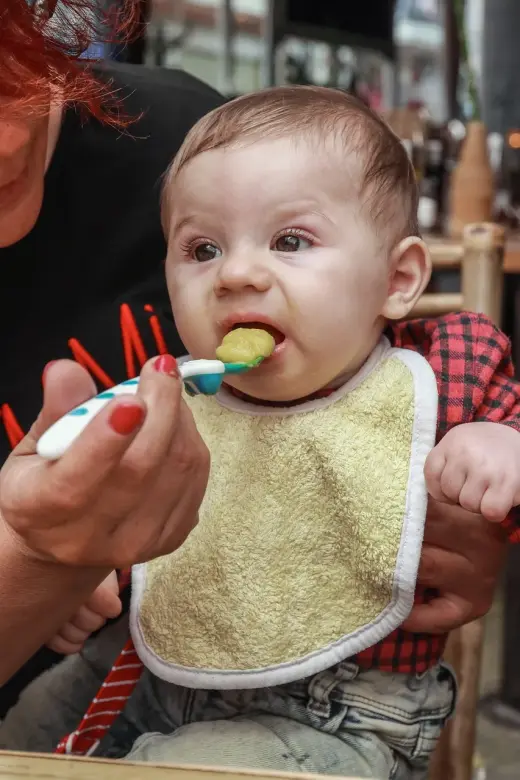
When your baby starts eating solid food, a bib can protect clothing. It does not make a meal safe by itself. Seat your baby in a suitable place, stay close and watch them eat. Follow age-appropriate feeding advice from your health service.
Choose a bib that does not interfere with sitting or movement. Check that it cannot cover the face when your baby bends forward. Remove the bib when the meal is over. Wipe the skin and change wet clothing as needed.
Protecting skin from dampness and rubbing
Saliva and milk can leave skin damp. Rubbing from a wet or tight bib can add discomfort. Check beneath your baby’s chin and around the neck during changes. Gently clean visible milk or saliva, then pat the skin dry. Do not scrub delicate skin.
Change a wet bib or cloth. Use clean, dry clothing when needed. Make sure the neck area is dry before putting on another bib. In warm weather, check that layers are not making your baby too hot.
A bib cannot guarantee rash prevention. Skin irritation can have many causes. If redness persists, worsens, breaks the skin or seems painful, seek advice from a health professional. Healthdirect Australia and the Canadian Paediatric Society offer general information about nappy rash. That guidance concerns the nappy area, so it does not diagnose a rash on the neck.
Simple care for the neck area
Look at the skin during feeds, clothing changes and bath time. Babies have folds where moisture can sit. Gently separate folds only as far as is comfortable. Pat them dry with a clean, soft cloth.
Avoid strong rubbing. Do not put creams, powders or medicine on irritated skin unless a health professional advises you. Some products can irritate skin or hide a problem. Ask a clinician if you are unsure what to use.
Keep the bib loose enough for comfort, but secure enough that it does not slip over the face. Check the fit again as your baby grows. A bib that fitted last month may now feel tight.
When to seek help
Ask a health professional if a rash does not improve, spreads, looks infected or keeps returning. Seek prompt care if your baby seems very unwell. Do not rely on a fabric label or online product claim to treat a skin problem.
Washing and care
Follow the item’s care label. Wash new cloths before first use if the maker says to, or as part of your normal preparation. Keep dirty items in a laundry bag or hamper. Wash them with suitable detergent and dry them fully before reuse.
Do not use more detergent than the label directs. If residue or fragrance seems to bother your baby’s skin, consider an unscented product and rinse well. Ask a clinician if skin irritation continues.
Check the stitching, fabric and closures after washing. Stop using items with torn seams, loose threads, sharp edges or damaged fasteners. Do not cut loose threads while the item is on your baby.
- Keep clean cloths separate from used ones.
- Let items dry fully before storing them.
- Follow the label for heat, washing and drying.
- Do not use a damaged bib or cloth.
- Replace items that stay rough or unpleasant after washing.
Keeping a simple supply ready
Put clean items in a dry, easy-to-reach place. Keep used ones in a separate hamper or washable bag. If a cloth is heavily soiled, handle it as you would other dirty laundry. Wash your hands after handling soiled items.
When travelling, pack clean cloths in a separate bag from used ones. A small washable wet bag can help keep other items dry. Empty and wash it after use. Do not leave damp cloths packed for a long time.
Care labels matter because fabrics and layers differ. Some items may shrink or lose shape with high heat. Others may need a particular wash cycle. Follow the maker’s instructions and check the item before each use.
Age stages and changing needs
Babies differ in how often they feed, spit up or drool. There is no fixed number of cloths that every family needs. Start with a small supply. Add more if you run out before laundry is clean and dry.
| Stage | What may be useful | What to remember |
|---|---|---|
| Newborn | Soft shoulder cloths and a few well-fitting bibs for awake time | Keep cloths clear of the face. Remove bibs for sleep. |
| Early feeding months | Cloths that cover your shoulder or lap during feeds | Change wet items and check the neck folds. |
| More drooling | Awake-time bibs that fit comfortably | Check often for dampness and rubbing. |
| Starting solids | A bib that covers clothing and washes easily | Use a safe feeding seat and supervise meals. |
| Older baby | Fewer bibs may be needed as routines change | Keep checking fit and wear. |
Age is only a rough guide. Your baby’s comfort and the item’s fit matter more. Follow feeding guidance for your baby’s stage. A bib is not a substitute for close supervision while eating.
Newborn days
In the early weeks, a cloth near your feeding place may be useful. Keep it in your hand or on your shoulder while holding your baby. Move it away before laying your baby down.
Newborn necks are small. Check that any bib closes gently and sits well below the chin. If the opening is too large or too tight, choose another option. Do not use pins to make a bib fit.
When drooling changes
Some babies drool more at certain stages. The amount varies. A bib can keep clothes from becoming wet, but it should not stay damp against the skin. Check often and change it when needed.
Drooling alone does not show that a baby is ready for solid food. Follow health guidance about when and how to start. Use a bib only as clothing protection during awake, supervised meals.
Safety and guidance across four countries
Burp cloths and ordinary bibs are simple fabric items. The sources listed here do not identify a special safety standard for bamboo burp cloths or dribble bibs. Do not look for unrelated cot, car seat or pram standards on these items.
For product safety in Australia, check Product Safety Australia and the Australian Competition and Consumer Commission (ACCC). For the UK, check the Office for Product Safety and Standards (OPSS). In the US, the Consumer Product Safety Commission (CPSC) oversees consumer product safety. In Canada, Health Canada publishes recalls and safety alerts. Check these bodies if an item is recalled or you have a safety concern.
| Country | Official body to check | Useful action |
|---|---|---|
| Australia | Product Safety Australia and the ACCC | Search product safety advice and recalls. |
| United Kingdom | Office for Product Safety and Standards (OPSS) | Check product safety information and alerts. |
| United States | Consumer Product Safety Commission (CPSC) | Search recalls and consumer safety guidance. |
| Canada | Health Canada | Check recalls and safety alerts. |
For feeding advice, Australia’s National Health and Medical Research Council (NHMRC), the UK’s NHS, the US American Academy of Pediatrics (AAP), and the Canadian Paediatric Society provide health guidance. Ask your local health professional about your baby’s needs.
Country rules and product alerts can change. Check the official body in your country if you need current information about a product. A safety mark for another kind of baby item does not prove that a bib is safe or suitable.
Common mistakes to avoid
- Leaving a bib on for sleep: remove bibs and loose cloths before every sleep.
- Choosing by fibre name alone: check feel, fit, care and stitching.
- Believing rash claims: no bib can promise to prevent a rash.
- Keeping a soaked bib on: change it when wet to reduce rubbing and dampness.
- Using a cloth as a face wipe without checking: avoid rubbing milk or saliva into skin.
- Buying a large set before trying it: test a small number first.
- Ignoring damaged fasteners: stop using bibs with loose or broken parts.
- Using a bib during meals without watching: stay with your baby while they eat.
- Using a burp cloth as a neck tie: do not tie, pin or knot a loose cloth around your baby.
- Assuming a dry top means dry skin: check beneath the chin and in neck folds.
- Putting a damp bib back on: use a clean, fully dry item.
Frequently asked questions
Are bamboo burp cloths more absorbent?
Not always. Absorbency depends on the fabric, layers and construction. Labels alone do not prove performance. Try a small number and see how they work after washing.
Does organic bamboo prevent neck rash?
No cloth can guarantee that. Keeping skin clean and dry may help reduce dampness and rubbing. Seek health advice for a rash that persists or worsens.
Can my baby sleep in a dribble bib?
No. Remove bibs and loose cloths before sleep. Follow safe sleep advice from your local health service.
How many burp cloths do I need?
There is no single number for every family. Start with a few. Add more if you run out before washing and drying them.
Can I use a burp cloth as a bib?
You can use a clean cloth to catch drips while your baby is awake and supervised. Do not tie or pin it around the neck. Use a bib made to fit if you need one.
How often should I change a bib?
Change it when it is wet or dirty. Check beneath the chin and around the neck often, especially during long feeds or heavy drooling.
Should I buy a waterproof-backed bib?
That depends on your routine. A backing may help keep clothes drier. Check that the bib feels comfortable and follow its care label.
Do I need a burp cloth if my baby rarely spits up?
No. You can keep one nearby if useful. Families need different amounts of feeding gear.
Can I use a bib to keep my baby warm?
A bib is for catching drips, not keeping a baby warm. Dress your baby for the room and weather. Remove a wet bib promptly.
Can I use fabric softener?
Check the care label. If a product seems to irritate your baby’s skin, stop using it and ask a health professional if the irritation continues.
What should I do if the bib leaves a red mark?
Remove it and check the fit. Do not use it again if it feels tight or causes irritation. Ask a health professional if the mark does not settle or you are worried.
Does a bandana shape work better than a square bib?
Not for every baby. Shape affects coverage and fit, but does not prove better absorbency. Choose one that stays below the face and feels comfortable.
Sources and further guidance
- Australian Breastfeeding Association – Preparing expressed breastmilk
- Product Safety Australia – Recalls
- UK Office for Product Safety and Standards
- U.S. Consumer Product Safety Commission – Safe sleep: cribs and infant products
- Health Canada – Recalls and safety alerts
- Canadian Paediatric Society – Feeding your baby in the first year
- healthdirect Australia – Nappy rash
This article is general information, not medical advice. Ask a qualified health professional about your baby’s health. Some links may be affiliate links. If you buy through them, BabyGearFinder may earn a commission at no extra cost to you.
Sources
- Australian Breastfeeding Association – Preparing expressed breastmilk
- Product Safety Australia – Recalls
- UK Office for Product Safety and Standards
- CPSC (US) – Safe sleep: cribs and infant products
- Health Canada – Recalls and safety alerts
- Caring for Kids (Canadian Paediatric Society) – Feeding your baby in the first year
- healthdirect – Nappy rash
Related guides
More Feeding & Baby Food →
Food-Grade Silicone Bibs with Crumb Catchers: How to Choose, Use, and Clean Them

Baby Carrier Drool Pads and Suck Pads: How to Choose, Fit, and Wash Them Safely
Short-Sleeved Bibs for Babies and Toddlers: How to Choose, Use and Clean Them
