Budget Convertible Car Seats: How to Choose a Safe Seat for Less
How to choose a safe, budget convertible car seat. Learn what safety standards matter, what extra features cost more, and how to fit it right.
On this page
- Key points
- What a convertible car seat is
- Do budget car seats pass the same safety tests?
- What you pay extra for in dearer seats
- Safety standards in Australia, the UK, the US and Canada
- How to choose a budget convertible seat
- Age and size stages: rear-facing to forward-facing
- How to fit and use your seat safely
- Second-hand seats and expiry dates
- Common mistakes to avoid
- Frequently asked questions
- Sources
Short answer: A budget convertible car seat can be just as safe as a dearer one. Every new car seat sold legally in your country must pass the same mandatory crash and safety tests. Lower-cost seats skip extras like plush fabrics, one-hand spin bases, or slim frames. They still protect your child in a crash when fitted and used the right way.
This guide covers what matters most when shopping on a budget. It also compares rules and safety bodies in Australia, the UK, the US and Canada.
Key points
- Same safety floor: A low-cost seat must meet the same legal standard as an expensive seat.
- What you skip: Cheaper seats often have firmer padding, basic fabrics, and fewer recline positions.
- Fit matters most: A budget seat fitted tightly beats a dearer seat fitted loosely.
- Rear-facing first: Keep your baby rear-facing as long as the seat and your local rules allow.
- Check your car: Measure your back seat before you buy. Some budget seats are wide or deep.
- Avoid unknown imports: Only buy a seat certified for use in your own country.
What a convertible car seat is
A convertible car seat is a child restraint that changes as your child grows. It starts in a rear-facing position for a newborn or young baby. Later, you turn it around to face forward for a toddler or young child.
Many parents like convertible seats because one seat lasts for years. You do not have to buy a baby capsule first and then a bigger seat a year later. That alone saves money.
Some convertible seats also turn into a booster seat later on. These are often called all-in-one or three-in-one seats. Others stay harnessed from birth to around four years old.
Convertible seat vs baby capsule
A baby capsule is a rear-facing-only seat with a carry handle. You can lift it out of the car and click it onto a pram. Babies outgrow capsules quickly, often between six and twelve months.
A convertible seat stays in the car. You lift your baby in and out of it. Because it stays in place, it is often cheaper over time than buying a capsule plus a toddler seat.
Car Seats & Capsules worth a look
Real products from our catalogue. We don't show star ratings or review counts; check the current price, stock and reviews on Amazon before you buy.
 Reviewed
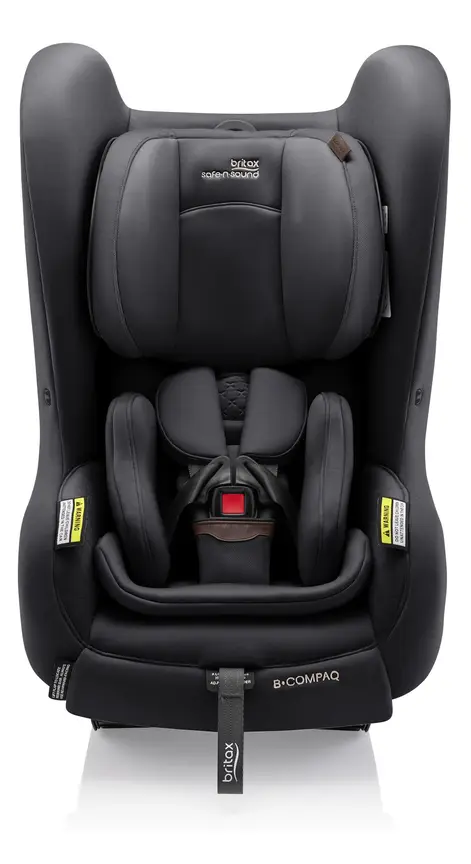
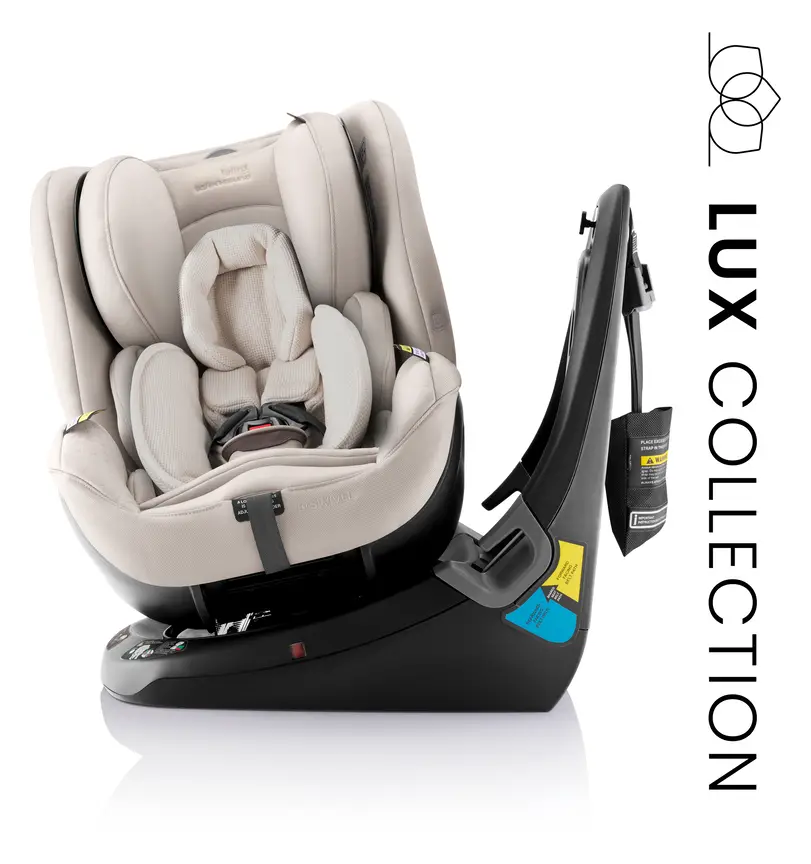
Britax Safe-n-Sound B-Compaq Lux
A convertible seat made for small cars with little room in the back.
Read our full review →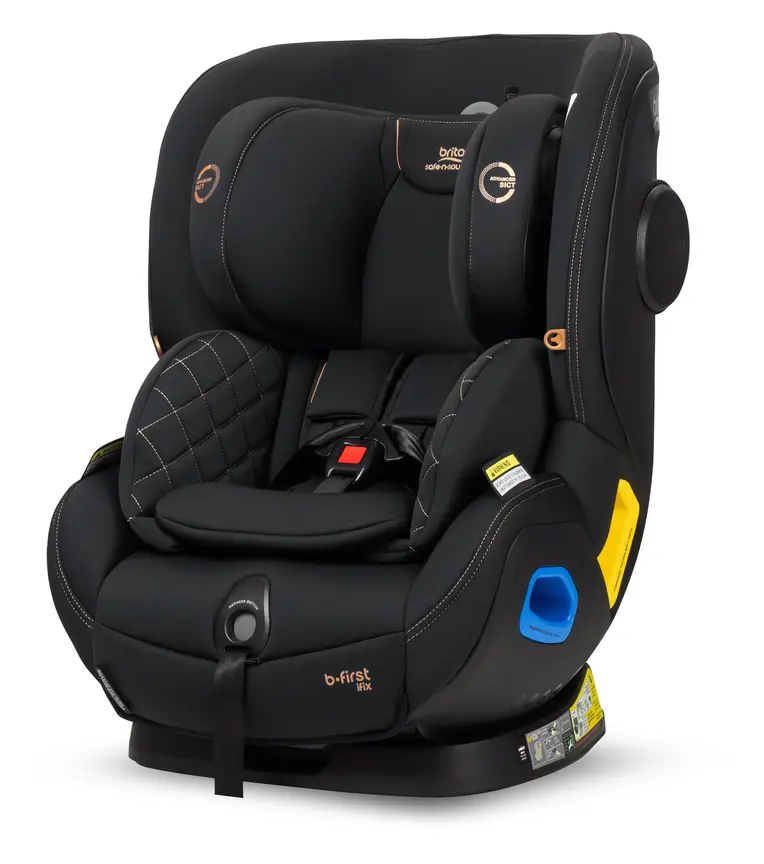
Britax Safe-n-Sound b-first+
Convertible seat from Britax's Australian Safe-n-Sound range with SICT deployable side-impact protection.
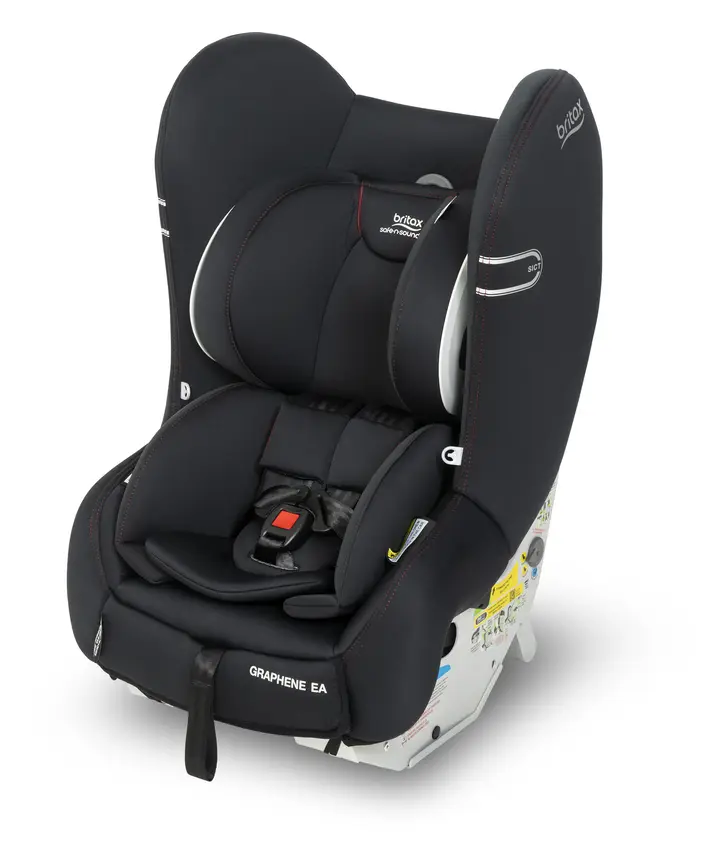
Britax Safe-n-Sound Graphene EA
Britax's Australian convertible seat with SICT side-impact technology, designed to reduce crash energy reaching your child's chest.

Britax Safe-n-Sound QuickFix Convertible Car Seat
Convertible car seat (ISOFIX)
Do budget car seats pass the same safety tests?
Yes. In Australia, the UK, the US and Canada, every new car seat sold in shops must pass strict government safety rules. A seat cannot be sold legally unless it meets the standard.
That means a budget seat from a trusted brand has passed the same legal crash tests as a luxury seat. A higher price tag does not mean a seat is allowed to skip safety rules. It also does not mean a cheaper seat is unsafe.
However, some independent programmes test seats beyond the legal minimum. In Australia, the Child Restraint Evaluation Programme (CREP) gives star ratings for crash protection and ease of use. In the US, NHTSA rates seats for ease of use. Checking these free ratings can help you pick a strong budget seat.
Why price is not a safety score
Car seat makers charge more for comfort, convenience, and brand name. They also charge more for extra side-impact pods, magnetic buckle holders, and narrower shells. None of those extras replace proper fitting.
A seat only protects your child if it fits your car, fits your child, and is used right on every trip. A simple budget seat that you can tighten easily is a smart choice.
What you pay extra for in dearer seats
When you buy a budget convertible seat, you usually give up convenience features rather than core crash safety. Knowing what is missing helps you decide what you actually need.
- Fabric and padding: Budget seats often use simpler polyester covers. They wipe clean well, but may feel firmer or warmer than bamboo or merino wool blends.
- Harness adjustment: Some cheaper seats require you to rethread the shoulder straps by hand as your child grows. Dearer seats often have a no-rethread headrest that slides up with one hand.
- Recline options: Budget seats may have fewer recline angles. This can matter if your car has very sloped back seats.
- Width and depth: Low-cost seats are often bulkier. If you have a small car or need three seats across the back, a slim seat may be worth the extra cost.
- Swivel bases: Seats that spin towards the car door cost much more. A fixed seat works just as well, though you lean in to buckle your child.
- Rear-facing limits: Some entry-level seats only rear-face to about twelve months. Extended rear-facing seats let children stay rear-facing for longer, which is safer.
Safety standards in Australia, the UK, the US and Canada
Car seat laws and standards are different in each country. You must buy a seat certified for the country where you live and drive. Using a seat from overseas is often illegal and may not fit your car's anchor points.
| Country | Main safety standard | Official safety bodies | Key rule to know |
|---|---|---|---|
| Australia | AS/NZS 1754 | ACCC (Product Safety Australia), Kidsafe, state road authorities | Top tether strap is required. Rear-facing to at least 6 months by law, longer is safer. |
| United Kingdom | UN R129 (i-Size) or ECE R44 | OPSS, GOV.UK, RoSPA, The Lullaby Trust | Rear-facing until at least 15 months in R129 seats. Check car and ISOFIX fit. |
| United States | FMVSS 213 | NHTSA, AAP (HealthyChildren.org), CPSC | Rear-facing until at least age 2, or until child hits the seat's height or weight limit. |
| Canada | CMVSS 213 | Transport Canada, Canadian Paediatric Society, Health Canada | Must have the National Safety Mark label. Keep rear-facing as long as the seat allows. |
Notice how each country uses its own label. In Australia, look for the AS/NZS 1754 sticker. In the UK, look for the orange E-mark label showing UN R129 or ECE R44. In the US, look for the FMVSS 213 label. In Canada, look for the National Safety Mark.
Never buy a cheap car seat from an online marketplace if it ships from overseas without your local label. Even if the advert says it is safe, it may not meet your country's laws or fit your car's seatbelts and anchors.
How to choose a budget convertible seat
Shopping for a budget seat is much easier when you check five things before you pay. Do not just look at the price tag.
1. Check your car's back seat space
Measure the width and depth of your back seat. A rear-facing convertible seat takes up a lot of front-to-back room. If you are tall, make sure the front seat can still slide back far enough for you to drive safely.
If possible, ask the shop if you can test-fit the seat in your car before you buy. Many baby shops let you carry a display seat out to the car park.
2. Look at the rear-facing height or weight limit
Health and road safety groups in Australia, the UK, the US and Canada all agree on one thing. Rear-facing is the safest way for babies and young toddlers to travel.
In a front-end crash, a rear-facing seat cradles your child's head, neck and spine. A forward-facing child's heavy head is thrown forward, which puts huge strain on a young neck.
Some very cheap convertible seats only allow rear-facing up to about 12 months. Others allow rear-facing up to two or three years. If your budget stretches to a seat with higher rear-facing markers, that is one of the best upgrades you can buy.
3. Check how easy it is to clean
Babies spit up, spill milk, and have nappy leaks. Toddlers drop snacks and mud. Look for a seat with a cover that comes off without needing to take the whole harness apart.
Check the label to see if the cover is machine washable. Wipe-clean harness straps are also a big help.
4. Check the harness and buckle
Try the buckle in the shop. Can you click it shut and release it easily? A stiff buckle is frustrating at night or in the rain.
Also check how you tighten the harness. The pull strap at the front should glide smoothly without twisting.
5. Compare your main options
| Feature | Budget convertible seat | Mid-range convertible seat | Baby capsule |
|---|---|---|---|
| Typical lifespan | Birth to 4 years (some longer) | Birth to 4 or 8 years | Birth to 6–12 months |
| Rear-facing limit | Often 12 months to 2 years | Often 2 to 3 years | Around 6–12 months |
| Ease of harness change | Often manual rethread | Often one-hand headrest | Manual or simple slide |
| Padding and fabric | Basic, firm, easy wipe | Softer, more breathable | Soft, removable insert |
| Size in car | Often wide and deep | Slimmer options available | Compact, lifts out |
| Value over time | Very high | High | Lower (need second seat soon) |
Side by side: more car seats & capsules to compare
Real products from our catalogue. We don't show star ratings or review counts; check the current price, stock and reviews on Amazon before you buy.
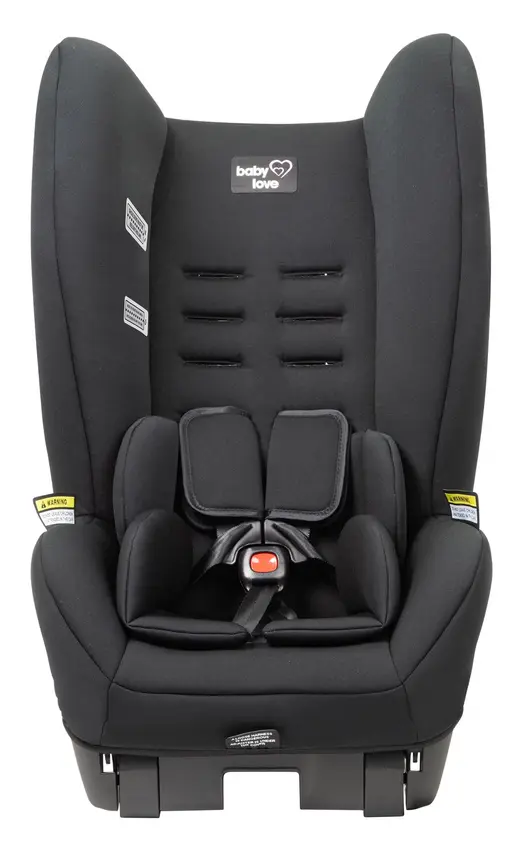
Babylove ezyone2
A very low-cost convertible seat. Rear-facing to about 12 months, then forward-facing to about 4 years.

Britax Safe-n-Sound Hi Liner SG
A high-back booster for about 4 to 8 years. A clip keeps the seatbelt in the right place.

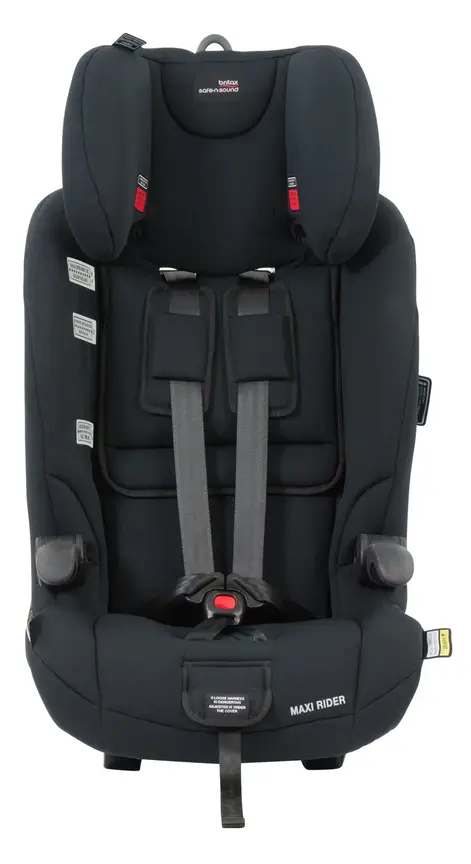
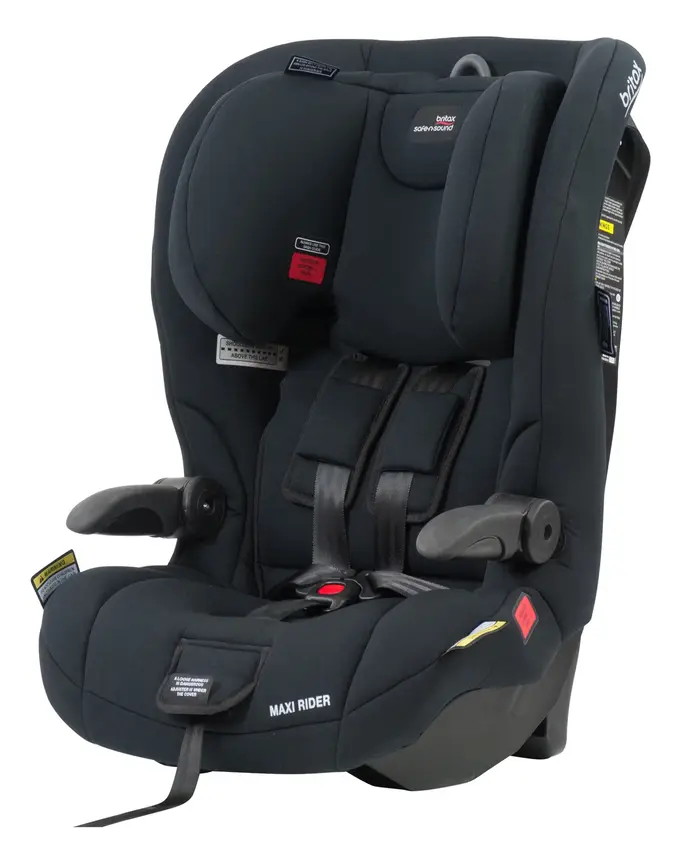
Britax Safe-n-Sound Maxi Rider
A seat with a harness from 12 months to about 4 years. Then it becomes a booster up to 6–8 years.
Read our full review →Age and size stages: rear-facing to forward-facing
Every convertible seat has clear rules on when to turn it around. You must follow the markers or limits on your exact seat, as well as the law where you live.
Newborn stage
Most convertible seats come with a newborn insert. This is a soft cushion that helps a tiny baby sit snugly so the harness fits right. Check the manual to see when to remove the insert. Leaving it in too long can push your baby's head forward.
For newborns, the harness straps should start at or just below the shoulders when rear-facing. This stops your baby from sliding up towards the top of the seat in a crash.
Older baby and toddler stage (rear-facing)
Keep your child rear-facing until they reach the maximum height or weight limit for rear-facing on that seat. Do not turn them forward just because their legs touch the back of the car seat. Children can bend their legs or cross them comfortably. A leg injury is rare, while a neck injury in a forward-facing crash is far more serious.
Forward-facing stage
Once your child outgrows the rear-facing limit, turn the seat to face forward. In Australia, you must use the top tether strap for forward-facing seats, and for rear-facing seats too. In the US and Canada, always attach the top tether when forward-facing.
When forward-facing, the harness straps usually sit at or just above the shoulders. Check your seat's manual to be sure.
Moving to a booster seat
When your child outgrows the built-in harness of a convertible seat, they move to a booster seat. A booster lifts the child up so the adult seatbelt sits across their collarbone and hips, not their neck and tummy.
How to fit and use your seat safely
Even the best car seat will not work well if it is loose. Follow these steps every time you fit or use your seat.
- Read both manuals: Read the car seat manual and your car's owner manual. Your car manual shows where the anchor points and ISOFIX or LATCH bars are.
- Choose the right spot: The back seat is always safer than the front seat. Never put a rear-facing seat in front of an active airbag.
- Check the angle: Most seats have a level indicator on the side. For a newborn, the seat must recline enough so their head does not flop forward onto their chest.
- Thread the seatbelt or clips: Use either the seatbelt OR the ISOFIX/LATCH connectors, unless your manual says to use both. Using both when not allowed can overload the anchor points.
- Tighten and test: Push down on the seat while pulling the belt tight. Grab the seat at the belt path and give it a firm tug. It should not move more than about two to three centimetres side to side or front to back.
- Attach the top tether: Clip the top tether to the anchor point in your car and pull it snug, without lifting the seat base.
- Check the harness on your child: Do the pinch test at the collarbone. If you can pinch a fold of strap webbing between your fingers, the harness is too loose.
Use a professional fitter if you are unsure
In Australia, Kidsafe and state road groups run fitting stations. In the UK, RoSPA and local councils offer seat checks. In the US and Canada, certified child passenger safety technicians check seats for free. A quick check gives you peace of mind.
Second-hand seats and expiry dates
When money is tight, buying a second-hand car seat can seem tempting. Be very careful. Car seats do not last forever.
Plastic becomes brittle over time from heat and sun inside a car. Most makers give their seats a lifespan of six to ten years from the date of manufacture. In Australia, Standards Australia and road authorities advise against using a seat that is more than ten years old. In Canada, Transport Canada requires an expiry date on every seat, and it is illegal to use an expired seat.
Only use a second-hand seat if you know its full history from a trusted family member or friend. Never use a seat that:
- has been in any car crash, even a minor one;
- is missing its label, manual, or any parts;
- has frayed straps, cracks in the plastic, or a rusty buckle;
- is past its expiry date or more than ten years old;
- has been recalled by the maker.
If you are not sure about a seat's history, it is much safer to buy a new budget seat. A brand-new entry-level seat with a full warranty and clean history is safer than an unknown used luxury seat.
Common mistakes to avoid
Many parents make small mistakes without knowing it. Fixing these habits costs nothing and makes your child much safer.
- Loose harness straps: A loose harness lets your child move too far forward in a crash. Always tighten until you cannot pinch any slack at the shoulder.
- Bulky coats in the seat: Thick puffer jackets compress in a crash, leaving a big gap under the harness. Dress your child in thin layers, buckle them in, and lay a blanket over the top if it is cold.
- Twisted straps: Flat straps spread crash force across the chest and hips. Untwist the harness before every trip.
- Turning forward too soon: Wait until your child reaches the seat's rear-facing limit, not just a birthday milestone.
- Adding aftermarket pads: Do not put extra head pillows, seat liners, or strap covers in the seat unless they came in the box with that exact seat. Extra padding can change how the harness sits and void safety testing.
- Sleeping in the car seat at home: Red Nose (Australia), The Lullaby Trust (UK), and the AAP (US) warn against letting babies sleep in car seats outside the car. When a seat sits on the floor, the angle changes and your baby's head can tip forward, blocking their airway.
- Using mirrors or heavy toys: Anything loose in the car can fly around in a crash. Keep heavy items in the boot.
More options, from budget to premium
Real products from our catalogue. We don't show star ratings or review counts; check the current price, stock and reviews on Amazon before you buy.

Britax Safe-n-Sound Atlas-GRO II Harnessed Car Seat
Harnessed booster seat
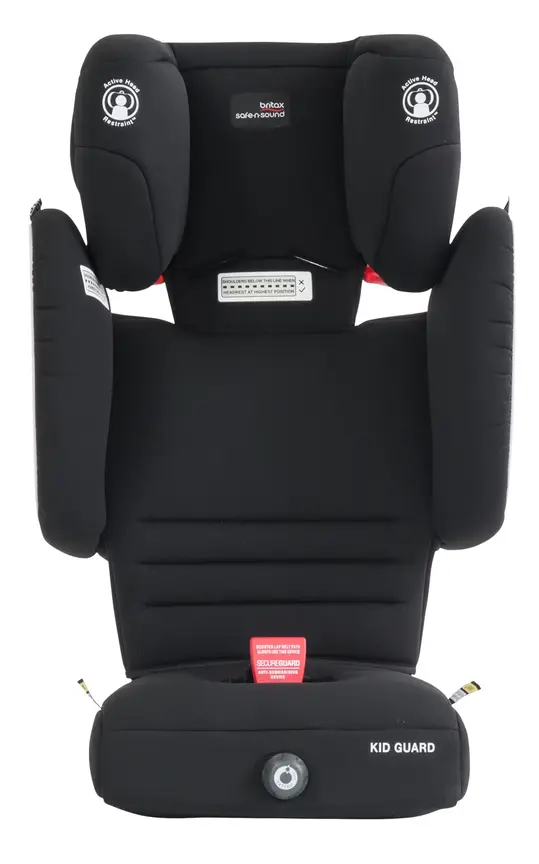

InfaSecure Attain Premium Convertible Car Seat
Convertible car seat
Frequently asked questions
Are budget convertible car seats safe?
Yes. Every new car seat sold legally in Australia, the UK, the US and Canada must pass strict government safety tests. A lower price usually means simpler fabric and fewer convenience features, not lower crash protection.
How long can my baby use a convertible car seat?
Most convertible seats last from birth until about four years old. Some all-in-one models last longer and convert into a booster seat. Always check the height markers or weight limits on your specific seat.
Should I buy a baby capsule or a convertible seat on a budget?
A convertible seat usually saves you more money. You buy one seat that lasts for years, instead of buying a capsule for the first year and a convertible seat later. Just check that the convertible seat fits your newborn well.
Can I buy a car seat from an overseas website to save money?
No. Car seats must meet the legal safety standard of the country where you drive. An overseas seat may not fit your car's anchor points and can be illegal to use. Always buy from a trusted local seller.
Is a second-hand expensive car seat better than a new budget seat?
No, unless you know the second-hand seat's full history from someone you trust. A used seat from a stranger could have hidden crash damage, missing parts, or be near its expiry date. A new budget seat is the safer choice.
How do I know when to turn my child forward-facing?
Check the height markers or weight limits printed on your car seat. Keep your child rear-facing until they reach the maximum rear-facing limit for that seat, as long as they also meet your local minimum age law.
Sources
- Product Safety Australia (ACCC) – Car seats guide
- Raising Children Network – Child car seats and restraints
- Child Car Seats Australia – Legal requirements
- GOV.UK – Child car seats: the rules
- RoSPA (UK) – Child car seats
- NHTSA (US) – Car seats and booster seats
- HealthyChildren.org (AAP) – Car seats: information for families
- Transport Canada – Choosing a child car seat or booster seat
Related guides
More Car Seats & Travel →
Are Cheap Convertible Car Seats Safe? What a Lower Price Does and Doesn't Mean

Travel Cots and Portable Cribs: How to Choose a Safe Folding Cot for Every Trip and Budget

Travelling with Kids: How to Choose and Use a Convertible Travel Car Seat