













How to Choose a Stroller Travel Bag or Storage Cover
Choose a stroller bag for travel or storage. Check fit, handles, wheels, fabric and airline rules, and keep your child safe while packing.

On this page
- What a stroller protector bag can and cannot do
- Start with how you will use it
- Check fit before you buy
- Compare the main bag types
- Materials, padding, and weather
- Handles, straps, wheels, and carrying
- Air travel and other trips
- Age stages and family needs
- Safe packing and storage
- Check recalls and product information
- Common mistakes to avoid
- Advice and product safety in four countries
- Frequently asked questions
- Simple final checklist
- Sources
Short answer: A stroller bag can help keep a folded pram or stroller together and reduce dirt or scuffs during storage and travel. It cannot guarantee that your stroller will avoid damage. First check your stroller maker’s advice. Then choose a bag that fits the folded frame and suits how you will carry it. A padded travel bag may suit air travel. A light cover may be enough for home storage. Keep your child out of the bag, and never use it as a cover while the child is in the stroller.
In Australia, Product Safety Australia and the ACCC provide product safety information. In the UK, the Office for Product Safety and Standards oversees product safety. In the US, the Consumer Product Safety Commission handles consumer product safety. In Canada, Health Canada shares recalls and safety alerts. A stroller bag is an accessory, so do not assume it has been checked to the same rules as a stroller.
What a stroller protector bag can and cannot do
People use several names for these products. You may see stroller travel bag, pram cover, stroller storage bag, or transport bag. These names can describe very different items. Check the product details and pictures before buying.
A travel bag usually holds a folded stroller during a trip. Some have carry handles or shoulder straps. Some have wheels. A few have padding, but padding varies. A storage cover is often a simpler fabric cover for a stroller kept at home. It may keep off dust, but may not protect against knocks or rough handling.
A bag can gather loose parts in one place. It can help keep fabric away from dirt in a car boot, cupboard, or luggage area. A bag may also make a stroller easier to carry. The amount of protection depends on the design, fit, materials, and how the bag is handled.
No soft bag can promise that a stroller will not be crushed, dropped, scratched, or wet. A travel bag is not a hard case. Padding may soften small knocks, but it does not make the stroller damage-proof. If your stroller maker sells a travel bag for your model, check what the maker says it covers and whether the stroller needs extra parts removed.
A bag is not a rain cover for a child in a stroller. Do not put a travel or storage bag over an occupied stroller. Do not use a bag to cover a child, cot, or car seat. It can block air or cover a child’s face.
Start with how you will use it
Think about the trips and storage needs you have. A bag that works well at home may be awkward in an airport. A large padded bag may protect better from some bumps, but can take more room to store and carry.
- Home storage: A light, washable cover may keep dust off. Check that the stroller is dry before covering it.
- Car trips: A simple bag may keep dirt from the car boot off the folded stroller. Make sure it can be lifted safely.
- Air travel: Check your airline’s current rules before buying or packing. The airline decides how strollers are checked, tagged, or carried.
- Public transport: A compact cover may help keep the folded stroller together. Consider whether you can carry it while also caring for your child.
- Frequent travel: Look at the seams, zip, handles, and repair options. These parts may face repeated pulling.
Ask yourself how often you will use the bag. If you only need dust protection, a simple option may be enough. If you travel often, carrying comfort and easy access may matter more.
Check fit before you buy
Fit is one of the most useful checks. A bag that is too small may not close. A bag that is far too large may let the stroller slide around. Loose movement can make carrying harder and may expose parts to knocks.
Fold your stroller exactly as the maker instructs. Then measure its folded length, width, and height. Include handles, wheels, or other parts that stay attached. Compare those measurements with the bag’s inside measurements. Product pages sometimes list outside measurements only. If the inside size is not clear, ask the seller.
Check whether the bag fits your stroller’s shape. Some strollers fold into a long, narrow bundle. Others fold into a wider block. A bag may fit the total size but still be difficult to load if its opening is too small.
Look for details about removable parts. You may need to take off a bumper bar, cup holder, canopy, or wheels. Do not force the stroller into a bag. Do not remove a part unless the stroller maker says it can be removed safely.
Before a trip, practise packing the stroller at home. Follow the stroller maker’s folding steps. Check that no fabric or strap is caught in the frame. Close the bag without pulling hard on the zip. If it strains, the bag may be too small or packed poorly.
Prams & Strollers worth a look
Real products from our catalogue. We don't show star ratings or review counts; check the current price, stock and reviews on Amazon before you buy.
 Reviewed
Baby Jogger City Tour 2
A 6.5 kg stroller with a near-flat recline. It folds small and comes with a carry bag.
Read our full review →

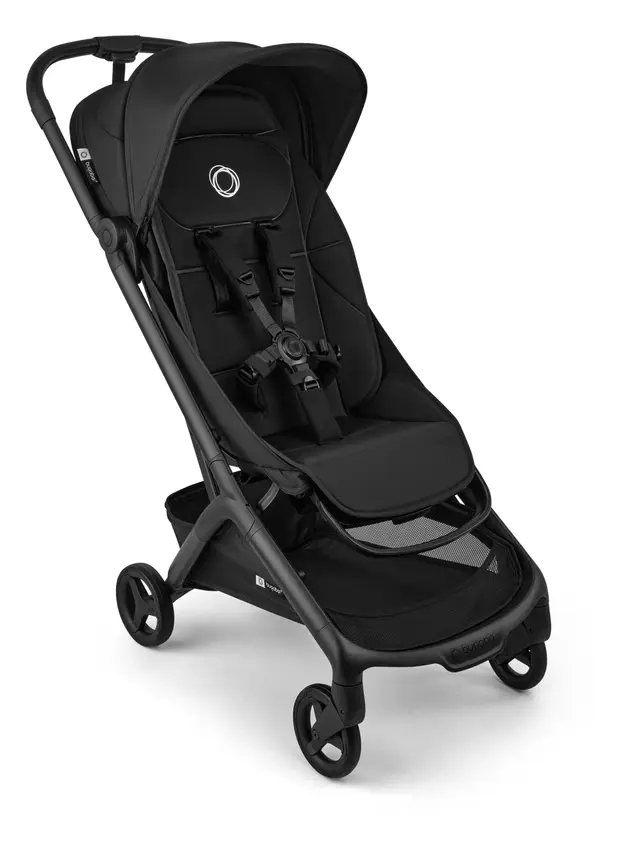
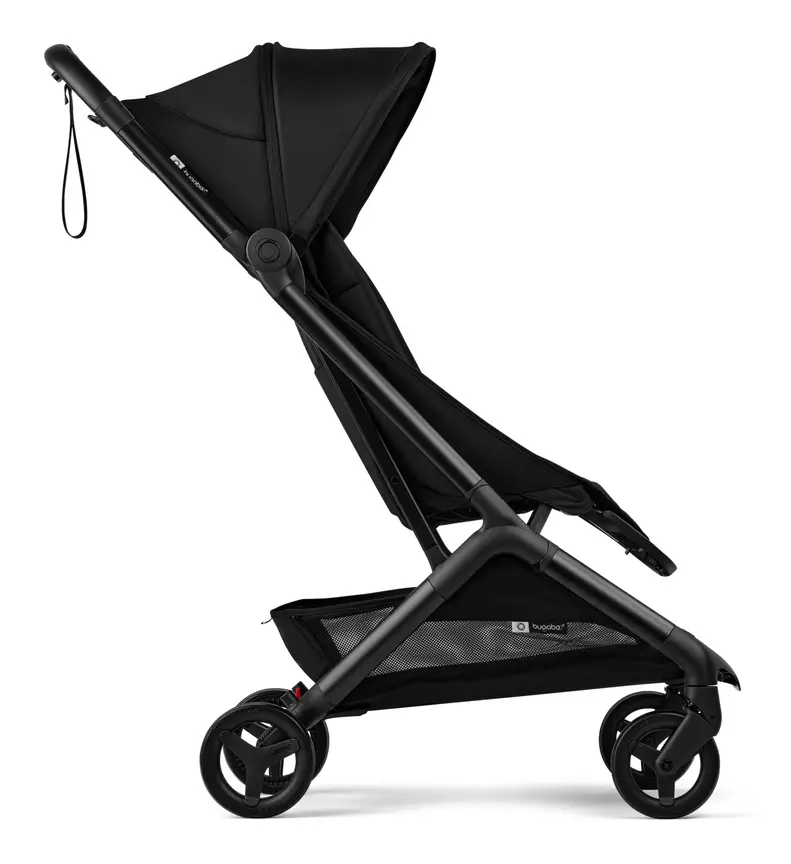


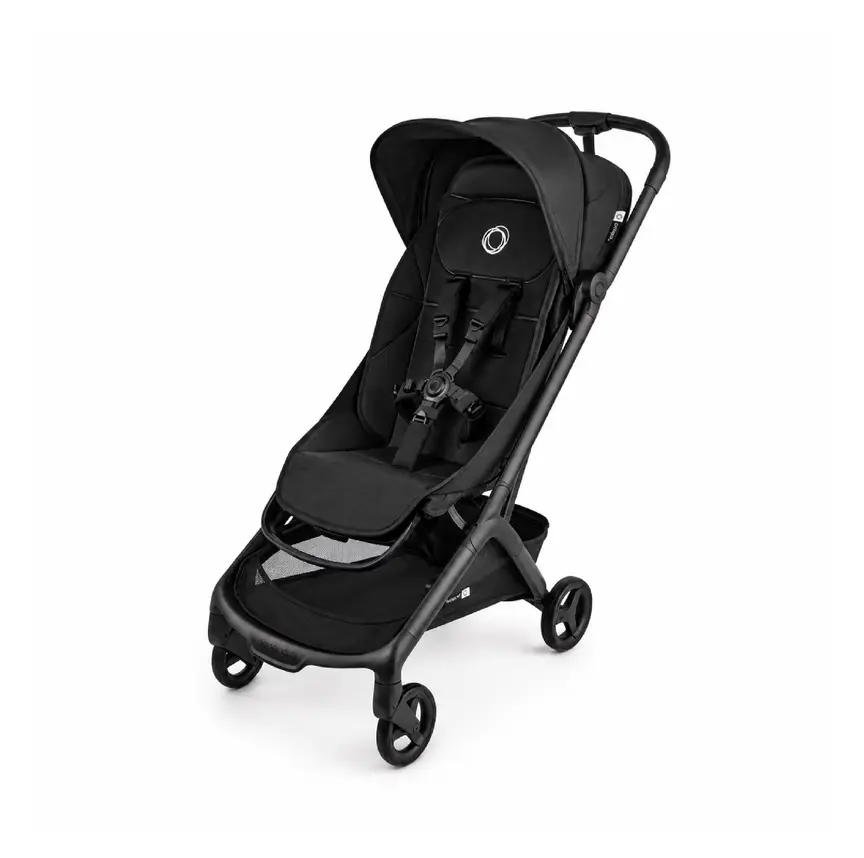
Bugaboo Butterfly
Bugaboo's cabin-friendly compact stroller with a one-second fold — the travel partner to a Fox, not a replacement for it.
Bugaboo Butterfly 2
The newer Butterfly. It folds in about one second, has a lay-flat seat and a bigger basket with a back pocket.
Read our full review →Compare the main bag types
Bag names are not used in the same way by every seller. Read the description closely. The table gives common features, not a promise about every product.
| Type | Common use | Possible benefits | Checks to make |
|---|---|---|---|
| Light storage cover | Keeping dust off at home | Often folds small and may be easy to wash | Check fabric care, closure, and whether the stroller must be fully dry |
| Basic travel bag | Car trips or occasional travel | Can hold the folded stroller and loose parts together | Check fit, seams, zip, and carrying handles |
| Padded travel bag | Trips where extra soft padding is wanted | Padding may soften some small knocks | Check where padding sits and how much space it adds |
| Wheeled travel bag | Moving a packed stroller over smooth floors | Wheels may reduce lifting for some parts of a trip | Check wheel quality, bag weight, balance, and stairs |
| Model-specific bag | A stroller with a matching maker’s bag | May be shaped for that stroller’s folded form | Confirm the exact model and year, and follow maker instructions |
| Universal bag | Different stroller models | May suit more than one folded shape | Measure carefully; universal does not mean every stroller fits |
There is no single best type for every family. A simple cover can suit a dry cupboard. A wheeled bag can help across a large terminal, but wheels do not help on stairs. A model-specific bag may fit well, but confirm that it matches your exact stroller.
Materials, padding, and weather
Read the care label and product description. Sellers may use terms such as water-resistant or weather-resistant. These words do not mean waterproof. Ask what the claim means if the details are unclear.
For storage, a breathable cover may be useful if the stroller is clean and dry. Avoid sealing a damp stroller inside a bag. Damp fabric can smell and may grow mould. If the stroller gets wet, dry it according to the maker’s instructions before storing it.
For travel, look at the fabric, seams, zip, and base. A reinforced base may face more wear when the bag is set down. A wide opening can make loading easier. A zip that opens around several sides may give better access than a narrow opening, though it can also create more places that may fail.
Padding comes in many forms. Some bags have padding on just one panel. Others have a padded lining. Check where it sits and whether it protects the parts most likely to touch other luggage. Padding adds bulk and weight. It still cannot stop all damage.
Do not assume the fabric is free from a particular chemical or safe for food contact. A stroller bag is not made for eating or chewing. Keep it away from babies and children when not in use, especially if it has cords, loose parts, or a long strap.
Handles, straps, wheels, and carrying
A bag can be hard to carry when it holds a folded stroller. Check how the handles are attached. Look for stitching that joins them to the main fabric. Read the weight limit if the maker gives one. Do not carry more than the stated limit.
Try the carrying style before travel if possible. A shoulder strap can leave your hands free, but may feel uncomfortable with a heavy load. A hand strap may be easy for a short walk. A backpack-style design may spread the load, but check that it fits your body and does not swing while you walk.
Wheels may help on smooth floors. They may not help on steps, gravel, or uneven paths. A wheeled bag can also tip if the load is uneven. Pack the stroller so it sits securely. Keep small parts in a closed pocket or separate pouch.
Never attach the loaded bag to a stroller while a child is in it. Do not hang a heavy bag from a stroller handle. Extra weight can affect balance and may cause the stroller to tip. Follow the stroller maker’s advice about carrying bags and accessories.
Air travel and other trips
Airlines set their own rules for strollers. Rules can change and may differ by route or ticket. Check the airline’s website or contact the airline before travel. Ask whether the stroller can go to the gate, must be checked earlier, or needs a particular tag.
Ask how the bag should be labelled. Keep contact details on the bag, but avoid showing more personal information than needed. Take a photo of the stroller before packing it. Keep the model details and proof of purchase if you have them. This may help if you need to report a problem.
Check the airline’s rules about what can stay in the stroller bag. Do not pack valuables, medicines, or items you need during the journey unless the airline allows it and you can manage without them. Remove loose accessories if the stroller maker recommends it. Secure any parts that must travel with the stroller.
For car trips, pack the stroller so it cannot slide into people or block the driver’s view. Keep heavy items low and secure. Follow your vehicle’s guidance for luggage. A bag does not replace safe loading.
For buses and trains, check local rules and access needs. A large bag can be difficult to carry through a crowd. If you are travelling alone with a baby, plan how you will manage your child, stroller, and luggage at the same time.
Age stages and family needs
A stroller bag does not change which stroller is right for a child. Use the stroller only within the age, weight, and height limits set by its maker. Check those limits as your child grows.
- Newborn stage: Some strollers need a compatible carrycot or car seat for a newborn. Follow the stroller maker’s instructions. A travel bag is only for the folded, empty stroller.
- When your baby sits: Check the seat and harness instructions as your child grows. Do not use the stroller bag as a place for the child to sit or rest.
- Toddler stage: The stroller may be heavier or wider with accessories attached. Measure it in the form you plan to pack.
- More than one child: A double stroller may need a larger bag or a separate transport plan. Check size and lifting needs before buying.
- Family travel: Consider who will carry the packed stroller and where it will be stored. A bag that one adult cannot lift safely may not suit your trip.
Children grow at different rates. Use the maker’s stated limits, not a general age guess. Ask the maker or a health professional if you are unsure whether the stroller suits your child.
Side by side: more prams & strollers to compare
Real products from our catalogue. We don't show star ratings or review counts; check the current price, stock and reviews on Amazon before you buy.

Joie Pact Pro
A 6.3 kg travel stroller from birth to 22 kg. You can clip a Joie Gemm or i-Gemm capsule on top.
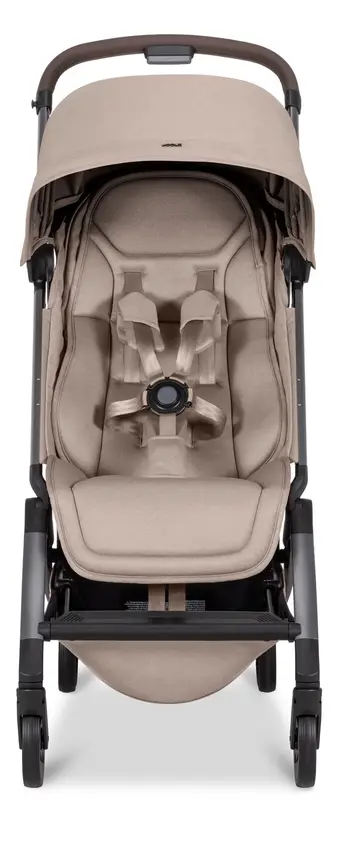


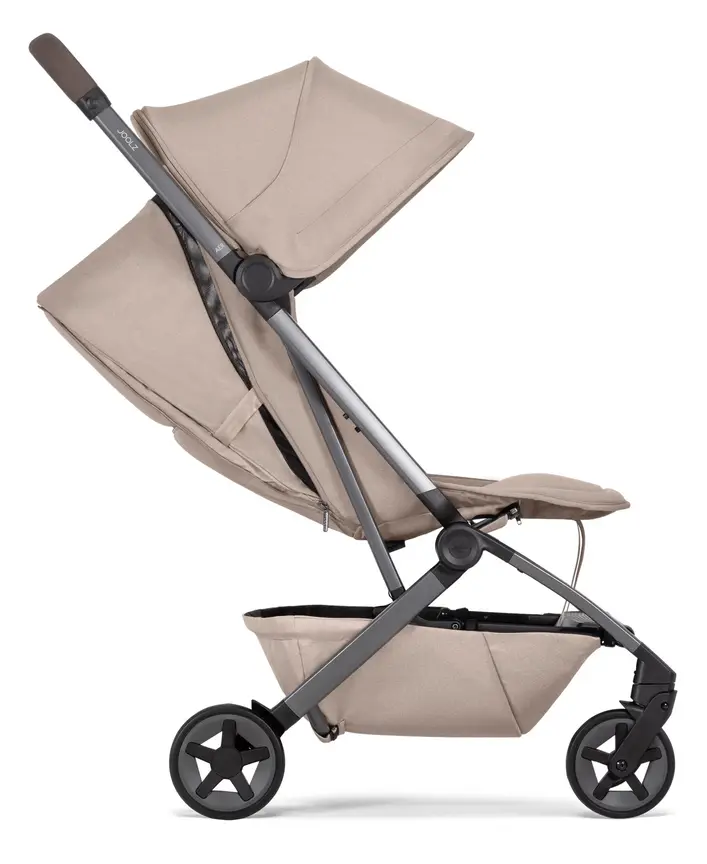


Joolz Aer2
A 6.5 kg stroller with a fast one-hand fold, deep recline from newborn and a UPF50+ sun hood.
Read our full review →


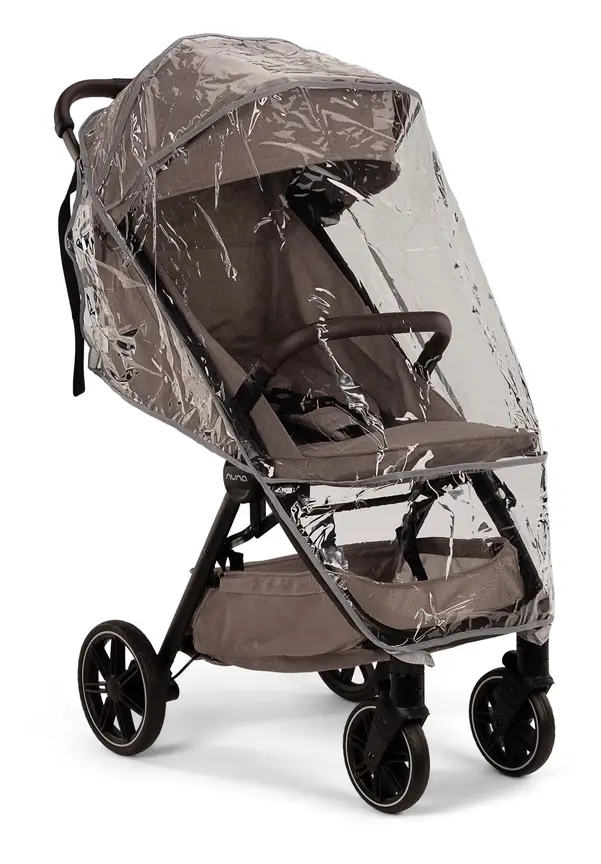

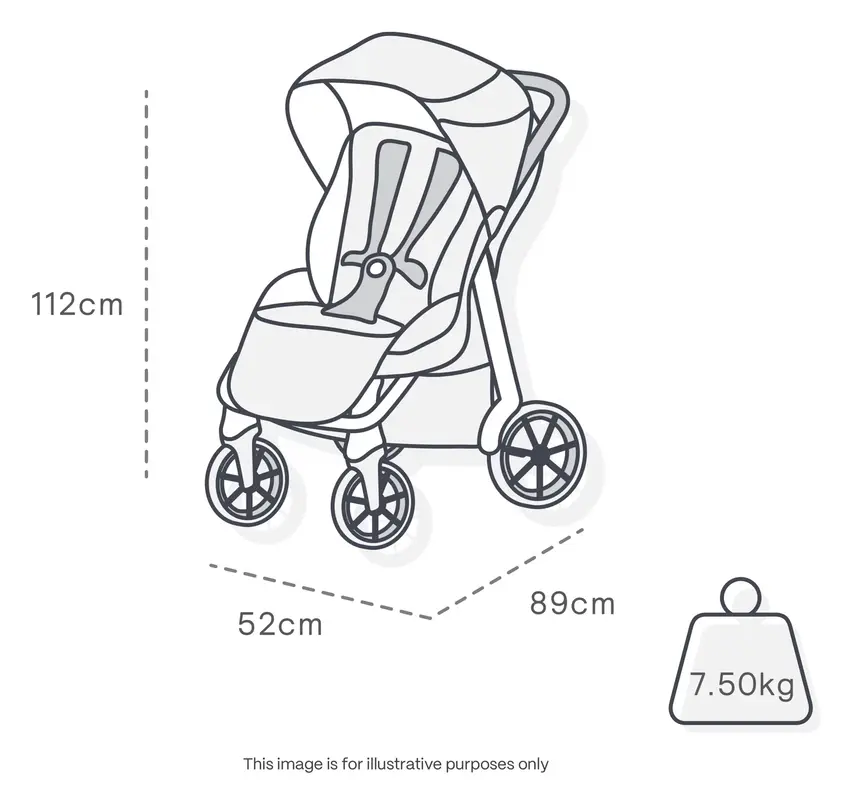
Nuna TRVL LX
A premium compact stroller with a lie-flat seat. It takes the Nuna KLIK Plus capsule on the armbar.
Read our full review →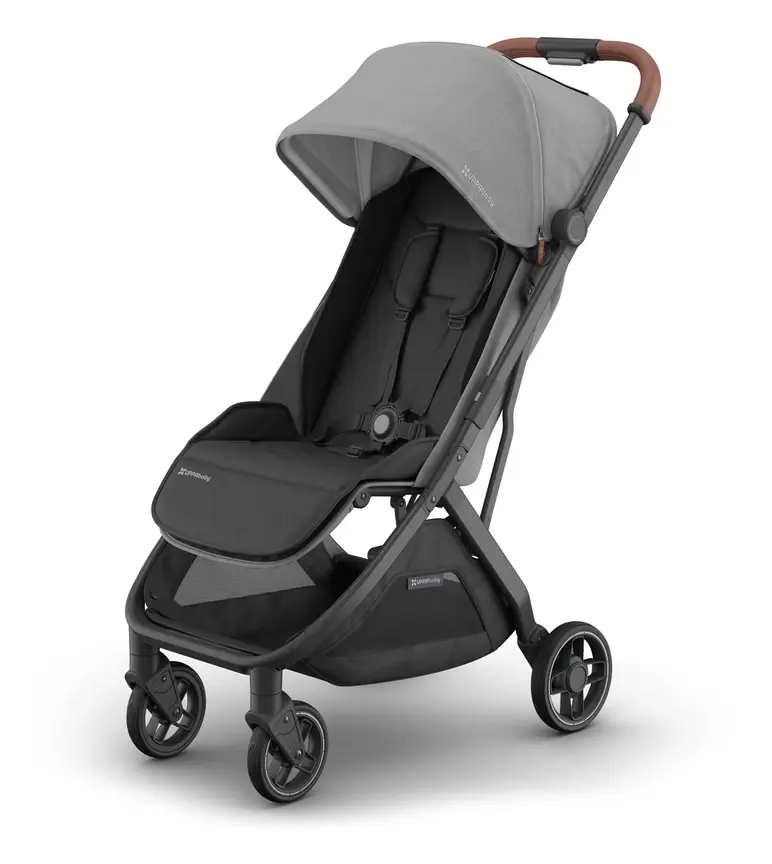


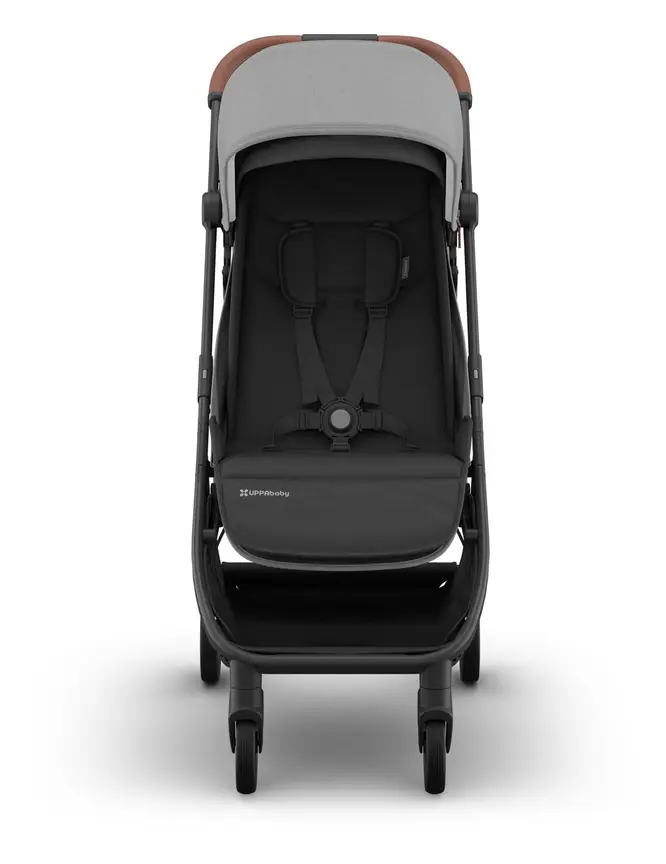


UPPAbaby Minu V3
A slim travel stroller that folds with one hand, stands on its own and is sized for plane overhead lockers.
Read our full review →Safe packing and storage
Use the stroller’s manual each time you fold it. Keep fingers clear of hinges and moving parts. Set the brake if the instructions say to do so. Make sure the stroller is fully folded and locked before placing it in the bag.
- Take your child out of the stroller.
- Remove items from the seat and basket.
- Fold the stroller using the maker’s steps.
- Check that the frame is locked in its folded position.
- Put removable parts in a closed pocket or separate pouch.
- Lift with care, and ask for help if the load is too heavy.
- Close the bag without forcing the zip or trapping fabric.
Keep an empty bag away from children. Long straps and cords can catch around a child. A bag can also be a suffocation risk if a child climbs inside. Store it in a cupboard or other place your child cannot reach.
Do not store a wet or dirty stroller in a closed bag. Clean it as the stroller maker directs. Let it dry fully before packing. Check the storage area for dampness and pests.
Check recalls and product information
Before buying a stroller accessory, look for the maker’s name, model details, care instructions, and contact information. Keep the receipt and product details. If something breaks, stop using the damaged bag and contact the seller or maker.
Check official recall sources when buying new or second-hand equipment. Australia’s Product Safety Australia lists recalls and safety information. The UK Office for Product Safety and Standards provides product safety information. The US Consumer Product Safety Commission publishes recalls. Health Canada shares recalls and safety alerts.
A safety mark or claim on a seller’s page does not prove that a bag is right for your stroller. The stroller itself must also be used as instructed. Do not rely on a bag to fix a broken, recalled, or poorly folding stroller.
Common mistakes to avoid
- Buying by the word “universal” alone. Measure the folded stroller and compare it with the bag’s inside size.
- Expecting a soft bag to prevent all damage. Padding may reduce some knocks, but cannot guarantee protection.
- Leaving a child in the stroller while covering it. Use the bag only with an empty, folded stroller.
- Packing a damp stroller. Dry it first to reduce smells and mould.
- Overloading the bag. Follow any stated weight limit, and keep the load manageable.
- Assuming all airlines have the same rules. Check the airline for your route before departure.
- Hanging a heavy bag from the stroller handle. This can affect balance and increase tipping risk.
- Leaving a bag within a child’s reach. Store it away, especially if it has long straps or cords.
Advice and product safety in four countries
Stroller safety advice focuses on the stroller, its fit for the child, and safe use. A travel bag does not replace those checks. Use local product information and the stroller maker’s manual.
| Country | Official body to check | Useful step |
|---|---|---|
| Australia | Product Safety Australia and the Australian Competition and Consumer Commission (ACCC) | Read the prams and strollers guide, and check recalls. |
| United Kingdom | Office for Product Safety and Standards (OPSS) | Check product safety advice and report concerns through official channels. |
| United States | Consumer Product Safety Commission (CPSC) | Search recalls and follow the stroller maker’s instructions. |
| Canada | Health Canada | Check recalls and safety alerts before buying or using products. |
Rules can differ by country. A product sold in one market may not meet another market’s requirements. If you buy from overseas, check the local advice and whether the maker offers support where you live.
Frequently asked questions
Do I need a stroller travel bag?
No. It depends on how you travel and store your stroller. A bag may help keep dirt off and hold loose parts together. It cannot guarantee that the stroller will avoid damage.
Can I use a stroller bag as a rain cover?
No. A travel or storage bag is for an empty, folded stroller. Never cover a child in a stroller with a bag. Use only a rain cover approved for your stroller, and follow its instructions.
How do I know whether a bag fits?
Fold the stroller as the maker directs. Measure its length, width, and height with the parts that will stay attached. Compare those measurements with the bag’s inside measurements. Check the opening too.
Will padding stop damage during a flight?
No bag can promise that. Padding may soften some small knocks. It does not make a stroller safe from crushing, drops, or rough handling. Ask the stroller maker about its travel advice.
Can I leave accessories on the stroller?
Check the stroller manual and the bag instructions. Some parts may need to come off before folding. Do not force a part into the bag or remove parts against the maker’s advice.
Can I hang the bag from my stroller handle?
Do not hang a heavy bag from the stroller handle. Extra weight can affect balance and may tip the stroller. Carry the packed bag separately, following the makers’ instructions.
How should I clean and store the bag?
Follow its care label. Let the bag dry fully before storage. Keep it away from children, especially if it has long straps, cords, or a large opening.
What should I check before flying?
Check your airline’s current stroller rules. Ask where to check the stroller and whether it needs a tag or bag. Keep essential items with you, and take a photo before packing.
Does a stroller bag have to meet a stroller safety standard?
Do not assume it does. A bag is an accessory, and its rules may differ from the stroller’s rules. Check the product information and local safety advice.
More options, from budget to premium
Real products from our catalogue. We don't show star ratings or review counts; check the current price, stock and reviews on Amazon before you buy.
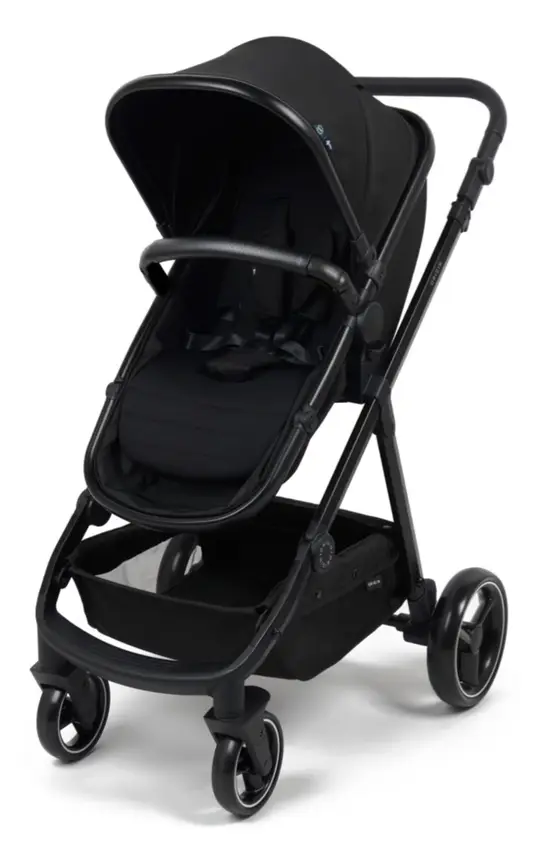
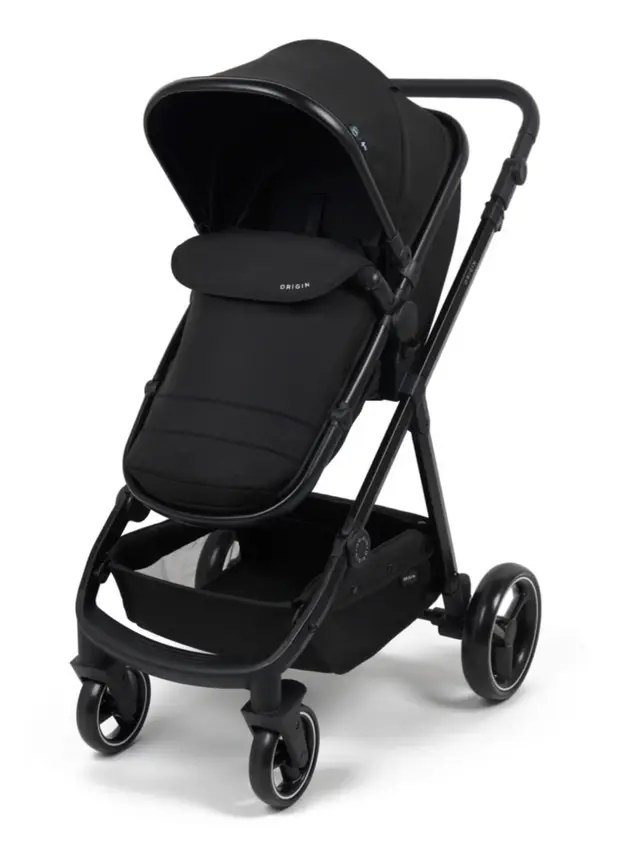
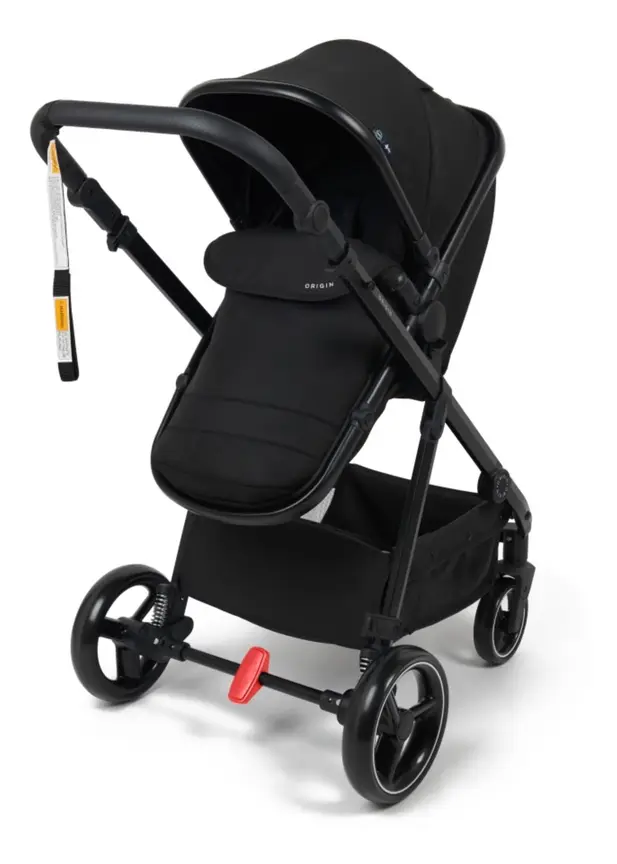
4baby Origin Stroller
A budget pram whose seat turns into a bassinet. The seat can face you or face the world.
Read our full review →
Baby Jogger City Mini GT2
Long-running, lighter all-terrain stroller with a famously simple one-hand strap fold.
Simple final checklist
- Choose a bag for your real use: storage, car travel, or air travel.
- Measure the stroller when folded, and check the bag’s inside size.
- Read care, weight, and packing instructions.
- Practise packing before your trip.
- Keep the child out of the bag and away from loose straps.
- Check airline rules and official recall information.
- Use the stroller only as its maker instructs.
A well-fitting bag can make carrying and storage easier. The right choice is the one you can pack safely and manage comfortably. Check the stroller and bag instructions before each trip.
This article is general information, not medical or legal advice. Follow the product maker’s instructions and local safety guidance. Some links may be affiliate links, which may earn BabyGearFinder a commission at no extra cost to you.
Sources
Related guides
More Prams & Strollers →
How to Choose and Use a Stroller Rain Cover Safely
Stroller Clips: How to Use Them Safely and Choose the Right Type

Battery-Powered Stroller Fans for Babies: How to Choose and Use One Safely
