













How to Choose a Lightweight Pram for City Living
Choose a lightweight pram for city life. Compare folds, wheels, storage and recline, then check safety, fit and daily use before you buy.

On this page
- What makes a pram useful in a city?
- Choose for your baby's age and stage
- Compare pram styles side by side
- Measure the route, the home and the transport
- Check the fold, carry and storage features
- Wheels, steering and brakes
- Seat, harness and weather cover
- Safety standards and country guidance
- Buying new or second-hand
- Common mistakes to avoid
- A simple checklist before you buy
- Frequently asked questions
- Sources and safety checks
- Sources
Short answer: A good city pram is easy to lift, steer, fold and store. It must also suit your baby's age and your daily trips. Check its weight, folded size, wheels, basket, harness and brakes in person if you can. Read the manual before use. Follow the maker's age and weight limits. A lightweight frame does not make a pram safe by itself.
Advice on prams and strollers comes from different bodies in each country. In Australia, check Product Safety Australia and the ACCC. In the UK, check the Office for Product Safety and Standards (OPSS). In the US, check the Consumer Product Safety Commission (CPSC). In Canada, check Health Canada recalls and safety alerts. These bodies help consumers find safety advice and product alerts. Always check the rules where you live.
What makes a pram useful in a city?
City trips often mean narrow doors, lifts, buses, trains, crowded footpaths and small storage spaces. A pram that works well in a large shop may feel awkward on a busy pavement. Think about the places you visit most. Your everyday route matters more than a long list of features.
Lightweight pram is a broad shopping term. It does not promise one set weight, fold size or level of comfort. One model may fold with one hand. Another may have larger wheels but take more room. Compare the pram's actual measurements and features. Do not rely on the product name alone.
Start with three questions. Where will you use the pram? How will you carry or store it? How old is your baby? Your answers can rule out options before you compare smaller details.
- For public transport: look for a fold you can manage while keeping your child safe. Check how the folded pram is carried or stored.
- For stairs: check the weight you would need to lift, including any seat or accessories.
- For small homes: measure the place where the folded pram will stand.
- For uneven pavements: check whether the wheels and suspension suit your route.
- For frequent shopping: look at the basket opening and how much room it leaves for your feet.
A compact pram can be easier to store, but may have a smaller basket or shorter seat. A larger model may be easier to steer over rough ground, but harder to carry. Decide which trade-offs matter to your family.
Choose for your baby's age and stage
Age guidance differs between prams. Some seats are made for babies who can sit with good head control. Some models allow newborn use with a compatible carrycot or approved infant setup. The maker's manual is the source for that model's limits. Check the exact model and version before buying.
Newborns
Newborns need a setup that the maker says is suitable from birth. Check whether the pram includes a carrycot or needs a separate one. Ask how it attaches and whether it can be used for sleep. A pram seat that reclines is not automatically a safe sleep space.
When your baby falls asleep while travelling, follow advice from your local health service and the pram maker. Do not assume a stroller seat is a cot or bassinet. For routine sleep, use a separate safe sleep space that meets local guidance.
Babies gaining head and body control
As your baby grows, they may move from a carrycot to a seat. Make that change only when the manual allows it. Check the harness position and the seat's limits. Your child should not slump or slide in the seat.
Toddlers
A toddler may want to climb in and out. Use the harness every time, even for a short walk. Check the maximum child weight and any age guidance. Stop using the pram when your child reaches a limit in its manual.
Children grow at different rates. Use the maker's stated limits, not an estimate based on another child. If your child has a health or support need, ask a health professional about suitable seating.
Compare pram styles side by side
There is no single best style for every family. Use this table to compare common designs. The details vary by model, so confirm them in the manual and on the product label.
| Style | What it can suit | Trade-offs to check | Questions to ask |
|---|---|---|---|
| Compact travel stroller | Short trips, small storage spaces and families who lift a pram often. | May have smaller wheels, a smaller basket or less room for a growing child. | Is it suitable for your child's age? Can you lift and fold it safely? |
| Everyday lightweight stroller | Regular errands and mixed use around town. | Fold size, steering and seat support differ widely. | Does it fit your doorways, lift and storage space? |
| Pram with carrycot | Families who need a newborn setup approved by the maker. | The carrycot can add bulk and weight. Some carrycots are not sleep spaces. | What does the manual say about age, use and sleep? |
| Three-wheel stroller | Some routes with uneven ground, where the model's wheels suit the surface. | Can be wider or longer. A front wheel may need locking on certain ground. | How does it turn, brake and fold on your usual route? |
| Travel system | Families who want a compatible infant car seat to attach for travel. | Adapters and seats add weight. A car seat is not a routine sleep space. | Are the exact seat, adapter and frame approved to work together? |
| Double stroller | Families moving two children together. | May be wide, heavy or harder to take on transport. | Will it pass through your doors and fit your lift? |
Do not choose by appearance alone. Ask to fold and unfold the model. If shopping online, watch for clear measurements and a full manual. Check the return terms before purchase.
Prams & Strollers worth a look
Real products from our catalogue. We don't show star ratings or review counts; check the current price, stock and reviews on Amazon before you buy.

Bugaboo Dragonfly
Bugaboo's city pram: smaller footprint and lighter than the Fox, built for footpaths, lifts and car boots rather than bush tracks.
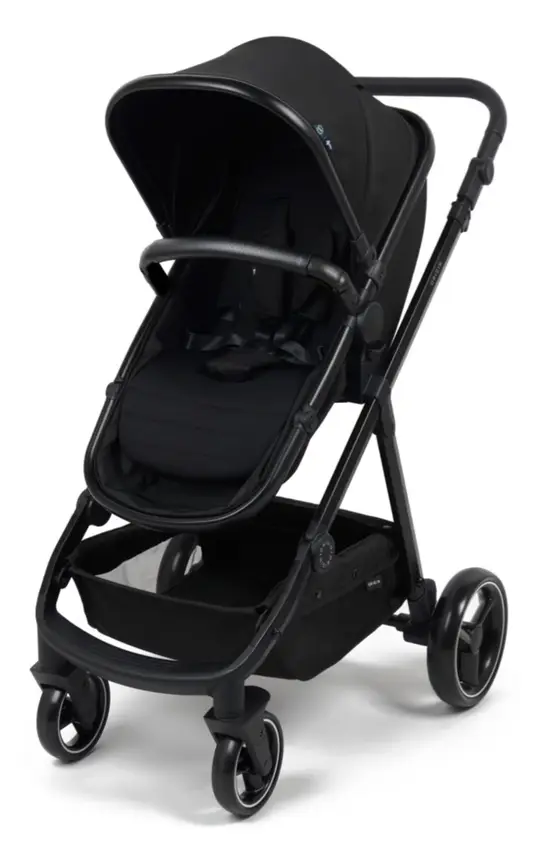
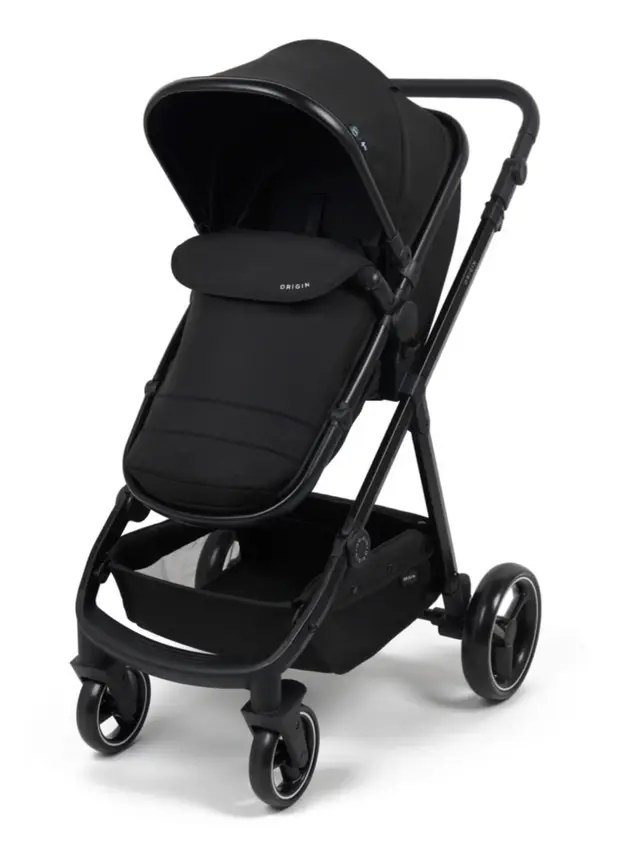
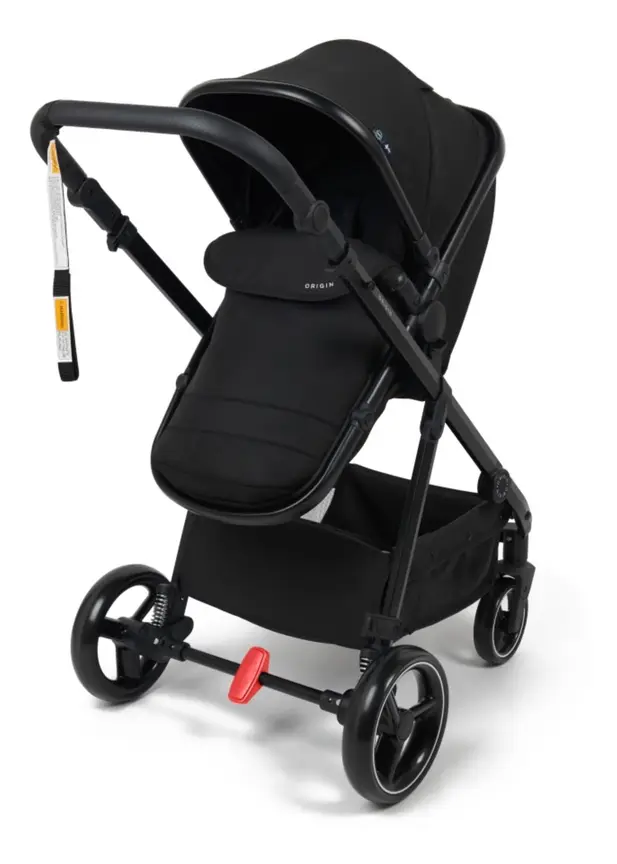
4baby Origin Stroller
A budget pram whose seat turns into a bassinet. The seat can face you or face the world.
Read our full review →
Baby Jogger City Mini GT2
Long-running, lighter all-terrain stroller with a famously simple one-hand strap fold.
 Reviewed
Baby Jogger City Tour 2
A 6.5 kg stroller with a near-flat recline. It folds small and comes with a carry bag.
Read our full review →Measure the route, the home and the transport
Measure before you buy. Measure the folded pram at its widest, tallest and deepest points. Then compare those numbers with your hall cupboard, car boot, lift and doorways. Leave room for handles or wheels that stick out.
For buses and trains, check the transport operator's rules. Space can vary by vehicle and time of day. A pram that fits one carriage may block an aisle on another. Keep access routes clear, and fold it if staff ask or local rules require it.
Check the pram's open width against narrow gates and shop aisles. Check the handle height and whether it suits the adults who will push it. If more than one person will use it, each should try steering it.
Think through stairs. Can one adult carry the folded pram and hold the baby safely? Often the safest plan is to place the baby somewhere secure first, then handle the pram. Never carry a baby in the pram while lifting it on stairs.
For car travel, check the boot opening and the space left for other items. Do not put heavy shopping on top of a folded pram. Secure loose items so they cannot move during a drive.
Check the fold, carry and storage features
A quick fold can help when you have a baby in your arms. But a one-hand fold still needs practice. Ask how the lock works. Check that the frame stays folded when carried and does not open without warning.
Try the fold with the seat facing each direction, if the model allows both. Some prams need the seat removed first. Others fold differently with a carrycot or accessories attached. Read the instructions for the setup you plan to use.
Check the folded pram's weight. The published weight may leave out a seat, canopy, basket or accessories. Ask what is included in that figure. Lift the whole setup if possible, using a safe lifting position and help from another adult.
Look for a carry strap or handle if you will carry the pram. Make sure it does not drag on the ground or catch on nearby items. Store the pram where children cannot pull it over themselves.
Wheels, steering and brakes
Small wheels can make a pram easier to store. Larger wheels may roll more easily over some rough surfaces. Neither detail tells the whole story. Try the pram on a floor or path like the one you use most.
Check whether the front wheels swivel, lock or do both. Swivel wheels can help with tight turns. A lock can help on some uneven routes. Follow the instructions about when to lock them.
Push the pram with the weight of your child represented safely, if the shop permits. Notice whether it pulls to one side. Check whether your feet hit the frame. Try turning with one hand and with both hands.
Test the brake before each outing. Learn where it is and how it engages. Check that it holds the pram on a slope. Never leave a child unattended in a pram, even with the brake on.
Keep fingers away from folding joints and moving parts. Do not let a child play with the frame while you open or close it. Use the safety lock as the manual shows.
Seat, harness and weather cover
The seat should fit your child within the maker's limits. Check the back support, footrest, recline positions and harness adjustment. The straps should sit as the manual shows. A loose harness can allow a child to slip or climb out.
Use the supplied harness every time. It is not a substitute for watching your child. Check the buckle before each walk. Make sure clothing does not stop the harness from fitting as intended.
Check the canopy's coverage and how it moves. A canopy can offer shade, but it does not replace sun protection. Do not cover the pram with a blanket or cloth. This can reduce airflow and make the inside hotter. Use only covers the maker approves, and follow local sun advice.
For rain, use a cover made for that pram. Follow instructions for ventilation. Remove the cover when it is not needed. Check your child often in hot or cold weather, and dress them for conditions.
Do not hang bags on the handle unless the maker allows it. Extra weight can make the pram tip backwards. Put items in the basket, within its stated limit. Keep the basket load balanced and away from moving wheels.
Side by side: more prams & strollers to compare
Real products from our catalogue. We don't show star ratings or review counts; check the current price, stock and reviews on Amazon before you buy.
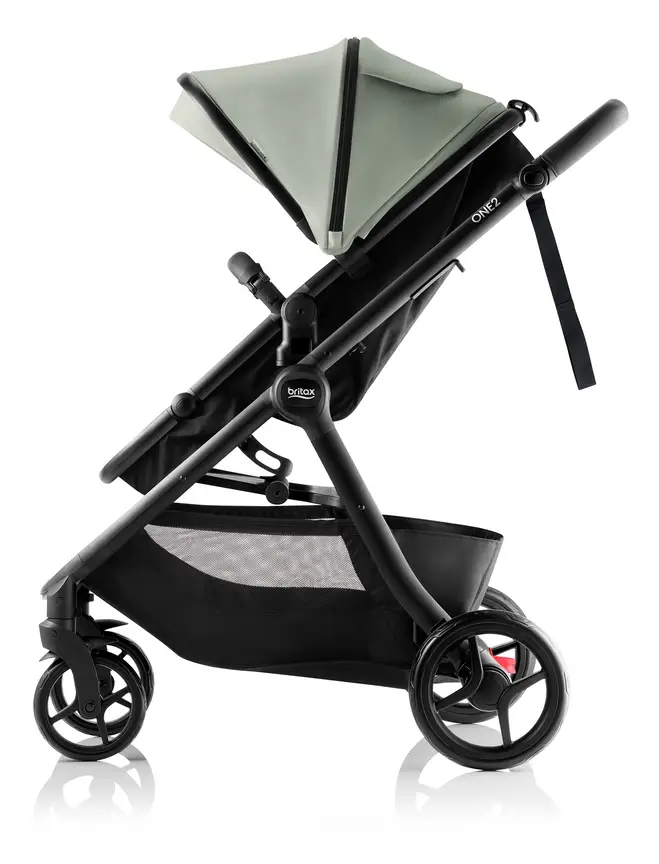
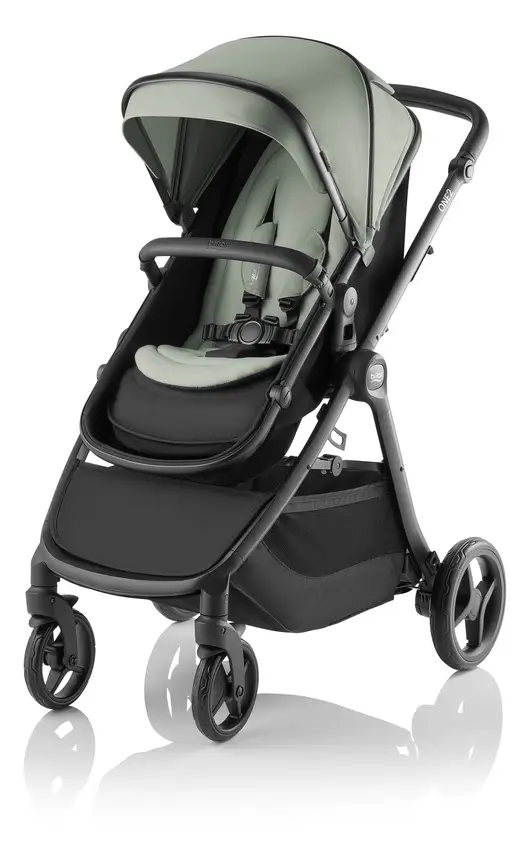


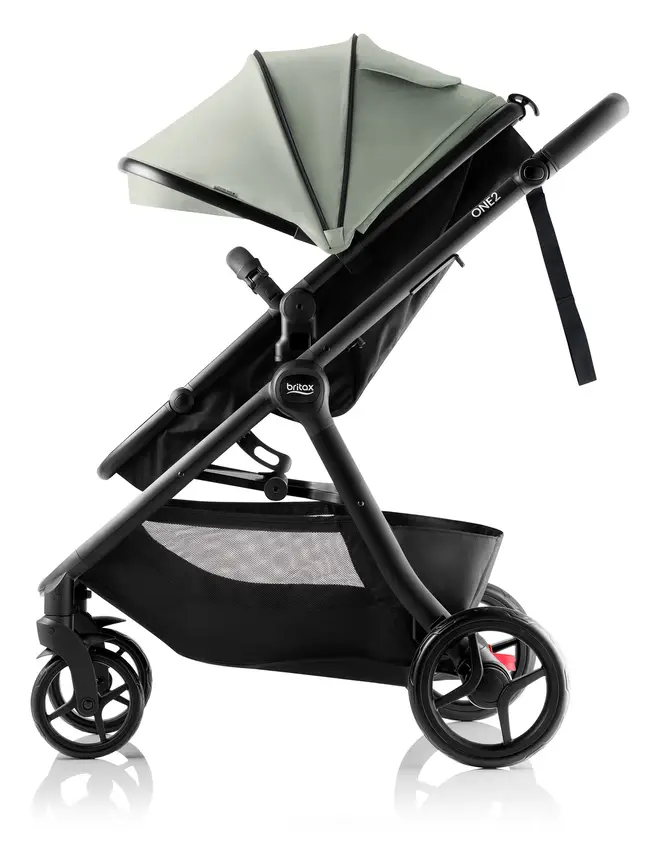


Britax One2
A pram that starts as a single and can take a second child. The seat turns into a lie-flat bassinet.
Read our full review →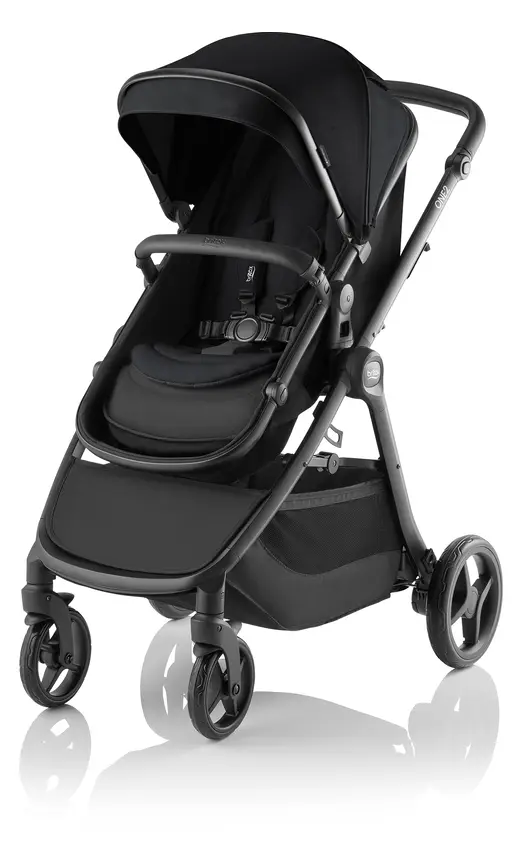
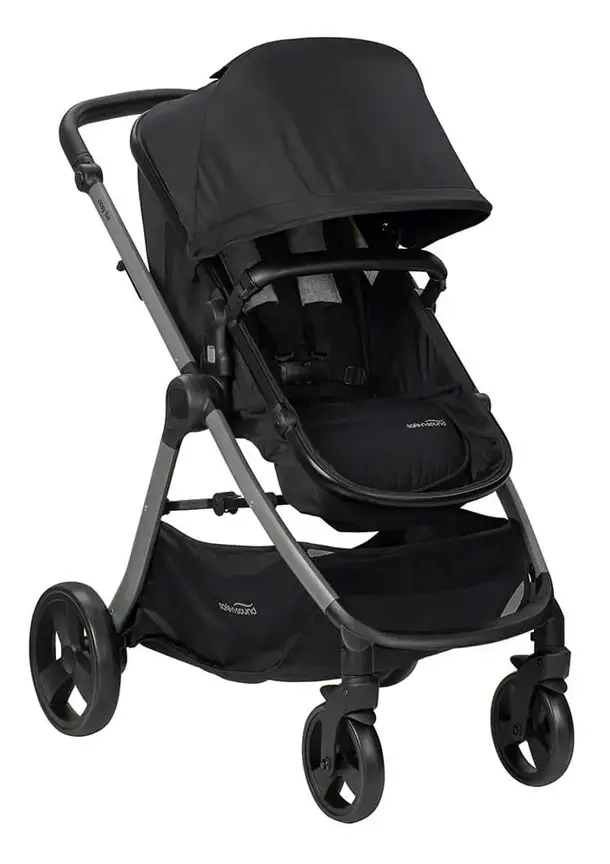

Bugaboo Donkey 5
Converts from single to side-by-side double (siblings or twins) by widening the frame.
Safety standards and country guidance
Rules and labels differ across countries. In Australia, prams and strollers are covered by a mandatory consumer product safety standard. Product Safety Australia explains what buyers should check. Ask the seller for the model's compliance information, and check the product and instructions for warnings.
In the UK, the Office for Product Safety and Standards oversees product safety work. Look for a clear manufacturer or importer, model details and instructions. Check product alerts and recalls. A mark or claim on a listing is not proof that a pram suits your child or route.
In the US, the CPSC provides safety information and recall notices. Check the exact product name and model against current alerts. Follow the maker's instructions about assembly, child size and use.
In Canada, Health Canada's recall and safety alert database helps families check products. Search the model and maker, including second-hand prams. Check that parts and instructions are present.
These bodies are not interchangeable. A product sold in one country may have different labels or versions elsewhere. Buy from a seller who can identify the model and provide instructions for your market. If you cannot confirm what the product is, choose another option.
Buying new or second-hand
A second-hand pram can cost less, but inspect it carefully. Find the model name, date or batch details, and manual. Search the official recall sources for your country. Do not use a pram with a recall that has not been fixed.
Check the frame for cracks, bends, rust or loose joints. Open and close it several times. Check that every lock engages. Inspect wheels, tyres, brakes, harness, buckle, fabric and stitching. Replace damaged parts only with parts approved by the maker.
Make sure the pram has all required parts. Missing straps, adapters or locks can change how it works. Do not rely on a seller's memory about the model's age or past repairs. If the history is unclear, or parts cannot be checked, walk away.
Do not modify the frame, add homemade straps or use unapproved accessories. A small change can affect balance or folding. Ask the maker whether an accessory is compatible with your exact model.
Common mistakes to avoid
- Choosing by the word “lightweight”. Check the real weight and folded size of the full setup.
- Assuming every reclined seat suits a newborn. Use only a setup the maker approves for your baby's age and stage.
- Assuming a pram is a cot. A pram seat or carrycot may not be approved for routine sleep.
- Skipping the harness. Secure your child on every trip, even for a short walk.
- Hanging heavy bags on the handle. Extra weight can affect balance and cause tipping.
- Covering the canopy with a blanket. This can trap heat and reduce airflow.
- Ignoring measurements. Check doors, lifts, storage spaces and transport access before buying.
- Using an unknown second-hand model. Find the manual, check recalls and inspect every safety part.
- Rushing the first fold. Practise at home, away from your child, until you know the locks.
- Overloading the basket. Follow the maker's limit and keep items clear of the wheels.
A simple checklist before you buy
Take this list to a shop or use it while comparing online. The best choice is the one that meets your child's needs and fits your real routine.
- Is this exact model suitable for my child's age, height and weight?
- Does the manual explain assembly, folding, brakes and harness use?
- Can I lift the full setup safely?
- Will it fit through my doors and in my lift, car and storage space?
- Can I fold and lock it without trapping fingers?
- Do the wheels suit my usual pavements and paths?
- Can I reach the brake and basket easily?
- Does the harness fit my child as the manual shows?
- Are the canopy and rain cover made for this model?
- Can I find the maker, model details and recall information?
- Can I get replacement parts and help if something breaks?
Frequently asked questions
What counts as a lightweight pram?
There is no single everyday meaning. Sellers use the term for different models. Check the pram's stated weight and size, including the seat and parts you need. Try lifting it before buying if possible.
Can a lightweight stroller be used from birth?
Only if the maker says that exact setup suits newborns. Some need a carrycot or another approved attachment. Check the age guidance and manual. A flat recline alone does not prove it is suitable.
Can my baby sleep in a pram?
Do not assume a pram is a safe sleep space. Follow local safe sleep guidance and the maker's instructions. Use a separate sleep space intended for sleep when your baby needs routine sleep.
Are small wheels bad for city streets?
Not always. Small wheels can work on smooth paths and help with storage. Rough paving may feel easier with a different wheel design. Try the pram on a similar surface before deciding.
Can I take a pram on a bus or train?
Rules differ by operator and vehicle. Check before you travel. Keep doors and aisles clear, and follow staff instructions. If you need to fold it, make sure your child is safely out first.
Is a second-hand pram safe?
It may be, if its model and history are clear and all parts work. Check official recall notices, find the manual and inspect the frame, locks, brake and harness. Avoid damaged or modified prams.
How can I stop a pram tipping backwards?
Use the basket within its stated limit. Avoid hanging bags on the handle unless the maker permits it. Keep your child secured and do not leave them unattended.
Should I buy a travel system?
It depends on your trips. Check that the exact car seat, adapter and pram frame are approved to work together. A car seat is for travel in a vehicle, not routine sleep.
How do I know when my child has outgrown the pram?
Check the manual's height, weight and age limits. Stop using it when your child reaches a stated limit or the harness no longer fits as shown. Contact the maker if the instructions are missing.
More options, from budget to premium
Real products from our catalogue. We don't show star ratings or review counts; check the current price, stock and reviews on Amazon before you buy.
 Reviewed
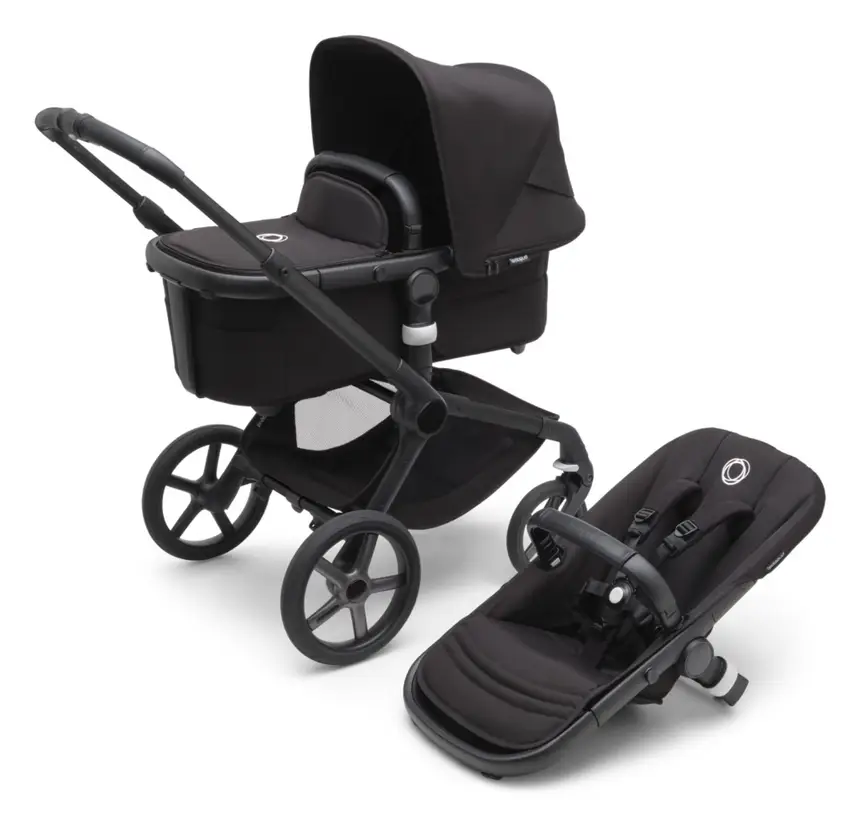
Bugaboo Fox 5
Bugaboo's flagship all-terrain pram: big-wheel suspension ride, one-piece fold, bassinet from birth and a seat rated to 22 kg.
Read our full review →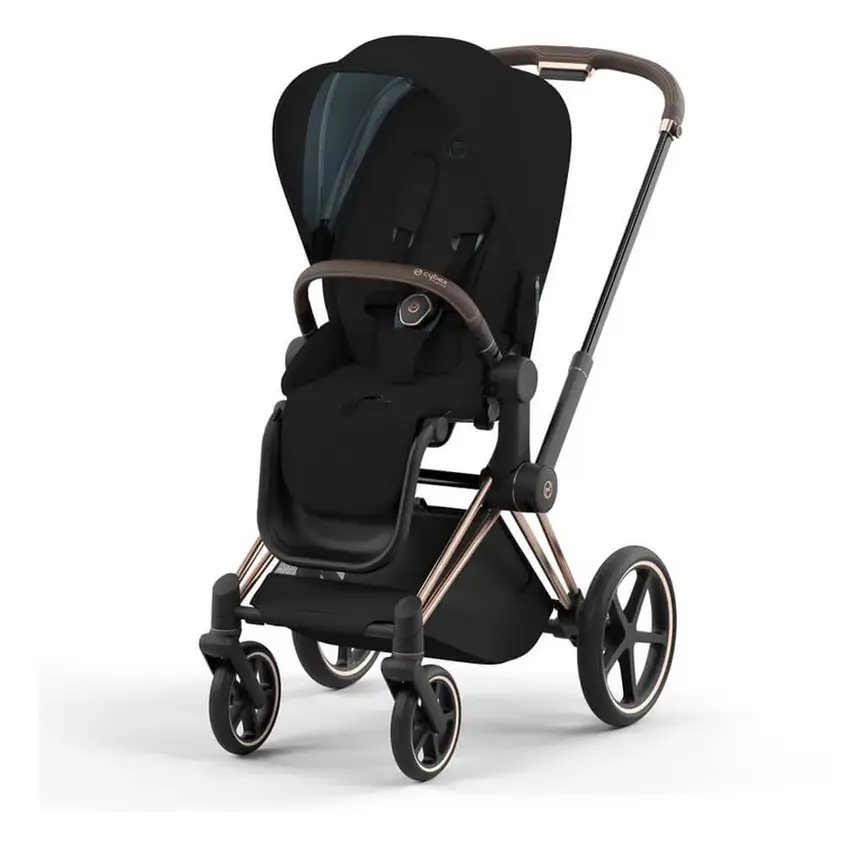
Cybex Priam
Fashion-forward luxury pram with interchangeable seat/bassinet units and an all-terrain option.

Maxi-Cosi Zelia 3
A mid-price pram with a carrycot that changes into a seat, so one frame covers birth to toddler.
Sources and safety checks
- Australia: Product Safety Australia – Prams and strollers mandatory standard
- Australia: Product Safety Australia – Prams and strollers guide
- UK: UK Office for Product Safety and Standards
- US: U.S. CPSC – Safe sleep: cribs and infant products
- Canada: Health Canada – Recalls and safety alerts
This guide gives general information. Follow the instructions for your exact pram and local safety advice. Ask a health professional about your child's needs. BabyGearFinder may earn a commission from qualifying purchases. This does not change the price you pay.
Sources
Related guides
More Prams & Strollers →
How to Choose a Pram for City Life

City vs Suburbs: How to Choose a Stroller That Fits Both
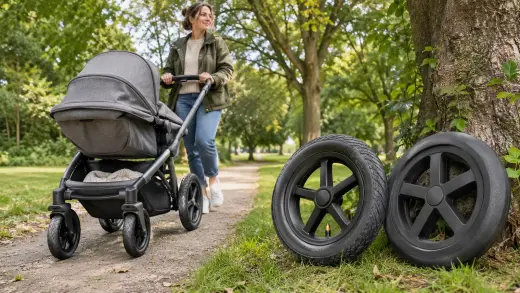
Air-Filled vs Foam-Filled Pram and Stroller Tyres: Comfort, Punctures and How to Choose
