













Multi-Sport Bike Trailers and Cross-Country Ski Strollers: Roll Cages, Hitch Pins, and Safety Flags
How multi-sport bike trailers and ski strollers work: roll cages, hitch pins, safety flags, age limits, and rules in Australia, the UK, the US, and Canada.

On this page
- Key points
- What a multi-sport trailer is and how it works
- Age and neck control: when a child can ride
- Roll-cage frames, hitch pins, and safety flags
- Comparing trailer modes: bike, stroll, jog, and ski
- How to choose the right trailer for your family
- Cross-country ski mode: snow, cold, and slope rules
- Safety standards and rules: Australia, the UK, the US, and Canada
- Pre-ride check: before every trip
- Common mistakes to avoid
- Riding tips for safer family trips
- Frequently asked questions
- Sources
Short answer: A multi-sport bike trailer is a wheeled pod that can carry one or two children behind a bike. With quick swap-out kits, the same frame can turn into a stroller, a jogger, or a cross-country ski sled. Look for a strong aluminium roll-cage frame, a locking hitch pin with a backup strap, a five-point harness, and a tall safety flag. Most health and safety groups say children should be at least 12 months old, able to sit up well, and able to wear a bike helmet before riding behind a bike.
This guide covers safety advice from official bodies in Australia (Product Safety Australia and the ACCC), the UK (Office for Product Safety and Standards and the NHS), the US (Consumer Product Safety Commission and the American Academy of Pediatrics), and Canada (Health Canada and Parachute).
Key points
- Age limit for biking: Wait until your child is at least 12 months old and can hold their head up while wearing a helmet.
- Roll-cage frame: Choose an aluminium frame that surrounds your child on all sides, including above the head.
- Hitch and backup strap: Always lock the hitch pin and clip on the backup safety strap before you ride.
- Visibility flag: A bike trailer sits low to the ground. Use the tall orange or bright flag on every ride.
- Helmet rule: Every child in a bike trailer needs a properly fitted bike helmet, even on short rides.
- Ski mode: Cross-country ski kits are for flat, groomed snow trails only. Never use them on downhill ski slopes.
What a multi-sport trailer is and how it works
A multi-sport trailer starts with one main cabin. Inside, there is a fabric seat, a five-point harness, and a metal frame around the outside. You can buy kits that clip onto the front or back of this cabin to change how you move.
Most multi-sport trailers offer up to four modes:
- Bike trailer mode: A long metal tow arm connects the trailer to the back wheel axle of an adult bike.
- Stroller mode: Two small front wheels clip into the front corners so you can push it on footpaths and in shops.
- Jogging mode: One large front wheel locks straight ahead on two front arms for running on smooth paths.
- Cross-country ski mode: Short skis replace the rear wheels, and padded waist poles connect the trailer to an adult skier.
Not every brand includes all four kits in the box. Many trailers come with the bike arm and stroller wheels, while the jogging wheel and ski kit are sold separately. Check what is in the box before you buy.
Single or double seats
Trailers come in one-child (single) or two-child (double) widths. A single trailer is narrower. It fits more easily through doorways and along tight bike paths. A double trailer holds two children side by side, or one child with extra space for bags.
Never put two children in a single trailer. Each child must have their own seat and their own five-point harness.
Age and neck control: when a child can ride
Babies are not ready for bike trailers at birth. A baby's head is heavy for their body, and their neck muscles are still weak. Bumps from a bike path or road travel straight up through the trailer frame.
The American Academy of Pediatrics (AAP) and Parachute in Canada both advise waiting until a child is at least 12 months old before riding in a bike trailer or bike seat. At this age, most children can sit up on their own. Their neck is strong enough to hold up their head while wearing a bike helmet.
Here is what to check before your child's first bike ride in a trailer:
- Your child is at least 12 months old.
- Your child can sit upright without help for the whole trip.
- Your child can hold their head steady over bumps while wearing a helmet.
- A certified bike helmet fits snugly on their head without tipping forward or back.
What about stroller mode? Some multi-sport trailers allow younger babies in stroller mode if you use an approved infant sling or seat insert made by the trailer brand. Even then, check the manual carefully. Those inserts are for walking on smooth ground only. Never use an infant insert while towing behind a bike, jogging, or skiing.
If your child was born early or has a health condition that affects muscle tone, ask your doctor before using a trailer.
Prams & Strollers worth a look
Real products from our catalogue. We don't show star ratings or review counts; check the current price, stock and reviews on Amazon before you buy.
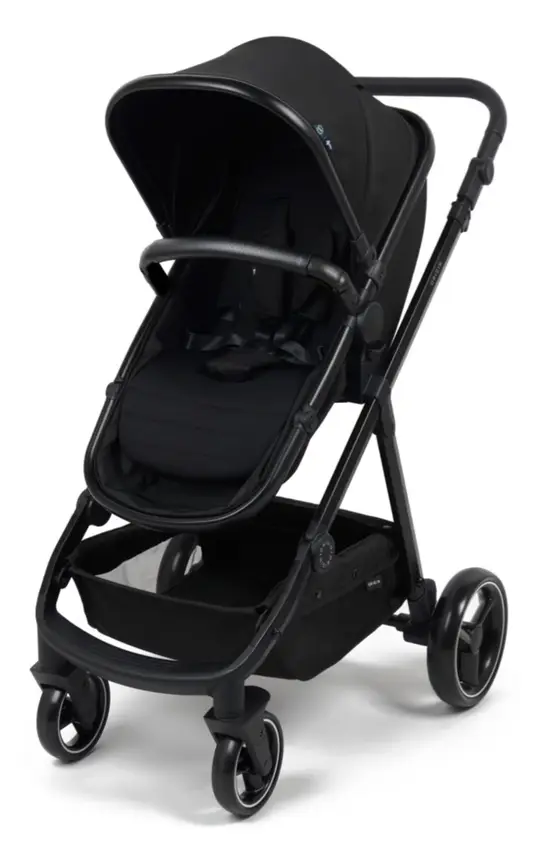
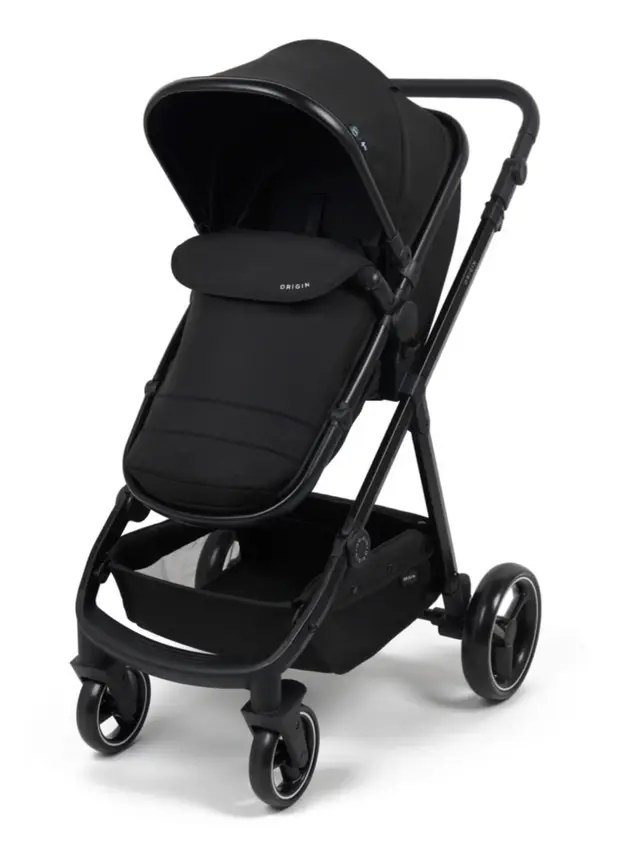
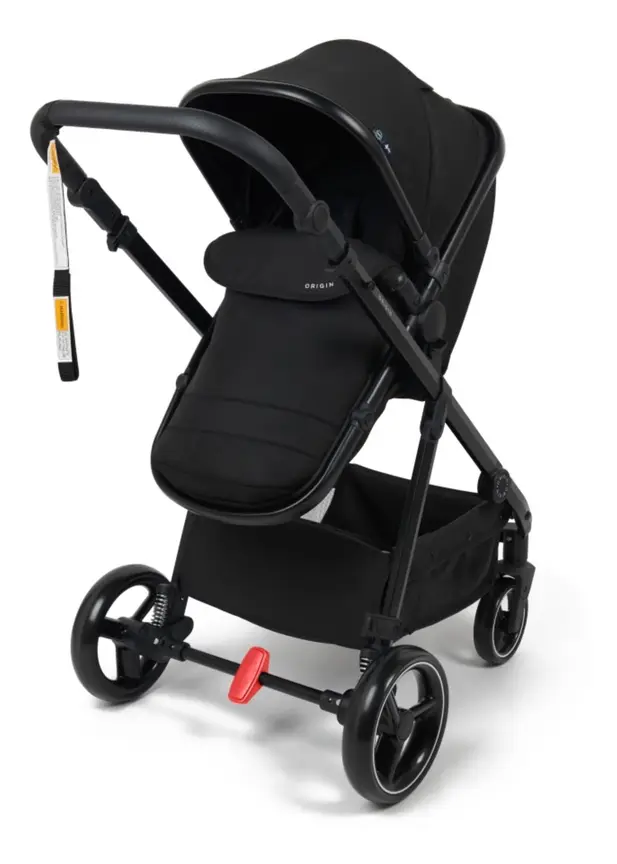
4baby Origin Stroller
A budget pram whose seat turns into a bassinet. The seat can face you or face the world.
Read our full review →
Baby Jogger City Mini GT2
Long-running, lighter all-terrain stroller with a famously simple one-hand strap fold.
 Reviewed
Baby Jogger City Tour 2
A 6.5 kg stroller with a near-flat recline. It folds small and comes with a carry bag.
Read our full review →
Roll-cage frames, hitch pins, and safety flags
A bike trailer does a different job from a normal pram. It moves faster, sits closer to cars, and attaches to another vehicle. Three parts matter most for keeping your child safe.
1. Roll-cage aluminium frames
Good bike trailers use an aluminium tube frame shaped like a cage. Aluminium is light to pull, does not rust easily, and stays strong if the trailer tips over. Look for a frame that wraps over the top of the seat as well as along the sides.
If a trailer tips on a corner, the top roll bar should hit the ground first. It should leave space above your child's helmeted head. Inside the cabin, the seat should be suspended from the frame like a hammock, not resting hard on the floor. A suspended seat softens bumps and helps keep the harness tight.
Check the sides of the cabin too. Covered side panels or wheel guards stop little fingers from poking into the spinning rear spokes.
2. Hitch pins and backup straps
The hitch is the metal joint that links the trailer tow arm to your bike. Most modern trailers use a coupler plate that bolts onto the rear wheel axle of your bike. The tow arm slides into this coupler, and a metal hitch pin locks it in place.
A good hitch pin has a retaining clip or spring lock so road bumps cannot shake it loose. Some trailers use a ball-and-socket hitch that lets the bike lean or fall over without pulling the trailer down with it. That swivel design is helpful if your bike slips on wet leaves or gravel.
Every safe trailer also has a backup safety strap. This is a strong nylon loop attached to the tow arm. You wrap it around the rear frame of your bike and clip it back onto itself. If the main hitch pin ever fails or comes out, the backup strap keeps the trailer attached to your bike long enough for you to stop.
Check that your bike's rear axle works with the trailer hitch. Many newer bikes use thru-axles or hub gears that need a special adapter from the trailer maker. Quick-release axles and solid bolt-on axles also fit differently. Never force a hitch onto an axle that does not match.
3. Visibility flags, reflectors, and lights
A bike trailer sits low to the ground, often below the bonnet height of a car or SUV. Drivers backing out of driveways or turning at corners may not see the trailer behind your bike.
A tall, bright safety flag fixes part of this problem. The flag pole usually slides into a sleeve on the back corner of the trailer and stands about waist-to-shoulder height for an adult. Always fit the flag before every bike ride, even on quiet bike paths.
Flags are not enough on their own in dim light. Look for:
- White reflectors on the front of the trailer.
- Red reflectors on the rear of the trailer.
- Reflective strips along the sides and on the wheel spokes.
- A clip or bracket on the back where you can mount a bright red rear bike light.
Avoid riding in the dark, fog, or heavy rain with children in a trailer. If you must ride near dusk, turn on both front and rear lights on your bike and on the trailer.
Comparing trailer modes: bike, stroll, jog, and ski
Each mode puts different demands on the trailer, the adult, and the child. This table shows how the four modes compare.
| Feature | Bike trailer mode | Stroller mode | Jogging mode | Cross-country ski mode |
|---|---|---|---|---|
| Minimum child age | At least 12 months (strong neck, helmet fit) | Varies by model; check manual for infant insert | Usually 6 to 12 months; check manual | At least 12 months; able to handle cold safely |
| Helmet needed? | Yes, always | No | Usually no, check local advice | Check terrain; useful on icy or bumpy trails |
| Front setup | Long tow arm to bike rear axle | Two small swivel wheels | One large fixed front wheel | Telescoping waist poles to adult harness |
| Rear setup | Two large air-filled wheels | Two large air-filled wheels | Two large air-filled wheels | Two short skis replacing rear wheels |
| Best surface | Smooth paths, quiet streets, hard-pack trails | Footpaths, parks, shops | Paved paths, smooth dirt paths | Flat, groomed cross-country ski tracks |
| Key safety feature | Hitch pin, backup strap, flag, brakes on bike | Wrist tether strap and parking brake | Wrist tether strap and hand brake | Waist belt release and warm layered clothing |
How to choose the right trailer for your family
Multi-sport trailers take up more space and cost more than a basic stroller. Before you choose one, think about where you will store it, how you will move it, and where you will go.
Weight and total load limit
Check two weight limits on the label: the maximum weight per child, and the total load limit including cargo. Remember that pulling a loaded trailer up a hill feels much heavier than riding a bike alone. A lighter aluminium frame makes hills easier to climb.
Also check the maximum standing or seated head height inside the cabin. Taller toddlers can outgrow a low roof before they reach the weight limit, especially while wearing a helmet.
Suspension and tyres
Most trailers have air-filled (pneumatic) tyres on the rear wheels. Air tyres soak up small bumps better than hard plastic wheels. Check the sidewalls of the tyres for the right air pressure, and pack a small bike pump and spare tube on long trips.
Some trailers also add leaf-spring or coil suspension near the rear axle. Adjustable suspension helps if you switch between one child and two children, or between smooth paths and gravel tracks.
Brakes and tether straps
Every trailer needs a strong parking brake that locks both rear wheels before you load or unload your child. If you plan to jog, look for a hand-operated brake on the push bar so you can slow down on gentle slopes. Always loop the wrist tether strap around your wrist when pushing in stroller or jogging mode.
Weather covers, mesh, and airflow
Good trailers have two front layers: a fine mesh screen and a clear rain cover. The mesh screen keeps out bugs and small stones flicked up by your bike's rear tyre. Keep the mesh zipped closed whenever you ride behind a bike.
Only zip down the clear plastic rain cover when it is raining, snowing, or very cold and windy. In warm or sunny weather, a closed plastic cover traps heat fast. That can make a child overheat. Look for side vents or rear mesh panels that let fresh air move through the cabin.
Folding and storage
Most multi-sport trailers fold flat once you take off the rear wheels using push-button axles. Measure your car boot and your hallway or shed before you buy. Double trailers are wide even when folded flat.
Cross-country ski mode: snow, cold, and slope rules
A cross-country ski kit turns your trailer into a smooth pulk sled. You take off the rear wheels, snap short ski blades onto the axle mounts, and clip two poles from the front of the trailer to a padded belt around your waist.
Ski mode works best on flat or gently rolling groomed cross-country trails. It is not built for steep hills, backcountry powder, or busy downhill ski runs. Turning or stopping quickly on steep ice is hard when pulling a sled behind your hips.
Keeping your child warm and safe in snow
A child sitting still in a trailer gets cold much faster than an adult who is skiing hard. At the same time, bulky snowsuits can stop harness straps from sitting tightly on a child's shoulders and hips.
Follow these simple steps for cold-weather trips:
- Dress in slim, warm layers: Use thermal base layers and fleece so the five-point harness still pulls snug against the body.
- Put blankets over the harness: Buckle the harness first, then tuck a warm sleeping bag or blanket around your child on the outside of the straps.
- Protect hands, feet, and head: Use warm socks, mittens, and a snug beanie that covers the ears.
- Watch for wind and frostbite: Use the clear wind cover in cold wind, and stop often to check your child's cheeks, nose, fingers, and toes.
- Protect eyes from snow glare: Snow bounces sunlight into a child's eyes. Use shaded side windows or children's sunglasses that meet a recognised sun safety standard such as AS/NZS 1067, AS/NZS 1067.1, or ISO 12312.
Keep ski outings short when the weather is freezing. A child who cannot move around easily will cool down quickly.
Side by side: more prams & strollers to compare
Real products from our catalogue. We don't show star ratings or review counts; check the current price, stock and reviews on Amazon before you buy.
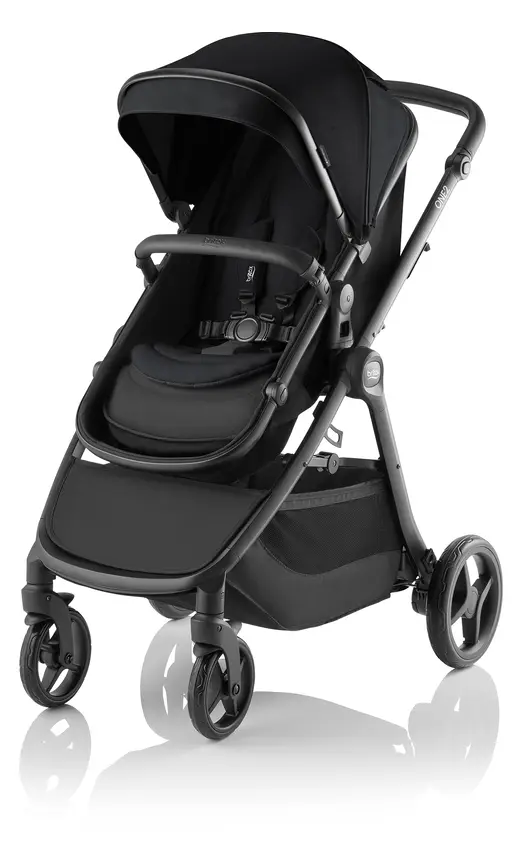
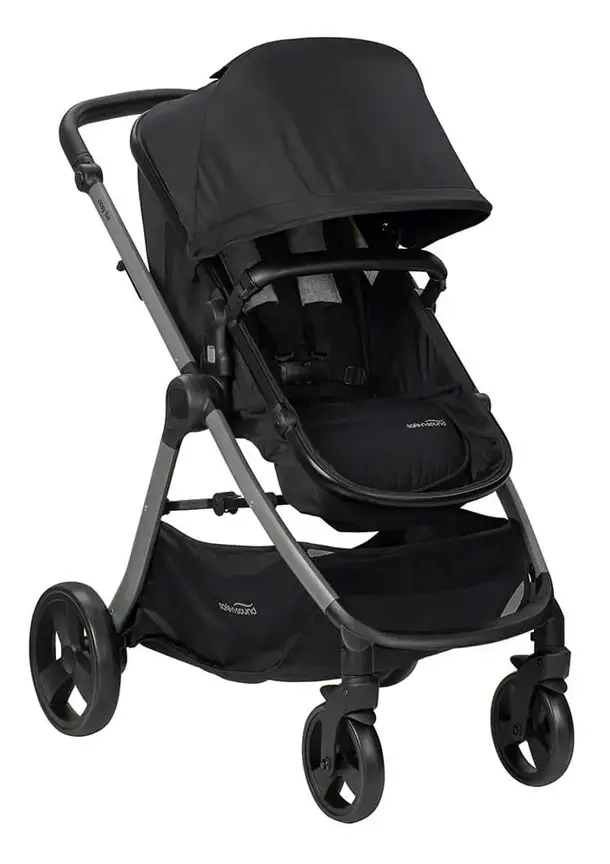

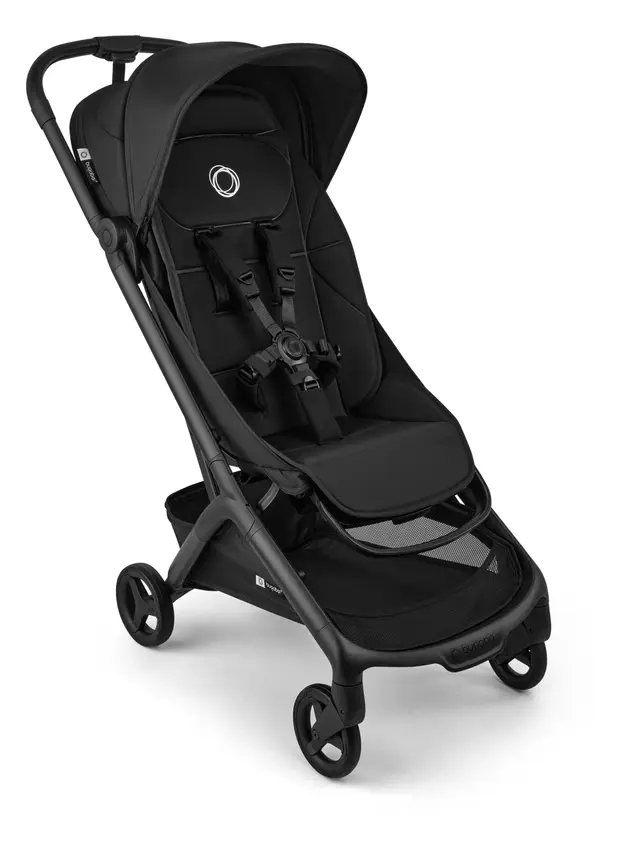


Bugaboo Butterfly
Bugaboo's cabin-friendly compact stroller with a one-second fold — the travel partner to a Fox, not a replacement for it.
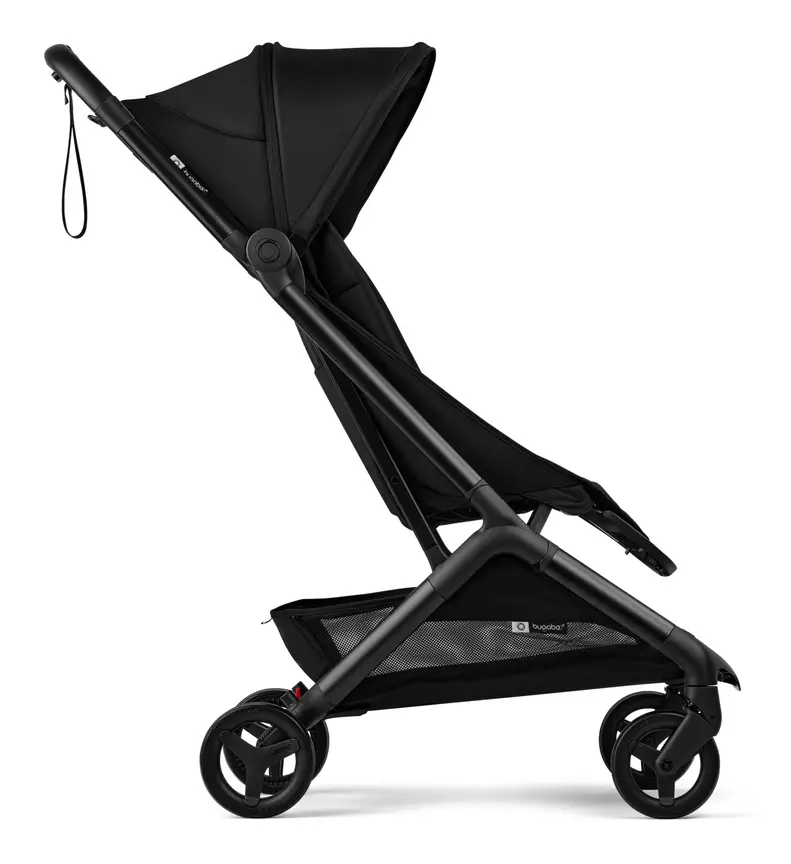
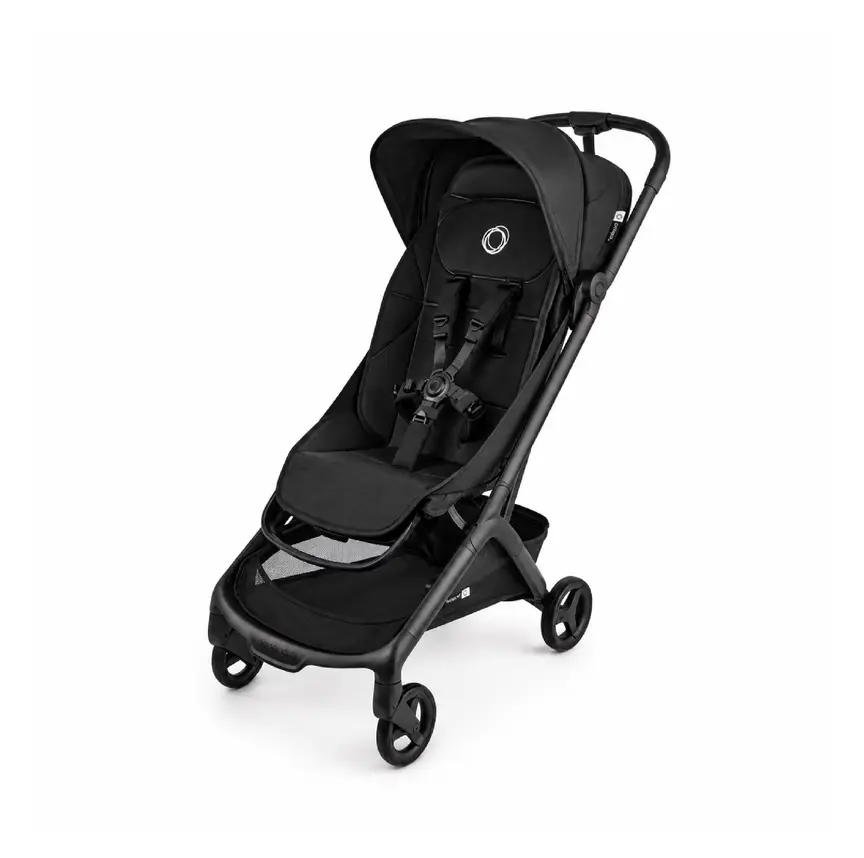
Bugaboo Butterfly 2
The newer Butterfly. It folds in about one second, has a lay-flat seat and a bigger basket with a back pocket.
Read our full review →Safety standards and rules: Australia, the UK, the US, and Canada
Bike trailers sit in a grey area in some countries because they are both a bike attachment and, when converted, a stroller. Knowing which bodies set the rules in your country helps you buy safe gear and follow local road laws.
| Country | Main safety bodies | Stroller / pram standard | Helmet standard | Bike trailer notes |
|---|---|---|---|---|
| Australia | ACCC (Product Safety Australia), Standards Australia, state road authorities | AS/NZS 2088 (mandatory for prams and strollers) | AS/NZS 2063 (mandatory for bike helmets) | Check state road rules for minimum age and road use; helmets are mandatory on bikes and in trailers in most states. |
| United Kingdom | Office for Product Safety and Standards (OPSS), NHS, RoSPA | BS EN 1888 (for wheeled child conveyances) | EN 1078 (common UK/EU helmet standard) | No single national minimum age law for trailers, but road rules apply and safe neck control is key. |
| United States | Consumer Product Safety Commission (CPSC), American Academy of Pediatrics (AAP) | ASTM F833 (mandatory federal stroller standard) | CPSC federal bike helmet standard | AAP advises waiting until at least 12 months; many states require helmets by law for young riders and passengers. |
| Canada | Health Canada, Parachute, provincial transport bodies | Canadian carriage and stroller regulations | Certified bike helmet meeting recognised safety standards | Parachute advises at least 12 months; check provincial laws on helmets and where bike trailers can ride. |
In Australia, any trailer sold as a stroller or pram must meet the mandatory pram and stroller standard, AS/NZS 2088. That covers brakes, harness strength, stability, and frame locks. For helmets, Australia requires AS/NZS 2063. Check your state or territory road rules, because rules on child age and bike paths vary across states.
In the UK, the Office for Product Safety and Standards oversees product safety, and strollers commonly follow BS EN 1888. Look for trailers tested to recognised European bicycle trailer safety requirements as well, along with EN 1078 helmets.
In the US, strollers must meet ASTM F833, and bike helmets must meet the CPSC federal bicycle helmet standard. Many manufacturers also test bike trailers to voluntary US bike trailer standards covering frame strength, roll-over protection, and hitch locks.
In Canada, Health Canada sets safety rules for carriages and strollers and runs product recall alerts. Parachute, Canada's national injury prevention charity, recommends waiting until 12 months of age, using a certified helmet, and checking your province's traffic laws before towing a trailer.
Before buying any used or new trailer, search the recall database in your country: Product Safety Australia recalls, UK OPSS product recalls, US CPSC recalls, or Health Canada recalls and safety alerts.
Pre-ride check: before every trip
A two-minute check before you set off prevents most trailer accidents. Do these checks every time you clip your child in:
- Check the tyres: Squeeze the rear tyres to make sure they are firm and have no cracks or flat spots.
- Check the wheel locks: Tug firmly on both rear wheels to confirm the push-button axles are clicked all the way in.
- Lock the hitch pin: Slide the tow arm into the bike coupler, push the hitch pin through, and close its locking clip.
- Attach the backup strap: Wrap the nylon backup strap around your bike's rear frame and clip it shut.
- Put on the flag: Slide the safety flag pole into its rear pocket so it stands tall and clear.
- Set the parking brake: Lock the trailer brake before loading your child so the trailer cannot roll away.
- Buckle the five-point harness: Sit your child upright, tighten the shoulder and waist straps, and check that only one or two fingers fit under the straps.
- Fit the helmet: Place the bike helmet level on your child's head, low over the forehead, with the chin strap snug.
- Zip the mesh screen: Close the bug and rock mesh screen over the front before you start pedalling.
- Release the brake and test: Unlock the parking brake, roll forward slowly, and test your bike brakes before joining any path.
Common mistakes to avoid
Even careful parents can miss small details when using a bike trailer for the first time. Watch out for these common mistakes:
- Biking with a baby under 12 months: A soft neck and a heavy helmet are a risky mix over bumps. Use stroller mode on flat paths until your child is ready.
- Forgetting the backup strap: A hitch pin can wear out or be closed halfway. The backup strap takes five seconds to clip and stops the trailer from breaking free.
- Skipping the helmet inside the cage: A roll cage helps in a tip-over, but a child's head can still hit the side tubes or bars. A helmet protects the skull inside the cabin.
- Riding without the safety flag: Cars cannot see low trailers easily, especially near parked cars and driveways.
- Leaving the rain cover down on sunny days: Clear plastic covers act like a greenhouse. Use the mesh screen in warm weather and carry water for your child.
- Overloading the rear cargo pocket: Heavy bags in the back can tip the trailer backwards when it is unhooked from the bike, or overload the hitch.
- Riding too fast around corners: A loaded trailer pushes your bike forward when you brake and can tip if you turn sharply. Slow down early for corners and kerbs.
- Using an e-bike without checking limits: E-bikes go faster and weigh more. Check both your e-bike manual and your trailer manual to see if towing is allowed and what top speed is safe.
Riding tips for safer family trips
Pulling a trailer changes how your bike handles. Practice with an empty trailer in a quiet park before you put your child inside.
Give yourself extra stopping distance, especially on wet paths or downhill slopes. Make sure your bike has strong, well-tuned brakes. Keep your speed steady and avoid sharp turns or hopping over kerbs.
On shared paths, remember your trailer is wider than your handlebars. Leave extra room when passing bollards, fence posts, and other riders. Look back often, or fit a handlebar mirror so you can keep an eye on your trailer without swerving.
Take regular breaks so your child can stretch, drink water, and have a snack. Never leave a child unattended inside a parked trailer, especially in warm weather.
More options, from budget to premium
Real products from our catalogue. We don't show star ratings or review counts; check the current price, stock and reviews on Amazon before you buy.
 Reviewed
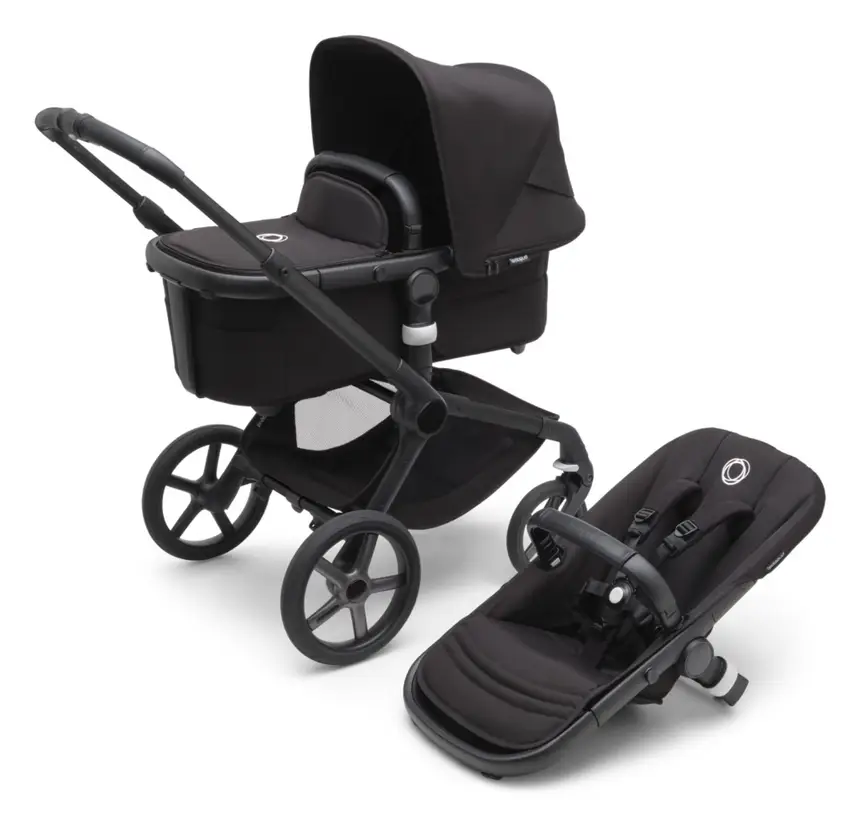
Bugaboo Fox 5
Bugaboo's flagship all-terrain pram: big-wheel suspension ride, one-piece fold, bassinet from birth and a seat rated to 22 kg.
Read our full review →

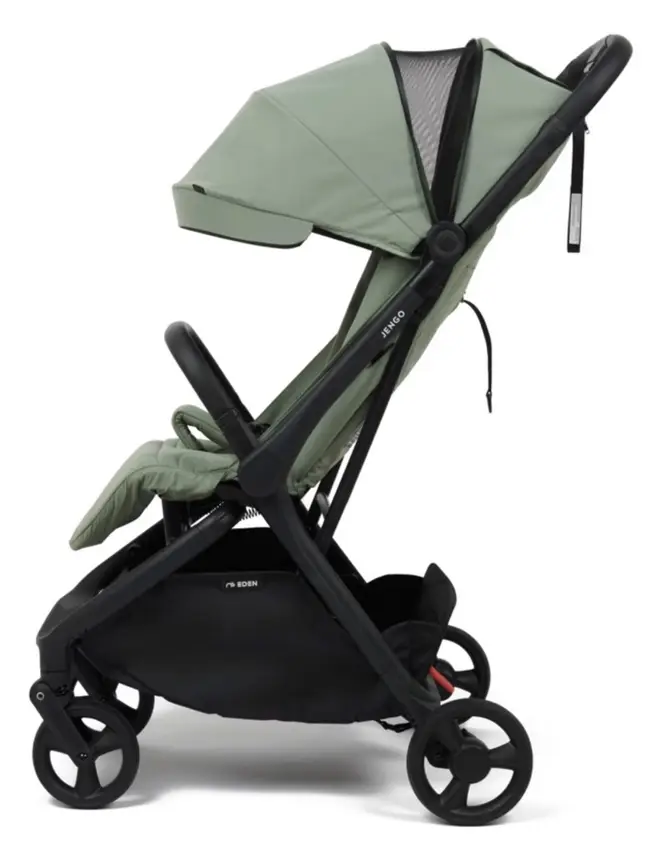
Jengo Eden Compact Stroller
A budget compact stroller from birth to 22 kg. It folds with one hand and has a big basket.
Read our full review →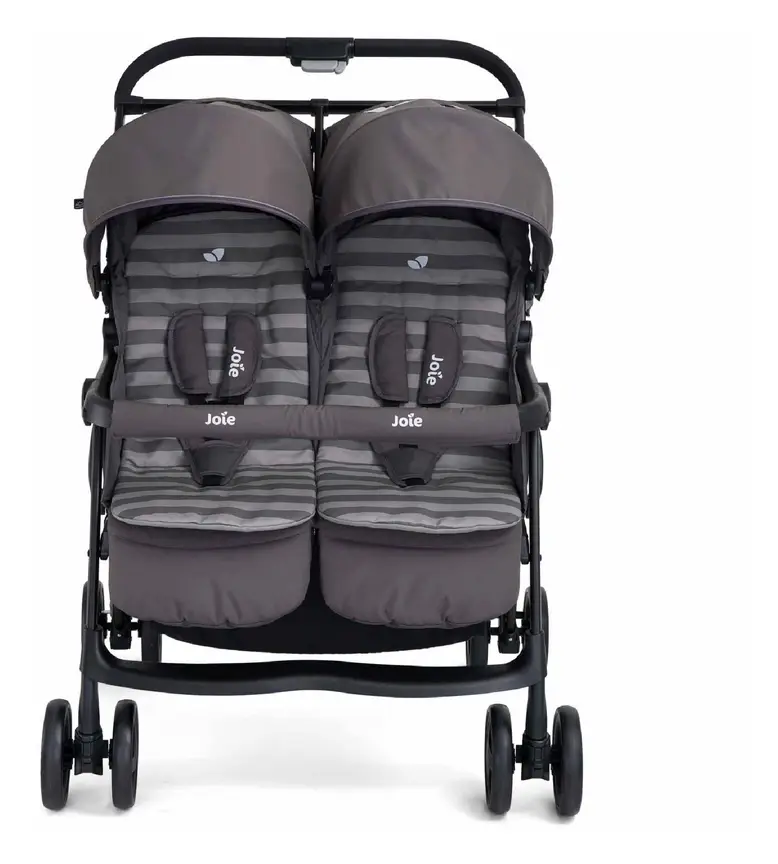
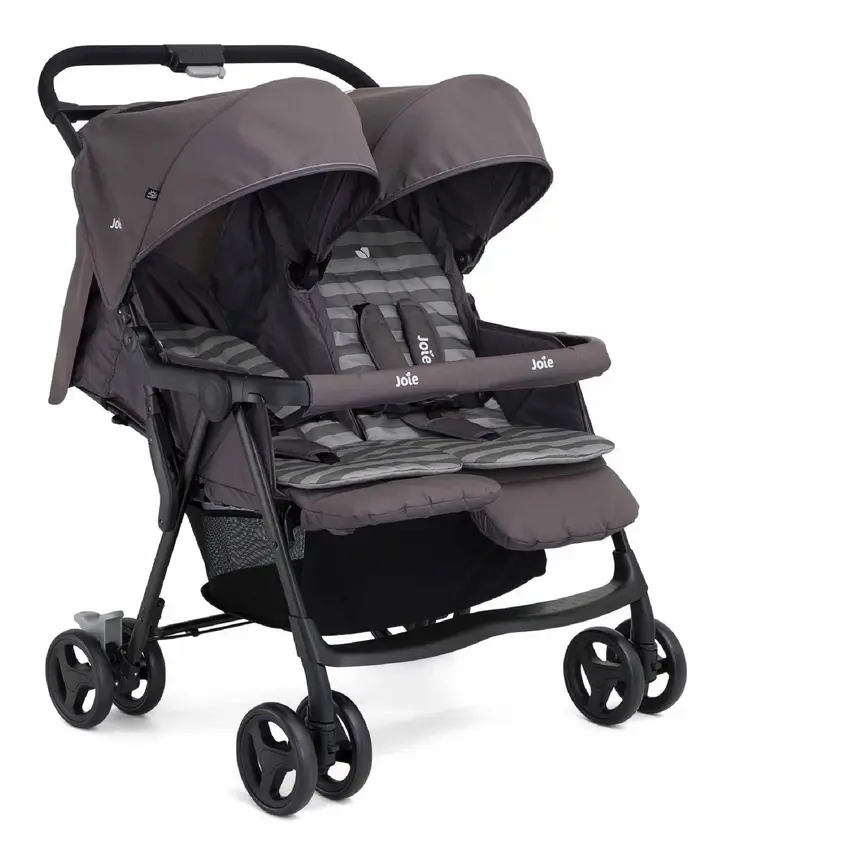

Joie Aire Twin
A lower-cost side-by-side double. Each seat lies flat and reclines on its own.
Read our full review →Frequently asked questions
At what age can a baby ride in a bike trailer?
Most child health and safety groups, including the American Academy of Pediatrics and Parachute in Canada, say to wait until your child is at least 12 months old. Your child must be able to sit up well on their own and hold their head steady while wearing a bike helmet. You can often use the same trailer in stroller mode earlier if the brand sells an approved infant sling for walking only.
Does my child need a helmet inside a roll-cage bike trailer?
Yes. Even though an aluminium roll cage protects the outside of the cabin, your child's head can still knock against the frame tubes during a bump or a tip-over. In Australia, helmets meeting AS/NZS 2063 are legally required in most states for children in bike trailers. In the UK, the US, and Canada, safety experts strongly advise a certified bike helmet on every ride, and many local laws require one.
Can I use a multi-sport bike trailer with an electric bike?
Sometimes, yes, but you must check both manuals first. E-bikes can reach higher speeds and put more strain on the hitch and frame. Many trailer makers set a maximum towing speed and warn against riding faster than normal pedal speeds. Check whether your e-bike's rear axle needs a special hitch adapter, especially if the motor is in the rear wheel hub.
Are cross-country ski strollers safe on ski lifts or downhill runs?
No. Cross-country ski attachments are made only for flat or gently rolling groomed trails. They do not have edges or brakes built for steep slopes, and they must never be taken on chairlifts or downhill ski runs. Keep outings short in freezing weather and check your child often for cold fingers, toes, or cheeks.
Can a newborn sleep in a bike trailer while it is parked or used as a stroller?
No. Bike trailer seats sit upright or slightly reclined, which can let a newborn's heavy head slump forward and block their airway. Health groups such as Red Nose, the Lullaby Trust, and the AAP say babies should sleep flat on their back on a firm, clear surface. If your child falls asleep during a walk or ride, watch their breathing and move them to a flat cot or bassinet once you stop.
How do I know if a used bike trailer is still safe?
First, check the brand and model against government recall lists in Australia, the UK, the US, or Canada. Then inspect the aluminium frame for cracks or bends, and test every folding latch and parking brake. Check the fabric seat, five-point harness, hitch pin, and backup strap for fraying, rust, or missing parts. If the hitch or harness is worn out, replace those parts directly through the maker before using it.
Sources
- Product Safety Australia – Prams and strollers guide
- Product Safety Australia – Bicycle helmets mandatory standard
- Parachute (Canada) – Child carriers and trailers
- Parachute (Canada) – Helmets for bicycles, scooters and skateboarding
- AAP HealthyChildren.org – How to protect child passengers on adult bikes
- U.S. CPSC – Safety standard for bike helmets
- UK Office for Product Safety and Standards
- NHS – Baby and toddler safety
Related guides
More Prams & Strollers →
Jogging Strollers and Running Prams: Handbrakes, Swivel Locks and Safety Rules
Bassinet Strollers for Newborns: Benefits, Safety Rules, and When to Switch

Triple and Quad Strollers and Stroller Wagons: Stadium Seats, Harnesses and Kerbs
