Umbrella Strollers vs Tri-Fold Buggies: How to Choose for a Toddler
Compare umbrella strollers and tri-fold buggies for toddler outings. Check fit, folding, storage, comfort and safety guidance across four countries.
On this page
- What are umbrella strollers and tri-fold buggies?
- Start with your toddler and your daily routes
- Side-by-side comparison
- Folded size, weight, and carrying
- Seat fit and comfort as your child grows
- Safety checks before each outing
- Standards, recalls, and official advice across four countries
- Sun, heat, rain, and weather
- Storage, cleaning, and upkeep
- Common buying mistakes
- How to test a stroller in a shop
- Which style may suit your routine?
- Frequently asked questions
- Sources and official guidance
- Sources
Short answer: An umbrella stroller usually folds long and narrow. A tri-fold buggy folds into a shorter, more compact shape. Either style may suit a toddler. The best choice depends on where you walk, how you travel, and how you carry the folded stroller.
Names vary between brands. Some strollers called compact fold in more than three parts. Some umbrella strollers fold into a surprisingly small package. Check the actual folded size and weight. Do not choose by the label alone.
For safety, check the stroller's instructions, age and weight limits, harness, brakes, locks, and condition. In Australia, check guidance from Product Safety Australia and the ACCC. In the UK, check the Office for Product Safety and Standards. In the US, check the Consumer Product Safety Commission. In Canada, check Health Canada and its recalls and safety alerts.
What are umbrella strollers and tri-fold buggies?
An umbrella stroller often has long handles and a narrow frame. When folded, its sides draw together. The shape can look like a closed umbrella. Many models suit short trips and older babies or toddlers who can sit well.
A tri-fold buggy folds in several directions. The seat and frame usually become shorter and more compact. Some can stand when folded. Some have a carry strap or a storage sleeve. These details differ by model.
Neither name guarantees a certain size, weight, recline, or safety feature. Product descriptions can use terms loosely. Look at the product in person if you can. Open it, fold it, and check the measurements.
Why parents compare these styles
Parents often want a stroller that takes less space in a car boot, cupboard, or hallway. They may also need to lift it onto public transport or carry it through an airport. A compact fold can help, but it may involve trade-offs.
A very light frame may feel easier to carry. It can also feel less steady on rough ground. A small fold may leave less room for a basket or a large seat. Check the whole stroller, not one feature in isolation.
Start with your toddler and your daily routes
Think about who will use the stroller most. Consider your child's age, size, balance, and patience for sitting. Check the model's age and weight limits. Follow the manual if your toddler is near a limit.
Write down your usual routes. A smooth shopping centre floor is different from cracked paving, gravel, grass, or steep paths. Small wheels can be harder to push over bumps. A short wheelbase may turn quickly, but can feel less smooth on rough ground.
Think about stairs, lifts, buses, trains, and car travel. Can you fold the stroller while holding a bag? Can you lift it safely? Is there room to park it at home? Does it fit your car with the other things you carry?
- Mostly smooth paths: smaller wheels may be enough for regular errands.
- Uneven paths: test steering and wheel comfort on a surface like your usual route.
- Public transport: check how quickly it folds and whether it stays shut when carried.
- Car trips: compare the folded dimensions with your boot opening and storage space.
- Long outings: check seat support, shade, basket access, and your child's comfort.
Side-by-side comparison
| Feature | Umbrella stroller | Tri-fold buggy | What to check |
|---|---|---|---|
| Folded shape | Often long and narrow | Often shorter and more compact | Measure length, width, and height when folded. |
| Carrying | May have a shoulder strap, but not always | May include a strap or carry sleeve | Lift it yourself. Check grip, balance, and weight. |
| Folding steps | Can be simple, but varies by model | May need several steps or a release catch | Practise folding and opening before buying. |
| Storage basket | Can be small or hard to reach | Can be limited by the compact frame | Check basket size and access with the seat reclined. |
| Seat and recline | Often suited to a sitting toddler | Varies; some offer more recline | Check the allowed age and recline positions. |
| Wheels and ride | Small wheels are common | Small wheels are also common | Push it over the ground you use most. |
| Overhead shade | May have a small canopy | Canopy size varies | Check shade at different times of day. |
| Best fit | Short errands and a narrow folded shape | Travel or storage where a shorter fold helps | Choose for your own routine, not the name. |
This comparison describes common designs, not every product. A model can differ from these patterns. Check the exact item and its manual.
Prams & Strollers worth a look
Real products from our catalogue. We don't show star ratings or review counts; check the current price, stock and reviews on Amazon before you buy.

Baby Jogger City Mini GT2
Long-running, lighter all-terrain stroller with a famously simple one-hand strap fold.
 Reviewed
Baby Jogger City Tour 2
A 6.5 kg stroller with a near-flat recline. It folds small and comes with a carry bag.
Read our full review →
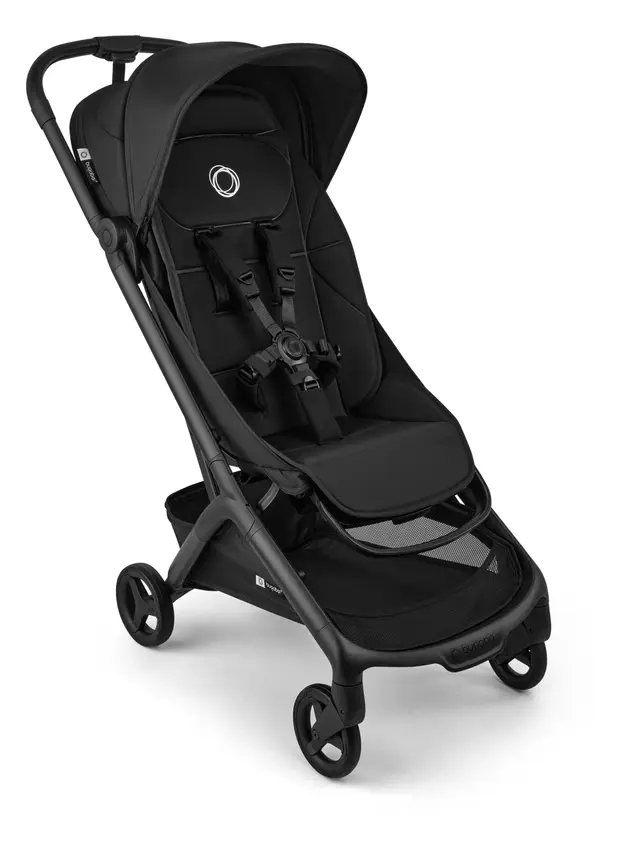
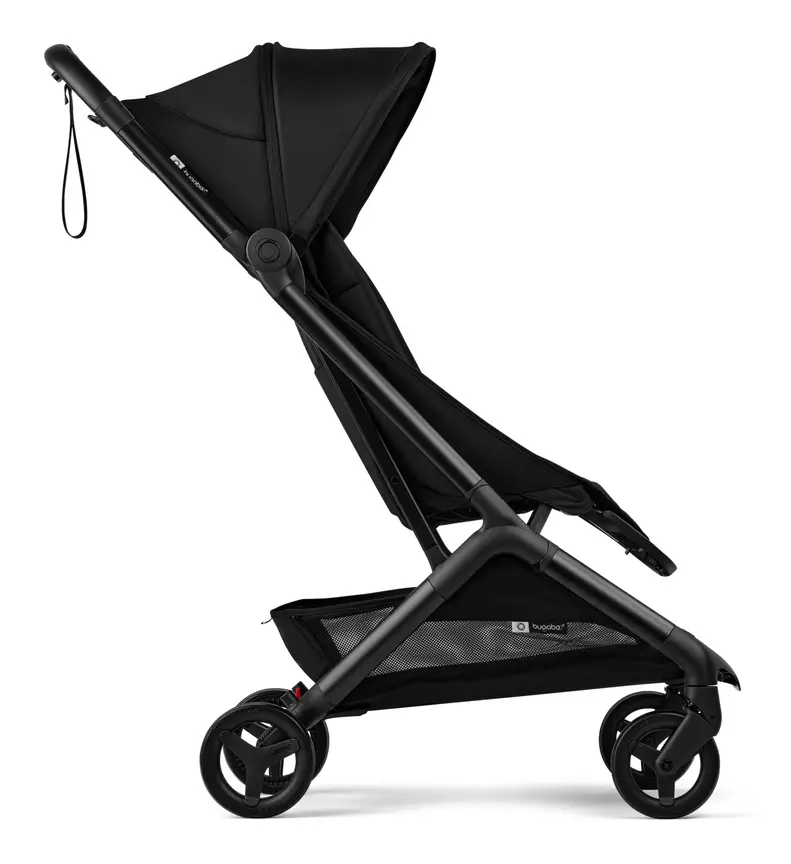


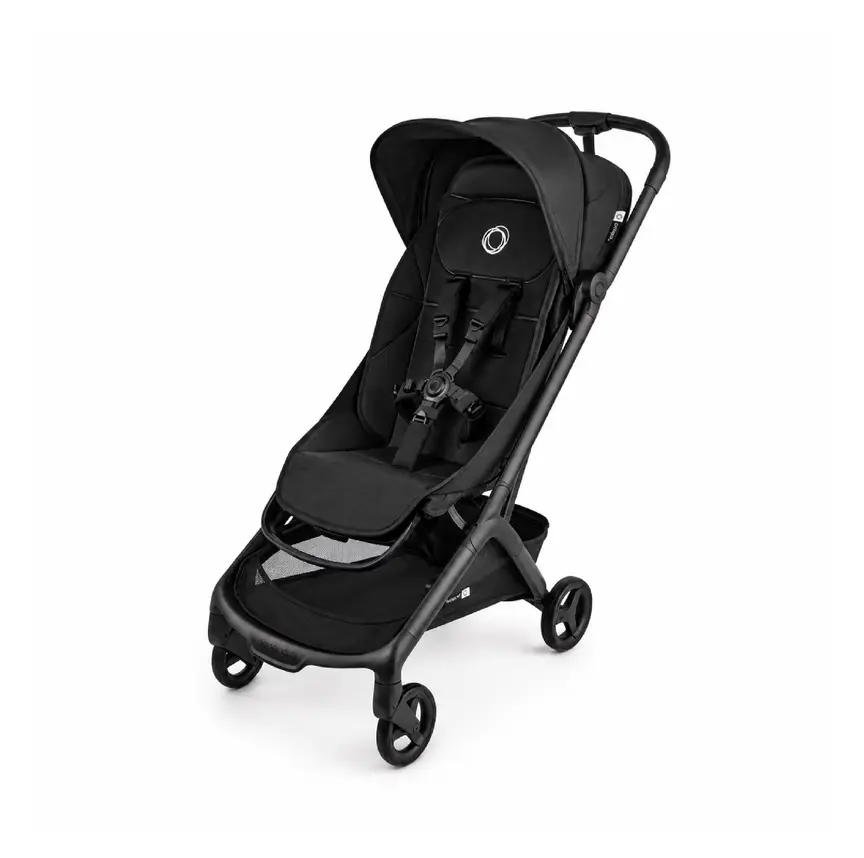
Bugaboo Butterfly
Bugaboo's cabin-friendly compact stroller with a one-second fold — the travel partner to a Fox, not a replacement for it.
Bugaboo Butterfly 2
The newer Butterfly. It folds in about one second, has a lay-flat seat and a bigger basket with a back pocket.
Read our full review →Folded size, weight, and carrying
Folded size matters only if it fits the place where you will store it. Measure the car boot opening, not just the space inside. A stroller may fit in the boot but fail to pass through the opening.
Check the folded stroller's weight. A small fold can still be heavy. If you carry it up stairs, test lifting it at waist height and near floor level. Check whether the folded frame stays locked while you walk.
Try the folding steps several times. A release may be hard to reach with one hand. A seat may need to face a certain way. A basket or canopy may need to be empty first. Ask someone to show you how to open it again.
Never let a child stand beside a folding frame during practice. Hinges and bars can trap fingers. Keep your toddler close and explain that the stroller is not a toy.
Seat fit and comfort as your child grows
Your toddler should sit within the limits set by the maker. Check the harness height, seat width, foot support, and space above the head. A child who is cramped may resist sitting. A child who can climb out needs close attention.
A harness should fit snugly over clothing. It should not twist. Check how it adjusts and whether your child can undo its buckle. Use the harness every trip, even for a short walk.
Check the seat back and recline. Some compact strollers have an upright seat only. Others recline for rest. A recline does not make a stroller a safe sleep space. If your child falls asleep, keep watch and follow the maker's guidance. Move a sleeping child to a suitable flat sleep space when practical.
Test the footrest. A dangling position may be uncomfortable on a long outing. Check whether the child's legs rest naturally. Make sure the footrest cannot be mistaken for a step by a climbing toddler.
Age stages and changing needs
| Stage | What may matter | What to check |
|---|---|---|
| Young baby | Head and body support, suitable recline, and close supervision | Use only if the manual allows this age and position. |
| Older baby learning to sit | Harness fit and stable support | Check the instructions for the child's development stage. |
| New toddler | Room to sit, secure harness, and easy access | Check limits and whether the child can climb out. |
| Older toddler | Leg room, footrest, and willingness to walk or ride | Review the weight limit and condition as use changes. |
These are broad stages, not age guarantees. Children develop at different speeds. The stroller manual gives the limits for that model.
Safety checks before each outing
Check the frame before your child gets in. Make sure it is fully open and locked. Look for loose screws, cracks, bent parts, or a wheel that wobbles. Do not use a damaged stroller until it has been repaired as directed.
- Check that the folding lock is engaged.
- Test the brakes before placing your child in the seat.
- Use the full harness as the manual shows.
- Keep hands and fingers away from hinges while folding.
- Keep bags off the handles unless the maker allows them.
- Do not hang heavy shopping from the handle.
- Keep your child seated while the stroller is moving.
- Stay close near roads, steps, slopes, and water.
A heavy bag on the handles can make a stroller tip backwards. Put items in the basket only within its stated limit. Keep the load balanced and low.
Use the brakes whenever you stop. Do this even on a flat surface. Hold the stroller when near a slope. A brake can fail if a wheel is damaged or if the ground is uneven.
Standards, recalls, and official advice across four countries
Rules differ between countries. A stroller sold in one country may not meet another country's requirements. Check the label, instructions, seller, and local advice where you live. Do not assume a foreign safety mark replaces local requirements.
| Country | Official bodies to check | Practical step |
|---|---|---|
| Australia | Product Safety Australia and the Australian Competition and Consumer Commission (ACCC) | Read the prams and strollers guide. Search current recalls. |
| United Kingdom | Office for Product Safety and Standards (OPSS) | Check product safety notices and the seller's information. |
| United States | Consumer Product Safety Commission (CPSC) | Search recalls and use the product according to its instructions. |
| Canada | Health Canada | Check recalls and safety alerts for the product. |
Australia has a mandatory product safety standard for prams and strollers. Read the current Product Safety Australia guidance. Check that the product is intended for sale and use in your market. Keep the manual and proof of purchase.
For a second-hand stroller, search recall notices before use. Ask for the manual. Check that all parts are present and that the frame locks correctly. Avoid a product with unknown crash damage, missing parts, or changes to its design.
Do not add accessories that the maker has not approved. A phone holder, extra seat pad, or hanging organiser can change balance or cover the harness. Follow the stroller's own instructions.
Sun, heat, rain, and weather
A canopy can shade part of your child, but it does not block all sun. Use shade where possible. Dress your child for the weather and check exposed skin. Follow local sun advice for your child's age.
Do not cover the stroller with a blanket or thick cloth to make shade. It can trap heat and reduce airflow. Use only a shade accessory that the maker approves. Check your child often in hot weather.
Rain covers can reduce airflow if fitted incorrectly. Use the cover made for that stroller. Follow its instructions and remove it when the rain stops. Do not leave a covered child unattended.
On windy days, a light stroller can be harder to control. Hold it firmly and avoid steep or exposed paths. If the weather makes the stroller unstable, choose another way to travel.
Side by side: more prams & strollers to compare
Real products from our catalogue. We don't show star ratings or review counts; check the current price, stock and reviews on Amazon before you buy.
 Reviewed
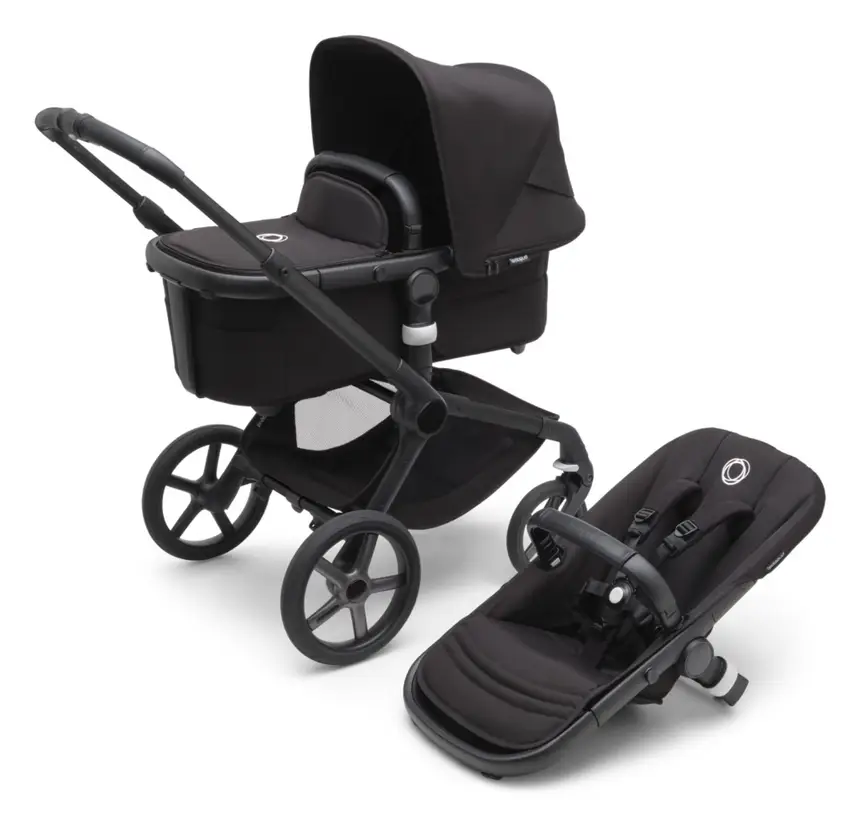
Bugaboo Fox 5
Bugaboo's flagship all-terrain pram: big-wheel suspension ride, one-piece fold, bassinet from birth and a seat rated to 22 kg.
Read our full review →

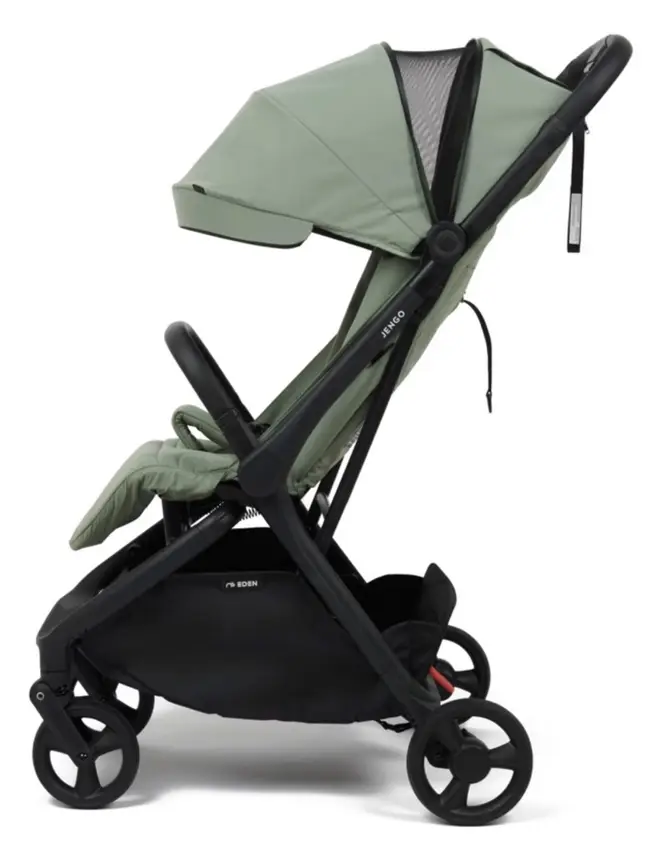
Jengo Eden Compact Stroller
A budget compact stroller from birth to 22 kg. It folds with one hand and has a big basket.
Read our full review →
Joie Nitro Stroller
A light, low-cost umbrella stroller with a flat recline, so it works from birth.
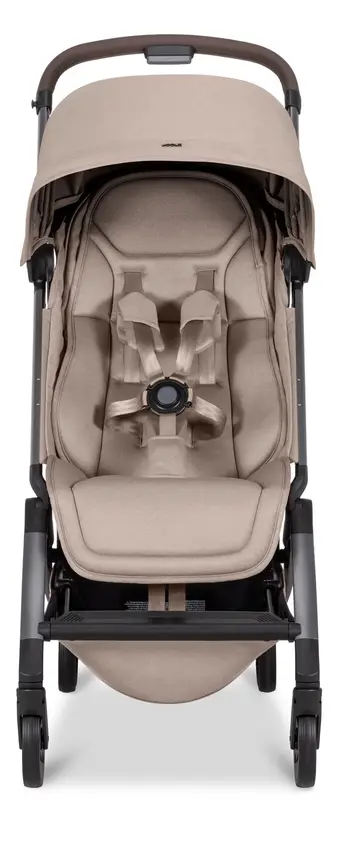


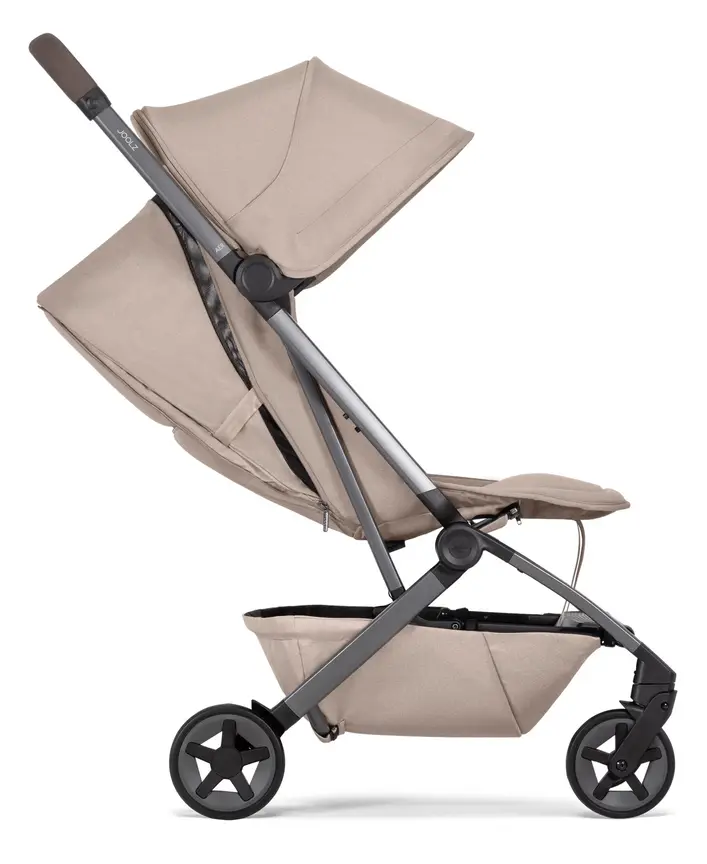


Joolz Aer2
A 6.5 kg stroller with a fast one-hand fold, deep recline from newborn and a UPF50+ sun hood.
Read our full review →Storage, cleaning, and upkeep
Crumbs and grit can affect wheels, brakes, and folding joints. Brush dirt away. Wipe fabrics as the manual allows. Let wet parts dry fully before storing them.
Do not use strong cleaners unless the maker says they are safe. Some fabrics can lose strength or colour. Check whether the cover can be removed and washed. Do not assume every part is machine washable.
Store the stroller where children cannot pull it down. Keep it folded and locked if the manual says to do so. Do not leave it where it blocks an exit.
Check wheels, brakes, harness, and locks from time to time. Replace worn parts with parts approved for the model. Do not repair a frame with tape, glue, or an improvised pin.
Common buying mistakes
- Choosing by the fold name: compare real measurements instead.
- Ignoring the carry weight: lift the stroller before buying if possible.
- Assuming compact means travel approved: check airline rules with the carrier before flying.
- Forgetting the boot opening: measure the narrowest point of your car.
- Buying for a future baby only: check current age limits and seat support.
- Overloading the handle: heavy bags can affect balance.
- Skipping the harness: a toddler can lean or climb unexpectedly.
- Using an unapproved insert: it may change the harness fit.
- Assuming a recline is for sleep: a stroller is for travel, not routine sleep.
- Not checking recalls: search official notices before buying used.
How to test a stroller in a shop
- Open the frame and check that each lock engages.
- Push it in a straight line, then turn it both ways.
- Try it over a small threshold if the shop allows this.
- Apply the brakes and check that the wheels stay still.
- Fold it using the steps you would use outside.
- Lift it by the handle or strap, as designed.
- Check the folded size against your car or storage space.
- Adjust the harness and inspect the seat for your child.
- Ask where the manual and spare parts can be found.
If you shop online, read the full instructions before use. Check the seller's contact details, returns policy, and delivery contents. Confirm that the exact model is meant for your country.
Which style may suit your routine?
An umbrella stroller may suit you if you want a narrow folded shape and mostly take short trips. It may be easier to store along a wall. Check whether its long folded frame is awkward in your car.
A tri-fold buggy may suit you if a shorter package matters. It may be easier to fit into a small cupboard or carry with a strap. Check its fold steps, weight, seat comfort, and basket access.
Either can work for a toddler if it fits the child and the route. A larger stroller may be better for rough paths or longer days. There is no need to buy a compact model if you rarely carry or store it.
Frequently asked questions
Is a tri-fold buggy always smaller?
No. The name does not set a standard size. Compare the maker's folded measurements. Check the real frame, including wheels and handles.
Is an umbrella stroller safe for a toddler?
It can be, when the child fits its limits and you use it as directed. Check the harness, brakes, locks, and frame before each trip.
Can my toddler nap in a compact stroller?
A stroller is not a routine sleep space. Watch your child and follow the manual. Move them to a suitable flat sleep space when practical.
Can I take a tri-fold buggy on a plane?
Airline rules differ and can change. Ask your airline about the exact folded size, weight, and gate-check rules before travel.
Should I buy a second-hand stroller?
You can consider one if it is complete and in good condition. Check official recalls, get the manual, test every lock and brake, and avoid frames with damage or missing parts.
Can I hang a nappy bag on the handle?
Only if the maker allows it and gives a safe limit. A heavy bag can make the stroller tip. Use the basket within its stated limit.
Do I need a rain cover?
Only if it suits your weather and the maker approves it. Use the correct cover, keep airflow clear, and remove it when it is no longer needed.
What matters most when choosing between the two?
Start with your child's fit and your regular route. Then compare fold size, carry weight, steering, storage, and ease of use. Test the model if you can.
More options, from budget to premium
Real products from our catalogue. We don't show star ratings or review counts; check the current price, stock and reviews on Amazon before you buy.

Maxi-Cosi Zelia 3
A mid-price pram with a carrycot that changes into a seat, so one frame covers birth to toddler.

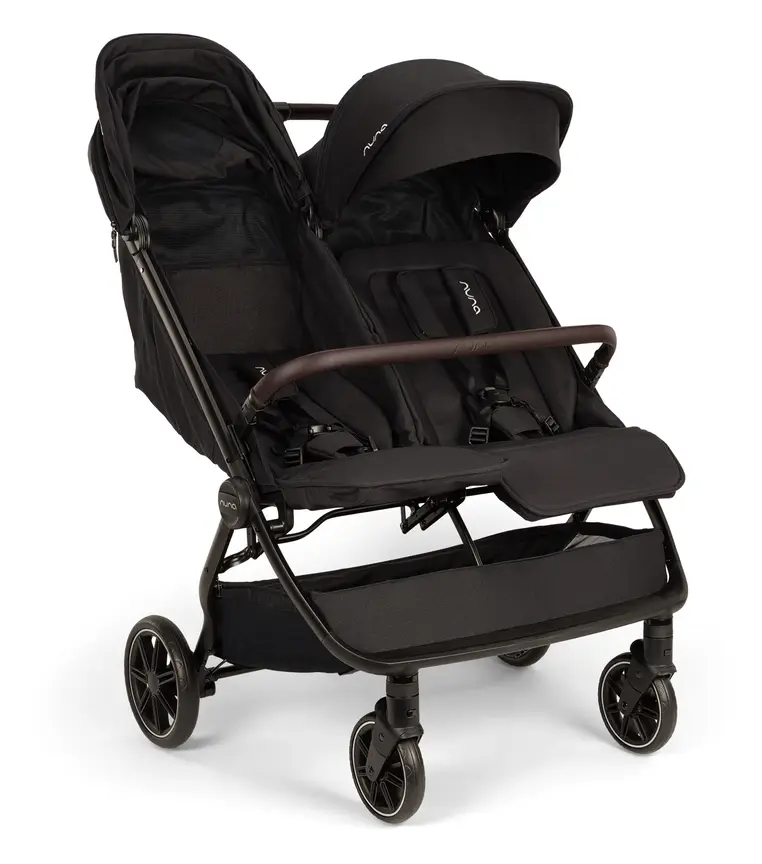
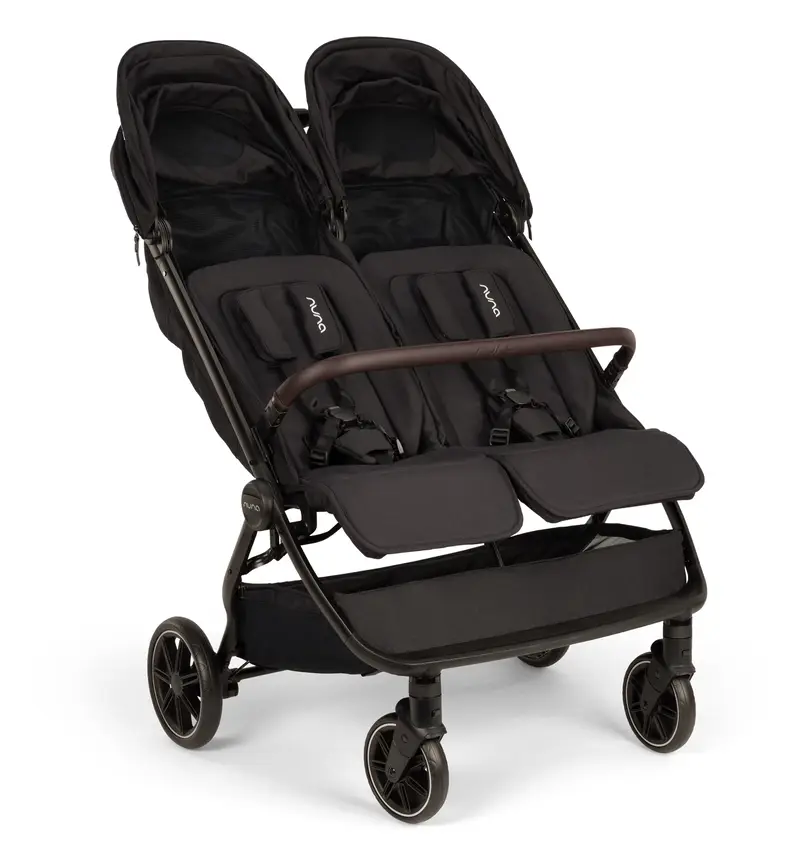
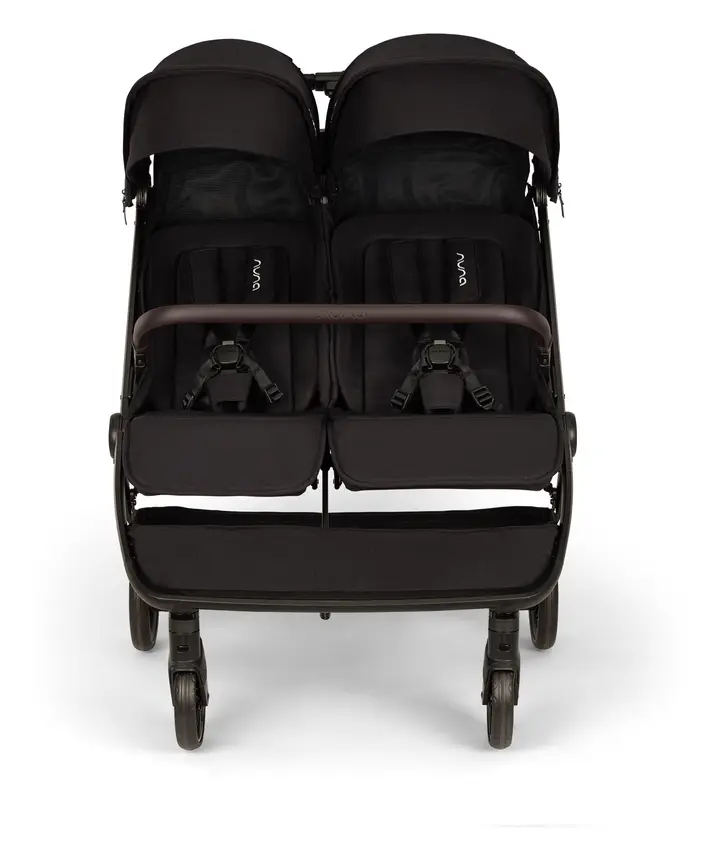
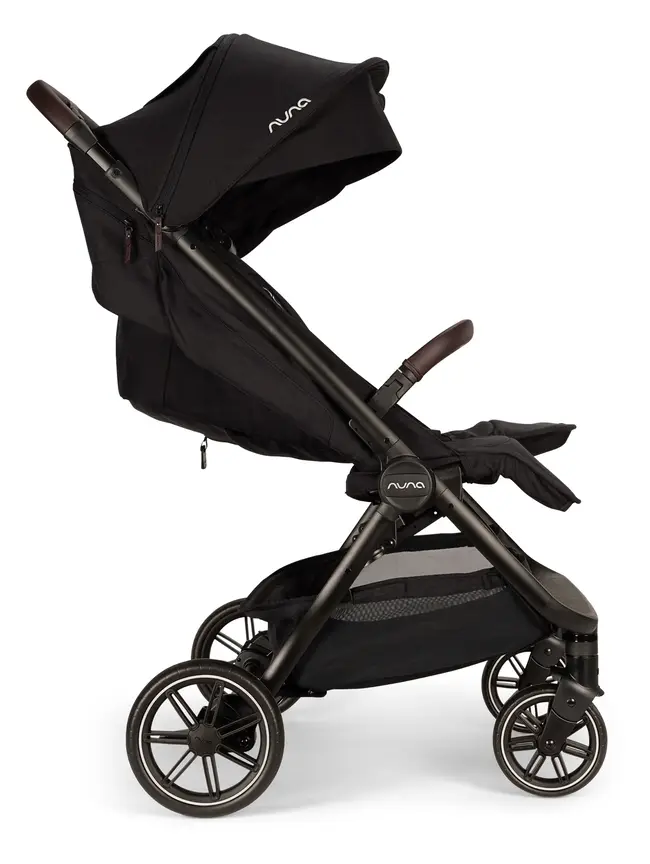
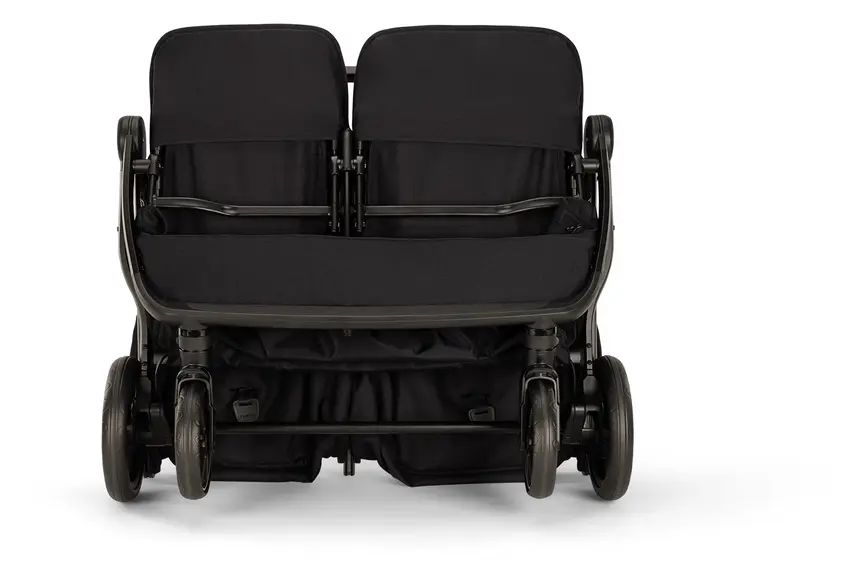
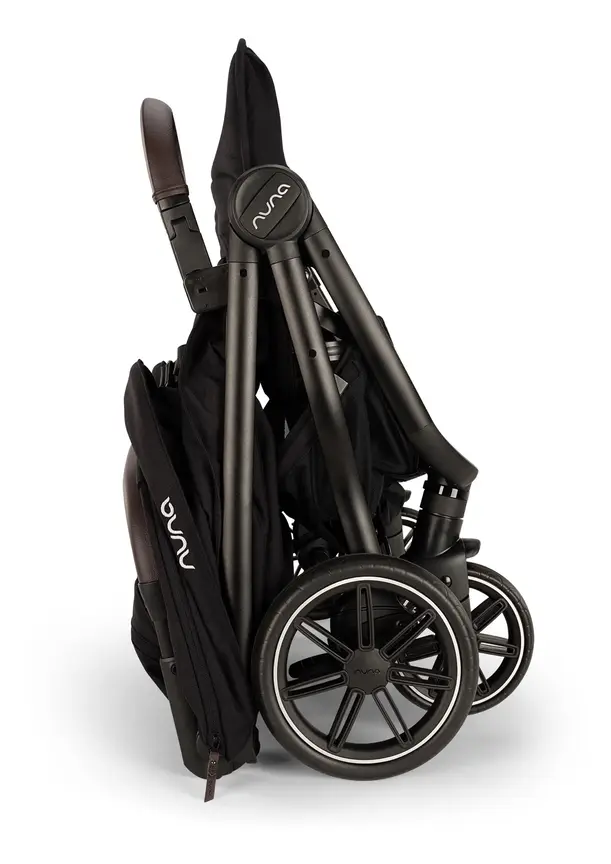
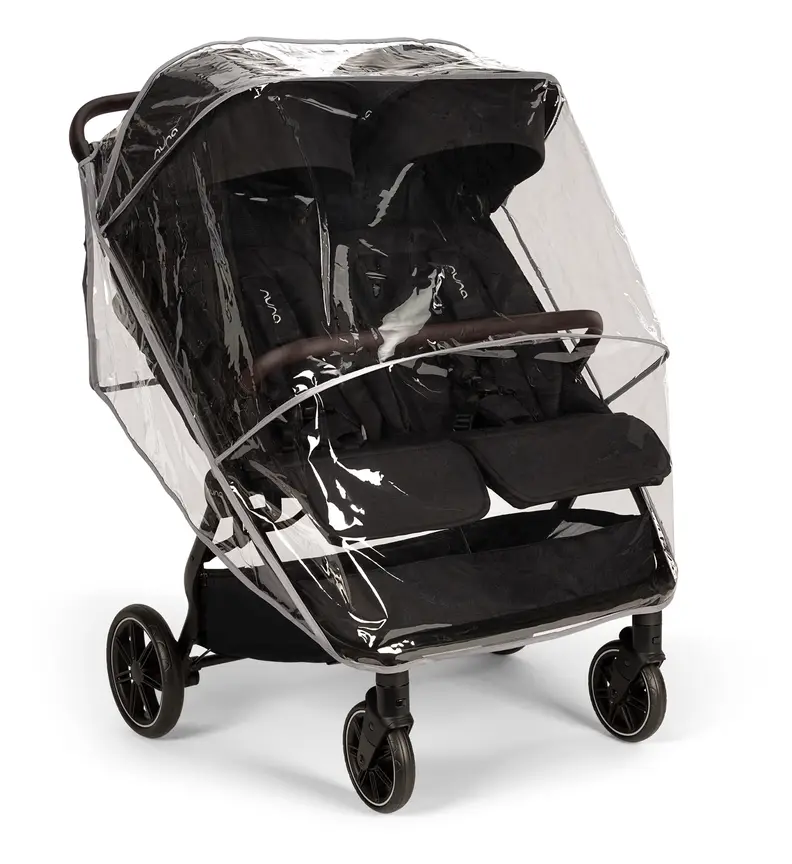
Nuna TRVL Dubl
A side-by-side double that folds with one hand and stands up. Each seat holds up to 22.7 kg.
Read our full review →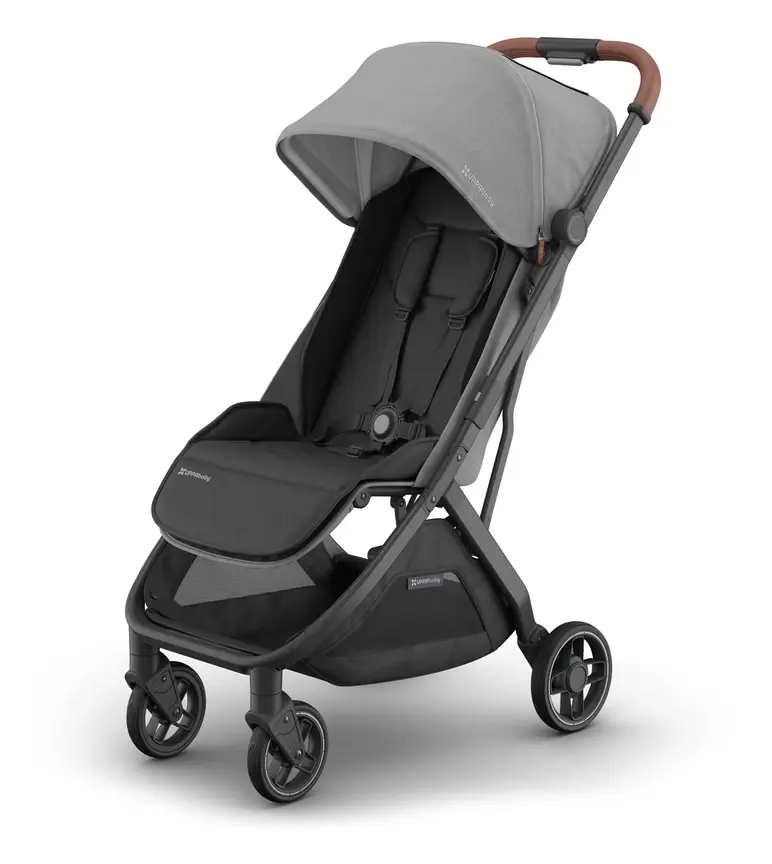




UPPAbaby Minu V3
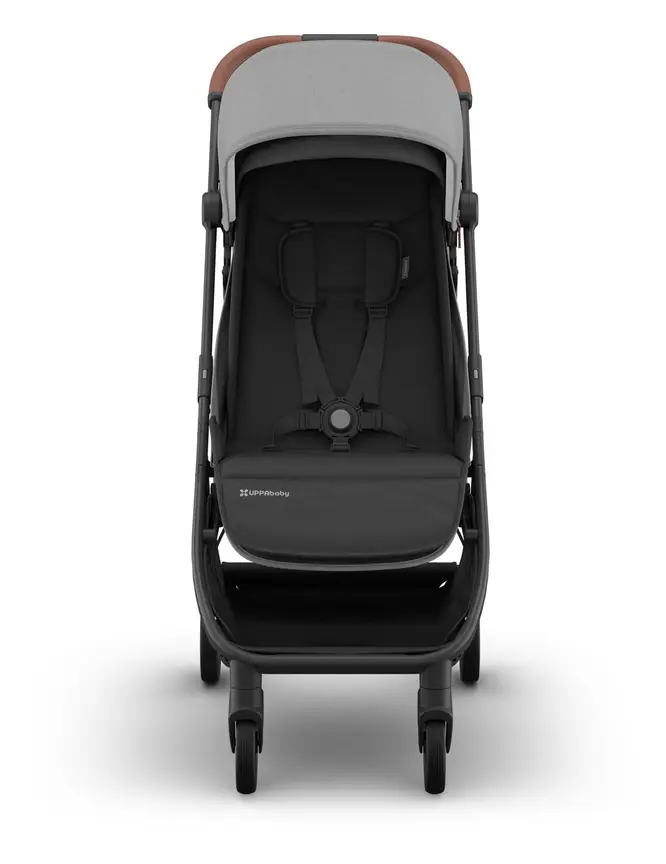
A slim travel stroller that folds with one hand, stands on its own and is sized for plane overhead lockers.
Read our full review →Sources and official guidance
- Product Safety Australia – Prams and strollers guide
- Product Safety Australia – Prams and strollers mandatory standard
- UK Office for Product Safety and Standards
- U.S. Consumer Product Safety Commission – Safe sleep and child product safety
- Health Canada – Recalls and safety alerts
- Canadian Paediatric Society – Sun safety
This article offers general information. Follow the stroller manual and local safety advice. Check with a health professional if you have concerns about your child's needs. BabyGearFinder may earn a commission from qualifying purchases. This does not change our advice.
Sources
- Product Safety Australia – Prams and strollers guide
- Product Safety Australia – Prams and strollers mandatory standard
- UK Office for Product Safety and Standards
- CPSC (US) – Safe sleep: cribs and infant products
- Health Canada – Recalls and safety alerts
- Caring for Kids, Canadian Paediatric Society – Sun safety
Related guides
More Clothing & Accessories →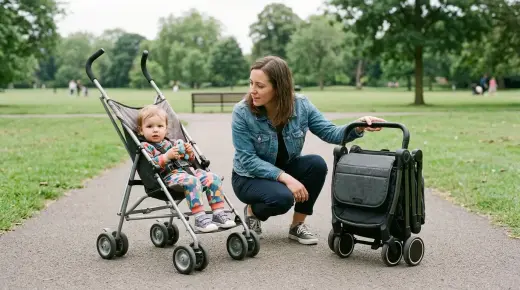
Umbrella Strollers vs. Trifold Travel Strollers: How to Choose

Toddler Umbrellas and Rain Gear: How to Choose a Safe, Comfortable Fit
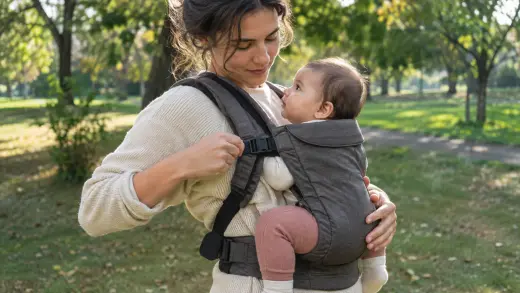
Adjustable Baby Carriers: How to Choose and Use One From Newborn to Toddler