














Baby Wrap Carriers: How to Choose and Use One Safely
Learn how to choose a baby wrap, fit it safely, and keep your baby's face clear. Compare wrap styles and read guidance from four countries.

On this page
- What is a baby wrap carrier?
- Benefits and limits
- Types of wraps and carriers
- How to choose a wrap
- Comparison: common carrier styles
- Safe positioning: face, airway, and body
- Using a wrap for each age stage
- Heat, clothing, and outdoor use
- Feeding, sleeping, and daily tasks
- Care, checks, and second-hand wraps
- Common mistakes to avoid
- Safety advice in Australia, the UK, the US, and Canada
- Frequently asked questions
- Sources and guidance
- Sources
Short answer: A baby wrap holds your baby close against your body. It can keep your hands free for simple tasks. Choose a wrap that suits your baby’s size and your own comfort. Read its instructions before use. Keep your baby’s face visible, chin off chest, and nose and mouth clear. Check your baby often. A wrap is for carrying while you are awake. It is not a safe sleep space.
Advice comes from Australia’s Product Safety Australia, the UK’s Office for Product Safety and Standards and The Lullaby Trust, the US Consumer Product Safety Commission, and Canada’s Health Canada. Follow the wrap maker’s instructions, plus local safety advice.
What is a baby wrap carrier?
A wrap is a long piece of fabric that you tie around yourself and your baby. The fabric supports the baby against your chest or back, depending on the wrap and the instructions. Some wraps are stretchy. Others use firm woven fabric. A stretchy wrap often has one long piece of fabric. A woven wrap may have less stretch and can be tied in several ways.
Some people use “wrap” to mean any cloth carrier. Stores may also use the words sling, pouch, or carrier. These products can differ in how they fit and support a baby. Read the label and instructions. Do not assume that two products with similar names work the same way.
Wraps can suit parents who want close contact and are happy to learn a tying method. They are not right for every family. A buckle carrier, soft structured carrier, or pram may feel easier. You can also carry your baby in your arms. There is no single best choice for everyone.
Benefits and limits
A wrap can make it easier to carry a baby while walking or doing light tasks. Your baby stays close, and you can respond to their cues. Some babies settle when held. Others may dislike being carried in a wrap. Their preference can change over time.
A wrap does not make every task safe to do while carrying. Avoid cooking over a hot stove, handling hot drinks, cycling, running, or doing anything that could cause a fall. Do not use a wrap while driving. A baby must ride in an approved car seat that is installed and used as directed.
Carrying your baby in a wrap does not replace time on the floor. Babies need time to move freely while awake and supervised. Give your baby regular breaks from the carrier. If you have concerns about your baby’s movement, hips, breathing, or comfort, ask a health professional.
Types of wraps and carriers
Before choosing, learn what the product is. The right fit and safe use depend on its design.
- Stretchy wrap: a long, stretchy fabric that is tied around the wearer and baby. Follow the maker’s steps for tying and positioning.
- Woven wrap: a long, firmer fabric. It may allow different carries, but each carry needs careful learning.
- Ring sling: fabric threaded through rings. It is not tied like a long wrap. Read the product instructions closely.
- Pouch sling: a shaped loop of fabric. Its fit may depend on the wearer’s size, so check sizing carefully.
- Buckle carrier: a carrier with straps and buckles. It may be quicker to put on, but it still needs correct adjustment.
Some products are sold as “newborn” or “all stages”. Those words do not tell you whether the product fits your baby today. Check the stated minimum and maximum weight, age guidance, and any position limits. Stop using it when your baby reaches a limit or the maker says to stop.
Baby Carriers & Wraps worth a look
Real products from our catalogue. We don't show star ratings or review counts; check the current price, stock and reviews on Amazon before you buy.
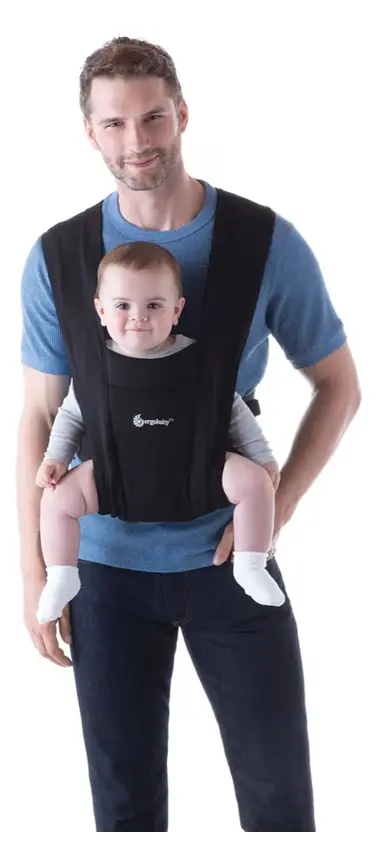


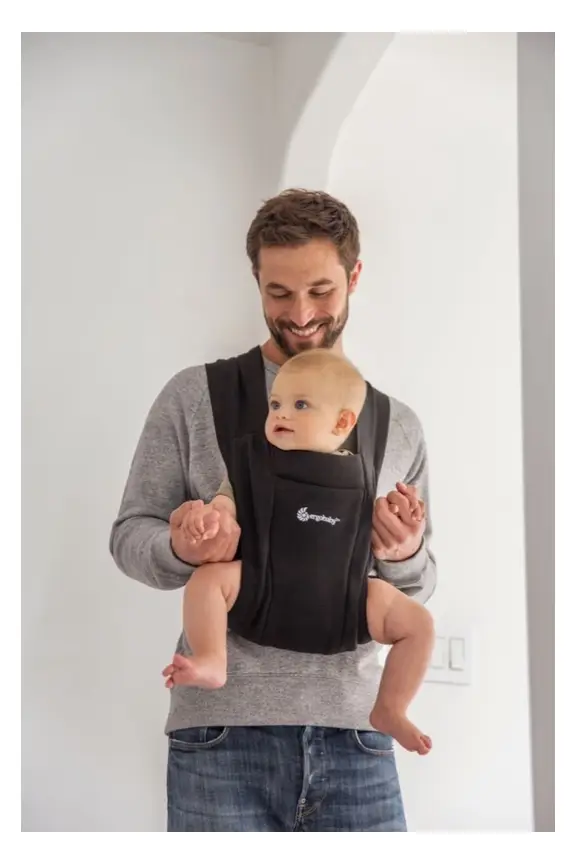


Ergobaby Embrace
A soft knit newborn carrier that buckles on, with no long wrapping.
Read our full review →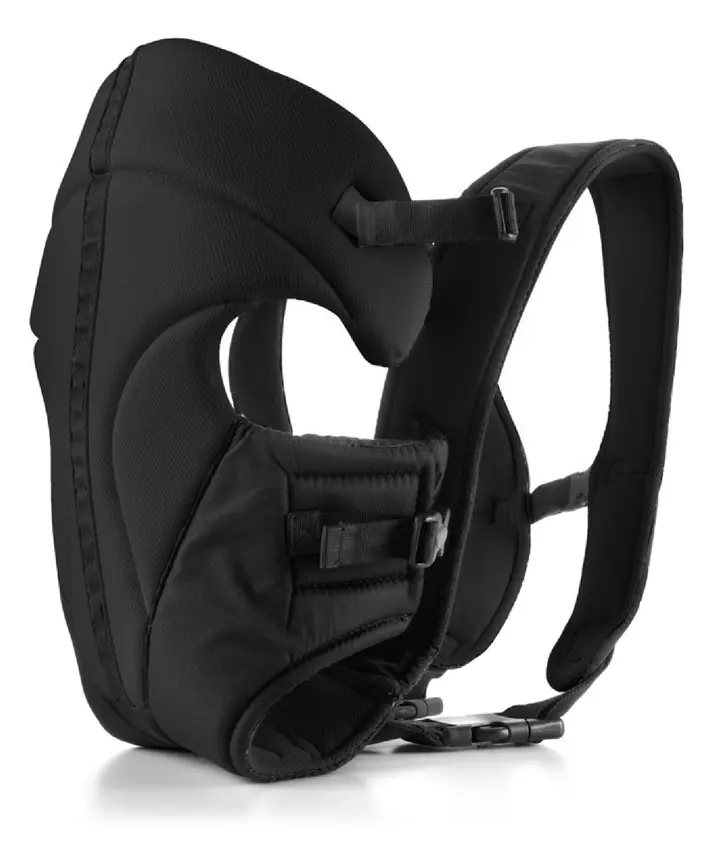 Reviewed
4baby 3 Way Baby Carrier
A very low-cost carrier with 3 positions, for babies 3.6 to 9 kg.
Read our full review →
BabyBjörn Baby Carrier Mini 3D Jersey
Newborn baby carrier

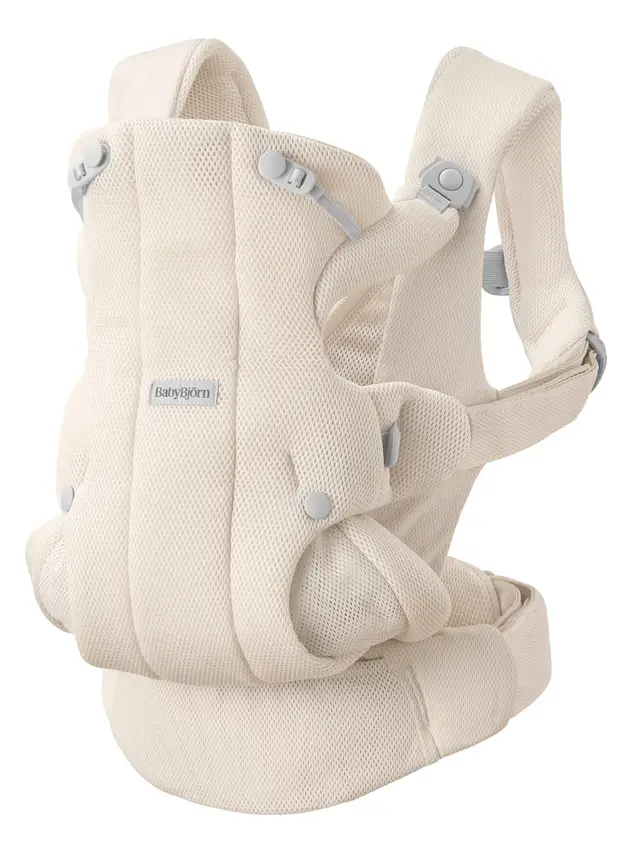
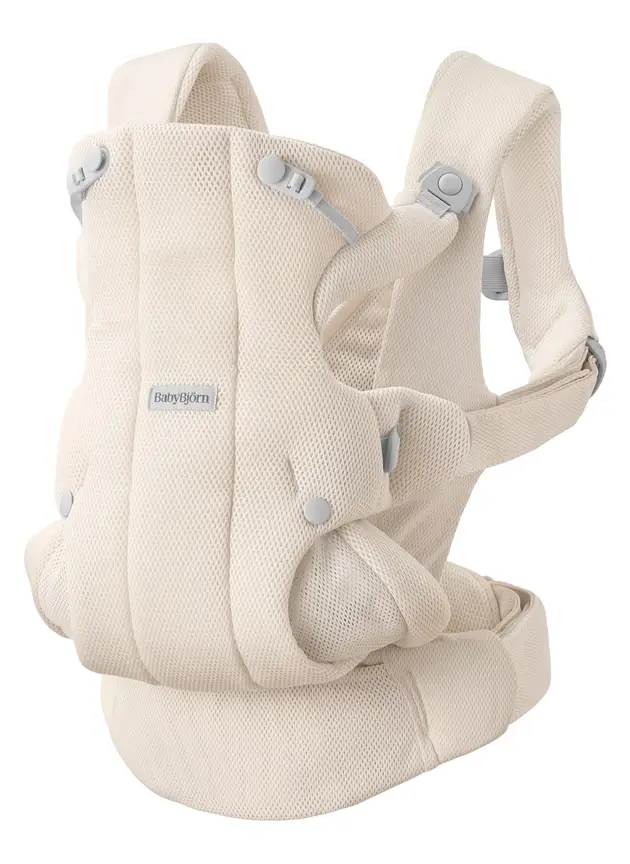
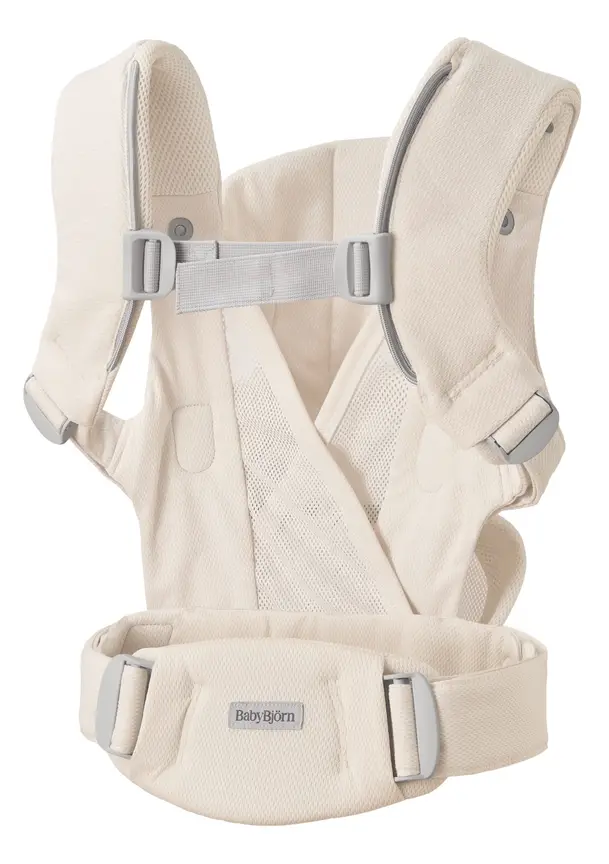
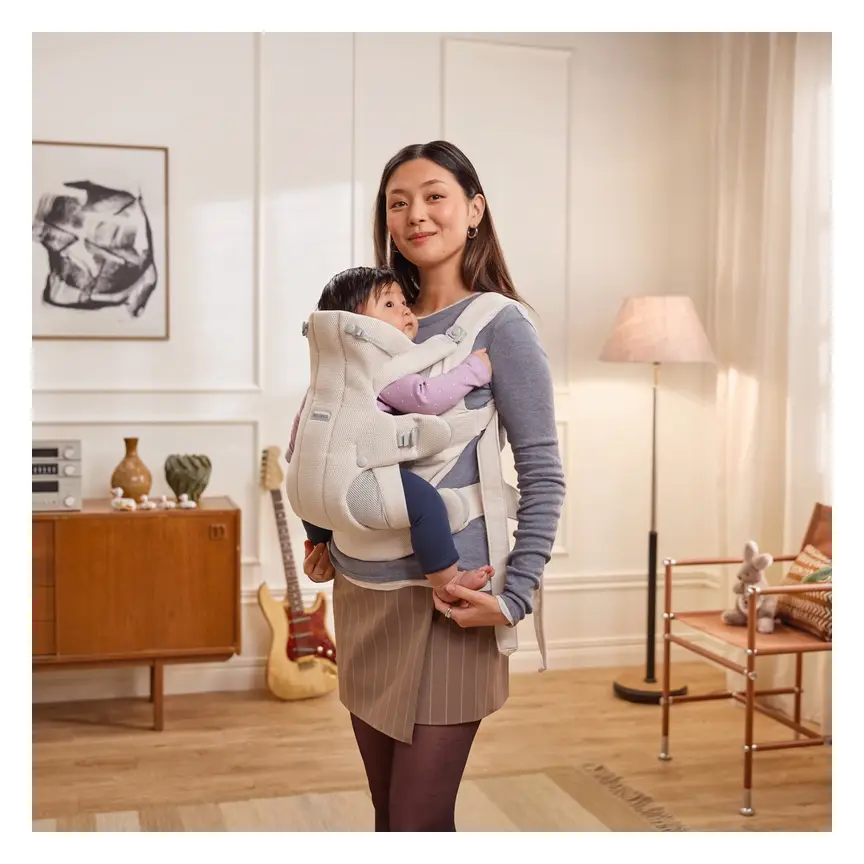


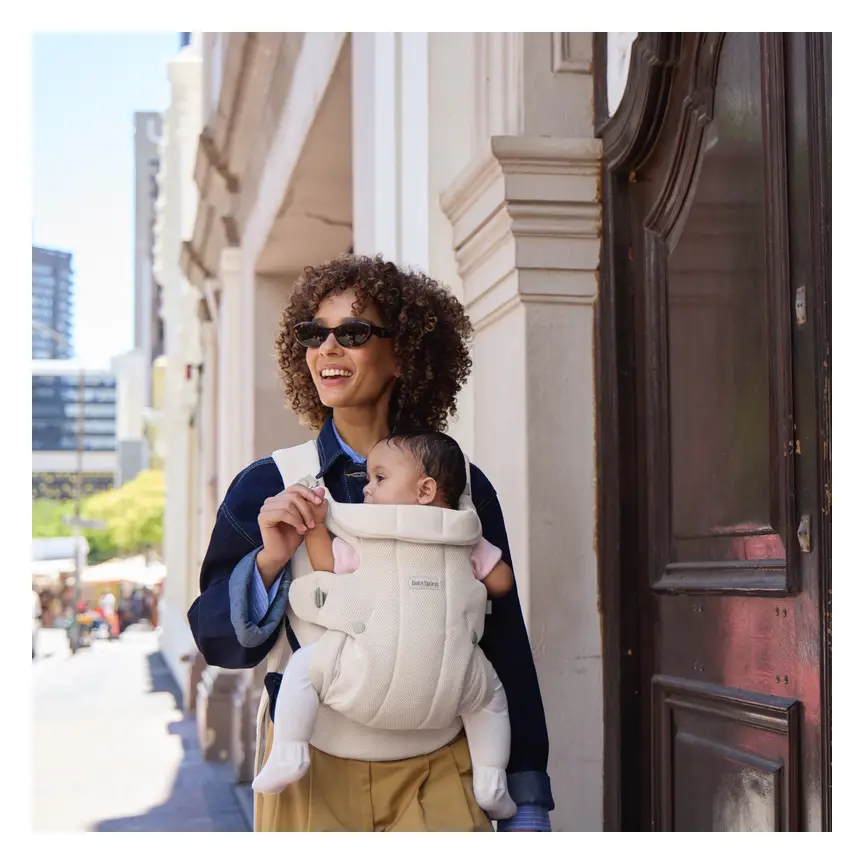
BabyBjörn Baby Carrier Hold
A soft front carrier from newborn to 18 months that fits XS to XXL parents.
Read our full review →How to choose a wrap
Choose by fit, safe support, and ease of use. Product photos and marketing words cannot prove that a wrap is safe for your baby. Check the instructions and safety information before buying.
Check the instructions and limits
Look for clear instructions that explain how to put on the wrap, position your baby, adjust the fabric, and take your baby out. Make sure the instructions match the product model. Check the age, weight, and position limits. If instructions are missing or unclear, contact the maker before use.
Think about fabric and comfort
Fabric can feel different against your skin. Some wraps are warmer or heavier than others. Consider the weather, how much clothing you and your baby will wear, and whether the fabric feels comfortable. A breathable fabric does not remove the need to watch for overheating.
Check the care label. A washable wrap may be easier to keep clean after spills. Follow the washing instructions, since harsh cleaning or drying can damage fabric or seams.
Try the fit before carrying your baby
If possible, practise with a doll or cushion first. Ask a trained babywearing educator or health professional for help if you are unsure. A wrap should feel secure without causing pain, cutting off circulation, or making it hard to breathe.
Fit can vary between wearers. If more than one person will use the wrap, each person should learn to adjust and tie it. Never assume another person’s setup will fit you.
Consider your daily needs
Think about where and when you will carry your baby. A long wrap can take practice and may drag on the ground while tying. A buckle carrier may be easier for some people. A pram can be more useful for longer outings or when carrying bags. You can use more than one option.
Comparison: common carrier styles
| Style | How it works | What to consider | Good first step |
|---|---|---|---|
| Stretchy wrap | Long stretch fabric tied around wearer and baby | Needs practice; warmth and support depend on fabric and fit | Learn the maker’s tie before use |
| Woven wrap | Long firmer fabric arranged in a chosen carry | Different carries need different skills and checks | Learn one approved carry at a time |
| Ring sling | Fabric adjusted through rings | Baby’s position and fabric tension need close attention | Follow the model’s steps carefully |
| Pouch sling | Shaped fabric loop worn over the body | Correct size and baby position matter | Check the size chart and limits |
| Buckle carrier | Straps and buckles hold baby against wearer | Straps must be adjusted for each wearer and baby | Read the fitting guide and test buckles |
| Pram | Baby rests in a separate wheeled space | Needs space and is not hands-free carrying | Use according to its own instructions |
This table compares styles, not brands. It does not rank products. Check the particular product’s instructions and limits before use.
Safe positioning: face, airway, and body
Positioning matters each time you use a wrap. A young baby may not be able to move their head away from fabric or lift it from a poor position. Check your baby’s position often, including after bending, walking, or feeding.
- Face visible: you should be able to see your baby’s face without moving fabric.
- Nose and mouth clear: no fabric, your clothing, or your body should cover them.
- Chin off chest: your baby’s head should not slump forward. A bent neck can make breathing harder.
- High and close: keep your baby close enough to kiss the top of their head, if the product instructions allow.
- Supported: support your baby’s back and head as the instructions describe. Do not let the baby slump or curl into a tight ball.
- Legs supported: follow the maker’s position guidance. Do not force your baby’s legs straight or into a position that causes distress.
Check your baby’s colour, breathing, and comfort. If your baby seems hard to wake, has trouble breathing, or looks blue or unusually pale, take them out and seek urgent medical help. If you are worried, act at once.
Using a wrap for each age stage
Babies grow at different rates. Age alone cannot tell you whether a wrap fits. Use the product’s limits and watch your baby’s skills.
Newborn stage
Newborns have limited head and neck control. They need close support and frequent checks. Use only a carry the maker allows for a newborn. Follow any special steps for a small or premature baby. Ask your baby’s health team for guidance if your baby was born early or has a health condition.
Do not tuck a newborn’s face into your chest or fabric. Keep the head turned to one side, with the face visible and the airway clear. Recheck after each movement.
When head control is growing
As your baby gains control, do not rush to a new carry. Use a position only when the wrap instructions allow it and your baby can manage it. Keep watching breathing and posture. If your baby falls asleep, move them to a safe sleep space as soon as practical.
Older babies
Older babies may become curious and move more. Check that the wrap still holds them securely. Use only positions allowed by the product. Do not carry a baby in a position that blocks your view or makes it hard to keep them safe.
Stop when your baby reaches the product’s limit, the wrap no longer fits, or either of you is uncomfortable. A carrier is not meant to restrain a child who is trying to climb out.
Heat, clothing, and outdoor use
A wrap adds a layer around both bodies. Your baby may get warm from your body heat, the fabric, and their clothes. Dress both of you for the weather. Check your baby’s chest or back for warmth and dampness. A sweaty or flushed baby may be too warm.
Keep your baby’s head uncovered unless the maker gives different safe-use instructions for a specific weather cover. Do not cover the face with a blanket or the wrap. In sun, use shade and suitable clothing. Check local health advice about sun protection for babies.
Be careful around heat and hazards. Do not cook with a baby in a wrap. Avoid open flames, hot liquids, and chemicals. Watch for low doorways, branches, and anything that could strike your baby’s head.
Side by side: more baby carriers & wraps to compare
Real products from our catalogue. We don't show star ratings or review counts; check the current price, stock and reviews on Amazon before you buy.
 Reviewed
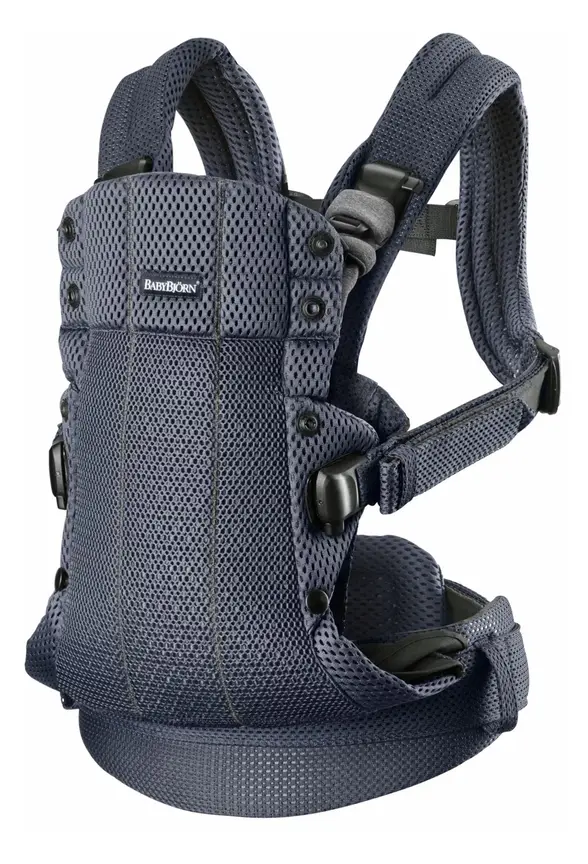
BabyBjörn Baby Carrier Harmony
A premium carrier with four positions, from 3.2 kg newborns to about 3 years.
Read our full review →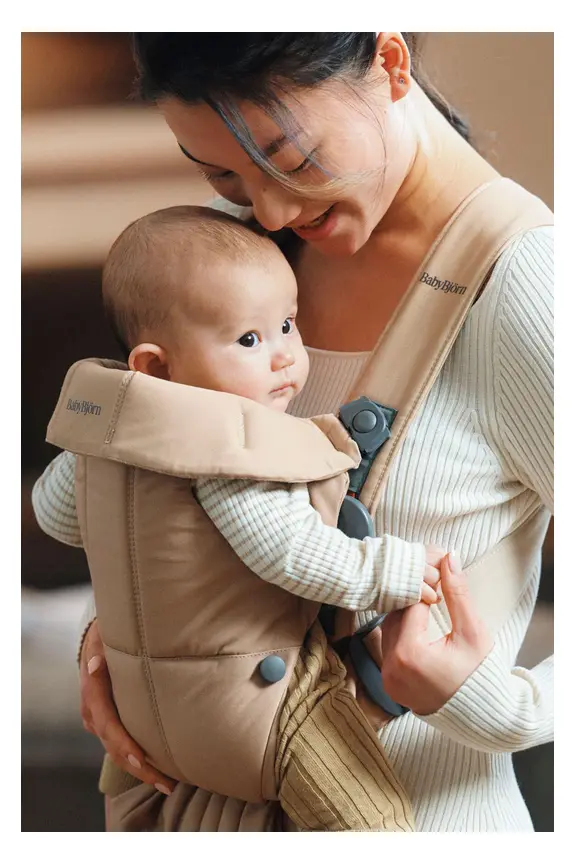


BabyBjörn Baby Carrier Mini
Simple, soft newborn carrier for roughly 0–12 months, with three carrying positions and an easy front opening.
Read our full review →

Ergobaby Omni 360 Cool Air Mesh Baby Carrier
All-position carrier
Feeding, sleeping, and daily tasks
Some parents feed while carrying, but this can make it harder to keep the baby’s face visible. If you feed in a wrap, follow the product guidance and keep the airway clear. Reposition your baby upright and check them after feeding.
If your baby falls asleep in a carrier, keep watching them. A wrap is not a cot or bassinet. Move your baby to a firm, flat sleep surface, on their back, when you can. Follow safe sleep guidance in your country.
Use the wrap only while you can pay attention to your baby. Do not use it when you feel very sleepy, are drinking alcohol, or have taken medicine that makes you drowsy. Avoid tasks where a stumble, burn, or dropped object could hurt your baby.
Care, checks, and second-hand wraps
Read the care label and wash the wrap as directed. Let it dry fully before storage. Check fabric, seams, rings, buckles, and fasteners before every use. Do not use a wrap with torn fabric, damaged stitching, bent parts, or a buckle that will not close securely.
For a second-hand wrap, ask for its instructions and model details. Check whether the maker has issued a recall or safety notice. Look for damage, stretching, stains that hide wear, and missing parts. Do not use it if you cannot confirm it is complete and sound.
In Australia, check Product Safety Australia recalls. In the US, check CPSC recalls. In Canada, check Health Canada recalls and safety alerts. In the UK, check official product safety notices and ask the seller or maker for current guidance.
Common mistakes to avoid
- Choosing by a list or ranking: there is no universal top ten. Fit and safe use matter more than a popularity claim.
- Skipping the manual: each product can have different limits and steps.
- Letting the baby slump: reset the position so the chin stays off the chest.
- Covering the face: keep fabric and clothing away from the nose and mouth.
- Assuming “hands-free” means risk-free: keep tasks simple and avoid heat, falls, and sharp tools.
- Using one person’s fit on another: re-tie and adjust for each wearer.
- Using a damaged wrap: stop if fabric, seams, or fasteners are worn or broken.
- Letting the carrier replace floor time: give your baby safe time to move freely while awake.
- Leaving a sleeping baby in the wrap: move them to a safe sleep space when practical.
Safety advice in Australia, the UK, the US, and Canada
Official advice in these countries focuses on correct fit, a clear airway, and following the product’s instructions. The named bodies below offer guidance or oversight. They do not mean that every wrap has been individually approved by them.
| Country | Official bodies and useful guidance | What parents should do |
|---|---|---|
| Australia | Product Safety Australia, part of the ACCC, and Red Nose Australia | Read the carrier guide, check recalls, and follow Red Nose advice on slings and carriers. |
| United Kingdom | Office for Product Safety and Standards and The Lullaby Trust | Check product safety information and follow carrier advice on keeping baby’s face clear. |
| United States | U.S. Consumer Product Safety Commission and the American Academy of Pediatrics | Check CPSC safety notices and use safe positioning advice from trusted child health sources. |
| Canada | Health Canada and the Canadian Paediatric Society | Check recalls and follow current national and provincial child safety advice. |
Rules and product requirements can differ by country and product type. Check the latest local advice when buying, especially across borders. Do not rely on a seller’s claim that a product is “certified” unless the claim names a real, relevant requirement and can be checked.
Frequently asked questions
Are baby wraps safe?
A wrap can be used more safely when it fits, is tied as instructed, and keeps the baby’s airway clear. No carrier removes all risk. Watch your baby and stop if the position does not feel secure.
Can a newborn use a baby wrap?
Some wraps allow newborn use. Check the product’s minimum size and instructions first. Newborns need close support and frequent checks. Ask a health professional if your baby was premature or has a health concern.
Can my baby sleep in a wrap?
A wrap is for carrying, not sleep. If your baby falls asleep, keep watching them and move them to a safe sleep space when practical. Follow your local safe sleep advice.
How long can I carry my baby?
There is no single time limit for every baby and wrap. Follow the maker’s guidance and watch for discomfort, heat, or a poor position. Give your baby breaks and allow time for free movement.
Can I breastfeed in a wrap?
Some people do, but the baby’s face and breathing can be harder to see. Follow the carrier instructions. Keep the nose and mouth clear, then return your baby to an upright, supported position after feeding.
Do I need a special wrap for summer?
Not always. Choose clothing and fabric for the weather, and check your baby often. A light fabric does not prevent overheating. Keep the face uncovered and use shade outdoors.
Are wraps better than buckle carriers?
Neither is best for everyone. A wrap may suit someone who likes tying fabric. A buckle carrier may feel quicker. Try the fit and learn the instructions for whichever product you choose.
Can I buy a used wrap?
Possibly, if it is complete, undamaged, and has clear instructions. Check recalls and inspect all fabric and parts. Do not use it if you cannot confirm its condition or product limits.
What should I do if my baby’s chin drops to their chest?
Take your baby out or adjust them at once, following the instructions. Restore a position with the face visible and chin off the chest. If breathing seems difficult or your baby is hard to wake, seek urgent help.
More options, from budget to premium
Real products from our catalogue. We don't show star ratings or review counts; check the current price, stock and reviews on Amazon before you buy.
 Reviewed
Ergobaby Omni Classic Mesh
An all-position mesh carrier from newborn to toddler with no insert needed.
Read our full review → Reviewed
Ergobaby Omni Deluxe Mesh
The top Omni carrier, with 6 storage spots and strap markers that make it easy to swap between parents.
Read our full review →


Ergobaby Omni Lite Mesh
A light mesh carrier from newborn to 24 months with cross-back straps.
Read our full review →Sources and guidance
- Product Safety Australia – Baby carriers, wraps and slings guide
- Red Nose Australia – Slings and baby carriers
- The Lullaby Trust – Baby slings and carriers
- U.S. CPSC – Safe babywearing and sling suffocation warning
- U.S. CPSC – Federal safety standard for infant sling carriers
- Raising Children Network – Baby carrier, sling and backpack safety
- International Hip Dysplasia Institute – Baby wearing
This article offers general information, not medical advice. Ask your health professional about your baby’s needs. BabyGearFinder may earn a commission from qualifying purchases. This does not change our advice.
Sources
- Product Safety Australia – Baby carriers, wraps and slings guide
- Red Nose Australia – Slings and baby carriers
- The Lullaby Trust (UK) – Baby slings and carriers
- U.S. CPSC – Safe babywearing and sling suffocation warning
- U.S. CPSC – New federal standard for infant sling carriers
- Raising Children Network – Baby carrier, sling and backpack safety
- International Hip Dysplasia Institute – Baby wearing
Related guides
More Clothing & Accessories →
Baby Carriers for Newborns and Toddlers: How to Choose and Use One Safely

5 Reasons Why a Baby Wrap Carrier Helps Parents (Plus How to Use One Safely)
Adjustable Baby Carriers: How to Choose and Use One From Newborn to Toddler
