Baby Carriers in Hot Weather: Choosing Mesh and Keeping Your Baby Cool
Learn how to choose a mesh baby carrier, fit it safely, reduce heat, spot overheating and care for your baby's skin on warm walks.

On this page
- Why hot weather needs extra care
- What “3D mesh” does and does not mean
- How to choose a carrier for warm weather
- Carrier types compared
- Safe position matters more than the fabric
- Dress your baby for the weather
- Check your baby during each outing
- Heat rash and skin care
- Age and stage guide
- Safety bodies and guidance across four countries
- Common mistakes to avoid
- Frequently asked questions
- Sources and further guidance
- Sources
Short answer: A mesh carrier may feel cooler than a thick, padded carrier. It cannot stop a baby from getting too hot. Choose a carrier that fits your baby and your body. Follow its instructions. Keep your baby's face visible, chin off the chest, and nose and mouth clear. Dress your baby lightly. Take breaks in a cool place. Stop and take your baby out if they seem unwell or too hot.
Australia's Product Safety Australia, the UK's Office for Product Safety and Standards, the US Consumer Product Safety Commission, and Health Canada are the key product safety bodies to check. Health advice also comes from Red Nose, the Lullaby Trust, the American Academy of Pediatrics, and the Canadian Paediatric Society.
Why hot weather needs extra care
A carrier holds your baby close to your body. Your body gives off heat. Fabric can also hold warmth against your baby's back, chest, and legs. In hot, humid weather, sweat may not dry as quickly. A baby may become uncomfortable or too hot.
Mesh is a fabric with small openings. Some carriers use it across large panels. Others use it only in small areas. The word “mesh” does not tell you how cool a carrier will feel. Fit, fabric layers, padding, clothing, shade, wind, humidity, and walking pace all matter.
No carrier can prevent heat rash. A rash can have several causes, and a photo or article cannot tell you what caused your baby's rash. Heat, sweat, damp skin, rubbing, and tight clothing can irritate skin. If a rash is severe, spreading, painful, blistered, or does not improve, ask a health professional.
Use the carrier for carrying while your baby is awake and watched. It is not a safe sleep space. If your baby falls asleep, keep checking their breathing and position. When you can, move them to a firm, flat sleep space and place them on their back.
What “3D mesh” does and does not mean
“3D mesh” is a product term. It often describes a thicker fabric with space between its layers. That space may let air move through the fabric. It does not prove that a carrier keeps every baby cool.
Look at the full carrier, not just one mesh panel. A mesh back panel may sit against your baby's back. Thick shoulder straps, a wide waistband, a head cover, or several clothing layers can still hold warmth. A carrier with many padded parts may feel warmer than one with less padding, even if both use mesh.
Mesh can also feel rough to some babies or adults. Check the edges and seams. Feel the fabric against your forearm. Look for loose threads, sharp edges, damaged stitching, or holes that could catch a finger. Follow the maker's washing instructions. Heat, bleach, or a rough wash may damage some fabrics.
Do not cut, unpick, or change a carrier to add more airflow. Do not cover it with a blanket, muslin, or sunshade that blocks air. Use only parts the maker says are made for that carrier. A loose cover can slip over your baby's face.
How to choose a carrier for warm weather
Start with your baby's size and the carrier's stated weight range. Check the minimum age and any extra instructions for newborns. A carrier may need a special setting for a small baby. Do not use an insert unless the maker says it fits that model.
Try the carrier on before a long walk. If possible, have a trained babywearing adviser or health professional check the fit. A safe fit should support your baby without pressing their face into your chest. Your baby should not slump down inside the carrier.
- Check the panel: See where mesh sits and how much of the carrier it covers.
- Check the padding: Look at the shoulder straps, waist belt, and head support.
- Check the fit range: Make sure the carrier adjusts for your body and your baby's current size.
- Check the instructions: Read the carry positions, weight limits, washing directions, and warnings.
- Check the fastenings: Buckles and straps should work as the maker describes. Do not use a damaged carrier.
- Check your comfort: Straps should not dig in or force you to lean back to balance your baby.
- Check the return policy: A short indoor try-on can show whether the fabric and fit suit you.
Do not choose a carrier based only on claims such as “cooling,” “summer,” or “breathable.” These words do not replace clear instructions or a fit check. Do not assume that a higher price means a cooler or safer carrier.
Baby Carriers & Wraps worth a look
Real products from our catalogue. We don't show star ratings or review counts; check the current price, stock and reviews on Amazon before you buy.

Ergobaby Omni 360 Cool Air Mesh Baby Carrier
All-position carrier

 Reviewed
Ergobaby Omni Classic Mesh
An all-position mesh carrier from newborn to toddler with no insert needed.
Read our full review → Reviewed
Ergobaby Omni Deluxe Mesh
The top Omni carrier, with 6 storage spots and strap markers that make it easy to swap between parents.
Read our full review →Carrier types compared
Carriers differ in structure and feel. These broad groups are not safety ratings. The right choice depends on the baby's size, the adult's body, the weather, and correct use.
| Carrier type | Warm-weather points | Things to check | May suit |
|---|---|---|---|
| Soft structured carrier with mesh panels | Some panels may allow more airflow than thick fabric. | Panel placement, padding, fit settings, and instructions for a small baby. | Adults who want straps and buckles, and a carrier that adjusts. |
| Soft structured carrier with mostly padded fabric | More fabric may feel warm when pressed against the body. | How much padding touches the baby and adult. Avoid extra layers. | Adults who value padding and can use it comfortably in their climate. |
| Woven wrap | A single layer in a suitable carry may feel less bulky than many layers. | Learn the wrap method. Keep the baby's face clear and follow safe positioning advice. | Adults willing to learn and practise tying securely. |
| Stretchy wrap | Several fabric layers can hold warmth, even when the cloth feels light. | Follow the maker's age, weight, and carry-position instructions closely. | Some adults carrying a small baby, if the product and fit are suitable. |
| Ring sling | Often uses one main fabric panel, but the baby and adult still share heat. | Learn how to tighten it. Keep the baby's face visible and chin clear. | Adults who want a quick, one-shoulder carry and can use it safely. |
| Framed backpack carrier | The frame can hold the child away from the adult's back, but may be bulky and warm. | Age and size limits, head control, harness fit, balance, and the maker's directions. | Some older babies and toddlers, where the product instructions allow. |
A carrier's name does not show whether it is right for a newborn. Check the exact model's instructions. For all types, stop using it if fabric, stitching, straps, or buckles are damaged.
Safe position matters more than the fabric
Airflow cannot make an unsafe position safe. Keep your baby high enough to see and kiss the top of their head. Their face should remain visible. The nose and mouth must stay clear.
Keep the chin away from the chest. A baby who curls into a tight “C” shape may have trouble breathing. Support the baby's back and head as the instructions require. Check the position often, especially after bending, sitting, feeding, or changing the straps.
- Keep your baby's face uncovered and in view.
- Keep the baby's nose and mouth clear of your body and the carrier.
- Keep the chin lifted away from the chest.
- Use the carrier only in a position allowed by its instructions.
- Support a young baby's head and neck as the maker directs.
- Do not run, cycle, cook over a hot stove, or do risky tasks while carrying.
- Do not breastfeed in a carrier unless you can keep the airway clear and watch your baby. Reposition them after feeding.
Red Nose Australia, the Lullaby Trust in the UK, and the US CPSC all provide babywearing safety advice. Raising Children Network also explains how to use carriers, slings, and backpacks safely. Read the instructions for your exact carrier as well.
Dress your baby for the weather
In warm weather, start with fewer layers. The carrier itself adds a layer where it touches your baby's body. A lightweight outfit may be enough. Check your baby's chest or back to judge warmth. Hands and feet can feel cooler, so they are not the best guide on their own.
A hat may help in direct sun, but it must stay clear of the face. Use shade where possible. Babies can still be exposed to sunlight in a carrier. Follow local advice for sun protection. Do not put sunscreen on a young baby without checking age guidance from a trusted health service.
Do not put a blanket over the carrier. A cover can trap heat and hide your baby's face. If you use a sunshade made for the carrier, make sure it does not block airflow or your view. Remove it if your baby seems warm or uncomfortable.
Adults can also overheat. Drink water, choose a shaded route, and walk during cooler parts of the day. Take a break in an air-conditioned or cool place. A carrier does not make a heat warning safe for a walk.
Check your baby during each outing
Check your baby's face, breathing, and position often. Do not rely on a set timer. Check again whenever you change pace, enter a warm building, move into direct sun, or notice a change in your baby's behaviour.
Feel the back of the neck or chest. If your baby feels very hot, sweaty, flushed, or damp, move to a cooler place. Take them out of the carrier, remove an extra layer, and offer comfort. Follow health advice if they remain unwell.
Look for warning signs such as unusual sleepiness, weak responses, fast or difficult breathing, vomiting, or a very hot body. Heat illness can be serious. Seek urgent medical help if your baby seems very unwell, is hard to wake, or has trouble breathing. Contact your local emergency service for severe symptoms.
Babies can become dehydrated in hot weather. Follow age-appropriate feeding advice. Do not give extra water to a young baby unless a health professional advises it. For signs of dehydration or concern about feeds, contact a health service.
Side by side: more baby carriers & wraps to compare
Real products from our catalogue. We don't show star ratings or review counts; check the current price, stock and reviews on Amazon before you buy.


Ergobaby Omni Lite Mesh
A light mesh carrier from newborn to 24 months with cross-back straps.
Read our full review →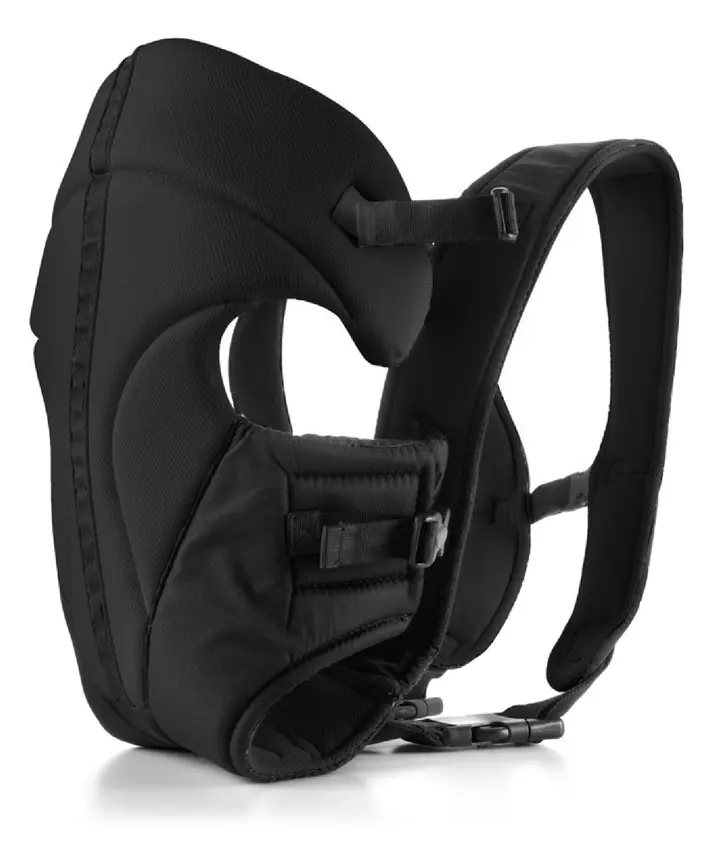 Reviewed
4baby 3 Way Baby Carrier
A very low-cost carrier with 3 positions, for babies 3.6 to 9 kg.
Read our full review →
BabyBjörn Baby Carrier Mini 3D Jersey
Newborn baby carrier

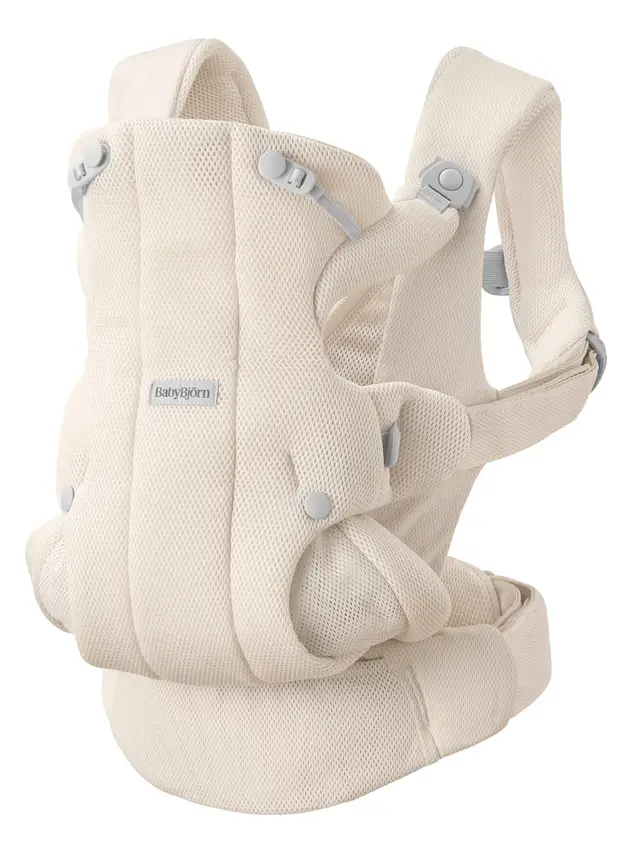
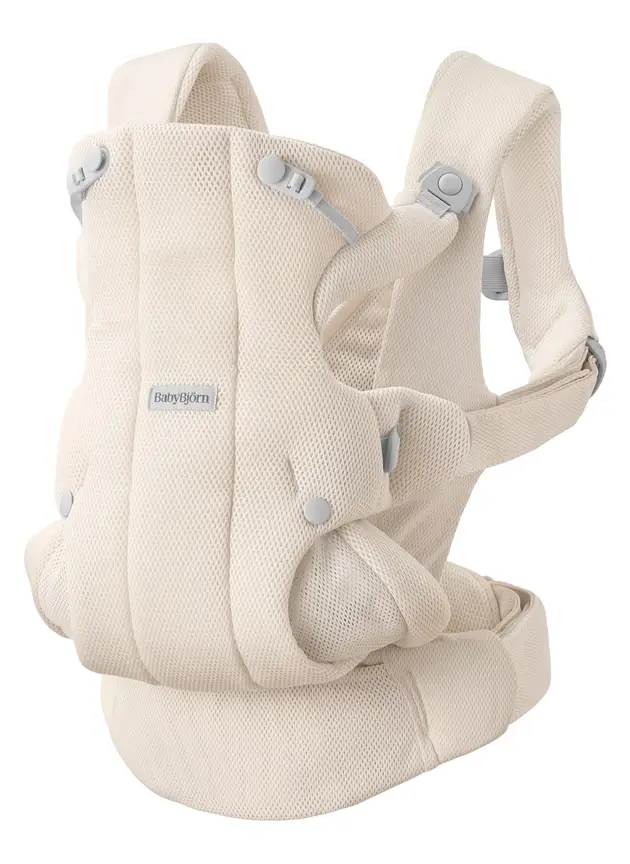
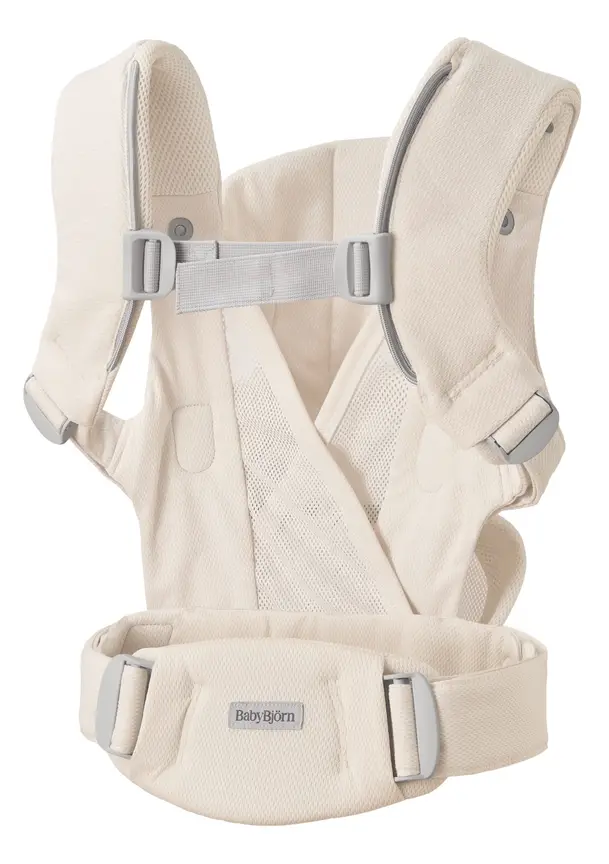
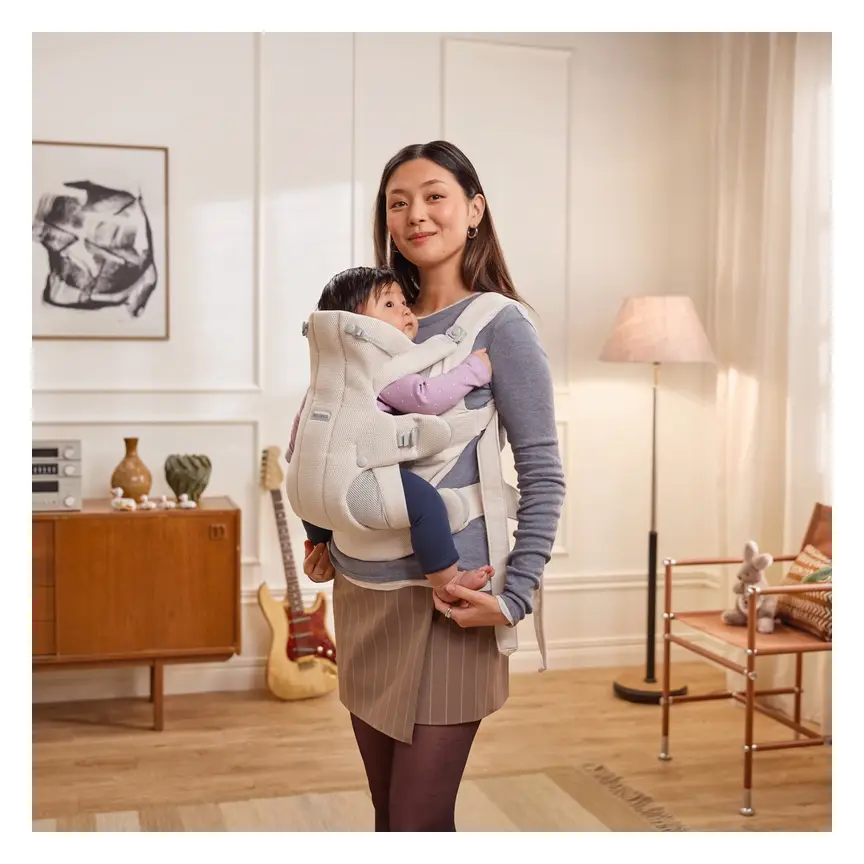

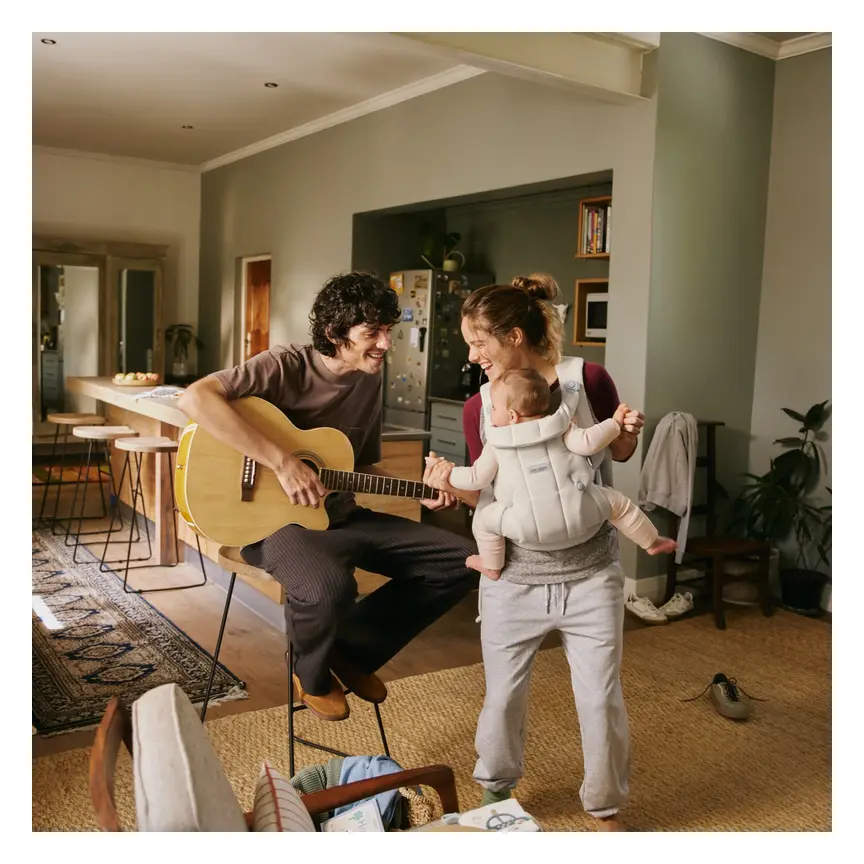
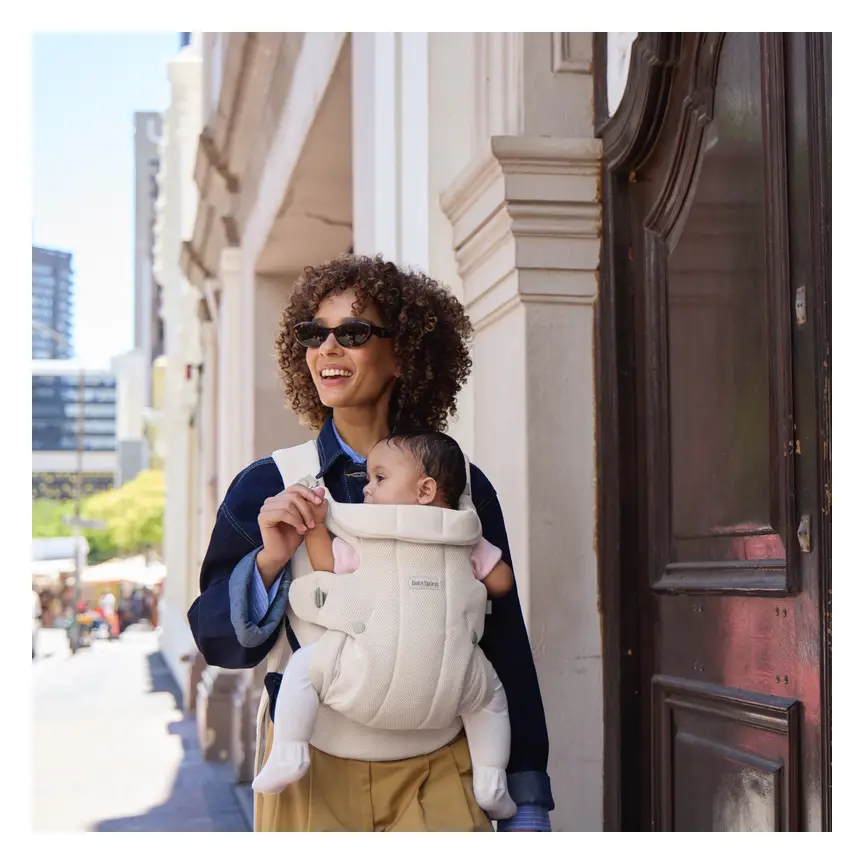
BabyBjörn Baby Carrier Hold
A soft front carrier from newborn to 18 months that fits XS to XXL parents.
Read our full review →Heat rash and skin care
Heat rash can look like small red or pink spots. It often appears in warm, damp, or covered areas. A carrier can create warmth and rubbing, but a rash does not prove that the carrier caused it.
After a walk, take your baby out and let their skin cool and dry. Check the neck folds, chest, back, and the areas under straps. Gently clean sweat or milk with water and pat the skin dry. Avoid scrubbing. Dress your baby in clean, loose clothing.
Do not apply powder where your baby could breathe it in. Do not use a medicated cream unless a health professional recommends it. If the rash is sore, blistered, spreading, infected-looking, or comes with a fever, seek medical advice. Ask for help if you are unsure what you see.
Wash the carrier as its label says. Let it dry fully before using it again. Sweat, spit-up, and sunscreen can build up in fabric. A clean, dry carrier can feel more comfortable, but washing does not prevent every rash.
Age and stage guide
Age alone does not show whether a carrier fits. Babies grow at different rates. Follow the carrier's weight and size limits, and check how your baby sits in it.
| Stage | What to check | Practical approach |
|---|---|---|
| Newborn | Minimum size, head support, airway position, and whether the model permits newborn use. | Get a fit check. Keep the face visible and the chin clear. Take short outings and check often. |
| Young baby | Head and neck control, changing fit, and the allowed carry position. | Adjust as the baby grows. Keep checking that the baby does not slump. |
| Baby who can hold their head steadily | Whether the instructions allow another carry position or facing direction. | Use only positions the maker allows. Keep checking breathing and comfort. |
| Toddler | Weight limit, adult balance, leg position, and comfort during longer carries. | Take breaks. Use a carrier only while it remains comfortable and within its limits. |
Premature babies or babies with breathing, muscle, or medical concerns may need individual advice. Ask your baby's clinician before using a carrier if you have concerns about safe positioning.
Safety bodies and guidance across four countries
Carrier rules and advice can vary by country and product type. Check the current label, recall notices, and guidance where you live. The following bodies are useful starting points.
| Country | Product safety body | Health and babywearing guidance |
|---|---|---|
| Australia | Product Safety Australia and the Australian Competition and Consumer Commission (ACCC) | Red Nose Australia and Raising Children Network |
| United Kingdom | Office for Product Safety and Standards (OPSS) | The Lullaby Trust and NHS services |
| United States | Consumer Product Safety Commission (CPSC) | American Academy of Pediatrics (AAP) |
| Canada | Health Canada | Canadian Paediatric Society and provincial health services |
These bodies do not mean every carrier has been checked by them. Look for a clear maker name, model, instructions, and contact details. Search for recalls in your country. Avoid a second-hand carrier if its history is unknown or key parts are missing.
Do not rely on a seller's claim that a carrier “meets international standards” unless the claim names the exact product and can be checked. Follow the instructions for the model you own. If instructions are missing, contact the maker before use.
Common mistakes to avoid
- Trusting the word “breathable” alone: Check the whole carrier, padding, and fit.
- Adding a cover: A blanket can trap warmth or cover the baby's face.
- Overdressing: Count the carrier as another layer where it touches your baby.
- Letting the baby slump: Recheck the airway after moving or feeding.
- Using a damaged carrier: Frayed seams or broken buckles can fail. Stop using it.
- Ignoring the instructions: A carry position suitable for one model may not suit another.
- Walking through peak heat: Choose a cooler time or another way to travel.
- Assuming a rash is harmless: Seek advice if it worsens or comes with other symptoms.
- Using a carrier for sleep: Move a sleeping baby to a safe, flat sleep space when practical.
- Buying on claims alone: No fabric claim replaces fit, airway checks, and supervision.
Frequently asked questions
Does 3D mesh stop a baby overheating?
No. Mesh may let more air pass through some panels. It cannot control the weather, body heat, clothing, or fit. Check your baby often and take breaks.
Is a mesh carrier always cooler than a cotton carrier?
No. Carriers use different fabrics, layers, and padding. A thin cotton carrier may feel cooler than a heavily padded mesh model. Try the exact carrier and check its full design.
Can I put a muslin cloth over the carrier for shade?
A loose cloth can slip or block airflow and your view. Use shade from trees, buildings, or a safe sunshade made for that carrier. Keep your baby's face visible.
How often should I check my baby?
Check often throughout the outing, and whenever the setting changes. Look at the face and breathing. Feel the chest or back for heat. There is no single timer that suits every baby or day.
Can my baby nap in the carrier?
A carrier is for carrying, not routine sleep. Keep watching your baby's airway. When practical, move a sleeping baby to a firm, flat sleep space and place them on their back.
Can I use a carrier if my baby has heat rash?
That depends on the rash and your baby's comfort. Keep the skin cool and dry. Pause carrier use if it rubs or warms the area. Ask a health professional if the rash is severe or does not improve.
Should I give my baby water on a hot day?
Do not give extra water to a young baby unless a health professional advises it. Follow normal feeding guidance for your baby's age. Ask a clinician if you are worried about dehydration.
Can I use a second-hand carrier?
Only if you can identify the model, get its instructions, and confirm it is complete and undamaged. Check recalls. Do not use it if straps, stitching, or buckles are worn or altered.
What if my baby feels hot in the carrier?
Move to a cool place and take your baby out. Remove an extra layer and offer their usual feed. Seek urgent help if your baby is hard to wake, has trouble breathing, or seems very unwell.
More options, from budget to premium
Real products from our catalogue. We don't show star ratings or review counts; check the current price, stock and reviews on Amazon before you buy.
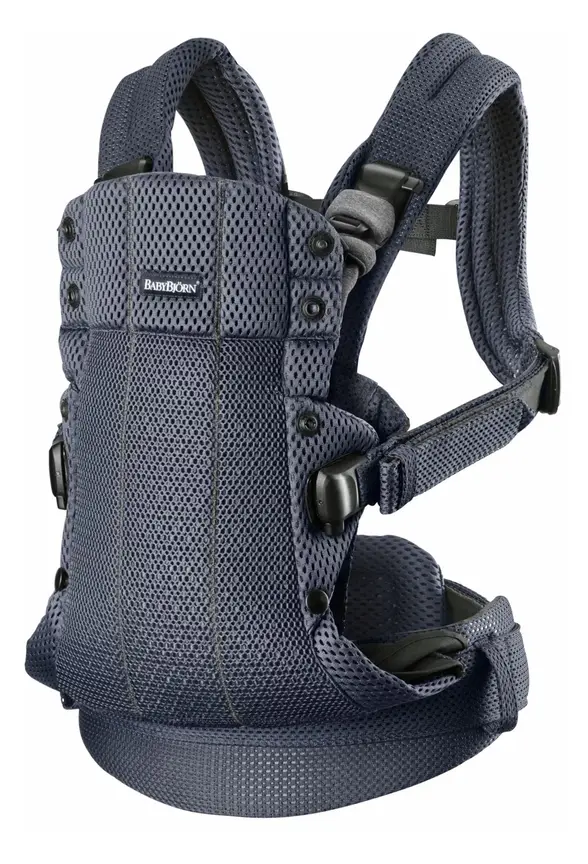 Reviewed
BabyBjörn Baby Carrier Harmony
A premium carrier with four positions, from 3.2 kg newborns to about 3 years.
Read our full review →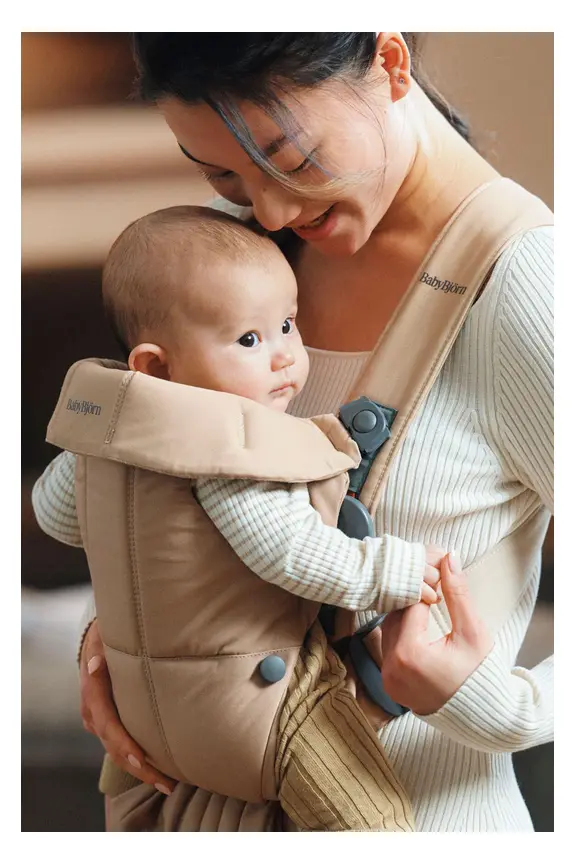


BabyBjörn Baby Carrier Mini
Simple, soft newborn carrier for roughly 0–12 months, with three carrying positions and an easy front opening.
Read our full review →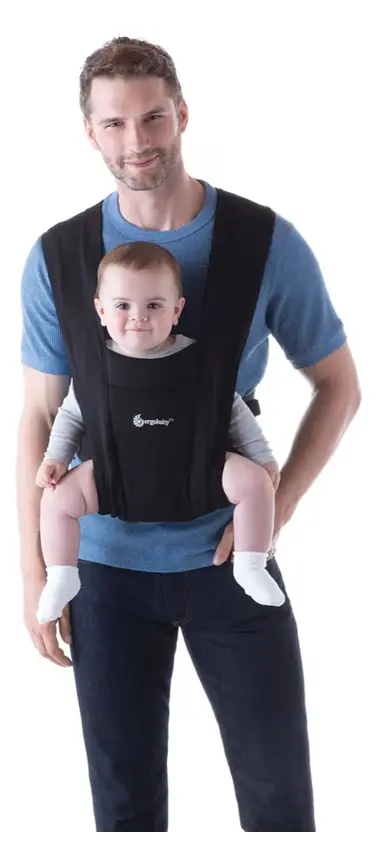


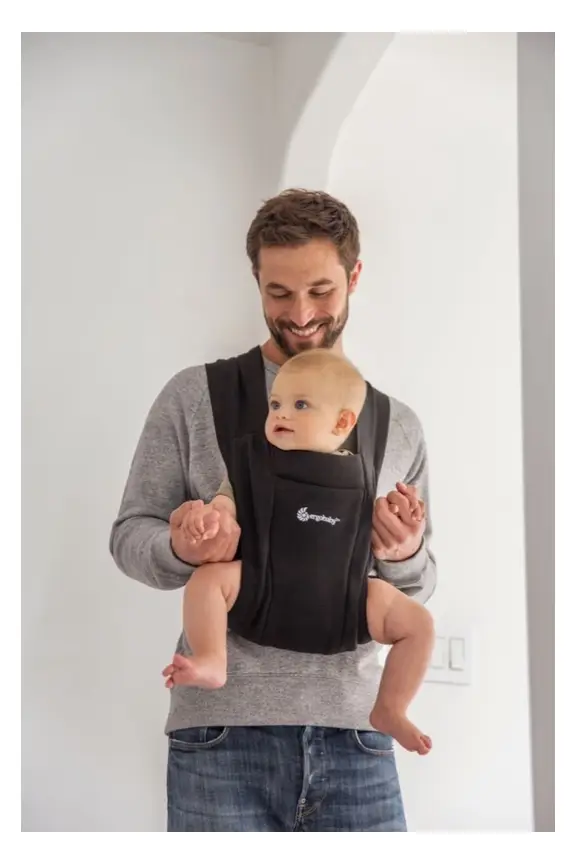


Ergobaby Embrace
A soft knit newborn carrier that buckles on, with no long wrapping.
Read our full review →Sources and further guidance
- Australia: Product Safety Australia, Baby carriers, wraps and slings guide.
- Australia: Pregnancy, Birth and Baby, Babies in hot weather.
- Australia: Red Nose, Slings and baby carriers.
- United Kingdom: The Lullaby Trust, Baby slings and carriers.
- United States: CPSC, Safe babywearing and sling safety.
- Canada: Caring for Kids, Dehydration and diarrhea.
This article provides general information, not medical advice. Ask a health professional about your baby's health or a rash. Some links may be affiliate links. If you buy through them, BabyGearFinder may earn a commission at no extra cost to you.
Sources
- Product Safety Australia – Baby carriers, wraps and slings guide
- Pregnancy, Birth and Baby – Babies in hot weather
- Red Nose Australia – Slings and baby carriers
- The Lullaby Trust (UK) – Baby slings and carriers
- U.S. CPSC – Safe babywearing and sling suffocation warning
- Caring for Kids (Canadian Paediatric Society) – Dehydration and diarrhea
Related guides
More Clothing & Accessories →
Babywearing in Hot and Cold Weather: Mesh Carriers, Babywearing Coats and Keeping Your Baby Safe

Mei Dai and Half-Buckle Baby Carriers: A Simple Guide to Choosing and Using One
Choosing Your Baby's First Shoes: Barefoot Time, Wide Toe Boxes, and Safe Fit