












Quick answer
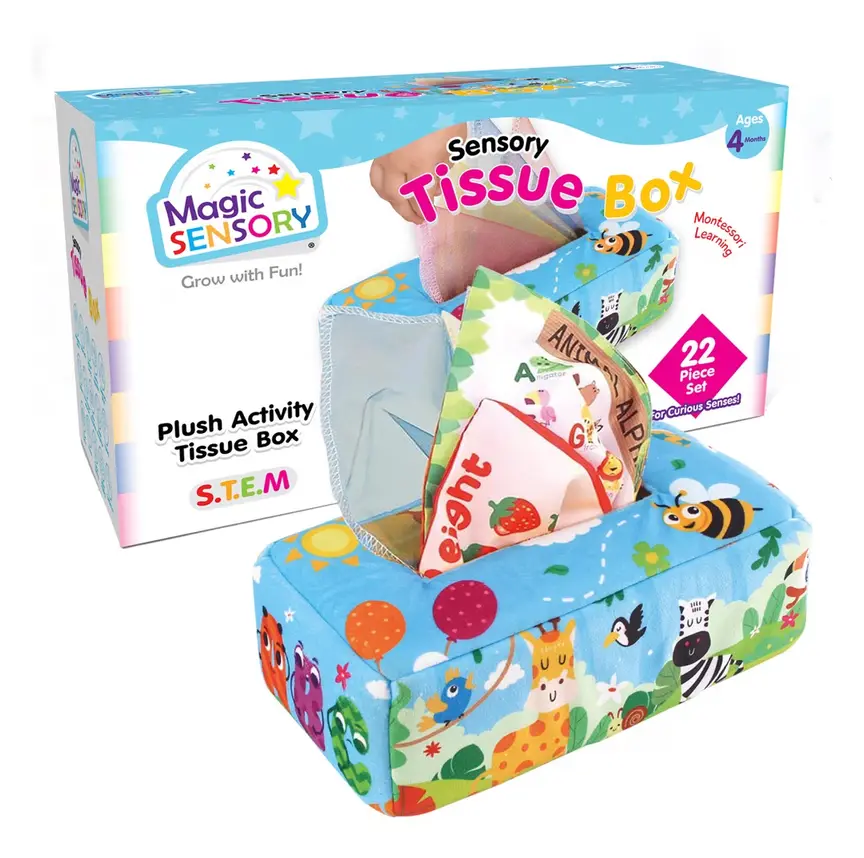
The Magic Sensory Tissue Box suits babies who enjoy pulling things out. Baby Bunting lists it as suitable from 6 months. It has a soft box and fabric tissues with varied textures. The listing also describes bright colours and crinkly sounds. Typical price about A$25 (checked Nov 2026). Its main appeal is a simple game you can repeat together. However, the retailer gives conflicting lists of the included pieces. Check the pack before buying, especially when ordering a gift. Hand wash it with gentle soap. Keep the loose fabrics out of the cot. Our score is an editorial view based on supplied research.
Buy it if
- Babies who enjoy pulling fabric from a box
- Parents who want a simple shared play activity
- Families happy to refill and hand wash a toy
- Gift buyers who can check the pack contents
Skip it if
- You need a machine-washable toy
- You want a clear, confirmed list of every included piece
- You mainly want a stacking or building toy
- You want a toy for sleep time
A fabric version of the tissue-pulling game
The Magic Sensory Tissue Box centres on a clear idea. Your baby pulls fabric tissues from a soft box. You put them back, then offer the box again. The play comes from pulling, touching and looking together.
Baby Bunting describes varied textures, bright colours and crinkly sounds. It also says the fabric resists tearing. That is a retailer claim, rather than a measured lifespan. We have no wear-test results for this toy.
The supplied research does not give a launch date. It also gives no history of earlier versions. We cannot say what changed from an older model. This review covers the named product in the supplied catalogue.
The biggest gap concerns the included pieces. Different parts of the retailer listing give different contents. Those lists should not be added together. Ask the shop which list matches its current pack.
That matters when you compare photos, gifts or replacement pieces. A picture alone may leave you unsure what arrives. Keep the pack label and order details after buying. They can help if the contents need checking.
The facts below come from the supplied Baby Bunting research. Missing details stay marked as unknown. Our comments explain the likely buying trade-offs.
Source: supplied research from Baby Bunting. The contents lists conflict. Confirm the current pack with the retailer before buying.
For babies who enjoy pulling things out
This toy makes most sense when pulling already interests your baby. Think about what they choose during awake play. Do they reach for fabric and explore it with their hands? A tissue box toy may fit that interest well.
You do not need to teach a set game first. Offer the box and let your baby take the lead. Stay nearby and watch how they handle the fabric. Pause when they turn away or seem tired.
Parents who enjoy joining in may get more from it. You can refill the box, name colours and share the surprise. The toy gives you a starting point for that time together. It does not need a lesson plan.
It may suit you less if washing already feels endless. The listed care method is hand washing with gentle soap. A toy that needs washing can spend time out of use. Think about whether that fits your home routine.
It is also a poor choice for cot entertainment. Loose fabric pieces belong in supervised, awake play. Keep the toy away from your baby's sleep space. Choose it for the pulling game, rather than a sleep aid.
The main game needs a parent nearby
Pulling is the main reason to choose this toy. The box gives the fabric a place to come from. Your baby can reach, hold and pull during shared play. The retailer links this activity with motor-skill development.
Motor skills simply means using and controlling body movements. Here, that may involve reaching and moving the hands. The supplied facts do not show measured learning gains. We cannot promise faster progress or stronger skills.
Start by making the game easy to understand. Leave a fabric edge where your baby can see it. Offer the box without pushing their hands into place. Let them decide whether to reach for it.
Refilling is part of owning this type of toy. You may spend plenty of play time putting fabric back. That can be a pleasant shared rhythm. It may also feel repetitive when you want a break.
We have no measured pulling force or grip details. We also do not know how firmly the opening holds fabric. Avoid assuming every baby will find it equally easy. If your baby struggles, pause and help without forcing a pull.
A good session does not need to empty the box. A short, happy exchange is enough reason to stop. Follow your baby's interest rather than finishing a task.
Let your baby explore at their own pace
Baby Bunting describes different textures and crinkly sounds. Those are the clearest sensory features in the supplied facts. Sensory play means exploring through senses, such as touch and hearing. It need not involve a busy or noisy set-up.
Offer a fabric piece and watch your baby's response. They may hold it, move it or let it go. You can describe what you notice in simple words. There is no need to ask for a right answer.
The retailer also describes bright colours and colour sorting. For a baby, looking and reaching may be enough. Sorting can remain a shared idea for later play. Do not treat it as a skill they must show.
The contents descriptions mention numbered and educational chart tissues. That wording does not prove a teaching result. We have no research showing this toy teaches early counting. You can name a picture without expecting your baby to learn it.
We also have no sound measurements or full fibre breakdown. The words soft and silk do not answer every material question. Ask the retailer if a specific fibre matters to you. Stop play if your baby seems uncomfortable with a texture.
Keep the pace calm and follow their cues. More fabric on the floor does not mean better play.
Plan for loose fabrics and repeat tidy-ups
The retailer calls the Tissue Box portable and lightweight. Its listed weight supports the lightweight description. Still, carrying the box is only part of the task. You also need to keep its loose pieces together.
Before leaving home, check what you have packed. Keep the toy where an adult can reach it. Avoid loose fabric near your baby's face during travel. Stop for play when you can watch and help properly.
At home, choose a clear place for awake play. The floor avoids the fall risk of raised surfaces. Keep the area away from steps, cords and hot drinks. Watch for fabric spreading into a walking path.
The toy's soft form may appeal to families avoiding another hard object. That does not make it safe for every setting. Inspect it before use and watch how your baby handles it. Never tie a fabric piece around the neck or wrist.
Do not drape the fabrics over a pram opening. Keep your baby's face clear and watch for heat. A play cloth should not become a pram cover.
At the end, gather the pieces before moving on. A simple storage habit makes the next session easier. It also gives you a chance to notice damage.
A clear play idea with unclear pack details
The strongest reason to buy is the simple play idea. Pulling fabric from a box needs little explanation. A parent can join without planning a formal activity. The textures and sounds add ways to explore together.
The main weakness is the product information. Conflicting contents lists make it hard to judge the pack. That matters even when the toy itself seems straightforward. Buyers should know what their money will bring home.
Care is another trade-off. Hand washing may be manageable for your family. It may be less appealing when toys need frequent cleaning. The supplied care advice does not support machine washing.
Our editorial score reflects those strengths and gaps. It is a research judgement, rather than a test result. The sub-scores explain where we see value and limits. They do not describe measured safety or learning performance.
Buy for an activity your baby already seems to enjoy. Skip the pressure to collect every kind of sensory toy. A useful toy earns its place through ordinary shared play. A long feature list alone cannot tell you that.
What we love
- Simple pull-and-refill play idea
- Retailer describes varied textures and crinkly sounds
- Soft fabric box
- Lightweight, with a listed product weight of 0.15 kg
- Offers a clear starting point for parent-child play
What to weigh up
- Retailer gives conflicting contents lists
- Hand wash only
- Full fibre details are not supplied
- Loose pieces need gathering and checking
- Named safety standards are not supplied
- Learning benefits have no measured results in the supplied research
Other Magic Sensory toys offer different actions
The supplied catalogue includes other Magic Sensory toys. They offer different kinds of play from fabric pulling. Shared branding does not make them suitable for the same age. Check each product's own label before choosing.
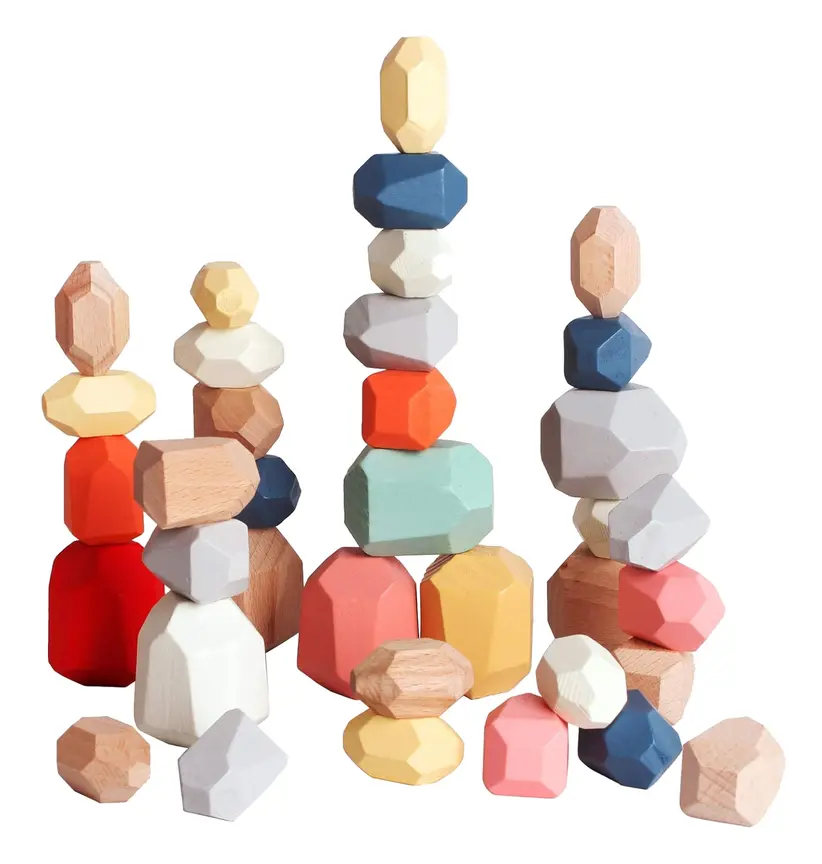
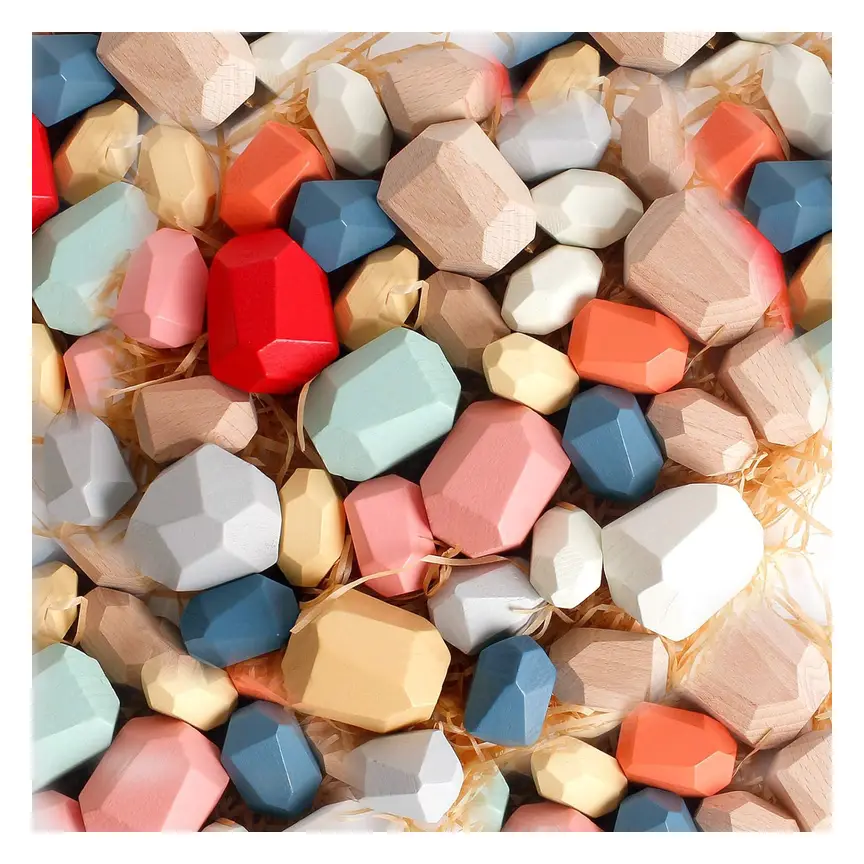
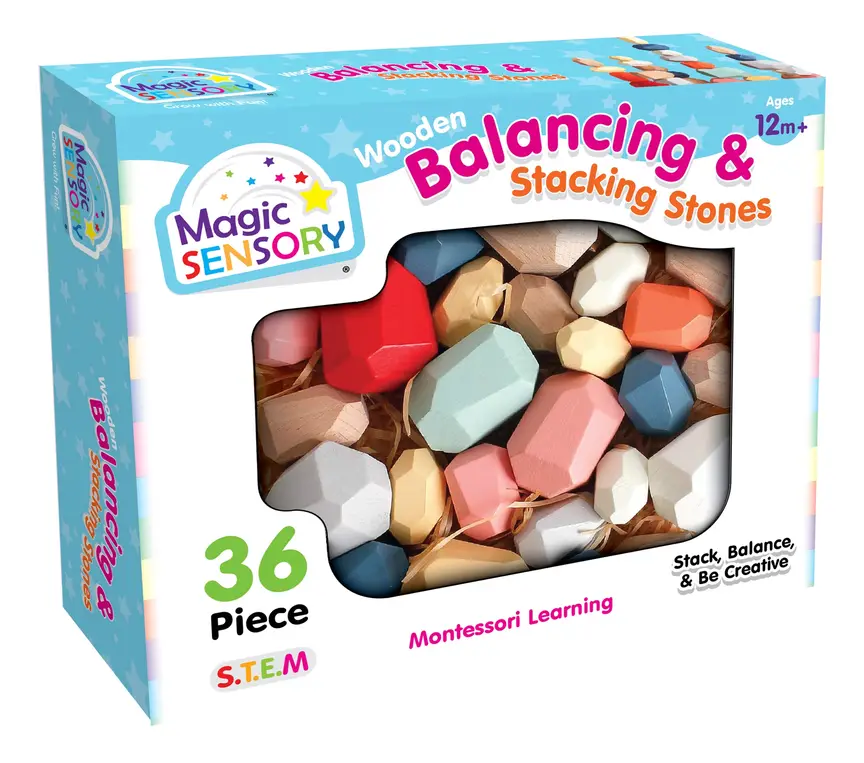
The Balancing & Stacking Stones are wooden pieces for balancing and stacking. They suit a search for that kind of activity. They are not another version of the Tissue Box. Their feel and play goal differ from loose fabric.
The Busy Board offers latches, buckles and switches to explore. That gives a different set of hand actions. Its name does not tell us its age guidance. The supplied facts do not give its full care instructions either.
We cannot rank these toys by safety or lasting interest. The research here does not contain enough detail for that. Start with the play your child enjoys, then check the label. You do not need a matching brand set.
No extra source pages were supplied for these family products. Their descriptions below use only the given catalogue summaries. Confirm materials, age guidance and care with the seller. Leave any uncertain purchase until those questions are answered.
Magic Sensory Balancing & Stacking Stones
Best for: Families looking for balancing and stacking play
The supplied catalogue describes wooden stones of different sizes. Age guidance and care details were not supplied.
Read our full review →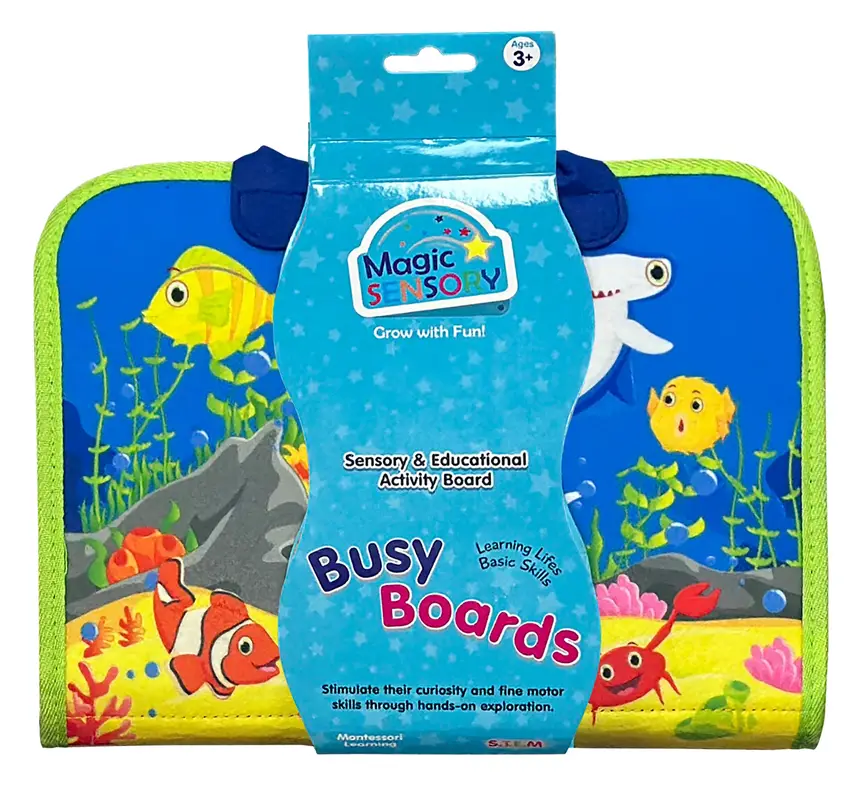
Magic Sensory Busy Board
Best for: Families looking for latches, buckles and switches
The supplied catalogue describes a small busy board. Check the product's own age label before choosing it.
Tissue Box against stacking and grasping toys
These rivals answer different play needs. They are alternatives for your toy budget, rather than matching designs. The most useful comparison is what your baby wants to do. Pulling, pushing, stacking and holding are different actions.
Fat Brain Dimpl Stack offers silicone cups with poppable bubbles. It may interest you when pushing and stacking are the goal. Fisher-Price Rock-a-Stack uses rings and a rocking base. Oball Easy-Grasp Ball has finger holes for holding.
The Tissue Box is the choice centred on pulling fabric out. That is its clearest point of difference here. Choose it when that action holds your baby's attention. Choose another style when their interest points elsewhere.
We do not have rival age labels in the supplied facts. We also lack their full sizes and care instructions. Those gaps prevent a complete like-for-like buying judgement. Confirm those details before treating any rival as a suitable swap.
The comparison uses supplied catalogue descriptions for the rivals. Only the Tissue Box has a supplied retailer source URL. We have left rival prices and measured details out. That keeps the table focused on the information available.
| Play choice | Magic Sensory Tissue Box | Fat Brain Dimpl Stack | Fisher-Price Rock-a-Stack | Oball Easy-Grasp Ball |
|---|---|---|---|---|
| Main action | Pull fabric from a soft box | Stack cups and push bubbles | Stack rings on a cone | Grasp, shake and throw a ball |
| Described form | Soft box with loose fabric pieces | Soft silicone stacking cups | Rings, cone and rocking base | Ball with finger holes |
| Why consider it | Your baby enjoys pulling fabric out | You want pushing and stacking play | You want ring-stacking play | You want a grasping ball |
| Age information supplied | Suitable from 6 months | Not supplied | Not supplied | Not supplied |
| Care information supplied | Hand wash with gentle soap | Not supplied | Not supplied | Not supplied |
Hero details come from Baby Bunting. Rival descriptions come from the supplied catalogue. Rival source URLs, age labels and care details were not supplied.
Lower-budget, premium and different play options
You may want another kind of toy entirely. A ball, play gym and spinning toy serve different interests. Comparing them helps you decide what is missing at home. It does not mean your baby needs them all.
The supplied catalogue places Oball among the lower-cost choices. Its main idea is a ball with holes for grasping. It does not offer the fabric-pulling game. Check its own age label before buying.
Lovevery The Play Gym is the premium option here. The catalogue describes a play gym with toys and picture cards. That is a different purchase from a loose fabric toy. Consider whether you want a floor-play set-up instead.
Fat Brain Spinagain offers discs that spin down a pole. That makes watching movement part of the activity. It may fit a search for stacking with a visual effect. Its supplied summary does not settle age suitability.
Melissa & Doug Wooden Latches Board belongs to older-child planning. It is not a direct baby substitute in this review. Its catalogue description gives an older age guide. Keep that difference clear when shopping for siblings.
No extra retailer URLs were supplied for these alternatives. Check current labels, care and local product details before ordering.

Oball Easy-Grasp Ball
Best for: A lower-budget grasping-toy shortlist
The catalogue describes a light ball with finger holes. Confirm its age guidance and care instructions.
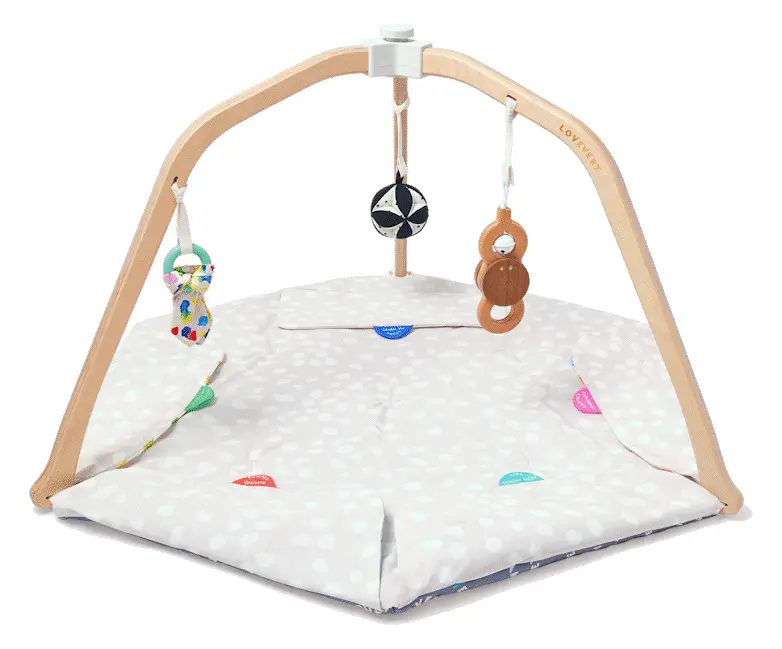
Lovevery The Play Gym
Best for: Families considering a play gym instead
The catalogue describes a play gym with detachable toys and picture cards. This offers a different kind of play set-up.
Read our full review →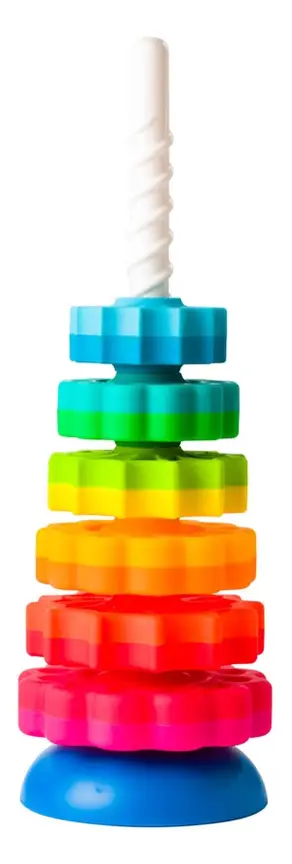
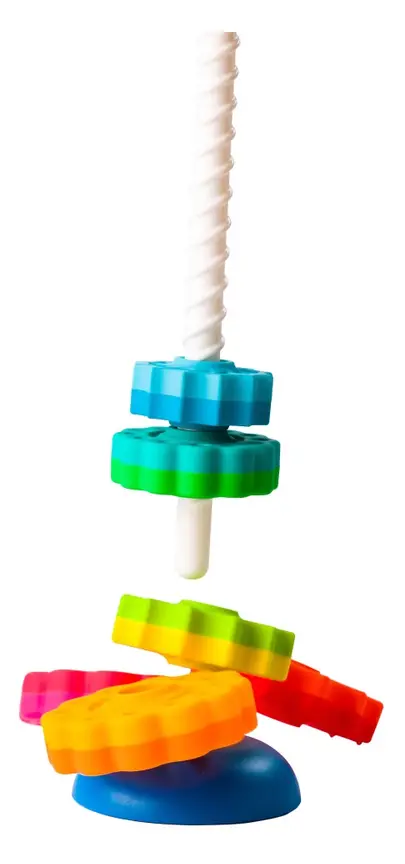


Fat Brain Spinagain
Best for: Families interested in spinning and stacking
The catalogue describes coloured discs that spin down a pole. Age guidance was not supplied.
Read our full review →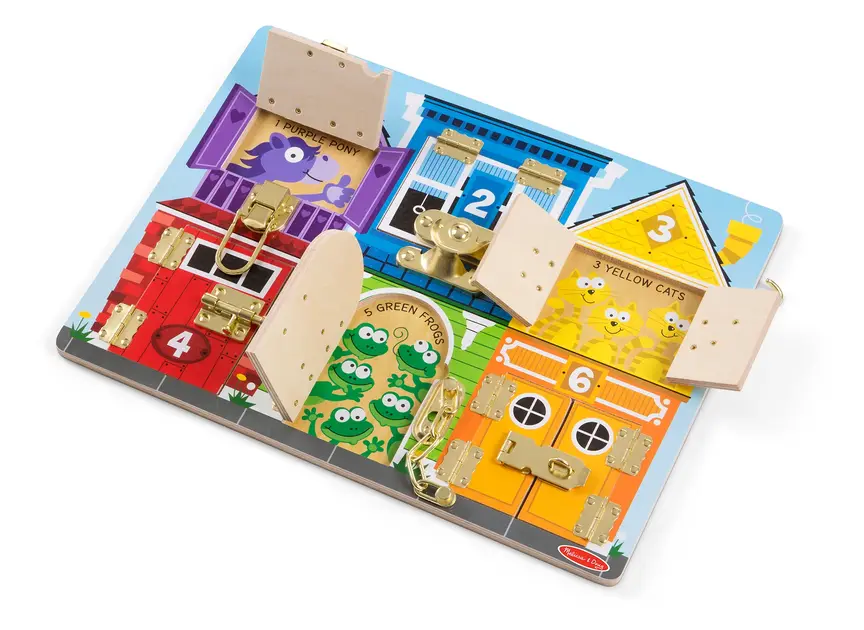
Melissa & Doug Wooden Latches Board
Best for: An older child's latch-opening activity
The supplied catalogue lists ages 3+. This wooden latches board is not a direct substitute for a baby's tissue toy.
Check the local pack and its safety information
The supplied facts name no safety standard for this toy. That is a gap in our information. It does not prove the toy passed or failed a rule. We cannot make either claim from the research provided.
Australian buyers have a Baby Bunting product page to consult. Ask the retailer about the current pack and safety information. Read the age label and warnings before offering the toy. Keep those instructions where you can find them again.
For the UK, US and Canada, local details remain unconfirmed. The supplied facts do not establish local stock or certification. They also do not confirm local returns or support. Check with the seller serving your country before ordering.
A matching name does not settle every regional question. Compare the pack contents, age guidance and care label. Ask who can help if a piece arrives damaged. Do this before relying on an overseas listing.
The standards table is a general category guide. It should not be read as this product's certificate. The product-specific evidence here remains limited to the supplied facts. Keep that limit in mind when making your choice.
During play, supervise closely and keep loose fabric clear of faces. Remove damaged pieces and ask the seller for advice.
What to check before you order
Begin with the question the listing leaves unanswered. What exactly comes inside the current pack? Ask for a clear contents list if that matters to you. Do not combine the conflicting descriptions into a larger set.
Next, read the age guidance on the actual product. The checked retailer facts say suitable from 6 months. For other toys, do not carry that age across. Each product needs its own check.
Think about care before choosing a fabric toy. Would you be happy to hand wash it? Where would you leave it while it dries? A clear care routine may matter more than extra play ideas.
Look at your baby's current interests as well. A pulling toy makes sense when pulling holds their attention. It may add less when they prefer another activity. There is no need to buy it for a promised milestone.
If it is a gift, help the parent avoid guesswork. Keep the receipt and leave the pack information intact. Explain that the retailer's contents descriptions differ. A gift is easier to judge with clear, honest details.
For overseas orders, settle local support questions before paying. The supplied research does not answer them.
- Confirm the current contents
Ask which contents list matches the pack being sold.
- Read the age label
Baby Bunting lists the Tissue Box from 6 months. Check the actual pack too.
- Accept the care method
The supplied instruction is hand wash only with gentle soap.
- Ask about missing material details
Request a full fibre description if that affects your choice.
- Check local support
Confirm who handles questions, damage and returns in your country.
- Choose a safe play space
Plan for supervised floor play, away from cords and steps.
- Keep the receipt
Save the pack details in case the contents need checking.
Do not turn a simple toy into a promise
The retailer describes sensory exploration and motor-skill development. Those phrases describe intended play benefits. They do not give a measured result for your baby. Avoid buying because you feel they must learn faster.
Numbered fabrics can tempt adults to turn play into a quiz. Your baby does not need to perform for the toy. Name a colour or picture if it feels natural. Then give them room to explore or stop.
Do not read tear resistance as a guarantee against damage. Inspect the box, seams and loose pieces before play. Stop using damaged parts while you seek advice. We have no repair instructions for this product.
Cleaning shortcuts are another risk to avoid. The supplied care says hand wash with gentle soap. It does not support machine washing, bleach or tumble drying. Ask the seller before trying a different method.
Keep the fabric pieces in their proper role. They are play items, rather than sleep or travel covers. Do not tie them to your baby or pram. Keep them away from cords and your baby's face.
Finally, do not overlook the unclear contents list. Confirming it before purchase can prevent a disappointing surprise.
The retailer descriptions conflict. Do not add their totals together.
No measured learning results were supplied for this toy.
Keep the toy and its pieces out of the cot.
Keep your baby's face clear. Watch for heat and keep fabric away from cords.
Tear-resistant fabric still needs checking. Remove damaged pieces from play.
Check each alternative's label before treating it as a suitable swap.
Wash gently and keep the pack information
The supplied cleaning advice is brief and clear. Hand wash only, using gentle soap. No water temperature or drying method was supplied. Follow the pack for any further care steps.
Ask the retailer if the care label leaves you unsure. Do not assume fabric means machine washable. We also cannot confirm steam cleaning or other cleaning methods. Stick to the stated method until you receive clear advice.
After washing, let every part dry fully before storage. Check the box and fabrics when gathering them together. Look for damage that changes how a piece holds together. Put uncertain pieces aside and seek advice before more play.
Keep the original contents label if you can. It is especially useful with this product's conflicting online descriptions. A photo of the pack may help with later questions. Save any care instructions along with it.
If you pass the toy on, describe its condition plainly. Say which pieces are included and which are missing. Do not call it complete unless you can check that. Pass along the age and care information too.
We have no evidence for a resale value or lifespan. The best reason to keep it is continued safe interest. When that fades, there is no need to force play.
Questions parents ask
What age is the Magic Sensory Tissue Box for?
Baby Bunting lists it as suitable from 6 months. The supplied age range is 6–12 months. Read the age guidance on your actual pack before use. Age guidance does not replace watching your baby during play. Follow their interest and stop when they seem tired or uncomfortable.
What comes inside the Magic Sensory Tissue Box?
The retailer gives conflicting lists. One names a soft box, 10 numbered tissues, 8 coloured texture tissues and 6 educational chart tissues. Another names 13 multi-themed crinkle papers and 8 colourful silk scarves. We cannot confirm which describes the current pack. Ask the retailer before buying.
Can you put the Magic Sensory Tissue Box in the washing machine?
The supplied care instruction says hand wash only with gentle soap. It does not support machine washing. No washing temperature or drying method was supplied either. Read the pack for further steps. Ask the retailer before using bleach, steam, a tumble dryer or another cleaning method.
How much does the Magic Sensory Tissue Box cost?
Typical price about A$25 (checked Nov 2026). This is the supplied manually checked Australian price. It is not a live price or sale offer. Prices for the UK, US and Canada were not supplied. Check the current seller details before ordering, including delivery and local support.
How big is the Magic Sensory Tissue Box?
The listed product size is 8.5 cm H × 21 cm W × 13 cm L. Its listed product weight is 0.15 kg. These figures describe the toy itself. The packaging has separate dimensions and weight. Check which figures a seller is showing when comparing listings.
Does the Tissue Box help babies learn?
The retailer says it supports sensory exploration and motor-skill development. It also describes problem-solving, colour sorting and parent-child play. Those are intended benefits, rather than measured outcomes in our research. No learning study was supplied. Use it for shared play without expecting faster development or early counting.
Is the fabric safe if my baby puts it in their mouth?
The supplied facts do not establish teething suitability or food-contact safety. They also do not provide full fibre details. We cannot call it a teether. Follow the product warnings, supervise closely and keep fabric clear of the face. Ask the retailer about material questions before offering it.
Can my baby sleep with the Tissue Box?
Keep this toy and its loose fabrics out of the cot. Follow Red Nose safe sleep advice. Put baby on their back on a firm, flat sleep surface. Keep the sleep space clear. The Tissue Box belongs in supervised, awake play and does not prevent SIDS or SUDI.
Is the Magic Sensory Tissue Box better than a stacking toy?
That depends on the activity your baby enjoys. The Tissue Box centres on pulling fabric out. A stacking toy offers a different action. Neither is automatically the better choice. Check each toy's age label, care and contents. Then choose for your child's interest and your home routine.
Can I buy the same version in the UK, US or Canada?
The supplied research does not confirm local availability or matching versions. It also gives no local certification or support details. Ask a seller serving your country about the exact pack. Confirm its age guidance, contents, warnings and returns process. Do not assume an overseas listing answers those questions.
More in-depth reviews
 🪑 Highchairs & Booster Seats4baby Flat Fold Highchair Review7.5/10
 🪑 Highchairs & Booster Seats4baby Grow With Me Wooden Highchair Review7.8/10
 🚼 Prams & StrollersBaby Jogger City Tour 2 Review8.4/10
 🎠 Bouncers, Rockers & SwingsBabyBjörn Bouncer Balance Soft Review8.2/10
 🎠 Bouncers, Rockers & SwingsBabyBjörn Bouncer Bliss Review8.6/10
 🤱 Baby Carriers & WrapsBabyBjörn Carrier Hold Review8.0/10
Sources & how we checked
Specifications are taken from the manufacturer and major retailers and cross-checked; prices are typical RRPs and change often — the buttons show today's price. We do not invent star ratings or review counts.
BabyGearFinder earns a commission from qualifying purchases through retailer links, at no extra cost to you. It never changes our verdict.