











Quick answer
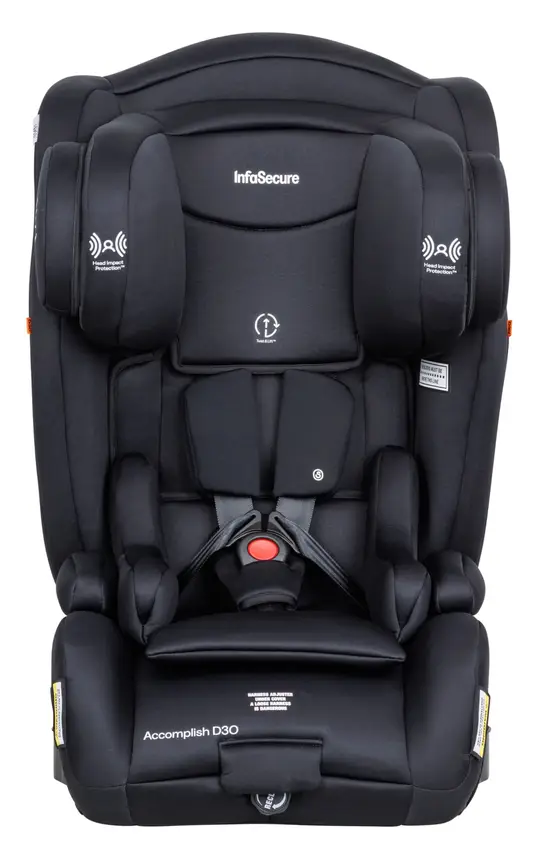
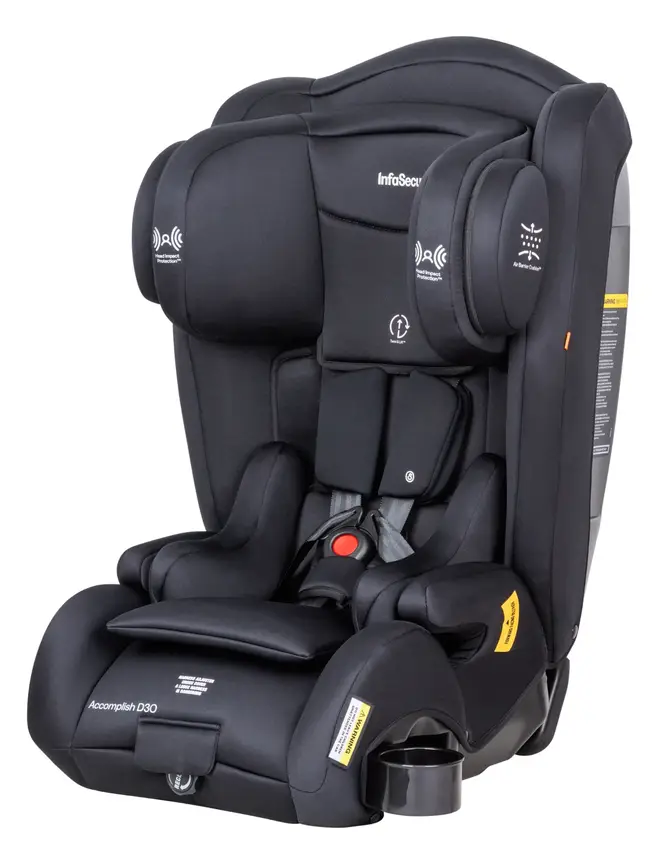
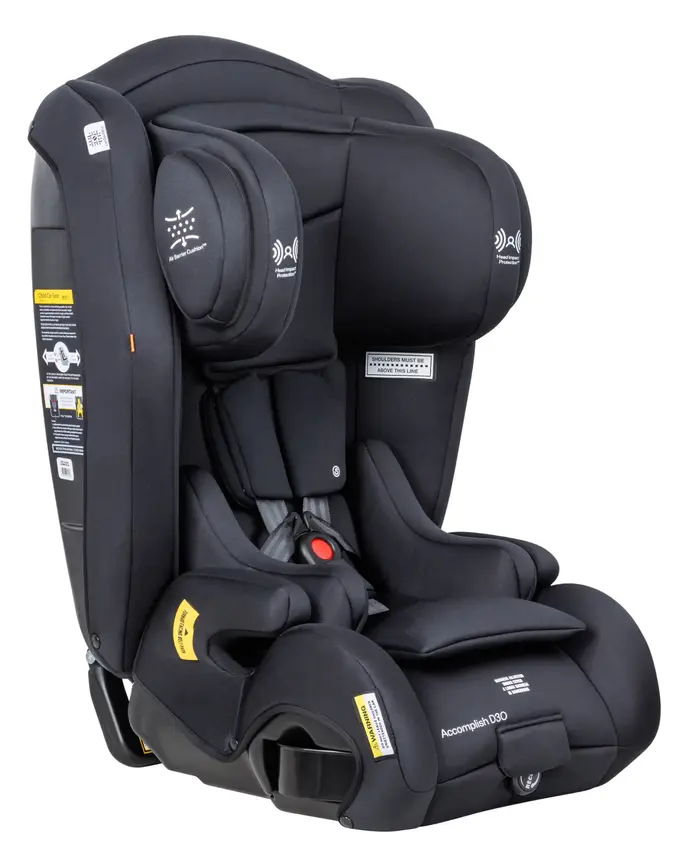
The InfaSecure Accomplish D30 is a forward-facing harnessed seat. Baby Bunting lists use from about 12 months to 8 years. The same listing also mentions extended harness use from about 6 months. Ask InfaSecure to explain that difference before relying on either age. Your child's fit and the manual must guide use. The seat has a built-in 6-point harness, adjustable headrest and buckle, and recline adjustment. It weighs 12.5 kg and measures 76 × 52 × 52 cm. Typical price about A$459 (checked Nov 2026). It suits families seeking a longer harness stage. Check the car fit first, and do not treat the age range as a promise.
Buy it if
- Families looking for extended use of a built-in harness
- Parents who can check the seat in their own car
- Families who value linked headrest and harness adjustment
- Buyers who understand the forward-facing design
Skip it if
- Your child still needs a rear-facing seat
- You need a seat for a newborn
- You need a light seat for frequent car changes
- You cannot confirm enough space and correct child fit
What the Accomplish D30 offers
The Accomplish D30 has a clear main aim. It keeps a built-in harness available as your child grows. The supplied catalogue calls it a harnessed booster seat. It also lists the design as forward-facing. That is the starting point for deciding whether it suits.
The word booster can cause doubt here. Do not assume every seat with that name works alike. The key feature listed here is its built-in harness. Read the manual for the exact way this model works. Do not assume it changes into another mode later.
Baby Bunting lists several features around that main job. These include linked headrest and harness adjustment, recline adjustment, and buckle adjustment. It also lists impact features and fabric designed to manage moisture. We explain those claims below without giving them a crash score.
We have no checked launch date for this model. We also have no clear record of earlier model changes. That means we cannot say what is new this year. This review covers the supplied Australian model and checked retailer details.
The price gives you a useful starting point. Typical price about A$459 (checked Nov 2026). Whether that is good value depends on fit and use. A long listed age range means little if the seat does not suit your child or car.
Hero specifications come from the supplied Baby Bunting source. The age descriptions differ. Confirm the correct starting point with InfaSecure and the current manual.
Who should consider it
This seat makes most sense for a family seeking extended harness use. You may be looking beyond a younger child's current seat. You may also want a clear adjustment system as they grow. Those are fair reasons to put it on your shortlist.
Start with your child, rather than the advertised age range. Check the manual's rules and the seat's fit labels. Ask a trained child restraint fitter if anything seems unclear. Age alone cannot show whether the harness fits correctly.
The supplied details do not include a child weight limit. They also do not give the shoulder height limits. We will not fill those gaps with a guess. Get those details before deciding this is your child's next seat.
It is a weaker choice if frequent carrying matters. The listed seat weight deserves attention before you commit. Think about who will move it and how often. Ask to handle the display seat if the shop allows.
This is also not a newborn purchase. An included infant insert does not change the approved starting point. Nor should the long upper age range drive an early move. If your child still needs rear-facing travel, choose a suitable rear-facing seat. Ask for advice about the right stage before buying.
Check the fit in your own car
Car fit should come before fabric, cup holders or colour. The listed outer size is useful for planning. It cannot confirm a correct fit on its own. Your car's seat shape and the required fitting steps still matter.
The Accomplish D30 measures 76 × 52 × 52 cm. Those figures describe height, width and length. The source does not give a separate fitted size. It also does not say how the size changes with adjustment. Ask to see the seat fitted before judging space.
Look at access as well as room around the shell. Can you reach the buckle without a struggle? Can you check the harness without leaning at an awkward angle? Can the person doing daily trips repeat those steps calmly? These are useful questions during a fitting check.
Baby Bunting describes a simple belt path. That is a feature description, not a promise about your car. The supplied details do not give the full fitting method. They also do not confirm ISOFIX for this model. Use the manual rather than filling in the gaps.
Do not assume it will fit beside other child seats. A width figure cannot settle that question by itself. Bring the other seats to the fitting appointment where possible. Ask the fitter to assess the whole back seat arrangement.
A longer harness stage needs regular checks
The built-in harness is the main reason to consider this seat. Baby Bunting lists a six-point harness for extended use. That gives this model a different purpose from a simple booster. Still, the full fit rules matter more than the headline.
The source describes use up to a large eight-year-old. Treat that as broad age guidance. It is not a promise for every child that age. The supplied facts do not include the exact upper shoulder marker. Check that limit before counting on years of use.
Twist & Lift is the name of the adjustment system. The retailer says it adjusts the headrest and harness together. It also says this can be done with one hand. We have not checked the feel or effort ourselves. Try the control before deciding how easy you find it.
The seat also has a height-adjustable buckle. An adjustable crotch buckle and tether strap are listed too. These give you more things to check during fitting. They do not mean every setting suits every child. Follow the manual's steps for each adjustment.
Make fit checks part of normal ownership. Growth can be easy to miss between busy school runs. Ask the fitter to show the signs that need adjustment. Make sure every regular carer understands those signs as well.
Recline, fabric and impact features
The retailer calls the recline system Gradual Recline. It lists unlimited recline positions rather than fixed numbered stops. That describes how the system adjusts. It does not mean every angle is allowed in every car. Use only the settings allowed by the manual.
The supplied facts do not give a recline angle range. They also do not show how much room recline needs. Check both points when the seat is fitted. Ask whether you must change anything else after an adjustment. Do not make that decision from a product photo.
CaféTek is the name of the fabric technology. Baby Bunting says it helps manage moisture and odour. That may interest families dealing with sweaty trips. However, the source gives no measured cooling result. We cannot promise a cool child or a sweat-free ride.
The impact features have several names. They are D3O, Secur-air and Air Cocoon Technology. The listing confirms these features are included. It does not supply comparative crash results for this review. We cannot rank their protection against rival seats from names alone.
The included cup holders and pads may also appeal. Check their allowed use in the manual before making changes. A comfort feature does not replace correct harness fit. Likewise, a long feature list does not prove better crash protection.
The strongest points and clearest limits
The strongest reason to shortlist this seat is clear. Its built-in harness is intended for a long growth stage. The linked headrest adjustment supports that purpose on paper. Buckle adjustment gives you another fit detail to discuss.
The included items also make the package easy to understand. Baby Bunting lists cup holders, an insert and pads. You can ask the shop to show each part. This helps you learn what belongs with the seat. It also helps when checking a used example later.
The main limits involve weight, space and missing fit details. We cannot call it easy to move without handling it. We cannot call it roomy without checking a child inside. We also cannot call it compact from the supplied measurements.
The age wording needs more care than a quick sales summary. Different starting ages appear in the same supplied research. That should lead to a question before purchase. It should not lead to choosing whichever age sounds more useful.
These trade-offs explain our overall editorial score. The listed features form a useful package for the right family. But key checks remain personal to your child and car. Resolve those checks before deciding the long harness range offers value.
What we love
- Built-in harness intended for extended use
- Linked headrest and harness adjustment
- Adjustable buckle features
- Recline adjustment is listed
- Cup holders, insert and pads are included
- Clear retailer guidance on basic cleaning
What to weigh up
- Seat weighs 12.5 kg
- Listed width needs checking in your car
- Starting age wording differs within the source
- Exact child height and weight limits were not supplied
- No comparative crash results were supplied
- No checked launch history or model changes were supplied
What we can say about the InfaSecure range
No other verified InfaSecure model was supplied for this review. We therefore cannot build a useful same-brand shortlist. Adding a familiar name without its checked details would not help. It could also point you towards the wrong product version.
This gap does not mean the brand has no other seats. It means this review has no supplied same-brand entries to use. Keep that difference in mind when looking at the range. An empty list is more honest than an invented comparison.
If you visit a retailer, ask about the exact model name. Similar names can make a shopping list hard to follow. Ask for the current manual for the seat on display. Then compare its stated use with your child's needs.
You can also ask what changes between nearby models. Request written details rather than relying on a quick description. Useful points include approved use, adjustment and fitting steps. We cannot confirm those differences from the information supplied here.
For this review, the Accomplish D30 remains the only same-brand entry. The next section compares it with the supplied rival shortlist. Those options cover different needs, so they need careful reading too.
Accomplish D30 versus the supplied rivals
Our comparison uses the supplied catalogue to form a shortlist. It includes the Britax Safe-n-Sound Maxi Rider, Maxi-Cosi Pria and Nuna Rylo 360. These seats do not all cover the same job. Start by checking which type your child needs.
The Maxi Rider is listed as a harnessed booster. The supplied catalogue describes a later change to booster use. That differs from the Accomplish's main extended harness message. Ask for the exact mode limits before comparing their useful life.
The Pria is listed as a convertible car seat. In plain words, it offers rear-facing and forward-facing use. That makes the buying question different from this forward-facing seat. It may belong on your list if rear-facing use still matters.
The Rylo is listed as a rotating convertible seat. Its turning design is a different feature to weigh up. Do not assume rotation gives the same growth range. Check the child fit rules and the fitting method separately.
Only the Accomplish has a source URL in the supplied facts. Rival entries came without their own manufacturer or retailer links. We have therefore left rival prices and measured specifications out. Treat this table as a guide for further checks. It does not establish a safety winner or confirm local stock.
| Buying question | InfaSecure Accomplish D30 | Britax Safe-n-Sound Maxi Rider | Maxi-Cosi Pria | Nuna Rylo 360 |
|---|---|---|---|---|
| Type in supplied catalogue | Harnessed booster seat | Harnessed booster seat | Convertible car seat | Rotating convertible car seat |
| Main reason to investigate | Extended built-in harness use | Harness and later booster stages | Rear-facing and forward-facing use | Rotation and convertible use |
| Key question before buying | Does the harness fit your growing child? | When does harness use end? | Does the approved mode suit your child? | Does the turning design suit your car? |
| Manufacturer or retailer URL supplied here | Yes; Baby Bunting | No | No | No |
| Comparative crash evidence supplied | None | None | None | None |
Rival descriptions are from the supplied catalogue only. Their source URLs were not supplied. Confirm current specifications, approval and availability before buying.
Lower-cost, premium and different options
A useful alternative should solve a real need. It should not simply have a lower price or longer feature list. Decide what you need to change from the Accomplish first. That might be rear-facing use, easier access or another seat type.
The supplied catalogue places Mother's Choice Accord AP in its value range. It describes it as a convertible seat. That makes it a budget lead to research. We cannot give a current sourced price comparison here. Its own retailer or manufacturer URL was not supplied.
The Nuna Rylo 360 sits in the supplied premium range. It is a rotating convertible model. Consider it if that design answers a daily access problem. Then check the actual fit and allowed use. A premium label is not evidence of better crash protection.
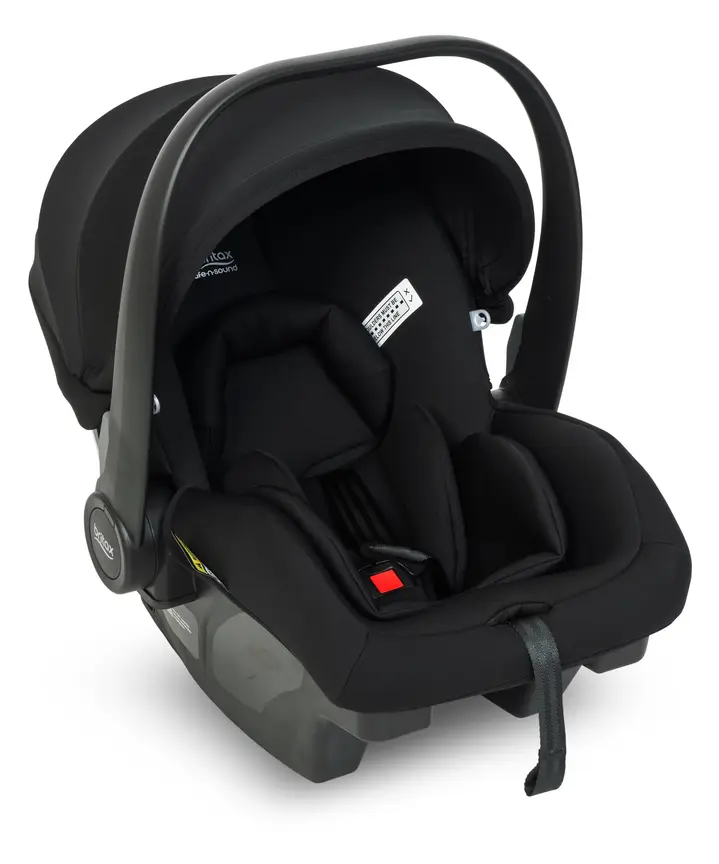
The Britax B-Pod Lite serves a different stage. The supplied catalogue describes an infant capsule with a base. It is not a like-for-like replacement for an older child's seat. It belongs here only for families shopping for a newborn.
These options show why seat type matters before price. A cheaper unsuitable seat does not solve your problem. A dearer unsuitable seat does not solve it either. Use the shortlist to ask better questions. Confirm each product through its own current Australian information before buying.
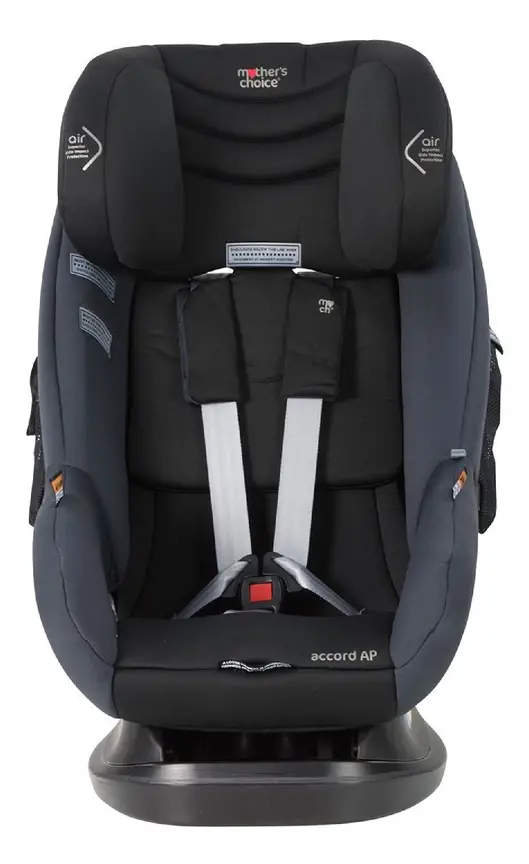
Mother's Choice Accord AP
Best for: Researching a value-range convertible seat
The supplied catalogue lists a value-range convertible design. Confirm its current details and price through a primary source.
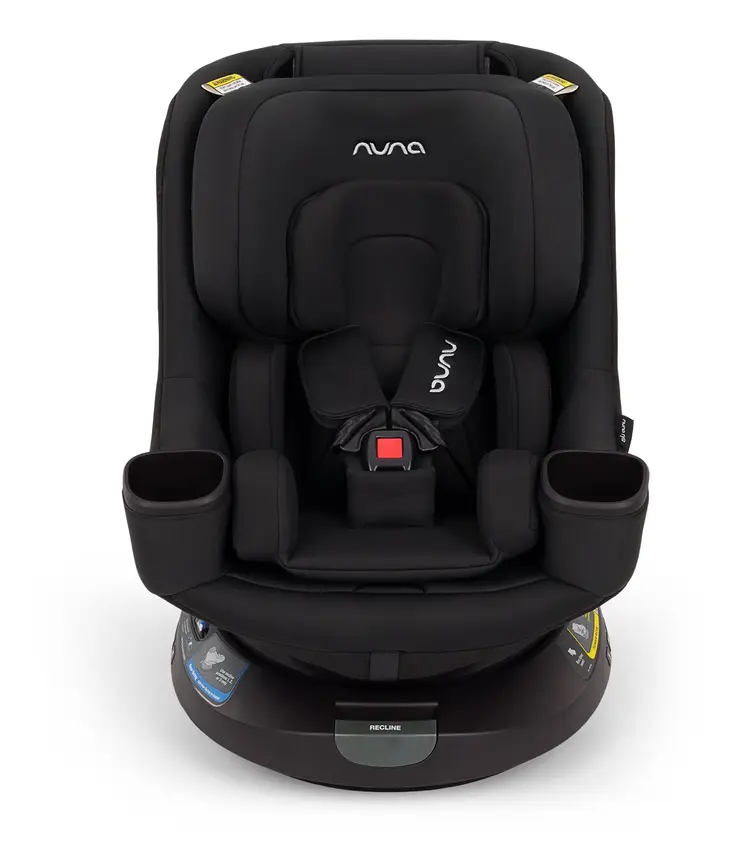
Nuna Rylo 360
Best for: Researching a rotating convertible design
The supplied catalogue lists rotation and convertible use. Check the approved child range and fit in your car.
Read our full review →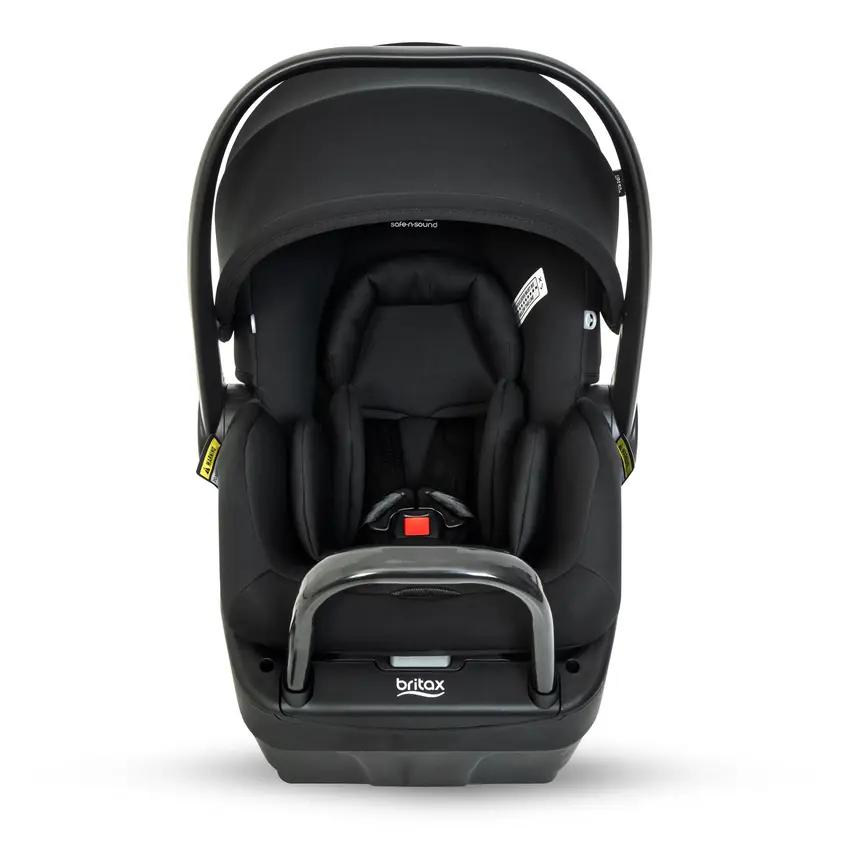
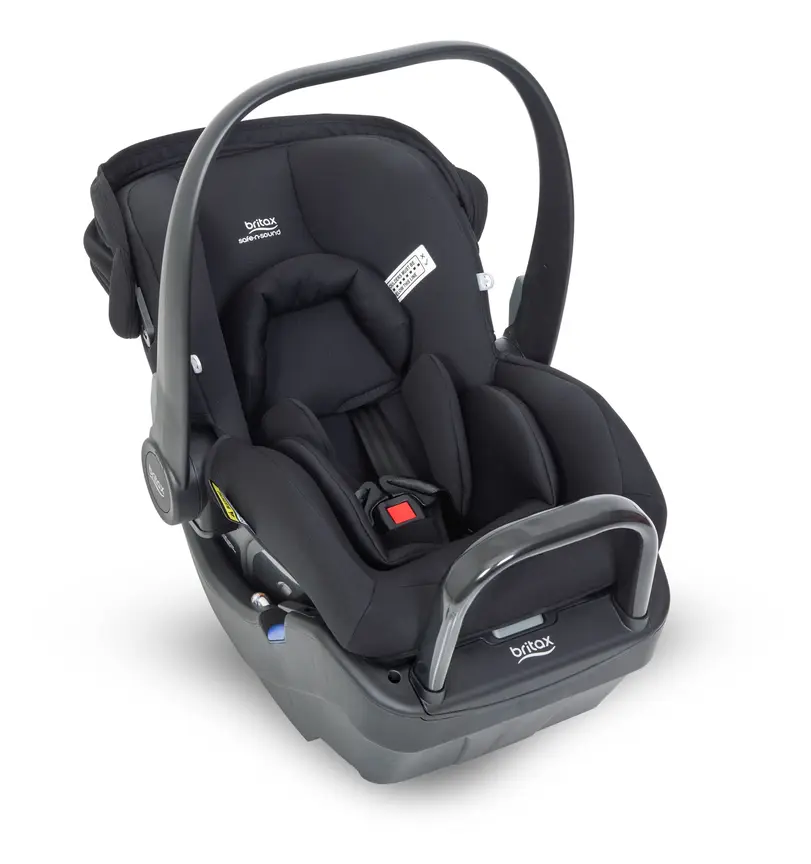
Britax B-Pod Lite
Best for: A separate newborn capsule shortlist
The supplied catalogue describes an infant capsule with a base. It serves a different stage from the Accomplish.
Read our full review →Check the approved version for your country
The supplied Australian listing names AS/NZS 1754. This is the child restraint standard named for this seat. The supplied catalogue also records Australia as its region. Those facts support reviewing this specific Australian version.
They do not confirm approval for the UK, US or Canada. We have no supplied certification details for those countries. We also have no checked local availability or support information. Do not treat the Australian listing as proof of overseas approval.
If you live outside Australia, ask for local written guidance. Confirm the exact model and version with the local supplier. Check the label on the actual seat you plan to buy. A matching brand name does not answer that question.
The same care applies when moving country with your family. Ask about the rules before planning to take this seat. This review cannot settle cross-border use from the supplied facts. It also cannot confirm that an overseas version matches this one.
Correct use matters alongside the approval label. Follow the seat manual and your vehicle's instructions. Keep the harness and fitting parts set as directed. Never leave a child alone in the car. For sleep outside travel, follow Red Nose safe sleep advice. A car seat should not replace a cot or bassinet.
Make the buying decision in clear steps
Start by writing down the problem you need to solve. Perhaps your child is nearing their current seat's limit. Perhaps your family needs a different seating arrangement. Keep that reason in view while looking at features.
Next, collect the details this review cannot settle. Ask for the current manual and exact child fit limits. Ask the seller to explain the different starting age descriptions. Do this before paying, rather than after opening the box.
Then arrange a car fit check where possible. A showroom display cannot show your whole back seat. Take along the other seats your family uses. Explain who sits where and who handles the daily buckling.
Try the controls with permission from the shop. Check whether you can reach and understand each adjustment. Ask the fitter to watch you repeat the main steps. Being shown once may not answer every question.
Finally, check the total purchase details in writing. Confirm what comes in the box and how support works. Ask about the fitting service and the return terms. The supplied warranty summary does not explain every condition. Keep the receipt and the model details with your records.
- Confirm your child's stage
Check the current manual and the seat's fit markers. Do not use age alone.
- Resolve the age wording
Ask InfaSecure which starting guidance applies to your child.
- Check the car fit
Have the seat assessed in your vehicle with other seats present.
- Learn the fitting steps
Ask a trained fitter to explain the belt path and tether instructions.
- Try the adjustments
Check the headrest, harness and buckle controls before buying.
- Read the support terms
Confirm warranty conditions, return terms and how to get help.
Avoid shortcuts that hide a poor fit
The easiest mistake is reading the age range as permission. The supplied source uses different starting ages. Neither figure removes the need to check your child's fit. Do not move a child just to match a product headline.
Another mistake is treating an included insert as newborn approval. The insert is listed as part of the package. Its presence does not establish a birth starting point. Use it only as directed by the current manual.
Do not let impact feature names settle the safety question. The source lists several technologies without comparative crash results. We cannot turn those names into a ranking. Ask for clear evidence if a seller makes a stronger claim.
Be careful with online pictures and rough measurements too. A seat can look smaller in a large vehicle. A neat display can hide daily access problems. Check the real arrangement rather than relying on a photo.
Lastly, do not assume every carer knows this model. A grandparent may use a different harness adjustment at home. A partner may not know the correct fitting path. Go through the manual together before sharing the daily trips. Clear instructions help everyone follow the same steps.
Use the manual and your child's fit to guide the decision.
Included padding does not change the seat's approved starting point.
A simple belt path still needs the full fitting instructions.
No comparative crash results were supplied for these features.
Ask InfaSecure before adding parts that are not covered by the manual.
Check the exact version against your country's requirements.
Cleaning, warranty and life after purchase
The supplied cleaning guidance is clear about gentle care. It says to use mild soap and cold water. Wipe straps, buckles and plastic parts with a damp cloth. Do not machine-wash the harness straps.
The guidance also rules out harsh chemicals and bleach. It says not to tumble dry or dry clean. Read the full manual before removing any cover parts. The supplied summary does not explain every removal or refitting step. Ask for help if a part does not go back correctly.
Keep the manual where every regular carer can find it. Save the receipt and record the exact model details. These make support questions easier to explain later. Keep track of included pads and other removable parts too.
Baby Bunting lists a lifetime warranty on the shell. It also lists a cover warranty of 12 months. Those are the supplied headline terms only. We have no full conditions, exclusions or claim steps here. Ask what lifetime means under the actual warranty wording.
A warranty is not the same as an approved use period. The supplied facts do not give a replacement age. They also do not give the full crash replacement guidance. Check both points directly before long-term use or resale.
We cannot estimate a resale price from the supplied information. If passing the seat on, be clear about its history. Do not guess about missing parts or past damage. Ask InfaSecure for advice where the history or condition is unclear.
Questions parents ask
What age is the InfaSecure Accomplish D30 for?
Can the Accomplish D30 be used rear-facing?
Does it keep the harness until about eight years?
How heavy and wide is the Accomplish D30?
Does the Accomplish D30 have ISOFIX?
What does the Accomplish D30 cost in Australia?
Can I machine-wash the harness straps?
Is D3O proof that this seat is safer than rivals?
Can I use the Australian Accomplish D30 in the UK, US or Canada?
What warranty does the Accomplish D30 have?
More in-depth reviews
 🪑 Highchairs & Booster Seats4baby Flat Fold Highchair Review7.5/10
 🪑 Highchairs & Booster Seats4baby Grow With Me Wooden Highchair Review7.8/10
 🚼 Prams & StrollersBaby Jogger City Tour 2 Review8.4/10
 🎠 Bouncers, Rockers & SwingsBabyBjörn Bouncer Balance Soft Review8.2/10
 🎠 Bouncers, Rockers & SwingsBabyBjörn Bouncer Bliss Review8.6/10
 🤱 Baby Carriers & WrapsBabyBjörn Carrier Hold Review8.0/10
Sources & how we checked
Specifications are taken from the manufacturer and major retailers and cross-checked; prices are typical RRPs and change often — the buttons show today's price. We do not invent star ratings or review counts.
BabyGearFinder earns a commission from qualifying purchases through retailer links, at no extra cost to you. It never changes our verdict.