












Quick answer
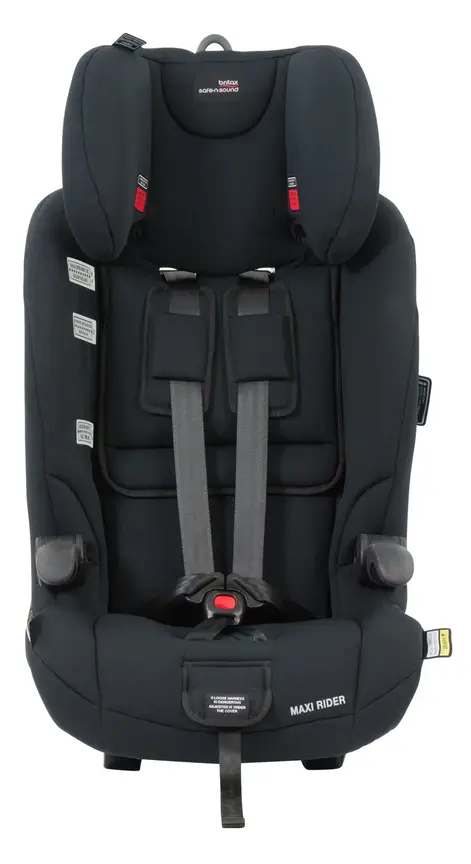
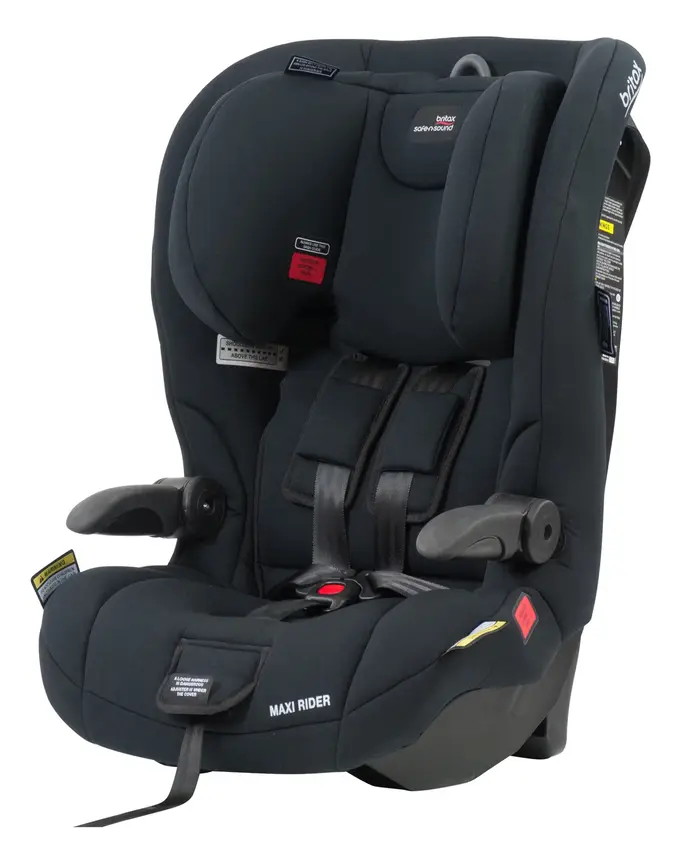
The Britax Safe-n-Sound Maxi Rider is a forward-facing harnessed booster. It uses a built-in harness, then a lap-sash car belt in booster mode. Baby Bunting lists harness use from roughly 12 months to 4 years. Booster use is roughly 4 years to 6–8 years. However, its broad age listing starts at 6 months. That conflict needs checking with Britax and the current manual. The seat weighs 6.1 kg and has an adjustable headrest. Typical price about A$349 (checked Nov 2026). Consider it when your child fits its forward-facing rules. Choose another seat if you need rear-facing use. Our score reflects the listed features and gaps, not crash testing.
Buy it if
- Families whose child fits the seat's forward-facing instructions
- Parents seeking harness and booster modes in the same seat
- Parents who value headrest adjustment without rethreading
- Buyers willing to check car fit before purchase
Skip it if
- You need a rear-facing seat
- You need a newborn capsule
- You cannot resolve the conflicting starting-age details
- You need confirmed approval for the UK, US or Canada
What the Maxi Rider offers
The Maxi Rider belongs to Britax's Safe-n-Sound range. It is a harnessed booster for forward-facing travel. That means it has different ways to secure your child. First, you use the seat's built-in harness. Later, booster mode uses the car's lap-sash belt.
This is not a rear-facing seat or newborn capsule. Its appeal is the move from harness to booster. That may suit parents planning their child's next seat. It still needs to fit the child and car. A long age range cannot settle those checks.
The supplied research gives no launch date or model history. It also gives no checked list of recent changes. We cannot say what changed from an earlier Maxi Rider. This review covers the supplied Australian product listing. Check the full model name when shopping or reading instructions.
Baby Bunting lists a moving headrest and harness. It also lists buckle holders and a quick-remove cover. These are useful features to inspect in store. They do not tell us how the seat feels. We have not fitted or used this seat.
Typical price about A$349 (checked Nov 2026). Our score is an editorial view of the supplied details. It is not a crash score or owner rating. The unclear starting age lowers our view of the listing.
Product details come from the supplied Baby Bunting research. The Australian standard is recorded in the supplied catalogue. The age details conflict. Confirm the current manual, seat label and child-fit rules with Britax.
Who should consider this seat
Consider the Maxi Rider when you need a forward-facing seat. Your child must meet the manual's rules for harness use. Ask a qualified child restraint fitter if you are unsure. Take your child and car to the fitting check. A web page cannot show how they fit together.
The harness-to-booster design may suit parents thinking ahead. You get a later belt-use mode in the same seat. That does not mean you should change modes early. Your child's fit must guide that change. Follow the seat's labels and current instructions.
Skip this model if you need rear-facing use. The supplied modes do not include that choice. A convertible seat is a different kind of purchase. Some supplied alternatives offer rear-facing and forward-facing use. They do not all serve the same later stage.
Also pause if the starting-age conflict affects your choice. The broad listing says something different from the harness details. Do not pick whichever age best suits your plans. Ask Britax to explain the exact model's rules. Keep that answer with the manual for later checks.
Parents outside Australia need a separate local check. The supplied catalogue records this version for Australia. It does not confirm UK, US or Canadian approval. A familiar brand name does not settle that question.
Check the seat in your own car
The listed size is 680 × 460 × 505 mm. The supplied facts do not name the dimension order. We therefore cannot label those numbers as height or width. Ask the retailer for a clear size diagram. Better still, arrange a fitting check in your car.
A seat's outer size is only part of fit. Check access to the parts needed for correct use. Ask the fitter to show the approved installation method. Have them explain each step using the current manual. Then try the steps yourself while they watch.
The supplied facts do not describe the installation hardware fully. They do not confirm an ISOFIX option for this model. Do not copy fitting steps from another Britax seat. A shared brand does not mean a shared belt path. Use instructions for the exact seat you are buying.
Think about your usual trips during the fitting check. Can you reach the harness without an awkward stretch? Can you see what you need to check? Can another regular carer follow the same steps? These questions matter more than a neat showroom display.
The seat weighs 6.1 kg. That figure helps you judge the load when lifting it. It does not prove that moving it is easy. Each move still calls for a correct refit. If you share cars, plan those checks before buying.
What the adjustment features mean
The Maxi Rider has a no-rethread headrest adjustment. In plain words, adjusting it does not need harness rethreading. The listing says the harness changes position automatically. Ask the retailer to show this on the display seat. Check how the manual tells you to choose the setting.
That feature may make growth changes less fiddly. It does not remove the need to check fit. Learn what correct harness placement looks like for this seat. Ask for help if the instructions seem unclear. Avoid using another model's guide as a shortcut.
Buckle holders are also listed. Look at where they sit during your store visit. Try the normal steps for getting your child seated. Decide whether the holders make those steps easier for you. We cannot judge their feel from the product facts.
The headrest has deep EPS-lined side wings. EPS is a type of foam used in the lining. The supplied facts give no crash results for this design. We cannot turn the feature name into a safety ranking. Padding and shoulder pads are listed too.
Check comfort with your child rather than guessing from photos. Look at how the headrest sits around their head. Ask how the approved adjustments work as they grow. Do not add padding to change the fit yourself. Seek advice from Britax about any fit concern.
Changing from harness to car belt
In booster mode, the Maxi Rider uses a lap-sash belt. This is the car belt across the lap and shoulder. The listed booster range starts at about 4 years. It runs to about 6–8 years. These are broad guides, not a personal fit check.
Moving to booster mode changes how the seat is used. Read that part of the manual before making changes. Ask a fitter to explain the belt route. Also ask what happens to the built-in harness. The supplied research does not include those conversion steps.
SecureGuard is among the listed features. The source details do not explain its full use. Ask Britax how to use it in the correct mode. Do not guess from the name or another product photo. The same care applies to any supplied belt guide.
A later birthday does not settle every fit question. Check the seat's stated limits and labels as directed. Ask for help if the belt path seems unclear. Do not change modes just to make buckling faster. Choose the mode your child is ready to use.
Think ahead about who will buckle your child in. Grandparents and other carers need the correct steps too. Show them the instructions for the mode in use. Check their understanding after any change. Keep the manual where adults can find it easily.
Recline, armrests and everyday care
The Maxi Rider lists 2 recline positions. The supplied facts do not give their angles. They also do not explain each position's permitted use. Check those details in the current manual. Do not assume every setting suits every mode or car.
Pivoting armrests are another listed feature. Try them during your store visit with your child. Watch whether they help you reach the needed parts. Their value will depend on your daily routine. A feature list cannot tell us how smoothly they move.
The quick-remove cover may help when a clean is needed. Quick removal does not mean every wash method is allowed. The supplied facts give no washing or drying directions. Read the care label before removing the cover. Keep the refitting instructions close while you work.
The seat includes a storage pocket. Check the manual before deciding what belongs there. A pocket does not replace keeping key instructions available. Make sure every regular carer knows where those instructions are. Clear steps matter when routines change or someone feels rushed.
There are no supplied owner reports about long-term wear. We cannot claim the cover stays fresh or dries quickly. We also cannot rate real-world recline comfort from these facts. Our daily-use view is based on listed features. Try the controls yourself before paying.
The strongest points and main limits
The main benefit is the move from harness to booster. It may reduce the need for a separate later purchase. That depends on your child's fit throughout use. It also depends on the seat's condition and instructions. We cannot promise it will cover every future need.
The listed adjustment and care features make it worth viewing. The moving headrest removes a rethreading step. The cover can be removed quickly, according to the listing. Those are clear reasons to inspect the seat. They are not proof of easy use for every family.
The biggest concern in the supplied information is age clarity. Different starting ages appear in the same research set. That needs a direct answer before purchase. Missing installation details also limit what this review can settle. We have no basis for a crash-performance comparison.
Use these pros and cons as shopping prompts. They should help you ask better questions in store. Our score does not replace a fitting check. Nor does a higher price prove a safer fit. Choose based on clear instructions and the right local version.
What we love
- Harness and booster modes in the same seat
- No-rethread headrest adjustment
- Harness repositions automatically
- Quick-remove cover listed
- Buckle holders and pivoting armrests listed
What to weigh up
- No rear-facing mode in the supplied details
- Conflicting starting-age information
- Full installation method not supplied
- No checked crash comparison or owner feedback supplied
- UK, US and Canadian approval not established
Where it sits in the Britax range
Britax's supplied range includes several kinds of child restraint. The Maxi Rider fills the harnessed-booster role here. The B-Compaq Lux is a compact convertible seat. The B-Pod Lite is a newborn capsule with a base. The Hi Liner SG is a booster seat.
Start with the type your child needs now. Then compare features within that group. A capsule and harnessed booster solve different needs. Choosing by brand alone can hide that gap. The same goes for choosing by price alone.
The B-Compaq Lux may interest parents with a small car. Its supplied description focuses on limited back-seat room. That does not prove it fits your particular car. Ask for the same fitting check you would request here. Compact wording is a reason to inspect, not a guarantee.
The Hi Liner SG offers a different later-stage choice. It is a booster rather than the Maxi Rider's combined design. Check whether you need a built-in harness before comparing them. Current fit should lead the choice within the brand. The cards below use only the supplied catalogue descriptions.
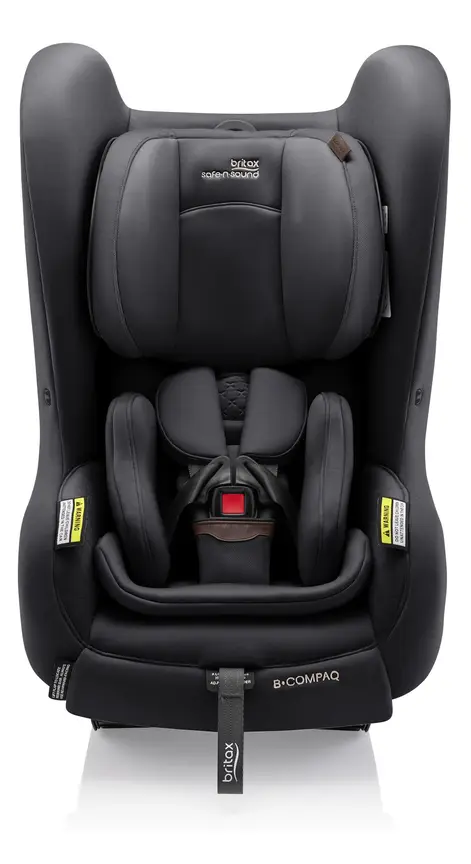
Britax Safe-n-Sound B-Compaq Lux
Best for: Exploring a compact convertible seat
The supplied catalogue describes it as made for small cars. Check the exact fit in your own car.
Read our full review →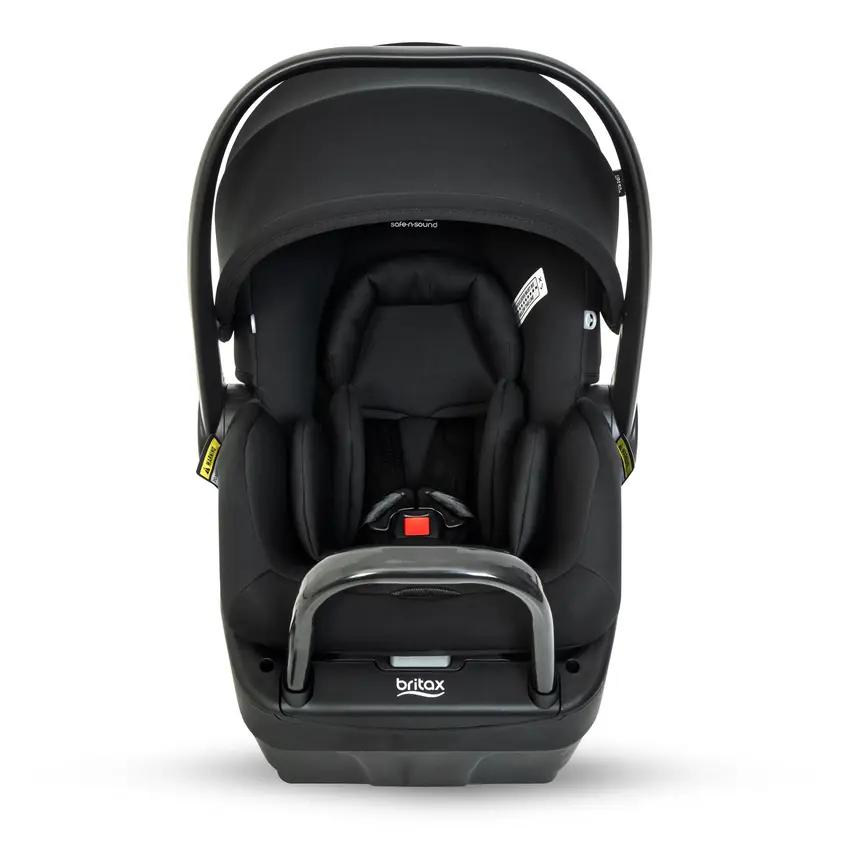
Britax B-Pod Lite
Best for: Parents seeking a newborn capsule
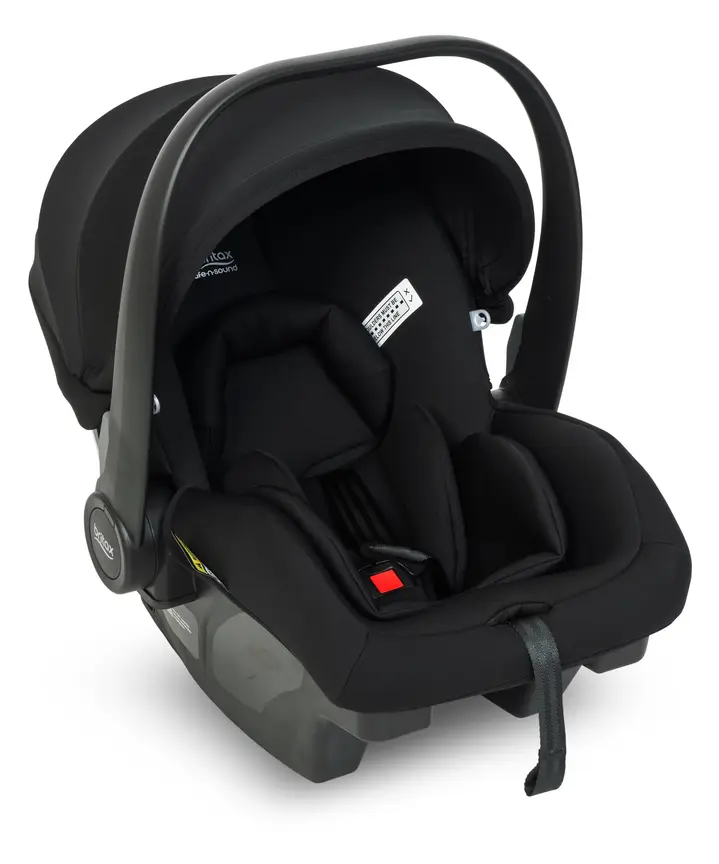
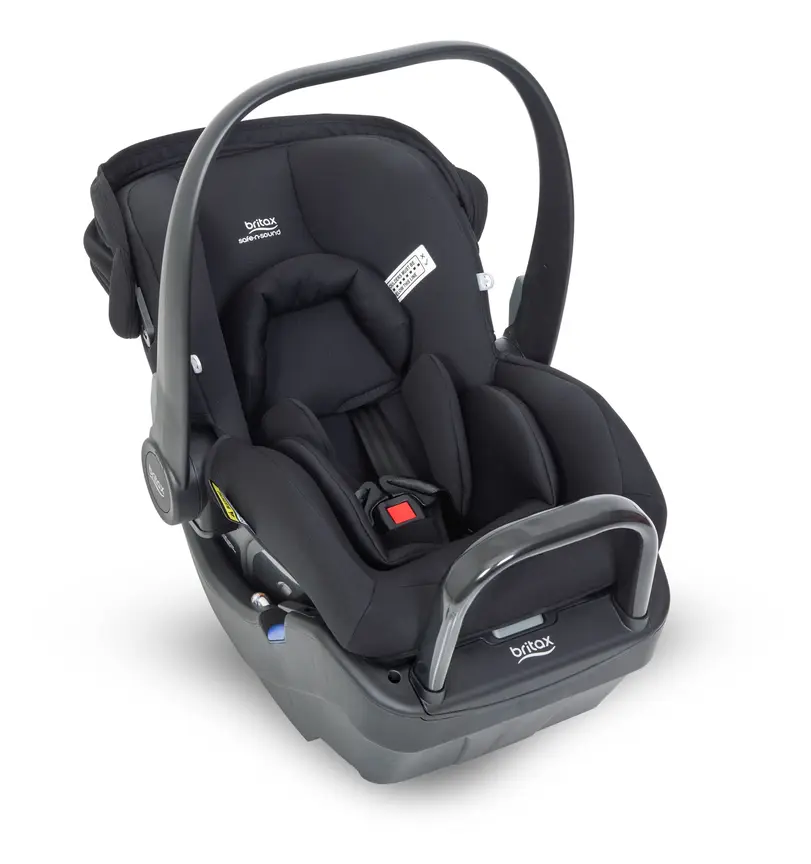
A capsule with a ClickTight base. It serves a different stage from the Maxi Rider.
Read our full review →
Britax Safe-n-Sound Hi Liner SG
Best for: Comparing a separate booster
A high-back booster for a later stage. Check belt fit and the manual before choosing it.
Maxi Rider versus convertible seats
These rivals are different types of seat from the Maxi Rider. The Maxi-Cosi Pria, Joie Armour and Accord AP are convertibles. The Maxi Rider is a harnessed booster. That difference should lead your comparison. Similar prices would not make their uses the same.
The Pria has a rear-facing option in the supplied catalogue. So does the Mother's Choice Accord AP. The Armour's supplied description highlights its steel inner shell. It also lists an extra side-impact panel. Those details do not give us a shared safety score.
Choose the needed mode before comparing smaller features. If rear-facing use matters, the Maxi Rider cannot provide it. If you seek a later booster mode, check that separately. Do not assume a convertible includes booster use. The supplied rival details do not establish that here.
The comparison below uses the supplied catalogue facts. Rival manufacturer and retailer URLs were not supplied. We cannot list missing sources or suggest they were checked. Check those models' current local pages before buying. Missing details are marked plainly rather than filled with guesses.
| Main difference | Britax Safe-n-Sound Maxi Rider | Maxi-Cosi Pria | Joie Armour | Mother's Choice Accord AP |
|---|---|---|---|---|
| Seat type | Harnessed booster | Convertible | Convertible | Convertible |
| Rear-facing information | No rear-facing mode listed | Rear-facing option listed | Range not supplied | Rear-facing option listed |
| Booster information | Booster mode listed | Not supplied | Not supplied | Not supplied |
| Listed feature | No-rethread headrest | SMART Lock belt system | Steel inner shell | ISOFIX adaptors and rebound bar |
| Source detail available here | Baby Bunting URL supplied | Catalogue summary only | Catalogue summary only | Catalogue summary only |
These seats serve different needs. Rival facts come from the supplied catalogue, which did not include rival source URLs. Missing mode details do not prove a feature is absent. This table does not compare crash performance.
Cheaper, premium and different options
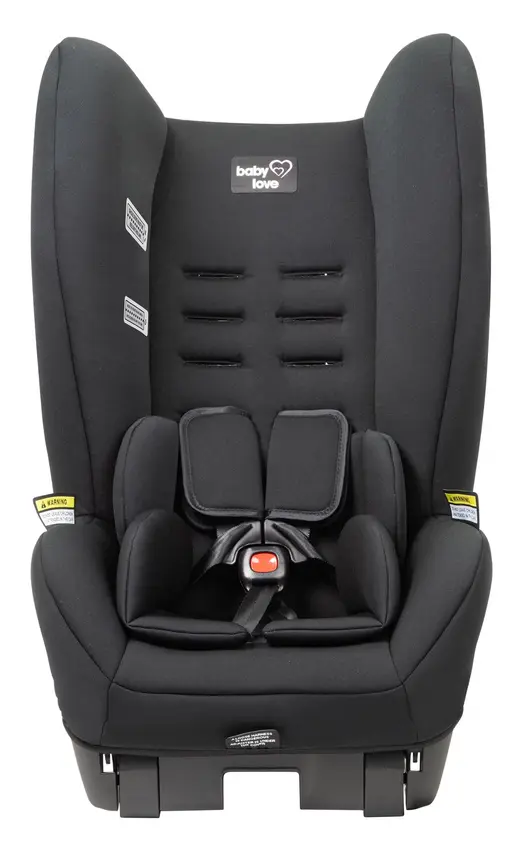
A cheaper seat is worth considering if it fits the need. The Babylove ezyone2 is a lower-cost convertible in the supplied catalogue. Its rear-facing and forward-facing design differs from the Maxi Rider. Do not treat it as the same product for less. Check the stage and limits you need first.
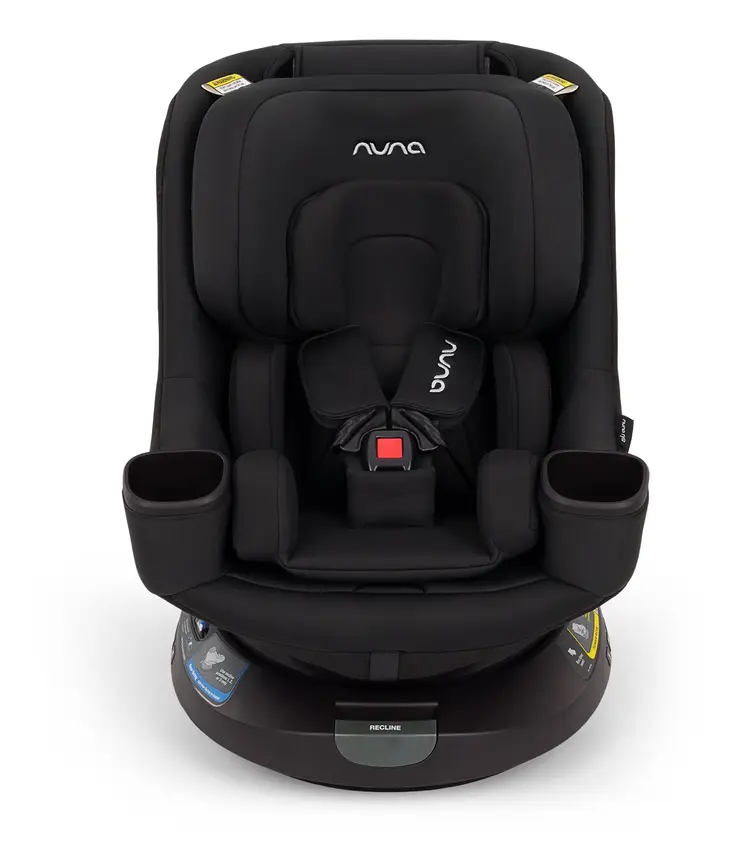
The Nuna Rylo 360 offers a premium rotating design. Its seat turns to help with getting a child seated. The supplied details also list rear-facing use. That is a different feature set from a harnessed booster. Rotation alone does not settle child fit or car fit.
The Joie Trillo is another kind of alternative. It is a high-back booster in the supplied catalogue. Consider that type only when booster use suits your child. It is not a way to skip a needed harness. Ask a fitter if you are unsure about the next stage.
These picks show different paths, rather than a clear winner. Your child may need a different mode from another family's child. Your car may also change the practical choice. Rival source URLs were not supplied for this review. Confirm current details before relying on the catalogue summaries.
Babylove ezyone2
Best for: Exploring a lower-cost convertible
The supplied catalogue lists rear-facing and forward-facing use. It is a different seat type from the Maxi Rider.
Nuna Rylo 360
Best for: Exploring a rotating convertible
The supplied catalogue lists rotation and rear-facing use. Confirm the current Australian model and car fit.
Read our full review →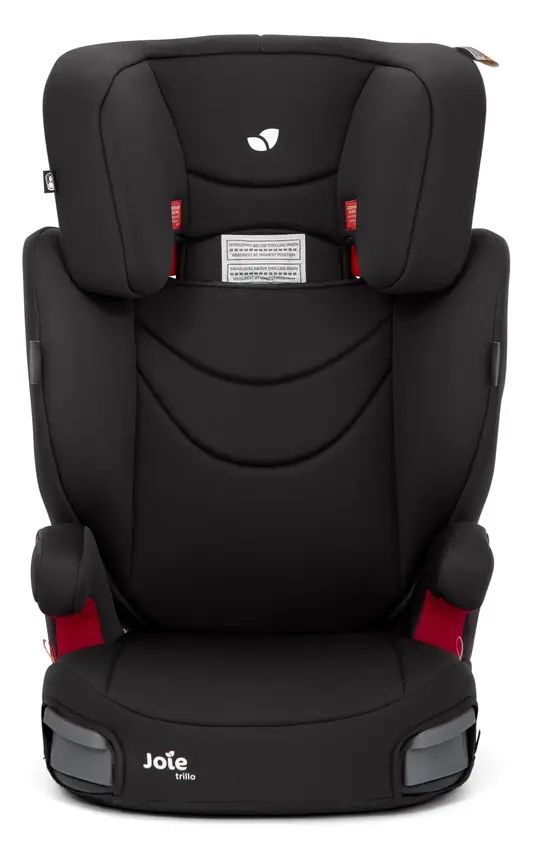
Joie Trillo
Best for: Exploring a separate high-back booster
A booster option from the supplied catalogue. Check your child's readiness and belt fit before choosing it.
Check the right version for your country
The supplied catalogue records AS/NZS 1754 for the Maxi Rider. This is the Australian child restraint standard listed for this version. Its region record names Australia. Check the actual seat label and current manual before purchase. Ask the seller to resolve any mismatch in the product details.
This review does not confirm approval outside Australia. That includes the UK, US and Canada. The supplied facts give no approval details for those markets. Do not assume an imported seat meets your local rules. Ask the maker about the exact local version you need.
Similar names can make overseas shopping confusing. A brand may sell different products in different places. Match the full model name, label and manual. Ask about local support before placing an order. We cannot confirm overseas stock or support from these facts.
Every trip needs the correct setup for the chosen mode. Follow the seat and car instructions together. Get help when either set of instructions seems unclear. Keep children secured while the car is moving. Do not treat padding, recline or a brand name as protection guarantees.
A car seat is a travel restraint, not a cot. No claim here suggests it prevents SIDS or SUDI. The supplied sources contain no safe-sleep guidance. Seek current Red Nose advice for sleep questions outside travel.
What to check before paying
Start your buying check with the child and car. Bring both to the retailer where a fitting service is offered. Take any questions about the unclear age wording. Ask the seller to show the current manual. A short product summary is not enough for fitting decisions.
Try the steps you will use on normal trips. Adjust the headrest under the retailer's guidance. Learn how to secure and release the harness correctly. Ask about the future change to booster mode. You should understand the process before taking the seat home.
Also ask what support comes after purchase. Find out whom to contact about fit or missing instructions. Do not rely on a feature name as an explanation. Ask for clear steps you can repeat yourself. If an answer stays unclear, pause the purchase.
Keep the model details and instructions with your purchase records. That makes later questions easier to explain. It also helps other carers find the correct guidance. Check again when your child's fit changes. Buying well includes planning for those later checks.
- Resolve the starting-age conflict
Ask Britax to explain the broad age listing and harness range. Use the current manual and seat labels.
- Confirm your child's fit
Check the exact rules for the mode you need. Ask a qualified child restraint fitter when unsure.
- Check the seat in your car
Request a fitting check. Learn the approved method for this exact model.
- Try the controls
Ask for a demonstration of the headrest, harness and buckle holders. Then practise the steps yourself.
- Read the care directions
Check how the cover is removed, cleaned and refitted. Washing instructions were not supplied here.
- Check the local version
Match the model, approval label and manual to your country. Overseas approval is not established by this review.
Avoid shortcuts with age and fit
The main mistake is treating an age line as permission. The supplied age lines do not even agree here. Resolve that gap before using the seat. Do not settle it by picking the youngest listed age. Your child's fit and the correct instructions must lead.
Another mistake is assuming a longer range means better value. It only helps if the seat suits each needed stage. A child may still need a different restraint later. We have no basis to promise otherwise. Plan around fit rather than a promised finishing age.
Be careful when copying advice from another car seat. Its installation, belt route or adjustments may differ. Even a similar-looking Britax model needs its own instructions. Videos and photos should match the exact model. Ask Britax when you cannot confirm a match.
Finally, avoid choosing from appearance alone. Deep wings and soft pads can look reassuring. They do not provide a crash ranking in these facts. Our editorial score does not provide one either. Focus on correct use and clear answers to your questions.
The broad age and harness details conflict. Get a clear answer before purchase or use.
Use the mode your child fits under the manual's rules. Ask for help before moving to booster use.
Full installation details were not supplied. Follow the exact model's current instructions.
Ask Britax for advice about fit concerns. Do not make your own changes to the seat.
An Australian catalogue entry does not confirm UK, US or Canadian approval.
Looking after the seat over time
Keep the manual available throughout ownership. You may need it when adjusting the headrest or changing modes. Other carers should be able to find it too. Use the exact model details when seeking a replacement copy. Instructions for a similar seat may not be suitable.
The cover is listed as quick to remove. Its washing method is not supplied in this research. Neither are the rules for cleaning the harness or buckle. Check each part's care instructions before cleaning. Do not guess that all parts can be washed alike.
After cleaning, follow the directions for putting everything back. Ask Britax for help if a part seems wrong. The same applies when moving the seat between cars. Take time to repeat the fitting steps correctly. Do not rely on how the last installation looked.
The supplied facts give no service life or replacement schedule. They also give no warranty details for this model. Ask Britax about these points before planning long-term use. A broad age range is not the seat's service life. Keep those different questions separate.
For a used seat, ask about its history and instructions. Do not assume a tidy cover proves good condition. Seek Britax's advice if the history is unclear. We have no checked resale prices for the Maxi Rider. We cannot promise a later sale will recover your spending.
Questions parents ask
What age is the Britax Maxi Rider for?
The supplied details conflict. The broad listing says 6 months to approximately 8 years. Harness mode says 12 months to approximately 4 years. Booster mode says approximately 4 years to 6–8 years. Ask Britax to resolve the starting-age conflict. Check the current manual and seat labels before use.
Can the Maxi Rider face rearwards?
No rear-facing mode appears in the supplied details. They list forward-facing harness use and belt-based booster use. Choose a different seat if you need rear-facing travel. Check the exact local model's limits before buying. Do not use the Maxi Rider in an unlisted direction.
When can my child use Maxi Rider booster mode?
The listed range starts at approximately 4 years. That is a broad guide rather than personal fit advice. Follow the current manual and seat labels. Ask a qualified child restraint fitter if you are unsure. Do not move modes just because your child reaches that birthday.
How much does the Britax Maxi Rider weigh?
The listed seat weight is 6.1 kg. Its size is 680 × 460 × 505 mm. The supplied facts do not name the dimension order. Ask for a labelled size diagram before comparing measurements. A fitting check in your car is still needed.
Does the Maxi Rider have ISOFIX?
The supplied facts do not confirm ISOFIX for this model. They also do not give the full installation method. We cannot answer yes or no from this material. Check the current Australian manual or ask Britax. Do not copy installation steps from another seat.
Does the harness need rethreading when the headrest moves?
The listing says the headrest adjustment needs no rethreading. It also says the harness repositions automatically. Ask the retailer to show the adjustment before purchase. Follow the manual when choosing the correct position. This feature does not remove the need to check your child's fit.
Can I machine-wash the Maxi Rider cover?
The supplied facts list a quick-remove cover. They do not give washing or drying instructions. We cannot confirm whether machine washing is allowed. Read the care label and current manual first. Also check the separate directions for the harness and buckle before cleaning them.
How much does the Maxi Rider cost in Australia?
Typical price about A$349 (checked Nov 2026). This is the manually checked figure in the supplied catalogue. It is not a live offer or sale quote. Compare the seat's fit and needed modes before deciding value. The price alone does not tell you whether it suits your child.
Can I use the Australian Maxi Rider in the UK, US or Canada?
This review does not establish approval in those countries. The supplied catalogue records Australia and AS/NZS 1754. Overseas approval details were not supplied. Ask Britax about the exact version approved where you live. Do not assume a shared brand or model name makes versions interchangeable.
Has BabyGearFinder tested the Maxi Rider?
No. This review uses the supplied catalogue and retailer research. We have not fitted, driven with or crash-tested the seat. Our score is an editorial view of those details. It is not a lab result or owner rating. Rival source URLs were not supplied, which limits those comparisons.
More in-depth reviews
 🪑 Highchairs & Booster Seats4baby Flat Fold Highchair Review7.5/10
 🪑 Highchairs & Booster Seats4baby Grow With Me Wooden Highchair Review7.8/10
 🚼 Prams & StrollersBaby Jogger City Tour 2 Review8.4/10
 🎠 Bouncers, Rockers & SwingsBabyBjörn Bouncer Balance Soft Review8.2/10
 🎠 Bouncers, Rockers & SwingsBabyBjörn Bouncer Bliss Review8.6/10
 🤱 Baby Carriers & WrapsBabyBjörn Carrier Hold Review8.0/10
Sources & how we checked
Specifications are taken from the manufacturer and major retailers and cross-checked; prices are typical RRPs and change often — the buttons show today's price. We do not invent star ratings or review counts.
BabyGearFinder earns a commission from qualifying purchases through retailer links, at no extra cost to you. It never changes our verdict.