













Quick answer
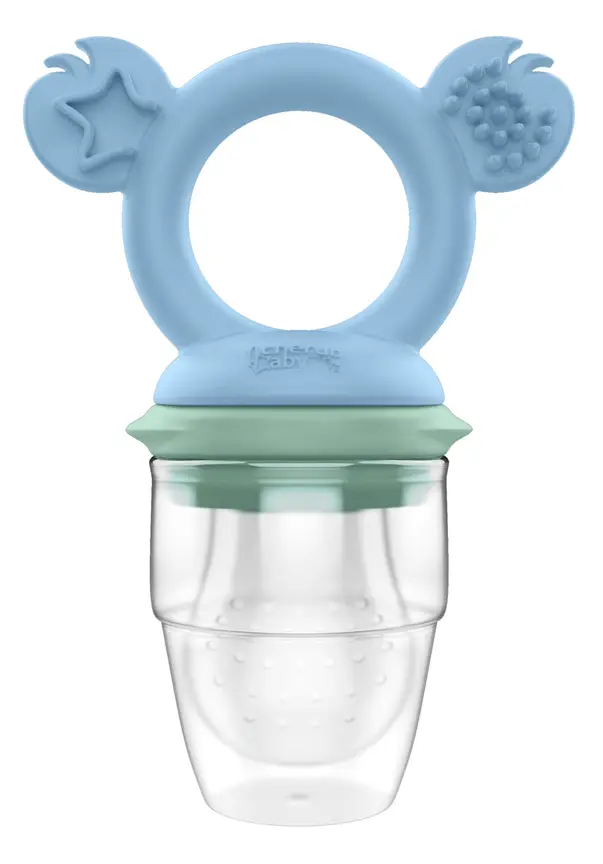
The Cherub Baby Silicone Fresh Food Feeder holds food inside a soft silicone net. The supplied details describe small holes and a self-standing shape. They also list dishwasher, freezer and steriliser use. Typical price about A$20 (checked Nov 2026). It may suit parents who want a separate tool for food play. It does not cook food or replace bowls and spoons. There is a source gap: the supplied retailer URL names a freezer tray, not this feeder. Confirm the model, age label and care steps before buying. Our score is an editorial view of the supplied details. It is not a test result.
Buy it if
- Parents who want a separate tool for exploring food
- Families who prefer silicone feeding parts
- Parents willing to check the exact pack and instructions
- Homes with a clear plan for washing small feeding parts
Skip it if
- You want a tool that cooks or blends food
- You want to replace all other feeding tools
- You need clear proof from a matching product page
- You do not want another item to wash
What this feeder is, and what we know
The Cherub Baby Silicone Fresh Food Feeder is a feeding tool. Food sits inside a soft silicone net. Your baby holds the handle and chews the net. The supplied catalogue describes use with soft fruit or frozen breast milk. The research notes also describe small holes in the net.
This is a different job from a baby food maker. You still need to choose and prepare the food. The feeder does not steam, blend or store a full meal. Think of it as an extra tool at the table. Start by asking whether that extra step suits your routine.
We have no checked launch date for this model. We also have no clear record of changes from earlier versions. We cannot say it has a new shape or better seal. Those claims would need a matching source.
There is a clear problem with the supplied source. Its URL names freezer tray and popsicle moulds. It does not name the fresh food feeder. The table below records the supplied research notes. Treat them as details to confirm against the actual pack. We have not resolved that mismatch.
The listed package size is not the feeder's size. The listed package weight is not its weight either. Keep that difference in mind when comparing feeding tools.
These are supplied catalogue and research details. Their retailer URL names a different item. Confirm all model-specific details before purchase or use.
Who might find it useful
This feeder may suit a parent with a clear use planned. You might want a separate way to offer soft fruit. You might prefer a handle rather than a spoon for that moment. The listed flexible shape may also appeal to you. These are reasons to consider it, not promises your baby will enjoy it.
The research notes say it supports self-feeding and hand-eye coordination. That means using the hands and eyes together. Treat this as a listed benefit, not a measured result. We have no study showing what this model changes. We also have no owner reports about grip or acceptance.
Skip it if your current tools already meet your needs. A feeder does not need to be part of every kitchen. A bowl or spoon may better match your main task. Buying less can also leave fewer parts beside the sink.
The supplied age label says 4 months+. That label cannot tell you whether your baby is ready. Ask your maternal and child health nurse if you are unsure. Outside Australia, ask your local child health professional. Confirm the age label on the exact product too.
Do not buy it for a promised leap in feeding skills. Buy it only if its simple role makes sense for you.
Look closely at the handle, net and cap
The supplied notes call the design light, flexible and easy to hold. They also describe bright colours and a self-standing shape. These details may help explain its appeal on a shop shelf. They do not tell us how it feels during a feed.
We have no checked handle size or net capacity. We also have no measured force needed to open it. We cannot rate how well a baby will grip it. Nor can we say how easily a tired parent can fill it. Those points need a matching manual or direct owner evidence.
Before buying, ask the seller to show the closure. Check how the collar holds the net in place. Ask how to tell when it is fully closed. Do not assume a familiar look means a familiar opening method. Follow the instructions for the exact model you receive.
The listed cap is a separate plastic part. Keep it away from your baby during feeding. Do not treat the cap as part of the chewing surface. Check the manual for its proper use and storage.
A self-standing shape may help you put the feeder down. It does not tell you whether every surface is clean. Choose a clean place for the food-contact parts. Keep the feeder within your own feeding routine, rather than building the routine around it.
What goes inside, and what remains unknown
The catalogue describes soft fruit and frozen breast milk as uses. The research notes say the net has small holes. Their stated role is to help manage food-piece size. That is a design claim, not a guarantee of safe feeding.
We have no checked list of suitable fruits for this model. We have no fill line, serving size or net capacity. We also have no checked advice about frozen food hardness. Do not guess these details from a product photo. Ask for the exact instructions before planning what to offer.
Prepare food to suit your baby's needs and feeding advice. Keep your baby upright and stay close during use. Stop if the net looks damaged or the closure loosens. Never cut the holes larger to change how food comes through.
The notes also mention use as a gel applicator. They mention use as a pre-training toothbrush too. We would not choose it mainly for those claims. The supplied facts do not name a suitable gel. They do not explain a dental care routine either. Ask a pharmacist or dental professional before using it that way.
There is no checked claim here about pain relief. We cannot say it soothes sore gums or speeds learning. Its role is simpler: a listed way to hold food inside silicone.
Care options look useful, but check the manual
The listed care options are a strong point on paper. The supplied notes say dishwasher-, freezer- and steriliser-safe. They say to wash before and after each use. They also say not to use bleach-based cleaners or tablets.
For sterilising, the supplied method is steam or boiling. The listed boiling time is 2–3 minutes. Confirm that instruction on the exact feeder before following it. The source mismatch matters most when heat and care are involved. A care rule for another product is not enough.
We have no checked dishwasher rack position for this feeder. We also have no listed steam cycle or freezer limit. Do not borrow those details from another silicone item. Ask the seller or maker for the missing instructions.
Think through washing before you decide to buy. Where will the net go after a feed? Where will small parts dry? Can you keep clean parts away from used food tools? A simple plan is more useful than a long feature list.
Check the food-contact parts before each use. If you find damage, stop using the feeder. Ask about the correct replacement rather than patching the net. We have no checked replacement-net price or supply details. That gap belongs in your buying decision too.
The useful points and the main limits
The feeder has a clear, narrow purpose. Its listed silicone parts and broad care options sound practical. A self-standing shape may also suit a busy feeding space. Those points make it worth a look if you want this kind of tool.
The limits are just as clear. You still need food preparation and close care during use. You gain another item to wash and inspect. We do not know how the closure feels or wears. We also do not know how easy spare nets are to find.
Our score is an editorial view of the supplied details. It is not a safety score or an owner rating. We have no hands-on findings about leaks, grip or cleaning. The sub-scores describe the listed design and the evidence behind it.
The source gap lowers our view of the buying case. A matching product page could make the details clearer. Until then, treat the review as a guide to questions. Do not read the score as proof of product quality.
What we love
- Silicone handle, collar and net are listed
- Listed as self-standing
- Dishwasher, freezer and steriliser use are listed
- Clear purpose as a separate food feeder
- Supplied care notes explain washing and cleaner limits
What to weigh up
- Supplied source URL names a different product
- No checked product size, weight or net capacity
- Adds parts to wash after feeding
- No checked replacement-net details
- Cannot replace cooking tools, bowls or spoons
- No supplied owner evidence about daily use
Other Cherub Baby tools do different jobs
The supplied Cherub Baby range covers several feeding tasks. It includes food preparation, pouch filling and food serving. These items do not form a required set. Choose by the task you want to make easier.
The Food Maker & Steriliser is for preparing food. The catalogue says it steams and blends. It also lists defrosting, bottle warming and sterilising. That is a much broader role than holding food in a net. We have not been given its care manual or source page.
The pouch bundle and filling station focus on pouch use. The pouch spoons are serving tops that screw onto pouches. None is a direct version of this feeder. Do not assume the feeder attaches to any of them.
There are no supplied compatibility details between these items. There are also no matching source URLs for their hard facts. We have left their prices, sizes and limits out here. The product cards describe only their supplied roles.
If you already own a way to prepare and serve food, pause. A matching brand name alone does not create a need. Start with the part of your routine that causes trouble.
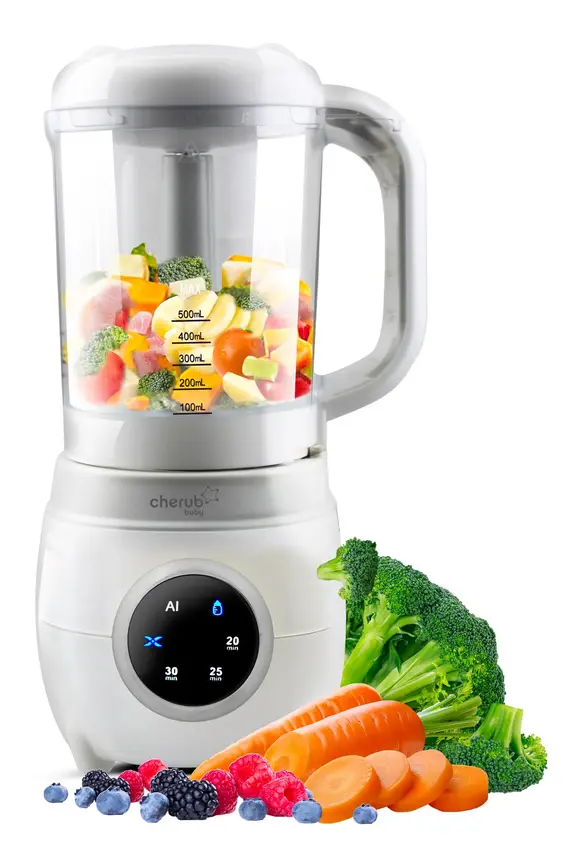
Cherub Baby Food Maker & Steriliser
Best for: Preparing food
The supplied catalogue describes steaming and blending, plus other warming and care tasks. It is not a feeder replacement.
Read our full review →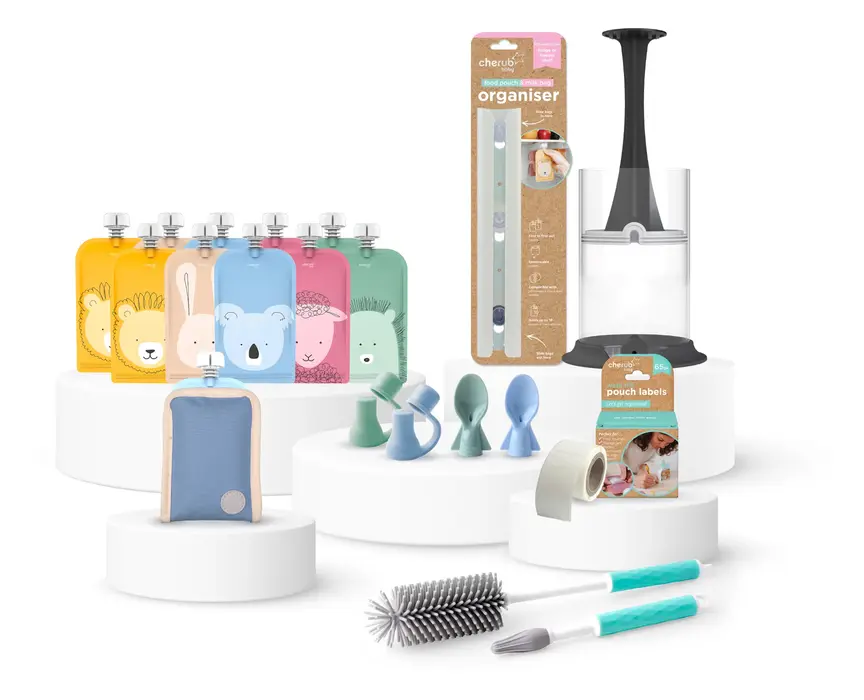


Cherub Baby Reusable Food Pouch Bundle
Best for: Serving food from reusable pouches
The catalogue describes reusable silicone food pouches. Check their own instructions before use.
Read our full review →
Cherub Baby Pouch Filling Station
Best for: Filling reusable food pouches
A jug and plunger tool for filling pouches. Check which pouches it fits.

Cherub Baby Food Pouch Spoons (2 pack)
Best for: Spoon-feeding from a pouch
The supplied catalogue describes spoon tops that screw onto food pouches. Feeder compatibility is not supplied.
The feeder against other feeding choices
The supplied list has no matching silicone net feeder rival. The comparison below therefore covers different ways to serve food. It does not show interchangeable products or equal uses. Read it as a guide to choosing your main task.
The Nuby Fruitsicle Ice Pop Tray makes frozen fruit or milk pops. That differs from holding food inside a silicone net. Its use rules should come from its own instructions. We have no basis to transfer the Cherub age label to it.
Munchkin Soft Tip Infant Spoons are for spoon-feeding. The Tommee Tippee bowl gives you a bowl and spoon. Both may better match a parent seeking basic serving tools. They do not offer the same food-holding design as the feeder.
No option wins every task in this table. Start with whether you need a feeder, frozen pop moulds, or table tools. Then check care, age guidance and the exact pack. We have left prices out of this comparison. The supplied list lacks matching source URLs for the other products.
There is also no shared test behind these choices. We cannot rank their mess, comfort or ease of washing.
| Main task | Cherub Baby Silicone Fresh Food Feeder | Nuby Fruitsicle Ice Pop Tray | Munchkin Soft Tip Infant Spoons (6 pack) | Tommee Tippee Easistick Silicone Suction Bowl and Spoon |
|---|---|---|---|---|
| Type | Silicone fresh food feeder | Ice pop tray | Baby spoons | Suction bowl with spoon |
| Supplied role | Holds food inside a silicone net | Makes frozen fruit or milk pops | Serves first foods by spoon | Serves food in a bowl |
| Food inside a net | Yes, in the supplied description | Not described | Not described | Not described |
| Cooking role | Not listed | Not listed | Not listed | Not listed |
| Main buying question | Do you want a separate feeder? | Do you want to make frozen pops? | Do you need feeding spoons? | Do you need a bowl and spoon? |
These are different feeding choices from the supplied catalogue. They are not direct equivalents. Rival source URLs, shared test results and matched age guidance were not supplied.
Cheaper, premium and different ways to spend
A lower-cost item only helps if it meets your need. The supplied catalogue places the Nuby tray below this feeder in price. It serves a different task, so compare the use first. We have not repeated its price without a matching source URL.
The premium option here is a food maker. The Beaba Babycook Neo is described as a steam-and-blend machine. It has a glass bowl and stainless steel steam basket. That may interest you if food preparation is the real problem. It does not replace a feeder at the table.
The freezer tray and food jars address storage instead. They may be worth considering if portions are your main concern. Neither solves the question of how your baby will eat. Keep preparation, storage and serving as separate buying decisions.
You can also decide to buy nothing extra. Look at the tools already in your kitchen. Ask what task remains hard before adding another product. A clear need is a better guide than a matching set.
We have not been given matching source pages for these options. Their cards keep to the supplied descriptions. Check their own instructions before choosing a pack or planning its use.

Nuby Fruitsicle Ice Pop Tray
Best for: Making frozen fruit or milk pops
A lower-cost choice in the supplied catalogue. It is a pop tray, so its role differs from a net feeder.

Beaba Babycook Neo
Best for: Steaming and blending food
The supplied description lists a glass bowl and stainless steel steam basket. Choose it for food preparation.
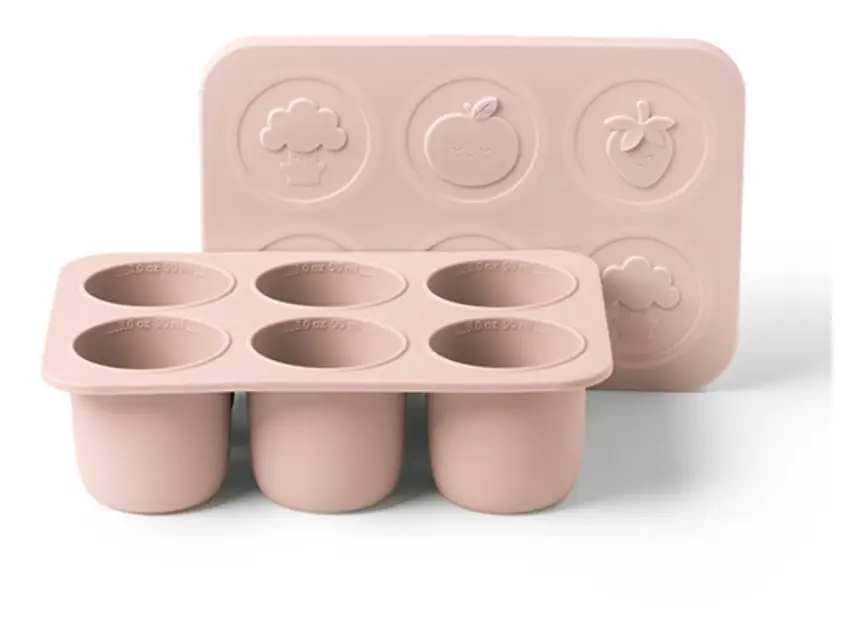
Annabel Karmel Silicone Freezer Food Tray
Best for: Freezing food portions
A silicone tray for storing small portions of home-made baby food in the freezer.

Little Rawr Glass Food Jars (3 pack)
Best for: Storing prepared baby food
The catalogue describes glass jars with silicone sleeves for fridge or freezer storage.
Check the exact product in your country
No model-specific safety standard is supplied for this feeder. We cannot name a passed test or confirmed certification. Silicone material alone does not answer those questions. Nor does a retailer listing prove every safety claim.
For Australian readers, start with the exact local pack. Ask the seller for the model name and instructions. Check that the feeder, net and collar match that pack. Ask how local warranty claims and replacement parts are handled.
The same care applies in the UK, US and Canada. The supplied catalogue includes those regional labels. That does not confirm current stock, local support or compliance. We have no checked regional product pages to compare.
Do not assume an overseas pack has the same age label. Do not assume its care steps or included parts match. Request the local instructions before ordering from another country. If the seller cannot identify the model clearly, pause the purchase.
The standards block below is general category information. It is not proof that this feeder meets a named rule. Keep that distinction clear when reading any country table. For daily use, follow the exact instructions and stay close. Never treat the net as protection against every feeding risk.
What to check before paying
Start by resolving the model name. The supplied source link does not clearly match this feeder. Ask the seller for a current pack photo and instructions. Check that both name the Silicone Fresh Food Feeder.
Next, decide what job you want it to do. A tool for holding food will not solve batch cooking. A feeder also brings its own washing steps. Make sure that trade suits your normal day.
Read the care advice before choosing a cleaning method. Do not rely on silicone as a shortcut for heat rules. Check the small parts and how the closure fits. Ask what to do if the net wears out.
Then think about your baby rather than the age label alone. If readiness is unclear, ask your child health professional. You do not need to buy a feeder while deciding. Keep the receipt and exact product details if you proceed.
These checks matter more than colour or a broad benefit claim. They turn a small purchase into a clear choice. Use the list below while speaking with the seller.
- Match the model
Confirm the pack and manual both name the fresh food feeder.
- Check readiness
Read the age label. Seek feeding advice if you are unsure.
- Understand the closure
Ask how the collar locks and how to check it.
- Read the care steps
Confirm washing, dishwasher and sterilising instructions for this exact model.
- Ask about spare nets
Check whether the correct replacement is sold locally.
- Check local support
Ask who handles faults and warranty claims in your country.
- Plan supervised use
Choose a feeding time when you can stay close throughout.
Keep the claims and limits clear
The biggest mistake is treating small holes as a safety promise. The supplied notes say they help manage food-piece size. They do not say the feeder removes choking risk. Keep close supervision part of every use.
Another mistake is using the age label as personal feeding advice. The label describes the listed product age. It cannot assess your baby's feeding needs or readiness. Ask for help if either is unclear.
A third mistake is borrowing rules from a similar product. That includes dishwasher position, freezer use and boiling time. The source mismatch makes this especially relevant here. Use instructions that clearly belong to the feeder in your hand.
Do not turn the extra listed uses into health promises. We have no checked gel advice or dental care plan. We also have no evidence of measured teething relief. Keep those gaps clear before using it for another purpose.
Finally, do not keep using a damaged net for value. Stop and ask about the correct replacement. A low purchase cost is no reason to improvise repairs. Follow the maker's advice about worn parts.
Stay close and watch throughout use. Keep your baby seated upright.
Ask for the exact instructions. No checked capacity was supplied.
Do not cut larger holes or patch damaged silicone.
No suitable gel was named. Ask a pharmacist before gel use.
A freezer tray URL is not clear proof of feeder instructions.
Living with it, replacing parts and passing it on
The real value depends on whether you use it. A small tool can still become clutter if washing feels awkward. Plan a place for used parts and a place to dry them. Follow the exact manual for taking the feeder apart.
Keep the instructions with your feeding supplies. Retain the receipt and model details too. The supplied research lists a warranty, but terms were not provided. Ask the seller what is covered and who handles a claim. Do this before relying on support outside Australia.
We have no checked lifespan for the silicone net. We also have no replacement schedule or spare-part price. Inspect the parts as directed by the maker. Stop using damaged pieces and seek a proper replacement. Do not fit a net simply because it looks similar.
There is no resale data in the supplied facts. Do not count on getting money back later. If you consider passing it on, confirm the maker's guidance first. Keep all required parts and the matching instructions together.
Our final buying view stays cautious. The listed design has a clear use and useful care options. The missing matching source prevents a stronger recommendation. Confirm the exact model, then decide whether you need a feeder.
Questions parents ask
What is the Cherub Baby Fresh Food Feeder for?
It is a silicone tool that holds food inside a net. The supplied catalogue describes soft fruit and frozen breast milk. Your baby holds the handle and chews the net. It does not cook or blend food. Confirm suitable foods in the exact instructions before use. The supplied retailer URL names another product, so that check matters.
What age is the Cherub Baby feeder suitable for?
The supplied research lists 4 months+. We cannot confirm that against a matching product page here. Read the age label on the exact pack you receive. The label alone does not show whether your baby is ready. Ask your maternal and child health nurse if unsure. In other countries, ask your local child health professional.
Can a baby choke while using a silicone food feeder?
Do not treat a feeder as a promise against choking. The supplied notes say small holes help manage food-piece size. They do not establish that all risks are removed. Keep your baby seated upright and watch throughout use. Follow the exact instructions for food and filling. Stop using it if the net or closure looks damaged.
Can the Cherub Baby feeder go in the dishwasher?
The supplied care notes say it is dishwasher-safe. They do not state a rack position or cycle. Confirm the rule in instructions that match the feeder. Do not copy care advice from another silicone product. The notes also say to wash before and after use. They say not to use bleach-based cleaners or tablets.
Can you sterilise the Cherub Baby Fresh Food Feeder?
The supplied research lists steam or boiling for 2–3 minutes. It also calls the feeder steriliser-safe. Confirm those steps against the exact product manual first. The linked retailer URL names a freezer tray, which leaves doubt. We have no checked steam cycle or machine settings. Do not fill those gaps by guessing from another product.
Can you put frozen breast milk in this feeder?
The supplied catalogue describes frozen breast milk as a use. It gives no checked fill amount or frozen-food preparation steps. Confirm these points with the exact product instructions. Ask your child health professional if you need feeding advice. We cannot claim that frozen contents provide teething relief. No such checked result was supplied.
What comes with the Cherub Baby Fresh Food Feeder?
The supplied list includes a silicone handle and collar. It also lists a silicone net and a PP safety cap. PP is a type of plastic. Confirm the contents on the exact pack before buying. We have no checked spare-net bundle or replacement details. Keep the separate cap away from your baby during feeding.
How much does the Cherub Baby feeder cost in Australia?
Typical price about A$20 (checked Nov 2026). This is the supplied manually checked price, not a live offer. It does not tell you the cost of spare nets. We have no checked prices for other countries. Confirm the exact model before comparing shop prices. The supplied source URL names a different product.
Is the Cherub Baby feeder better than Nuby Fruitsicle?
They serve different tasks in the supplied catalogue. Cherub Baby holds food inside a silicone net. Nuby Fruitsicle is a tray for making frozen pops. We have no shared test or matched age guidance. Choose the task first, then read each product's instructions. We cannot say one is safer or easier from these facts.
Is this feeder confirmed for the UK, US and Canada?
The supplied catalogue includes those regional labels. That alone does not confirm local stock, certification or support. No checked local product pages or compliance records were supplied. Ask a local seller for the exact model and instructions. Check warranty handling and replacement parts too. Do not assume an Australian pack matches every overseas version.
More in-depth reviews
 🪑 Highchairs & Booster Seats4baby Flat Fold Highchair Review7.5/10
 🪑 Highchairs & Booster Seats4baby Grow With Me Wooden Highchair Review7.8/10
 🚼 Prams & StrollersBaby Jogger City Tour 2 Review8.4/10
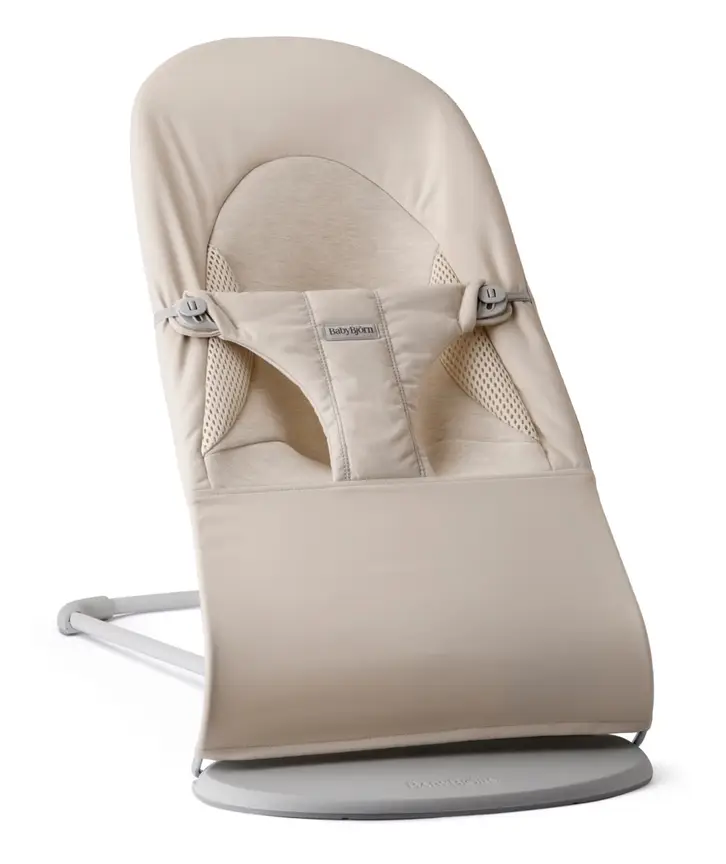 🎠 Bouncers, Rockers & SwingsBabyBjörn Bouncer Balance Soft Review8.2/10
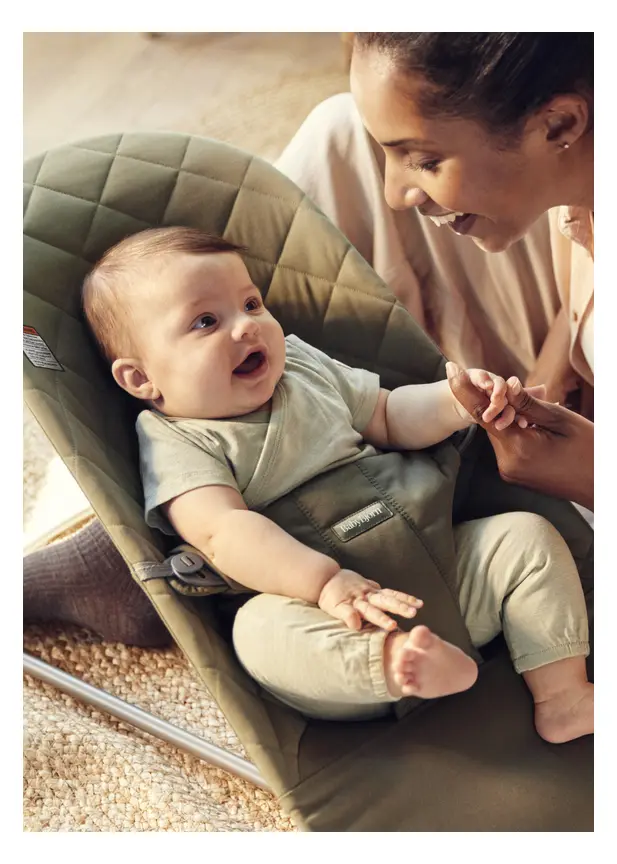 🎠 Bouncers, Rockers & SwingsBabyBjörn Bouncer Bliss Review8.6/10
 🤱 Baby Carriers & WrapsBabyBjörn Carrier Hold Review8.0/10
Sources & how we checked
Specifications are taken from the manufacturer and major retailers and cross-checked; prices are typical RRPs and change often — the buttons show today's price. We do not invent star ratings or review counts.
BabyGearFinder earns a commission from qualifying purchases through retailer links, at no extra cost to you. It never changes our verdict.