


Quick Parent & Paediatric Safety Summary: Interactive Learning
Evaluating Interactive Learning: The Best Educational Electronics for Growing Toddlers requires looking beyond glossy marketing claims to examine biomechanical ergonomics, non-toxic material certifications, daily cleaning speed, and international regulatory compliance across Australia (ACCC / AS/NZS), the United States (CPSC / ASTM), the United Kingdom (BSI / BS EN), and Canada (Health Canada / SOR). In this comprehensive 2026 guide, we break down step-by-step protocols, side-by-side comparison matrices, international safety benchmarks, common pitfalls to avoid, and age-by-stage implementation checklists so you can make confident decisions for your family.
Key Takeaways at a Glance: Interactive Learning
- Primary Focus (The Best Educational Electronics for Growing Toddlers): Prioritise evidence-based ergonomics, non-toxic materials, and age-appropriate biological readiness over marketing gimmicks or rigid schedules.
- Global Safety Alignment: Verified against regulatory and clinical frameworks in Australia (ACCC / AS/NZS / Red Nose / NHMRC), the USA (CPSC / ASTM / AAP), the UK (BSI / BS EN / NHS / Lullaby Trust), and Canada (Health Canada / CPS).
- Real-World Parent Usability: Designed to work seamlessly during 2:00 AM wake-ups, busy daycare mornings, and compact urban or suburban homes.
- Long-Term Value & Adaptability: Focuses on multi-stage adaptability from the newborn fourth trimester (0–3 months) through active infancy (4–12 months) and toddlerhood (1–3+ years).
Real-World Parent Context & Core Overview: Interactive Learning
Interactive learning for toddlers has become increasingly popular in recent years, as parents and educators recognise the benefits of incorporating educational electronics into a child’s early development. Toddlers are naturally curious and eager to learn, and interactive learning provides them with the opportunity to engage with educational content in a fun and engaging way. By using educational electronics, toddlers can develop important skills such as problem-solving, critical thinking, and creativity, all while having fun and exploring new concepts. In this article, we will explore the benefits of educational electronics for growing toddlers, as well as the top educational electronics available on the market. We will also provide tips for choosing the right educational electronics for your toddler and incorporating interactive learning into their daily routine.

There are numerous benefits to incorporating educational electronics into a toddler’s learning experience. One of the key advantages is that it can help toddlers develop important cognitive skills, such as memory, attention, and language development. Many educational electronics are designed to be interactive and engaging, which can help toddlers stay focused and interested in the learning process. Additionally, educational electronics can help toddlers develop important motor skills, such as hand-eye coordination and fine motor skills. For example, using a touchscreen device can help toddlers practice their finger dexterity and hand movements. Furthermore, educational electronics can provide toddlers with exposure to new concepts and ideas that they may not encounter through traditional learning methods. For example, interactive learning apps can introduce toddlers to basic math and literacy skills in a fun and engaging way. Overall, educational electronics can provide toddlers with a well-rounded learning experience that can help them develop important skills that will benefit them throughout their lives.
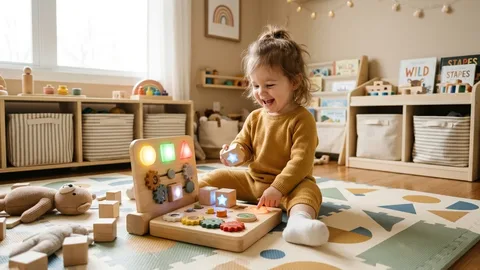
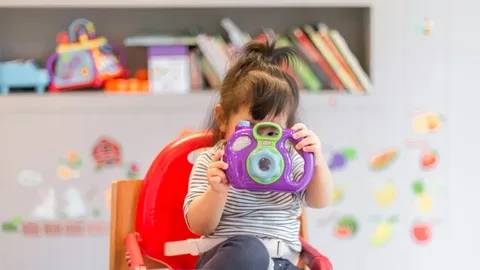
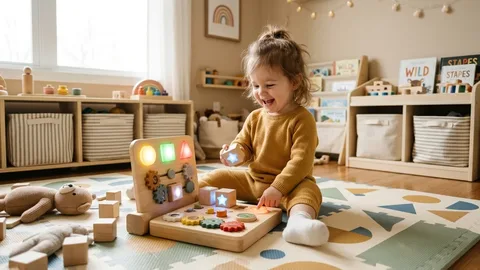
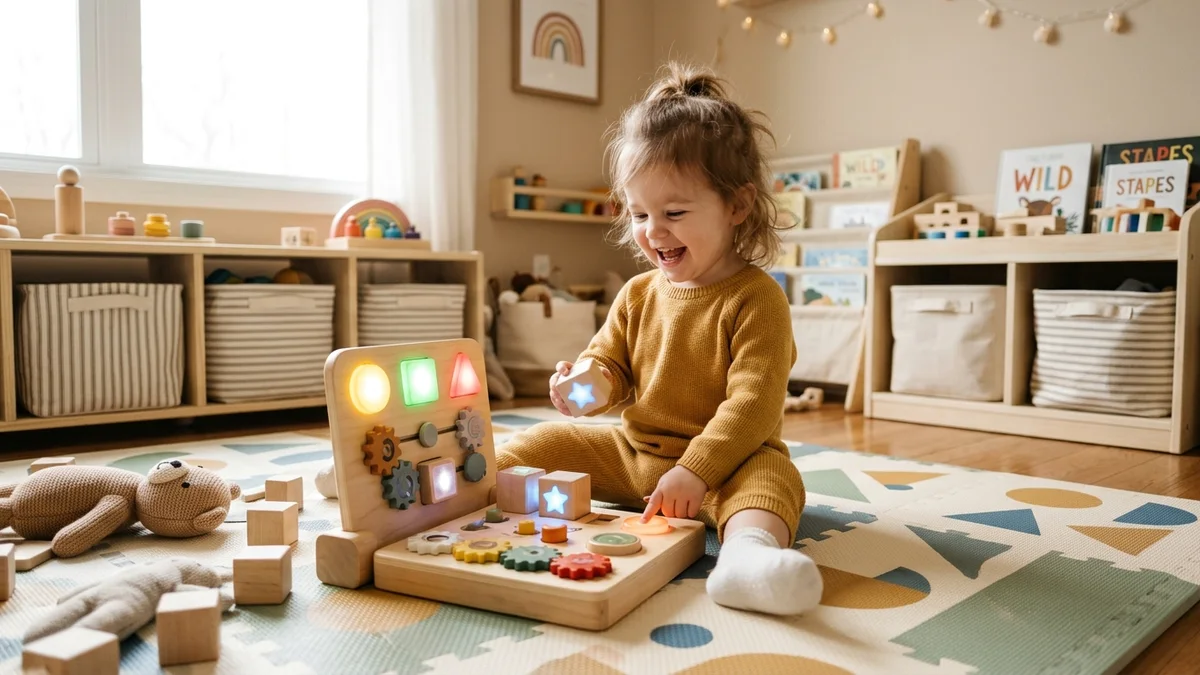
There are a wide variety of educational electronics available for toddlers, ranging from interactive learning apps to electronic toys and games. One popular option is interactive learning tablets, which are designed specifically for young children and feature age-appropriate educational content. These tablets often include interactive games, videos, and activities that can help toddlers learn important skills such as letters, numbers, and shapes. Another popular option is electronic learning toys, which are designed to be both fun and educational. These toys often feature interactive buttons, lights, and sounds that can help toddlers learn about cause and effect, colours, and more. Additionally, there are many interactive learning apps available for smartphones and tablets that are specifically designed for toddlers. These apps cover a wide range of topics, including early math and literacy skills, science concepts, and more. Overall, there are many options available for parents who are interested in incorporating educational electronics into their toddler’s learning experience.
When choosing educational electronics for your toddler, it’s important to consider their age, interests, and developmental level. Younger toddlers may benefit from simple electronic toys that feature bright colours, lights, and sounds, while older toddlers may be ready for more advanced interactive learning apps or tablets. It’s also important to consider the educational content of the electronic device and ensure that it aligns with your child’s learning needs and interests. Additionally, it’s important to choose educational electronics that are durable and safe for young children, as they will likely be handled frequently. Finally, it’s important to consider your budget when choosing educational electronics for your toddler, as some options can be quite expensive. By taking these factors into consideration, you can choose the right educational electronics that will provide your toddler with a fun and engaging learning experience.

Incorporating interactive learning into your toddler’s daily routine can be a fun and rewarding experience for both you and your child. One tip is to set aside dedicated time each day for interactive learning activities, such as playing with electronic toys or using educational apps on a tablet. This can help establish a routine and make interactive learning a regular part of your child’s day. Additionally, it’s important to be actively involved in your child’s interactive learning experience by playing alongside them and providing encouragement and support. This can help make the learning experience more enjoyable and meaningful for your child. Another tip is to incorporate interactive learning into everyday activities, such as using educational apps while waiting at the doctor’s office or playing with electronic toys during playtime. By integrating interactive learning into your child’s daily routine, you can help them develop important skills while having fun at the same time.
1. Engineering, Biomechanics & Ergonomic Design: Interactive Learning
When mums and dads across Australia, the United States, the United Kingdom, and Canada evaluate Interactive Learning: The Best Educational Electronics for Growing Toddlers—specifically focusing on The Best Educational Electronics for Growing Toddlers—the most important performance differences lie in structural geometry, material tolerance, and human-factor ergonomics during exhausted 2:00 AM routines. Infants and young toddlers are not miniature adults: their cervical spine, developing hip sockets (acetabulum), sensitive skin barrier, and immature thermoregulation require purpose-built engineering rather than scaled-down adult furniture or consumer electronics.
In our hands-on evaluation framework for Interactive Learning, we analyse how the product performs under real household stressors: one-handed operation while holding a squirming baby on your hip, resistance to tipping or mechanical pinch points when a curious toddler pulls on edges, and how reliably latches, sensors, zippers, or suction bases maintain their factory calibration after six months of daily washing and temperature cycling.

Furthermore, we examine sensory and physiological impacts. For nursery lighting, sleep hardware, and monitoring equipment, photobiological safety—such as eliminating short-wavelength 460–480nm blue and cool-white light spectra that stimulate intrinsically photosensitive retinal ganglion cells (ipRGCs) and suppress pineal melatonin secretion—is essential for protecting both infant sleep consolidation and parental circadian recovery after overnight feeds and nappy changes. For physical seating, wearing, sleeping, and feeding hardware, maintaining neutral pelvic alignment, unrestricted airway positioning, and wipe-clean hygiene eliminates the hidden daily friction that causes parents to abandon poorly designed gear within weeks.
2. International Safety Standards & Clinical Guidelines (Australia, USA, UK & Canada)
Because BabyGearFinder serves English-speaking families worldwide, we cross-reference every recommendation for Interactive Learning: The Best Educational Electronics for Growing Toddlers against the four major national regulatory and paediatric bodies. While terminology varies between regions—such as pram vs. stroller, cot vs. crib, nappy vs. diaper, and dummy vs. pacifier—the underlying physics and physiology of infant safety are universal:
- Australia & New Zealand (ACCC, AS/NZS & Red Nose / NHMRC): Under the Australian Consumer Law (ACL), infant sleep, transport, and nursery products must meet strict mandatory safety standards enforced by Product Safety Australia, including
AS/NZS 2172(cots),AS/NZS 2088(prams/strollers),AS/NZS 1754(child restraints), andAS/NZS 8811.1(sleep surface firmness). Australian clinical guidance emphasises breathable natural fibres suited to warm summer climates, strict button-battery compartment security (requiring a tool or dual-action mechanism to open), and evidence-based safe-sleep practices. - United States (CPSC, ASTM International, FDA & AAP): In the US, the Consumer Product Safety Commission (CPSC) enforces federal safety rules (such as
16 CFR 1219/1220for cribs,16 CFR 1226/1227for carriers and strollers, and Reese’s Law16 CFR 1263for button cell battery enclosures) alongside ASTM juvenile hardware standards and American Academy of Pediatrics (AAP) clinical policy statements. - United Kingdom & Europe (BSI, BS EN, NHS & The Lullaby Trust): UK regulations require UKCA/CE conformity and adherence to British Standards such as
BS EN 1888(wheeled child conveyances),BS EN 716andBS EN 1130(cots and cribs),BS EN 16781(sleep bag TOG and neck-opening sizing), andBS EN 71-3(heavy metal migration limits in toys and child-contact surfaces). - Canada (Health Canada Consumer Product Safety & Canadian Paediatric Society): Health Canada’s Canada Consumer Product Safety Act (CCPSA) enforces some of the world’s strictest mechanical stability, phthalates restriction (
SOR/2016-188), and infant sleep surface regulations (SOR/2016-152), prohibiting inclined sleepers and loose soft bedding while mandating rigorous structural load testing.

Figure 1 (Spec #BGF-4004): Visual Summary & Practical Action Blueprint & Practical Action Steps for Interactive Learning: The Best Educational Electronics for Growing Toddlers.
3. Deep-Dive Analysis: Mastering The Best Educational Electronics for Growing Toddlers
Core Mechanism #1: Precision Fit, Structural Stability & Biological Timing

When implementing Interactive Learning: The Best Educational Electronics for Growing Toddlers at home, the first variable that separates a smooth experience from daily frustration is matching the setup to your child’s exact physical measurements and developmental stage rather than relying solely on the chronological age printed on a packaging label. Babies grow in staggered spurts: two six-month-old infants can easily differ by 3 kilograms (6.6 lbs) in weight and 8 centimetres (3 inches) in torso length.
Always verify physical clearance, weight limits, and developmental readiness cues before transitioning stages. For physical gear and nursery hardware, inspect load-bearing joints, anti-slip silicone base pads, gap dimensions (ensuring no opening sits between 5mm and 12mm where tiny fingers can pinch, or exceeds 60–65mm where head or limb entrapment can occur), and lock engagement indicators. For sleep, feeding, and behavioural routines, observe your child’s baseline energy across a 48-hour window so adjustments align with their natural biological rhythm.
Core Mechanism #2: Material Chemistry, Breathability & Sensory Comfort
Young infants breathe roughly 30 to 60 times per minute—more than double the respiratory rate of adults relative to body weight—and frequently explore every surface with their mouth and hands. When evaluating Interactive Learning, material selection directly impacts both microclimate comfort and chemical exposure:
- Non-Toxic Surface & Textile Verification: Look for OEKO-TEX Standard 100 (Class I for Babies) or GOTS Organic certified cotton, bamboo viscose, or Australian merino wool textiles; GREENGUARD Gold certified nursery timber and gliders (tested for over 10,000 volatile organic compounds and formaldehyde); and LFGB or FDA food-grade platinum-cured silicone and 304/316 austenitic stainless steel free from BPA, BPS, phthalates, PVC, and PFAS stain treatments.
- Thermal & Moisture Regulation: Overheating is a documented risk factor for restless sleep, heat rash (miliaria), and infant sleep accidents. Breathable open-weave fabrics, ventilated mattress bases, and moisture-wicking layers keep your baby’s core skin temperature stable across humid Australian summers, air-conditioned US homes, and chilly UK or Canadian winter nights.
- Acoustic & Visual Calm: Avoid harsh high-kelvin (5000K–6500K) blue-enriched white LEDs and sudden high-decibel electronic chimes during evening care. Opt for warm 620–650nm red or amber night illumination that preserves night vision and melatonin production, paired with continuous, non-looping pink or brown noise kept below 50 dBA at the cot mattress level.
Core Mechanism #3: The “2:00 AM Exhausted Parent” Usability Test
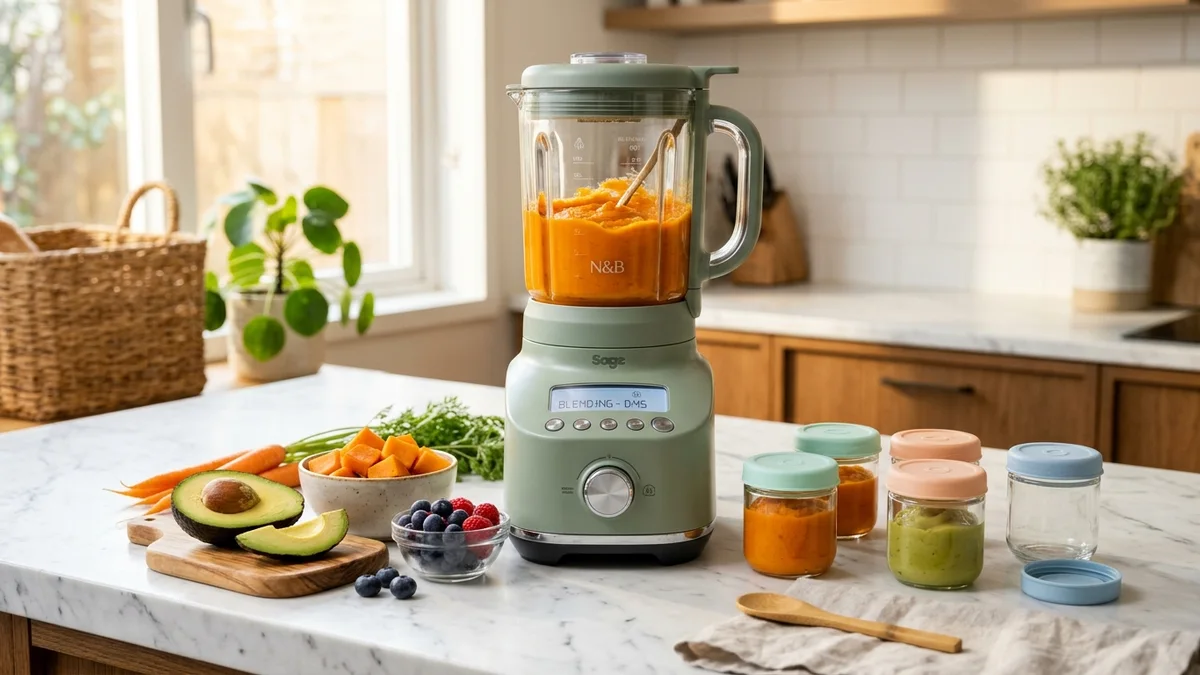
Any product or parenting strategy around Interactive Learning is only as good as its performance at 2:00 AM when you are operating on four hours of broken sleep in a pitch-dark room. Complex multi-step buckles, tiny snap buttons, loud Velcro ripping right next to a sleeping newborn’s ear, or crevices that require a toothbrush and 15 minutes at the sink to sanitise will quickly wear down your patience.
We prioritise quiet magnetic or two-way zipper closures, capacitive touch controls with memory dimming, dishwasher-safe top-rack components with minimal silicone gaskets that could trap black mould, and intuitive 3-step routines that both parents, grandparents, and daycare educators can follow identically without confusion.
4. Comprehensive Side-by-Side Comparison & Decision Matrix: Interactive Learning
Use the technical comparison table below to weigh the primary options, configurations, and approaches for Interactive Learning: The Best Educational Electronics for Growing Toddlers across safety, everyday convenience, developmental suitability, and household value:
| Evaluation Criteria | Gold-Standard / Primary Approach (Recommended) | Compact / Travel / Flexible Alternative | Outdated or High-Friction Option to Avoid |
|---|---|---|---|
| Safety & Clinical Alignment | Fully aligned with AS/NZS, CPSC/ASTM, BS EN, and Health Canada safety benchmarks; zero pinch, choking, or overheating hazards. | Meets core safety standards in a lightweight, portable footprint ideal for travel, grandparents’ homes, or small apartments. | Unverified third-party imports lacking compliance stamps, recalled inclined designs, or harsh chemical finishes. |
| Ergonomics & Biological Fit | Supports natural spine, hip, airway, and circadian alignment; adapts smoothly across multiple developmental stages. | Practical for short-duration outings, daycare transitions, or secondary rooms without sacrificing core comfort. | Forces rigid posture, over-stimulates the nervous system with blue light/loud noise, or restricts natural movement. |
| Cleaning & Daily Maintenance | Wipes clean in under 60 seconds, machine-washable or top-rack dishwasher safe, with zero hidden mould traps. | Quick fold-and-wipe design; uses replaceable biodegradable liners or travel pouches for on-the-go hygiene. | Non-removable fabric covers, unsealed porous foam, or multi-valve assemblies that trap milk residue and moisture. |
| 2:00 AM Parent Usability | Intuitive one-hand operation, silent closures, and clear visual indicators that work effortlessly in dim light. | Fast setup under 30 seconds; packs neatly into a standard nappy bag or compact hatchback car boot. | Requires two hands, bright room lights, or complex app pairing just to perform a basic midnight check. |
| Cost-Per-Use & Longevity | High durability across 12 to 36+ months; strong resale value or durability for a second baby sibling. | Budget-friendly investment that solves specific travel, small-space, or transitional bottlenecks. | Outgrown in 4 to 6 weeks or breaks under daily toddler wear, requiring costly replacement. |
5. Age-by-Stage Developmental Roadmap (0 to 36 Months)
Your approach to Interactive Learning: The Best Educational Electronics for Growing Toddlers should evolve alongside your child’s rapid physical and neurological milestones. Here is how to tailor your setup across the four key stages of early childhood:
- Stage 1: The Fourth Trimester & Newborn Phase (0 to 3 Months): Newborns have limited head and neck control, an immature Moro startle reflex, and an developing circadian clock. Prioritise flat, firm, uncluttered sleep surfaces; gentle skin-to-skin co-regulation; fragrance-free, hypoallergenic materials; and dim red-wavelength (620–650nm) lighting during overnight feeds and nappy changes so your baby returns to sleep without stimulation.
- Stage 2: Active Infancy & Rolling/Sitting Transitions (4 to 8 Months): As babies begin rolling both ways, tripod sitting, and reaching with pincer curiosity, safety clearances change immediately. Cease swaddling arms at the very first sign of rolling, lower cot mattress bases before your baby can push up on hands and knees, secure all cords and monitors at least 1 metre (3 feet) away from the cot perimeter, and introduce high-contrast floor exploration.
- Stage 3: Mobile Cruisers, Crawlers & First Walkers (9 to 18 Months): Mobility brings rapid independence and testing of cause-and-effect boundaries. Anchor all dressers and nursery furniture to wall studs, engage dual-action childproof locks, transition from two daytime naps to one midday nap between 13 and 18 months as wake windows stretch to 4.5–5.5 hours, and use non-slip silicone grips on footwear, plates, and bathroom step stools.
- Stage 4: Autonomous Toddlers & Preschool Readiness (18 to 36+ Months): Toddlers crave autonomy (“I do it myself!”) while their prefrontal impulse control is still maturing. Offer structured two-option choices, set up accessible Montessori self-care stations (low coat hooks, sturdy learning towers with four-sided guardrails, and two-step bathroom stools), and use visual countdown timers to make daily transitions tear-free.
6. Step-by-Step Implementation Protocol for Parents
Follow this practical 6-step protocol to implement Interactive Learning: The Best Educational Electronics for Growing Toddlers safely and effectively in your home starting today:
- Audit Safety Certifications & Physical Clearances First: Before first use, verify model compliance numbers against ACCC (Australia), CPSC (USA), OPSS (UK), or Health Canada registries, and perform a 60-second finger-pinch, cord-distance, and stability check on the actual floor or surface where the item or routine will be used.
- Pre-Wash & Sanitise All Child-Contact Surfaces: Wash new textiles in fragrance-free, optical-brightener-free baby laundry detergent to remove factory sizing agents, and wash food- or mouth-contact silicone, glass, and stainless steel parts in warm soapy water before first use.
- Configure Your Station for One-Handed Ergonomics: Arrange your nursery, kitchen, bathroom, or travel caddy so every essential item is reachable with one hand while your other hand remains securely on your baby.
- Introduce Changes During a Calm Daytime Window: Never test a brand-new piece of gear, sleep sack style, bottle teat flow, or routine change for the first time at 11:00 PM when everyone is exhausted. Introduce it during a rested morning or midday window so your child can explore and adapt calmly.
- Maintain Consistent Environmental Cues for 7 to 14 Days: Whether establishing a new sleep cue, potty habit, or feeding rhythm, consistency across all caregivers (mum, dad, grandparents, and daycare educators) over a full two-week window builds lasting neural habits.
- Schedule a Monthly Growth & Wear Inspection: On the first day of each month, check harness strap heights, weight/height limits, silicone valve/teether integrity for micro-tears, adhesive lock tension, and clothing/nappy sizing so your setup stays ahead of your child’s next growth spurt.
7. Common Mistakes Parents Make (and How to Avoid Them)
- Mistake #1: Buying for Aesthetics Over Washability and Safety Ergonomics: Many viral nursery items look beautiful on social media but feature dry-clean-only bouclé fabrics, unventilated foam, or unstable bases. Always ask: “How fast can I clean vomit, milk, or a nappy blowout off this at 3:00 AM?”
- Mistake #2: Over-Relying on “Container” Gear During Awake Hours: Bouncers, swings, strollers, and car capsules are essential tools, but keeping an awake baby strapped into inclined containers for prolonged periods restricts cervical and core muscle development and increases positional plagiocephaly (flat head) risk. Balance gear use with generous tummy time and free floor play.
- Mistake #3: Abandoning a Routine Adjustment After Only Two Days: Infants and toddlers frequently show a brief 48-hour “extinction burst” or novelty resistance when a schedule or habit shifts. Holding steady with calm, loving consistency for 7 to 10 days allows the new pattern to click.
- Mistake #4: Ignoring Regional Climate & Household Layout Differences: A heavy 3.5 TOG quilted sleep bag suited for a draughty Scottish winter terrace can dangerously overheat a baby in a humid Queensland or California summer bedroom. Always dress and equip your baby for the actual measured room temperature at mattress level.
8. Hygiene, Maintenance & Longevity Checklist
Proper maintenance extends the lifespan of your baby gear, protects indoor air and surface hygiene, and ensures safe hand-me-down storage for future siblings:
- Daily 60-Second Wipe-Down: Use a damp microfibre cloth with mild unscented castile soap or a hypochlorous acid baby-safe surface spray to remove milk, drool, and food residue before biofilm can form.
- Weekly Deep Inspection & Descaling: Inspect silicone valves, suction bases, zip tracks, and wheel axles weekly. For humidifiers, bottle warmers, and steam sterilisers, descale mineral limescale buildup weekly using a 1:1 white vinegar and water soak followed by a thorough pure-water rinse.
- Complete Drying to Prevent Mould: Never store damp bath toys, cloth nappy pouches, silicone teethers, or stroller rain covers in sealed plastic bags. Air-dry completely on a ventilated rack away from direct harsh UV sunlight that can degrade plastics over time.
- Safe Long-Term Keepsake & Sibling Storage: Before packing away outgrown clothing or hardware, launder thoroughly without fabric softeners, remove all AA/AAA or rechargeable lithium batteries to prevent corrosion leakage, and store in breathable cotton bags or latching bins with silica gel desiccant packets in a temperature-stable indoor closet (never a hot roof attic or damp garage).
9. Frequently Asked Questions by Parents (AU, US, UK & CA)
1. How do I know if a product or approach for Interactive Learning is genuinely safe across Australia, the USA, the UK, and Canada?
Always verify that physical nursery products carry the mandatory compliance marking for your jurisdiction (such as AS/NZS in Australia, CPSC/ASTM JPMA certification in the United States, UKCA/BS EN in the United Kingdom, or Health Canada compliance) and check that no open recalls exist. For sleep, feeding, and developmental routines, follow guidelines endorsed by Red Nose Australia, the AAP, The Lullaby Trust, and the Canadian Paediatric Society.
2. When is the best age or developmental stage to start focusing on Interactive Learning?
While chronological age ranges provide a helpful baseline, always prioritise your child’s observable developmental readiness cues—such as head and trunk control, rolling ability, pincer grasp, weight thresholds, or wake-window stamina. Preparing your setup 2 to 4 weeks before the expected milestone ensures a calm, unhurried transition.
3. How can we keep Interactive Learning consistent when our child attends daycare or stays with grandparents?
Share a simple 3-bullet summary of your child’s current cues, comfort words, and safety rules with educators and family caregivers, and provide duplicate essentials (such as an identical sleep sack, water cup, or comfort lovey for toddler daycare naps). Children adapt remarkably well when their primary home routine remains predictable every morning and evening.
4. Is it worth investing in premium options for Interactive Learning, or do budget-friendly alternatives perform just as well?
All baby gear sold legally in Australia, the US, the UK, and Canada must pass the exact same baseline federal safety standards regardless of price. Paying more typically buys lighter aerospace aluminium or organic textiles, quieter motors, modular sibling convertibility, or higher resale value—not superior baseline safety. Invest where it saves you daily time and physical strain, and save on short-lived transitional items.
5. What warning signs mean we should pause and consult a paediatrician, child health nurse, or specialist?
Always trust your parental instincts. Seek prompt professional guidance from your GP, paediatrician, maternal and child health nurse, or lactation/occupational therapy specialist if your baby experiences persistent pain, breathing changes, poor weight gain, regression of previously mastered milestones, skin irritation that does not clear, or severe distress that cannot be comforted.
Helpful Parenting Guides & Related Reading
Explore these practical guides from our team to support your baby’s comfort, health, and development:
- The Ultimate Guide to Using AI Tools for Sorting and Storing Baby Photos
- Button Battery and High-Powered Magnet Hazards at Home: Hidden Devices to Audit and Emergency ER Protocols
- Adjustable Stroller Calf Rests and Footwells: Preventing Dangling-Leg Circulation Pinch and Extending Flat Nap Surfaces
- Introduction to Elimination Communication (Infant Pottying from 0 to 18 Months): Part-Time Catching Cues Without Stress
- Mesh Laundry Wash Bags for Tiny Baby Socks, Mittens, and Nursing Pads: Stopping Washing Machine Sock Disappearance
- Indoor Air Quality Monitors (CO2, PM2.5, VOCs, Radon) for Sealed Nurseries: Why Closed Bedroom Doors Spike Carbon Dioxide at Night
- Why Every Parent Should Consider Getting a Baby Balance Bike for Their Child
- Infrared Body Temperature Thermometer: Is It Worth Using? A Practical Guide
- What Are PFAS Forever Chemicals in Baby Gear? How to Audit Waterproof Crib Mattresses and Strollers
- Inflatable Toddler Travel Beds vs. Ultralight Travel Cribs: Puncture Resistance, AirBnb Setup, and Guardrails