



Quick Mum’s Summary: Smart Diapers & Virtual Monitors Explained
Wondering whether you actually need smart nappies with Bluetooth clips or high-tech virtual baby monitors? Here is the honest Australian parent verdict: most families do not need smart diapers. Modern everyday nappies already feature colour-changing wetness lines that tell you instantly when your baby is wet for zero extra dollars. However, when it comes to nursery video monitors, smart technology can be wonderful if used safely. Keep all camera cords at least one metre away from the cot to prevent strangulation, choose 940nm invisible night vision so glowing red LEDs don’t disturb sleep, and prioritise closed-frequency FHSS monitors if you want bulletproof Wi-Fi privacy. Technology should bring you peace of mind, not extra anxiety.
The Rise of the Smart Nursery: Helpful Innovation or Marketing Hype?
Over the past five years, the global baby gear industry has undergone a massive digital transformation. Where parents once relied on a simple plastic audio monitor and a pack of disposable nappies, today’s baby expos are filled with internet-connected “smart nurseries.” We now see Bluetooth-enabled clip-on diaper sensors, AI-powered computer vision baby monitors that track breathing patterns, smart mattresses that log sleep cycles, and Wi-Fi wipe warmers that send smartphone push alerts.

For exhausted first-time parents in Australia, these high-tech gadgets are marketed with seductive promises: “Sleep like a baby,” “Never worry about diaper rash again,” and “Monitor your child from anywhere in the world.” But when you are holding a crying newborn at 3:00 AM, do you really need a Bluetooth app pinging your smartphone every time your baby wees? Or are these digital products simply preying on parental anxiety and adding unnecessary mental clutter?
In this comprehensive, evidence-based guide, we examine the reality of digital diapering, smart moisture sensors, and virtual baby monitors. We cut through the Silicon Valley marketing buzzwords to look at paediatric skin health, electromagnetic radiation safety, cybersecurity, and practical daily parenting value.
What Are Smart Diapers and How Do They Actually Work?
The term “smart diaper” covers three distinct levels of technology currently emerging on the market:
1. Traditional Chemical Wetness Indicator Lines

This is the simplest, most reliable form of “smart diapering” and is already present on almost every premium disposable nappy sold in Australian supermarkets (such as Huggies, Babylove, and Tooshies). A thin yellow stripe running down the centre of the nappy is treated with a safe, non-toxic pH-sensitive dye. When the inner absorbent core becomes wet from acidic infant urine, the pH shift causes the line to turn from bright yellow to dark blue.
The Verdict: It costs zero extra dollars, requires zero batteries, emits zero radio frequencies, and allows you to check whether baby needs a change with a quick glance through the leg of their onesie without undressing them.
2. Clip-On Bluetooth Moisture and Temperature Sensors
These are small, pebble-sized electronic devices (such as the Monit or Lumi by Pampers) that clip onto the outer waistband of a standard disposable or reusable cloth nappy. The sensor uses miniature hygrometer coils and thermistors to detect subtle changes in humidity and temperature that occur when a baby wees or poos. When moisture is detected, the device transmits a Bluetooth Low Energy (BLE) packet to a smartphone app, vibrating your phone with an alert.
The Verdict: While technologically clever, they are largely redundant for healthy infants. Modern disposable nappies contain super-absorbent sodium polyacrylate polymer gels that keep baby skin dry even after two or three wees. Checking a smartphone app every fifteen minutes often makes new parents more stressed rather than more relaxed.
3. Embedded Medical-Grade Diagnostic Nappies
This is the cutting edge of digital diapering, currently being developed in university medical laboratories and clinical neonatal intensive care units (NICUs). These specialised diapers contain flexible, paper-thin microfluidic test strips that can analyse urine for specific chemical biomarkers: white blood cells (detecting urinary tract infections), microalbumin (checking kidney function), and glucose levels. For medically fragile infants or babies with chronic renal conditions, these diagnostic diapers allow paediatricians to monitor health non-invasively without painful catheterization.
The Verdict: A groundbreaking medical tool for sick infants in hospital settings, but completely unnecessary for healthy suburban babies at home.

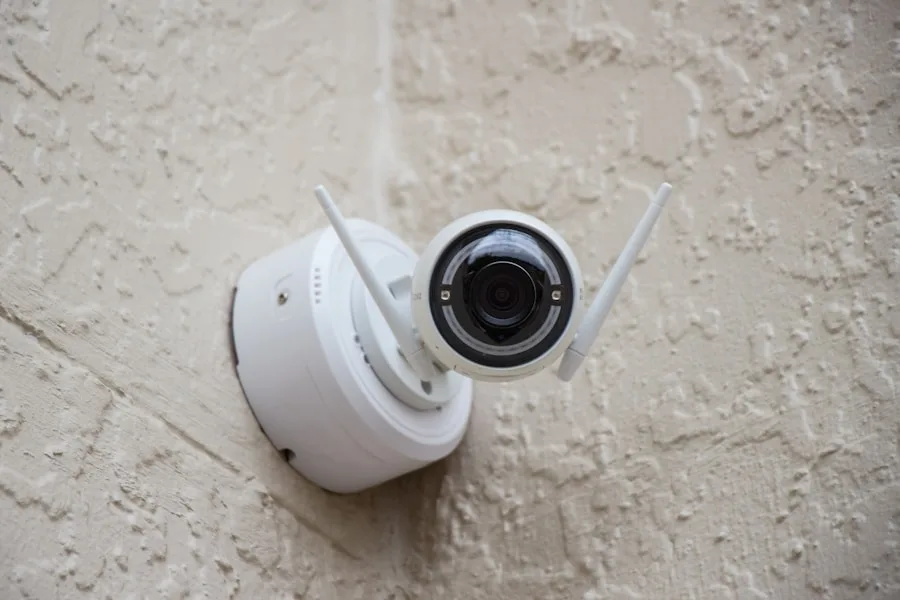
Figure 1 (Matrix #BGF-4000): Smart Nursery Tech Architecture, Radiation Safety & Parent Practical Steps.
Virtual Baby Monitors: AI Tracking, Wi-Fi Cameras, and Dedicated Monitors
While smart diapers remain a niche curiosity, virtual baby monitors have become a central component of modern nurseries. Today’s baby monitors fall into two distinct engineering architectures:
1. Dedicated FHSS Local Baby Monitors (Zero Internet)
These monitors (popularized by brands like VTech, Babysense, and Infant Optics) consist of a nursery camera and a dedicated handheld parent screen. They operate on closed-loop 2.4 GHz Frequency Hopping Spread Spectrum (FHSS) radio signals. The camera communicates directly with the handheld monitor over a private, encrypted wireless frequency without connecting to your home Wi-Fi router or the internet.
Pros: 100% immune to internet hacking and cloud server outages. Instantaneous video and audio streaming with zero lag (<100 milliseconds). Works flawlessly in regional areas with poor internet or while on holiday in a holiday rental with no Wi-Fi.
Cons: Limited physical range (usually 150 to 300 meters line-of-sight). You cannot check in on your baby from work or while running an errand down the street.
2. Smart Wi-Fi Smartphone Cameras (Cloud-Connected)
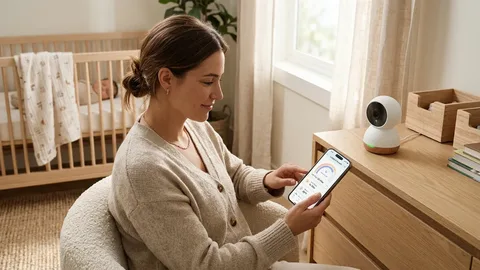
Brands like Nanit, Owlet, Lollipop, and Cubo Ai connect directly to your home Wi-Fi network and stream encrypted high-definition video to an app on your smartphone, tablet, or Apple Watch. Many incorporate artificial intelligence computer vision algorithms that analyse your baby’s breathing movements, roll-overs, coughing, and wake windows.
Pros: Unlimited viewing range (you can check on your baby from anywhere in the world). Provides detailed sleep tracking data, night-time video playback, and push notifications to multiple family members simultaneously.
Cons: If your home internet or Wi-Fi drops out, your monitor goes completely blind. Video latency can lag by 1 to 4 seconds. Requires strict cybersecurity habits (strong passwords and two-factor authentication) to protect family privacy from online voyeurs.
Balanced Comparison: Smart Nursery Tech & Monitoring Options
To help you decide where to invest your nursery budget, the table below compares the four major digital nursery options across four balanced, equal-length criteria.
| Technology Option | Traditional Nappies (pH Wetness Line) | Dedicated Closed FHSS Video Monitor | AI Smart Wi-Fi Nursery Camera |
|---|---|---|---|
| Primary Function & Purpose | Simple passive wetness indicator. Thin chemical stripe turns from yellow to blue upon contact with urine, allowing instant visual checks without disturbing sleep or waking resting infants. | Real-time audio and visual nursery oversight. Streams crystal-clear low-latency video to a dedicated parent screen, letting parents hear every breath and cry from anywhere in the house. | Advanced AI biometric tracking and analytics. Tracks breathing movements, head covered alerts, temperature fluctuations, and automated sleep analytics via smartphone push alerts. |
| Baby Physical Safety & Contact | Zero electronic contact. Completely non-toxic, food-grade dye sealed beneath outer breathable waterproof film. No batteries, zero electronic parts, and zero electromagnetic radiation. | Zero contact with baby. Camera mounts securely on the nursery wall at least one meter away from the cot. Power cords must be clamped inside rigid plastic trunking channels. | Camera sits overhead on a wall mount or floor stand. Some systems pair with sensor bands or socks that must be fitted snugly around the infant’s foot or chest without irritation. |
| Wi-Fi Dependency & Privacy Risk | Completely off-grid and unhackable. Does not require internet, Wi-Fi routers, or smartphone apps. Operates flawlessly anywhere in Australia regardless of power or broadband outages. | 100% private closed-loop radio transmission. Signals cannot be intercepted over the internet or compromised by cloud data leaks. Functions reliably with zero Wi-Fi connection. | Requires continuous high-speed broadband. Transmits video over cloud servers. Parents must practice strict password hygiene, two-factor authentication, and keep app firmware updated. |
| Cost vs Real Everyday Value | Included as standard feature in modern nappies. Adds zero extra ongoing cost to household budgets while delivering flawless reliability for day-to-day nappy changing routines. | Moderate one-off investment ($120 to $250). Highly durable, easy to operate for visiting grandparents and babysitters, and maintains excellent resale value on secondary markets. | High initial cost ($350 to $600) plus potential recurring monthly app subscriptions for historical video storage. Exceptional data for tech lovers, but can trigger data-checking anxiety. |
The Non-Negotiable Safety Rule: Baby Monitor Cord Strangulation
While parents often worry about complex electronic risks like Wi-Fi hacking or radio waves, the single greatest physical danger associated with baby monitors is shockingly simple: the electrical power cord.
In Australia, the ACCC and the US Consumer Product Safety Commission (CPSC) have issued urgent safety warnings following dozens of fatal infant strangulations caused by baby monitor cords. When a camera is mounted on a cot railing or placed on a bedside table within arm’s reach, an older infant or toddler can easily reach through the cot bars, pull the electrical cord into the cot, and become fatally entangled around the neck.
Mandatory Cord Safety Checklist for Every Nursery
- Maintain a 1-Meter (3-Foot) Safety Zone: Always position the monitor camera and its entire power cord at least 1 meter away from any part of the cot or bassinet.
- Use Rigid Plastic Cord Trunking: Never leave cords dangling loose down the wall. Use screw-in or heavy-duty adhesive cord covers (trunking) that firmly clamp the wire flat against the plasterboard.
- Never Mount Cameras on Cot Rails: Clip-on mounts designed to attach directly to cot slats are dangerous once a baby can stand up or reach up. Always mount the camera securely to an adjacent wall or ceiling.

Figure 2 (Matrix #BGF-4000): Australian ACMA Radio Standards, ACCC Cord Warnings & Buyer Checkpoints.
Cybersecurity: How to Protect Your Family’s Nursery Camera
If you choose a Wi-Fi-enabled smart baby monitor, practicing basic cybersecurity hygiene is essential to ensure that your private family moments remain completely secure from internet voyeurs.
- Change Default Passwords Immediately: Never keep the factory-set default admin password (like “admin” or “123456”). Create a strong, unique 16-character passphrase containing uppercase letters, lowercase letters, numbers, and symbols.
- Enable Two-Factor Authentication (2FA): Ensure that the monitor’s smartphone app requires a verification code sent via SMS or an authenticator app whenever a new device attempts to log into the account.
- Secure Your Home Wi-Fi Router: Protect your home Wi-Fi with modern WPA3 or WPA2-AES encryption. If your home router supports guest networks, consider placing your smart nursery cameras and IoT gadgets on a separate virtual guest network isolated from your personal computers and banking devices.
- Install Firmware Updates Promptly: Manufacturers release regular software and firmware updates to patch newly discovered security vulnerabilities. Enable automatic background updates in the camera’s settings menu.
Preventing Nappy Rash: Paediatric Facts vs Smart Gadgets
One of the main marketing angles for smart diaper sensors is the promise of “eliminating diaper rash forever.” But according to paediatric dermatologists, nappy rash (irritant contact dermatitis) is rarely caused by a single wet nappy. Modern disposable nappies use micro-porous polymer beads that lock liquid away in seconds, keeping the skin surface dry.
The true causes of severe nappy rash are:
- Prolonged Exposure to Stool Enzymes: Digestive enzymes (protease and lipase) present in infant faeces break down the protective lipid barrier of infant skin very quickly. No smart sensor can replace promptly checking and changing a soiled nappy after feeds.
- Harsh Chemical Wipes: Wipes containing alcohol, synthetic fragrances, or harsh preservatives strip natural skin oils. Use simple fragrance-free water wipes or warm water with cotton pads.
- Friction and Moisture: Nappies that are wrapped too tightly chafe against the groin creases. Applying a thick barrier cream containing zinc oxide (such as Sudocrem or Curash) creates a breathable, water-repellent barrier that protects delicate skin far more effectively than any digital gadget.
Australian Safety Laws for Baby Tech: Button Batteries and ACMA Standards
When bringing electronic gadgets into your baby’s nursery in Australia, you need to be aware of two critical national safety frameworks that protect infant health: Australian button battery legislation and ACMA electromagnetic emissions standards.
1. Mandatory Australian Button Battery Laws (ACCC Enforcement)
Australia introduced world-first mandatory safety standards for button and coin batteries in June 2022, following tragic child fatalities. Many miniature smart sensors, clip-on tags, and digital nursery thermometers are powered by flat lithium coin cells (such as CR2032 batteries). If swallowed by an infant or toddler, a lithium coin battery reacts with saliva to create caustic soda, burning through the esophagus in less than two hours and causing catastrophic internal bleeding.
Under Australian law, any smart baby product containing button batteries must:
- Feature a secure, child-resistant battery compartment that can only be opened with a screwdriver or a complex dual-action push-and-twist mechanism.
- Pass rigorous mechanical drop and impact testing to ensure the battery cannot pop loose if dropped onto tiled bathroom floors.
- Display prominent hazard warnings on both the packaging and the battery compartment itself.
Never import cheap, unbranded smart diaper clips or wearable sensors directly from unverified overseas websites that bypass Australian ACCC standards.
2. ACMA Wireless Radiation & SAR Standards (AS/NZS CISPR 32)
In Australia, all wireless transmitting devices must be tested and certified by the Australian Communications and Media Authority (ACMA). Certification ensures that radiofrequency electromagnetic energy (RF-EME) emissions remain thousands of times below international thermal exposure thresholds.
For smart monitors and baby gadgets, look for the Regulatory Compliance Mark (RCM)—a small triangle containing a tick mark printed on the device label. This mark certifies that the gadget meets Australian electrical safety and radio-frequency standards, guaranteeing it will not interfere with domestic electronics or expose your baby to uncertified wireless radiation levels.
Step-by-Step Nursery Camera Placement Guide for Australian Homes
Installing a video baby monitor properly ensures you get a clear bird’s-eye view of your sleeping baby while completely eliminating safety risks. Follow these four steps when setting up your nursery:
- Choose the Ideal Corner Mounting Position: Mount the camera high in an upper corner of the nursery, angled downward at roughly 45 degrees towards the centre of the cot. Mounting from a corner provides the widest viewing angle and keeps the camera well out of reach of standing toddlers.
- Measure the One-Meter Safety Clearance: Use a tape measure to verify that no part of the camera body, mounting bracket, or power cord is within 1 meter (39 inches) of the cot mattress or side rails.
- Secure Cords with Rigid Trunking: Clip the power cord into plastic wall-mounted cable trunking channels screwed securely into wall studs or heavy-duty plasterboard anchors. Do not rely on sticky tape, which peels off in humid Australian summer weather.
- Test Night Vision at Dusk: Turn off all bedroom lights and pull down blackout blinds. Check the parent screen or smartphone app to ensure the infrared view is crisp and that the lens is not reflecting glare off nearby walls or white cot slats.
Frequently Asked Questions About Smart Diapers and Nursery Monitors
1. Do smart diaper sensors emit harmful radiation close to baby’s body?
Commercial smart diaper clips use Bluetooth Low Energy (BLE), which emits micro-watt radio frequency levels that are hundreds of times lower than a standard smartphone or home Wi-Fi router. However, paediatric health organizations generally recommend minimising unnecessary prolonged electronic devices strapped directly against infant groin tissue, especially when simple visual wetness indicator lines achieve the exact same goal with zero emissions.
2. Can smart baby monitors prevent Sudden Infant Death Syndrome (SIDS)?
No. Neither Red Nose Australia, the American Academy of Paediatrics (AAP), nor the Australian National Health and Medical Research Council (NHMRC) endorse smart monitors as medical SIDS-prevention devices. While movement monitors can alert parents if a baby stops moving, clinical trials have shown they do not reduce SIDS rates. True protection comes from following Red Nose safe sleep guidelines: sleeping on the back, keeping head and face clear, and maintaining a smoke-free home.
3. Which is better for travel: Wi-Fi or FHSS baby monitors?
Dedicated FHSS monitors are dramatically better for travel and holidays. In hotels, Airbnbs, or holiday cabins, public Wi-Fi networks often have complicated splash-screen login pages that smart cameras cannot navigate. A dedicated FHSS monitor plugs straight into the wall socket and works immediately with zero network configuration.
4. Why does my baby monitor night vision have red glowing lights?
Most basic infrared cameras use 850nm infrared LEDs, which emit a faint but visible red glow in total darkness. Inquisitive babies can become fascinated by these glowing red dots, staring at the camera instead of settling to sleep. Higher-end monitors use 940nm invisible infrared light, which provides clear night vision without any visible glowing red illumination.
5. At what age can I stop using a baby monitor?
Most Australian parents use a video baby monitor heavily during the first 12 to 18 months. Once your toddler can easily call out to you, sleep reliably through the night, or transition into a low toddler bed, you can comfortably retire the video monitor or switch to a simple low-cost audio unit.
Helpful Australian Parenting Guides & Related Reading
Explore these practical guides from our team to support your baby’s sleep, health, and nursery technology:
- Non-WiFi FHSS Baby Monitors vs WiFi App Monitors: Audio Range and Security
- How Smart Technology is Revolutionizing Baby Monitoring for Modern Parents
- Cutting the Cord: The Top Wireless Baby Gadgets Every Modern Parent Needs
- Portable Clip-On White Noise Soothers for Strollers and Car Seats
- Smart Humidifiers: The Must-Have Gadget for Every Modern Nursery
- Stay Organised and Stylish: The Top Nappy Bag Tech for Busy Parents
- Portable Diaper Changing Stations and Caddies: Nursery Organisers
- Sleep Smarter, Not Harder: How Smart Bassinets Help New Parents
- Smart Budgeting for First-Time Parents: Which Baby Gear to Buy New vs Skip
- Two-Step Bathroom Stools for Toddlers: Anti-Slip Treads for Independence