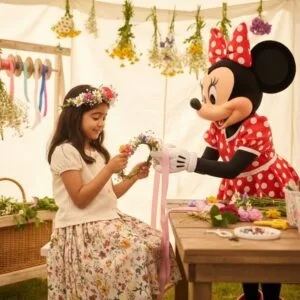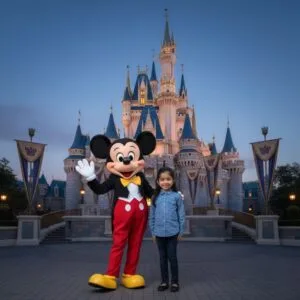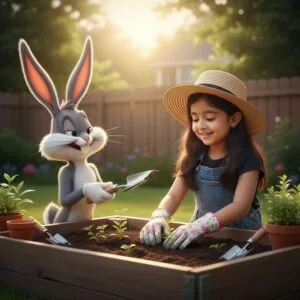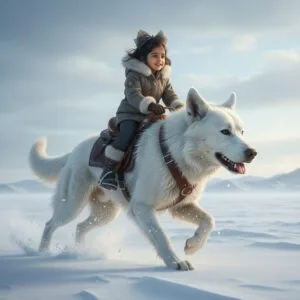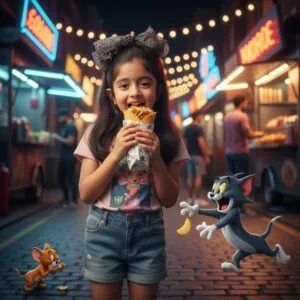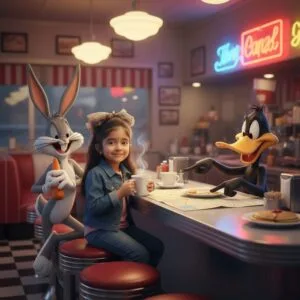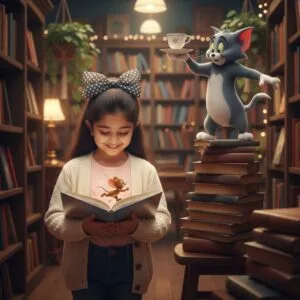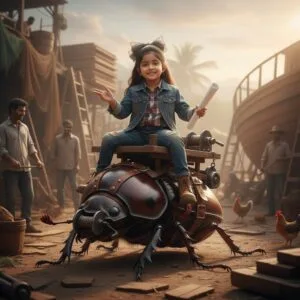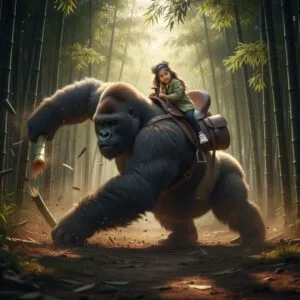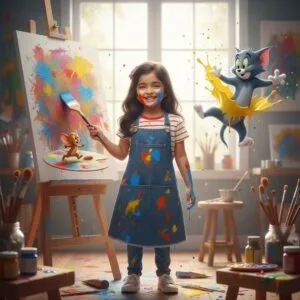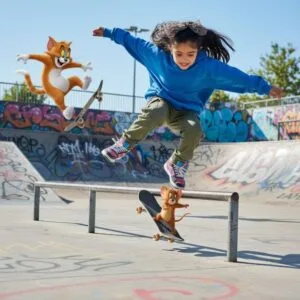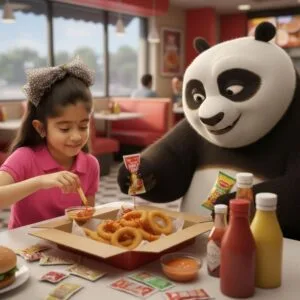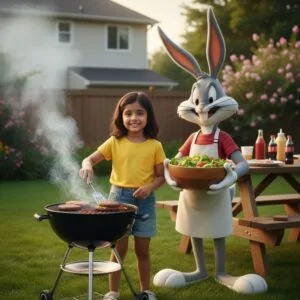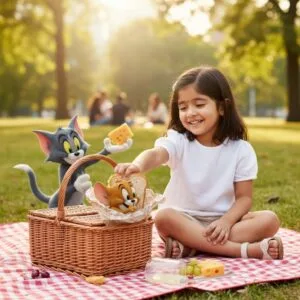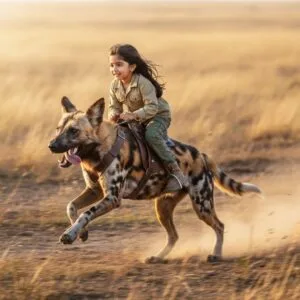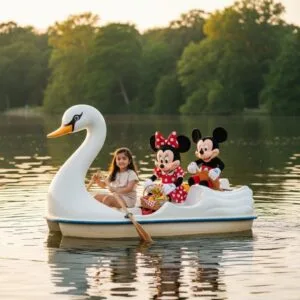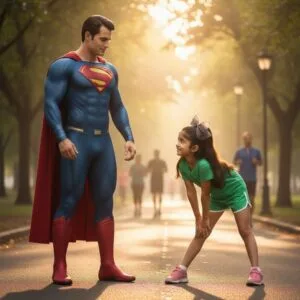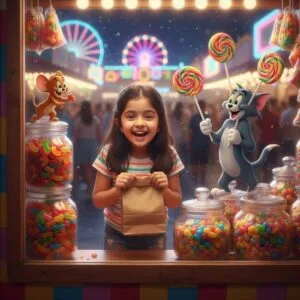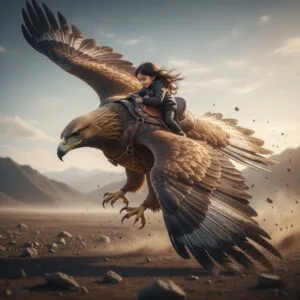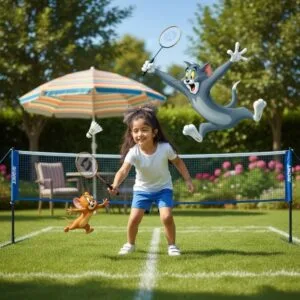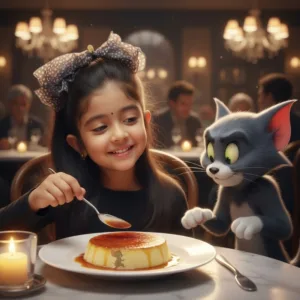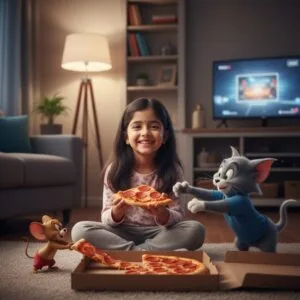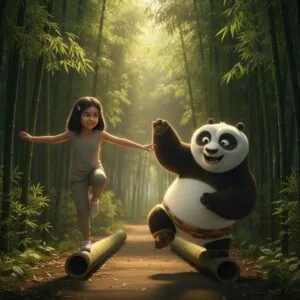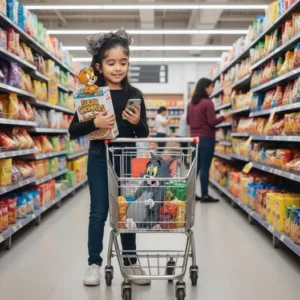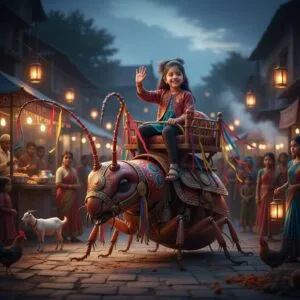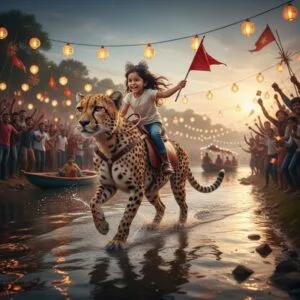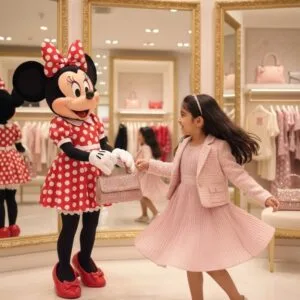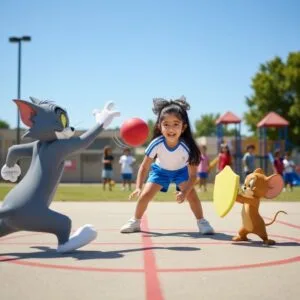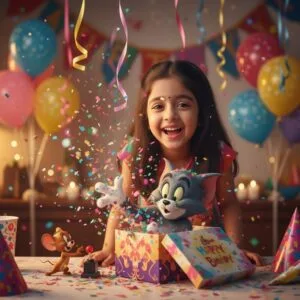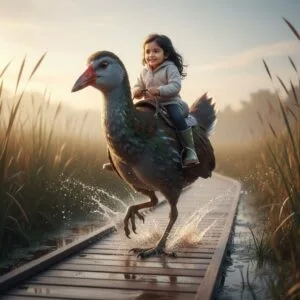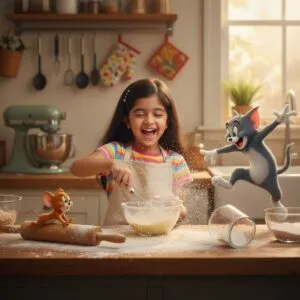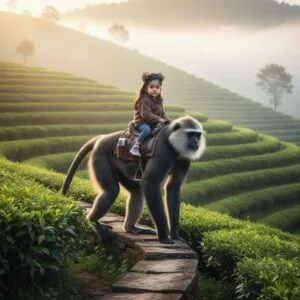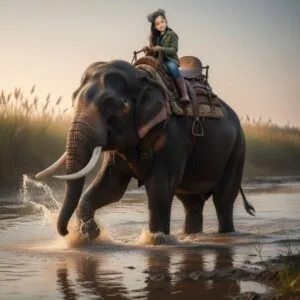




Want Professional Looking AI images like below using your own kids Photo ?
Upload your reference image to ChatGPT or Gemini, copy‑paste the JSON prompt, and generate better results instantly.
Also Share your Creativity . Feel free to share your generated image in the Comment Below using the prompt provided.
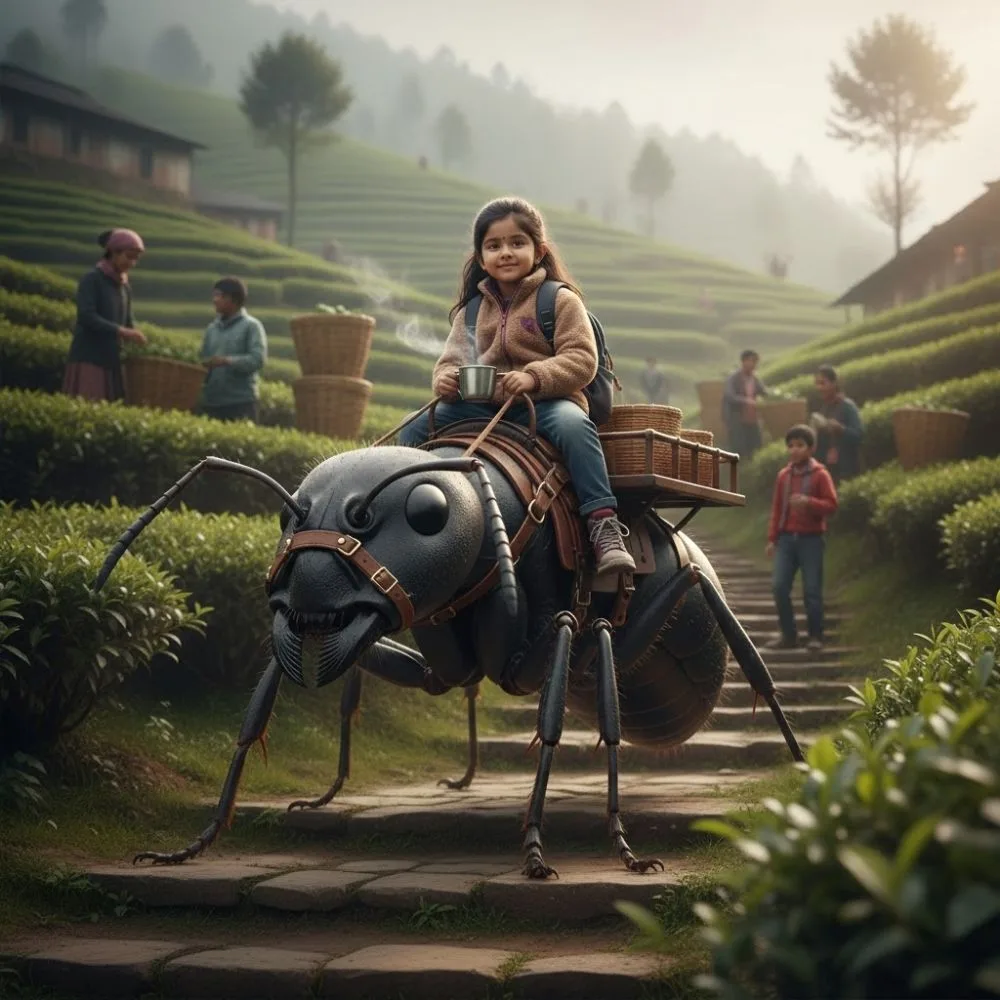
👇 JSON prompts 👇.
{ "image_generation": { "reference_image": { "enabled": true, "instruction": "User may upload a reference image. The uploaded human image must be matched exactly 100% as a replacement image/ identity lock in the generated image." } }, "prompt": "Tom & Jerry. Café Table Cat‑astrophe. Use the uploaded face {uploaded_face} exactly as replacement image (identity lock) . preserve 100% accuracy as replacement image. Always include the uploaded human dining with photorealistic Tom and Jerry. Create a hyper‑realistic 8K square image. Location: cosy outdoor café with small round tables. Wardrobe: smart casual (button shirt or sundress). Pose & action: seated sipping coffee, surprised laugh as Tom swipes a pastry from the plate and Jerry peeks from the sugar jar—both characters interact directly with your table setting (complementary action). Background: café patrons, potted plants, sidewalk. Camera: 50mm‑equivalent mid‑shot, shallow depth. Lighting: soft morning/afternoon café light. Mood: charmingly chaotic. No text or watermark." },
Explore More Kids AI Prompts & Family Keepsake Guides.
Discover related AI character portrait prompts and parent photography guides to transform your child's photos into magical keepsakes:
- Master Hub: Kids Image Prompts with Cartoon Characters
- AI Portrait Prompt: Tom &. Jerry. Pharmacy Coupon Hustle
- AI Portrait Prompt: Aanya with Tom &. Jerry Performing Skateboard Park Trick
- AI Portrait Prompt: Aanya with Kung Fu Panda in fast food restaurant
- AI Portrait Prompt: Aanya with Superman. Urban Cleanup &. Recycling
- AI Portrait Prompt: Aanya with Duck on ski lodge terrace
- Tom and Jerry AI Image Prompts Collection
- Giant Gentle Animal Adventure Prompts
- How to Organise and Store Your AI Baby Keepsake Photos
- Best Cloud Storage Apps for Preserving Baby stages
Complete Parent & Creator Guide: Aanya With Tom & Jerry — Café Table
This comprehensive storybook illustration and AI portrait guide for Aanya With Tom & Jerry — Café Table helps parents, educators, and digital artists across Australia, the United States, the United Kingdom, and Canada turn copy-ready prompts into gallery-quality nursery wall art, personalised birthday invitations, and custom children’s storybooks while protecting child digital privacy.
1. How to Customise “Aanya With Tom & Jerry — Café Table” for Your Child’s Age, Hair, Clothing & Personality
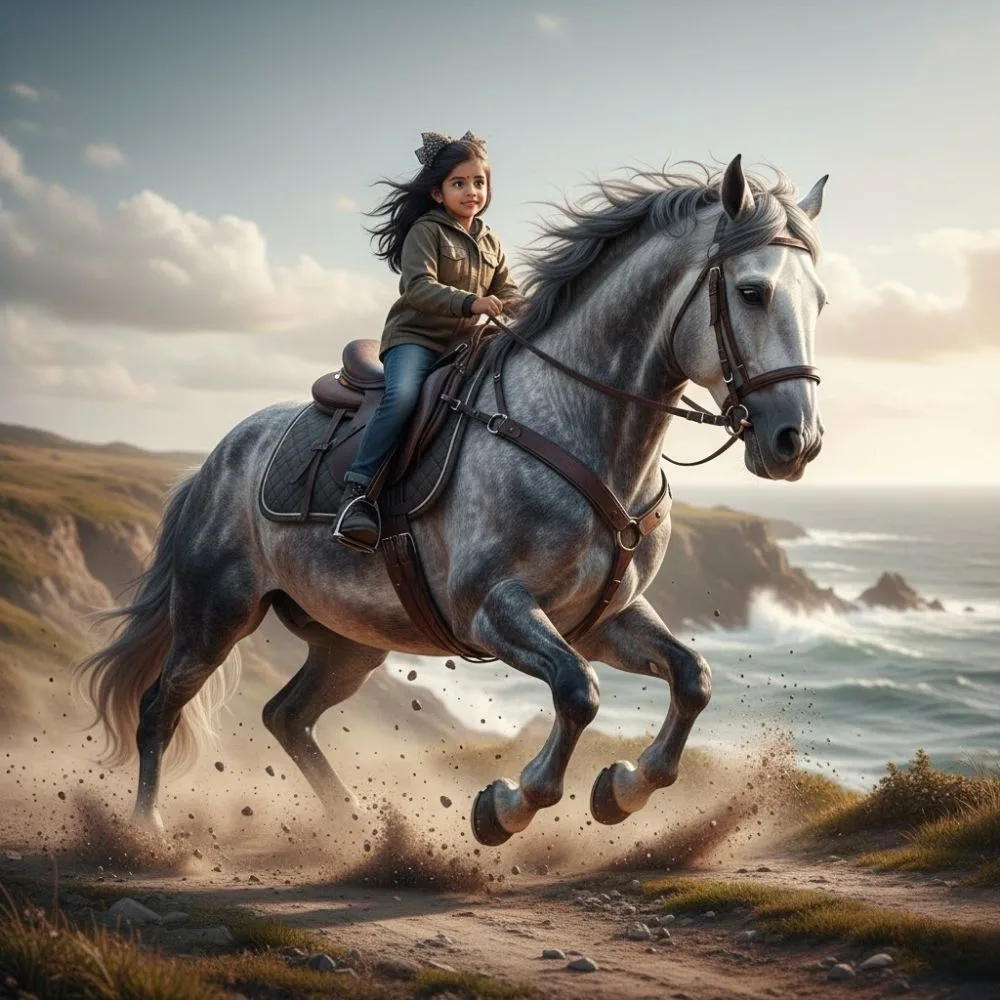
Copy-ready AI illustration prompts work best when you treat them like a modular photography director’s brief. When adapting Aanya With Tom & Jerry — Café Table in Midjourney v6.1, Google Gemini (Nano Banana / Imagen 3), OpenAI DALL-E 3, or Adobe Firefly, you can personalise the scene in under 30 seconds without breaking the carefully balanced lighting, composition, or cartoon companion interaction:
- Age & Developmental Proportions: Specify your child’s exact stage—such as “a chubby-cheeked 10-month-old baby sitting on a picnic rug”, “an energetic 2-year-old toddler with curly pigtails”, or “a curious 5-year-old child”—so the rendering engine scales head-to-body ratios and posture naturally.
- Hair Texture, Eye Colour & Skin Tone Accuracy: Replace the default character description with clear, positive visual descriptors (for example, “warm olive skin, bright hazel eyes, and shoulder-length wavy dark-brown hair with a yellow headband” or “fair skin with rosy cheeks, ocean-blue eyes, and soft sandy-blonde curls”).
- Seasonal & Regional Wardrobe Styling: Tailor outfits to match your family’s setting—from sunny Australian coastal linen overalls and wide-brim sun hats to cosy UK/Canadian knitted cardigans, gumboots, or classic US denim dungarees.
- Controlling Facial Expression & Action Verbs: Use specific micro-expression cues such as “eyes crinkling with a genuine belly laugh”, “wide-eyed wonder looking up at the character”, or “gentle focused smile while sharing a snack” to avoid stiff, posed expressions.
2. Technical Camera, Lighting & Rendering Parameters Explained
Why do professional storybook prompts look so much richer and more cohesive than a simple one-sentence request? Every element in our Aanya With Tom & Jerry — Café Table prompt blueprint controls a specific layer of the virtual camera and rendering pipeline:
Focal Length, Depth of Field & Camera Angle
In children’s portrait and storybook illustration, shooting at eye level with the child (rather than looking down from an adult’s standing height) immediately creates an immersive, magical perspective. Specifying a virtual 35mm lens captures wide environmental storytelling (showing the park, kitchen, beach, or night market surroundings), while an 85mm f/1.8 portrait lens creates creamy background bokeh that isolates your child and their animated companions against soft, glowing lights.
Three-Point Cinematic Lighting & Colour Harmony
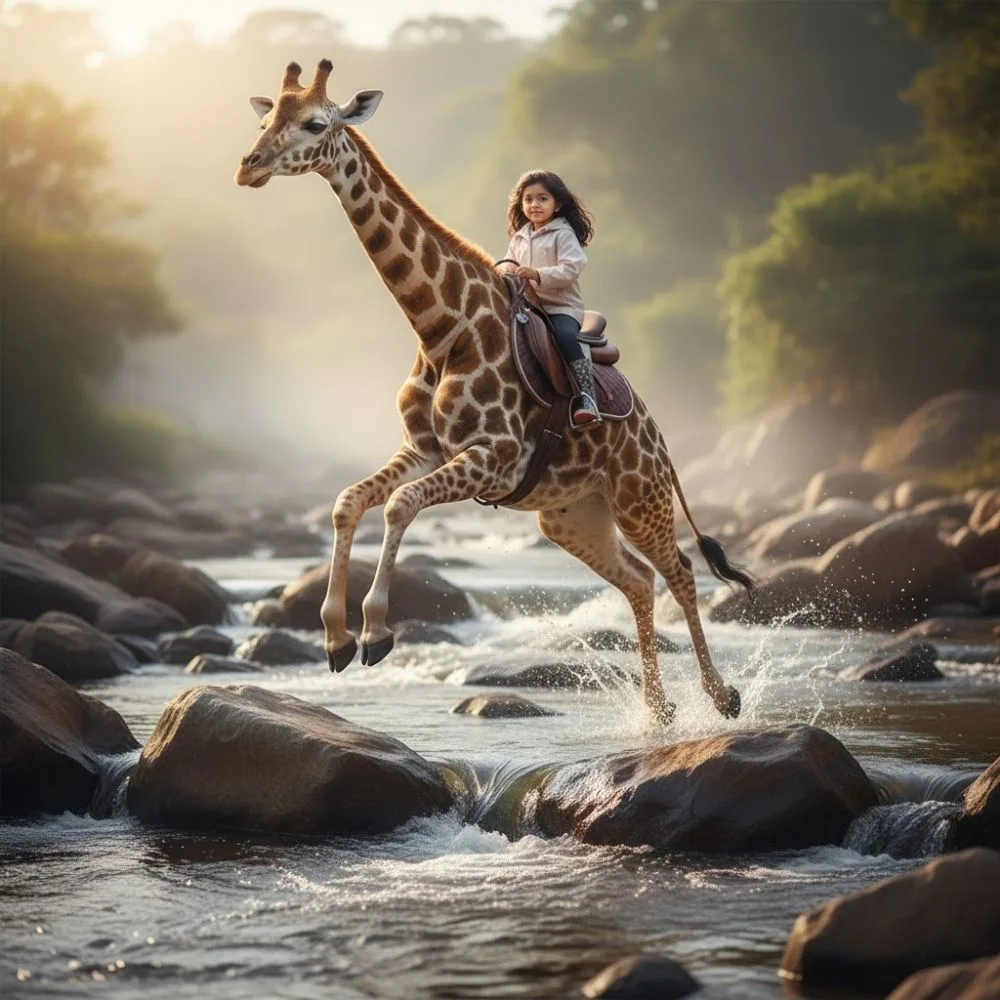
Harsh flat lighting makes 3D and 2D-hybrid illustrations look plastic. Our prompt structure uses a warm golden-hour key light (or soft window diffused light), a gentle cool or pastel fill light to preserve detail in shadow areas, and a subtle rim/hair light that separates the characters from the background. Colour palettes are intentionally anchored in complementary pairs—such as warm amber and teal, or soft sage green and coral—so the final artwork looks balanced when framed on a bedroom or playroom wall.
Blending Photorealistic Children with Classic 2D/3D Cartoon Companions
When a scene combines a lifelike child portrait with classic animated characters (like Tom and Jerry, Mickey and Minnie Mouse, Doraemon, Kung Fu Panda, or gentle giant wildlife), the secret to believable integration is shared contact shadows, matched eye-line gaze, and unified bounce light. Always keep phrases in the prompt that describe physical interaction—such as sitting on the same wooden bench, sharing the same picnic blanket, or looking toward the exact same focal point—so the AI renders consistent floor shadows and ambient occlusion across both subjects.
3. Side-by-Side Comparison: Best AI Generators for “Aanya With Tom & Jerry — Café Table”
| Platform / Engine | Primary Strength for Kids’ Storybook Art | Recommended Aspect Ratio & Settings | Best Use Case for Parents |
|---|---|---|---|
| Google Gemini (Imagen 3 / Nano Banana) | Exceptional natural language understanding, warm skin tones, and accurate multi-character interaction without complex parameter syntax. | 16:9 widescreen for storybook spreads, 4:5 or 3:4 vertical for framed nursery prints, 1:1 square for photo books. | Fast conversational edits (“Make the hat yellow”, “Change background to a sunny beach”). |
| Midjourney v6.1 / Niji 6 | Unmatched Pixar/Disney-grade 3D lighting, fabric micro-textures, and character reference consistency (--cref and --sref). | --ar 4:5 --v 6.1 --style raw --stylize 250 (or --niji 6 for vibrant anime/cartoon styling). | Creating a 12-page multi-scene storybook where your child looks identical on every page. |
| OpenAI ChatGPT / DALL-E 3 | Follows intricate scene choreography (e.g., exact food items on a table, readable birthday banner text, and specific props). | 1024×1024 square or 1792×1024 landscape; ask ChatGPT to keep the exact prompt wording without rewriting. | Custom birthday invitations, name banners, and whimsical classroom story cards. |
4. Child Digital Privacy & Safe AI Family Workflow
As parents ourselves, we strongly recommend a privacy-first approach when creating AI storybook art for your children across Australia, the USA, the UK, and Canada:
- Use Text Descriptors Instead of Uploading Close-Up Biometric Photos to Public Servers: You do not need to upload identifiable close-up photos of your child’s face to public Discord channels or unverified third-party apps. Describing your child’s hair style, eye colour, age, and favourite outfit produces a heartwarming, recognisable character lookalike while keeping your child’s biometric data 100% private.
- Enable Private / Stealth Mode When Using Reference Images: If you choose to use a character reference image, ensure your workspace is private and review the platform’s data-training opt-out settings.
- Strip EXIF GPS Metadata Before Sharing Online: Whenever sharing family creations on social media or community galleries, ensure location metadata is removed.
5. How to Print & Frame Your Artwork (AU, US, UK & CA Sizes)
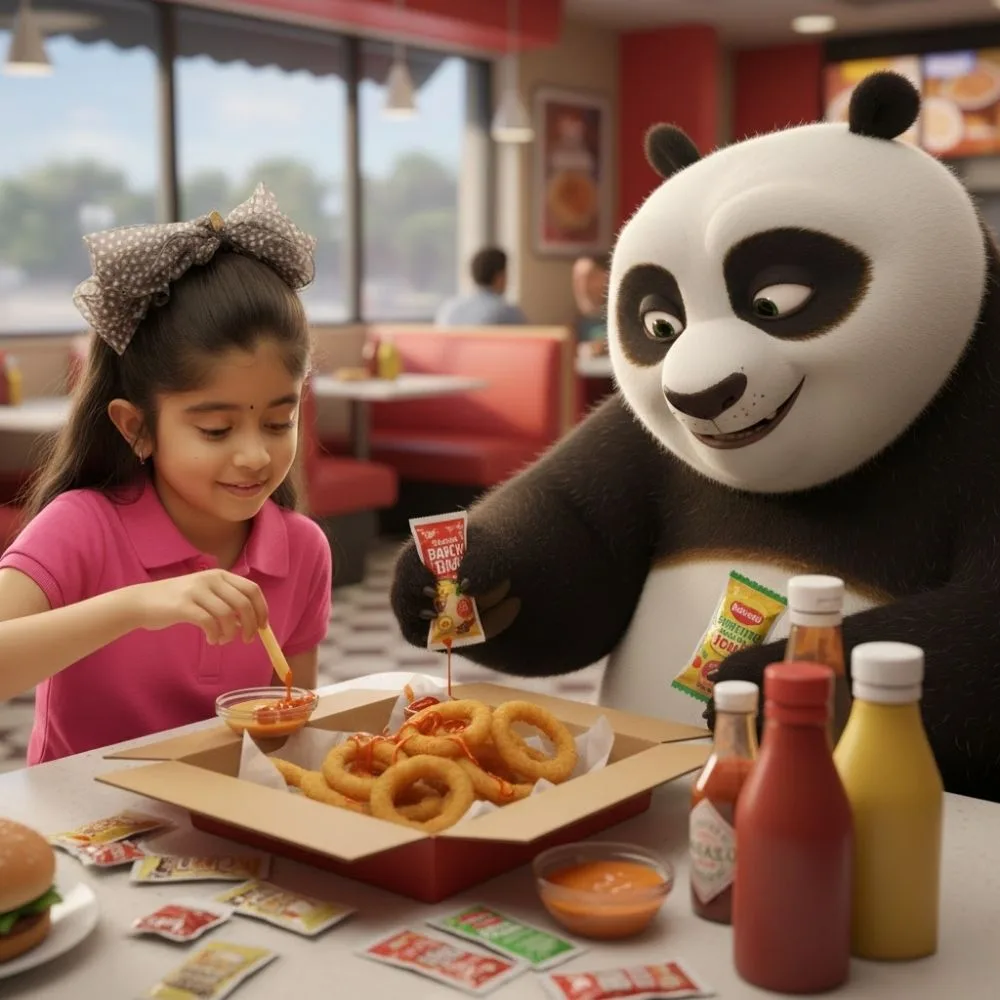
Once you have generated your favourite version of Aanya With Tom & Jerry — Café Table, follow these steps to prepare it for crisp physical printing on nursery canvas, matte fine-art paper, or hardcover photo books:
- Match Aspect Ratio to Standard Frame Sizes:
- 4:5 Ratio: Prints cleanly at
8×10 inches(US/CA/UK) or20×25 cm / 40×50 cm(Australia/UK). - 2:3 Ratio: Prints cleanly at
4×6 in,8×12 in,12×18 in, or20×30 cm / 40×60 cm. - ISO A-Series (1:1.414 Ratio): Ideal for
A4 (210×297 mm)andA3 (297×420 mm)frames widely sold at Kmart, Target, IKEA, and Officeworks in Australia and the UK.
- 4:5 Ratio: Prints cleanly at
- Upscale to 300 DPI Before Printing: Standard AI outputs are typically 1024px to 2048px wide. For large wall prints (A3 or 16×20 inches), run the image through a 2× or 4× lossless upscaler so fine brushstroke details, eyelashes, and fabric textures stay razor-sharp at 300 dots per inch (DPI).
- Choose Glare-Free Matte or Satin Stock for Nurseries: High-gloss photo paper reflects harsh window and night-light glare. Choose 200–300 gsm archival matte cotton rag paper or a satin-sealed stretched canvas, and always hang frames on walls away from direct reach of the cot or changing table (or secure them with dual flush-mount interlocking brackets).
6. Creative Variations & Storytelling Ideas for Parents and Educators
Want to turn Aanya With Tom & Jerry — Café Table into an interactive family activity? Try these three fun extensions with your toddler or preschooler:
- Create a 5-Page Bedtime Routine Book: Use the same character description across five scenes—morning breakfast, park adventure, bath time, brushing teeth, and cosy bedtime story—and print them as a sturdy spiral or board book where your child is the hero of their own daily routine.
- Language & “I Spy” Vocabulary Game: Sit together with the finished illustration and play an interactive “I Spy” game—asking your child to point out colours, count objects on the table, or describe what the cartoon characters are feeling.
- Personalised Milestone & Birthday Keepsake Cards: Pair the illustration with a short milestone note on the back recording your child’s favourite foods, funny words, and best friends at this exact age.
7. Troubleshooting Common AI Prompt Issues
- Extra Fingers or Distorted Hands Holding Utensils/Toys: Simplify the hand action in the prompt to “hands resting gently on the table” or “holding a single round apple with both hands”, or use the platform’s local inpainting brush to regenerate just the hand region.
- Cartoon Companion Looks Too Small or Too Large: Add explicit relative scale cues such as “full-size animated character standing waist-high next to the toddler” or “tiny mischievous mouse sitting on the edge of the porcelain plate”.
- Colours Look Too Neon or Over-Saturated: Append “soft natural pastel colour grading, Kodak Portra 400 warmth, subtle film grain, balanced skin tones” to the end of the prompt.
8. Frequently Asked Questions: Kids’ Storybook AI Prompts
1. How do I copy and use the prompt for “Aanya With Tom & Jerry — Café Table”?
Simply click the blue Copy Prompt button on the prompt card above to copy the full scene text to your clipboard, paste it into Google Gemini, ChatGPT/DALL-E 3, or Midjourney, and swap the child’s name, age, or outfit details to match your little one.
2. Can I swap the girl/boy character in the prompt for twins or siblings?
Yes! Replace the single child phrase with “two happy siblings—a 4-year-old boy in a striped t-shirt and his 2-year-old baby sister in denim overalls—laughing together” while keeping the rest of the environment and lighting description identical.
3. What is the best free tool for parents to try these prompts right now?
Google Gemini and Microsoft Designer / Bing Image Creator both allow parents to paste descriptive storybook prompts and generate high-resolution illustrations for personal family use at no cost.
4. Can I use these illustrations for my child’s daycare locker label, birthday cake topper, or classroom story board?
Absolutely. Parents and early childhood educators across Australia, the United States, the United Kingdom, and Canada frequently print these custom illustrations onto waterproof vinyl sticker sheets for daycare drink bottles and lunchboxes, laminated magnetic routine charts, and custom cardstock cake toppers. Because the scene lighting and colour contrast are balanced for high clarity, the characters remain crisp and recognisable even when scaled down to a 5cm × 5cm (2×2 inch) daycare cubby label.
5. How do I keep my child’s face and hairstyle consistent across a 10-page custom storybook?
Write a single 25-word “Character Anchor Phrase” (for example: “a 3-year-old girl with warm honey skin, bright dark-brown eyes, two braided pigtails tied with red ribbons, wearing a sky-blue linen pinafore over a white cotton tee”) and paste that exact word-for-word phrase at the start of every prompt in your storybook series. In Midjourney, you can also pass the URL of your first generated portrait using the --cref [URL] --cw 80 parameter so facial proportions and hair stay locked while the outfit and background scene change from page to page.
9. Seasonal Lighting Presets & Regional Print Lab Guide (Australia, USA, UK & Canada)
To help you adapt Aanya With Tom & Jerry — Café Table for special family occasions throughout the year, you can swap the final lighting sentence of the prompt with any of these four tested studio presets:
- Sunny Australian Summer / Coastal Morning Preset: Add “bright natural coastal morning sunlight, soft turquoise ocean bokeh in the distance, airy warm Kodak Portra 160 colour palette, crisp white linen highlights, zero harsh facial shadows”. Ideal for summer holidays, beach milestones, and Christmas-in-summer family cards in Australia and New Zealand.
- Cosy Autumn Storybook / Golden Park Preset: Add “warm late-afternoon golden-hour backlight filtering through amber and maple autumn leaves, soft volumetric sunbeams, rich storybook gouache and 3D cinema warmth, gentle rim lighting on hair”. Ideal for back-to-preschool keepsakes and Thanksgiving or autumn family albums in the US, Canada, and the UK.
- Magical Winter Festive / Fairy-Light Indoor Preset: Add “soft warm tungsten indoor glow from twinkling fairy lights and a cosy fireplace, gentle snow falling outside the window pane, creamy 85mm f/1.4 background bokeh, Pixar-grade subsurface skin warmth”.
- Pastel Nursery Watercolour & Coloured-Pencil Preset: If you prefer a classic hand-painted Beatrix Potter or Roald Dahl book aesthetic instead of 3D animation, replace the rendering style at the end of the prompt with “hand-painted archival watercolour and soft coloured-pencil storybook illustration on cold-press textured cotton paper, gentle pastel washes, delicate ink linework”.
Recommended Print Finishes for Nursery & Playroom Framing
When ordering physical prints from local photo labs—such as Officeworks, Harvey Norman PhotoCentre, or Atkins Pro Lab in Australia; Mpix, Nations Photo Lab, or Artifact Uprising in the USA; Loxley Colour, WhiteWall, or Boots Photo in the UK; and Blacks, Posterjack, or Henry’s Photo Centre in Canada—select lustre / pearl photo paper or 310gsm museum matte rag rather than high-gloss paper. Matte and lustre finishes eliminate overhead ceiling-light reflections, resist toddler fingerprints, and give digital storybook illustrations the warm, tactile feel of a traditional children’s picture book.